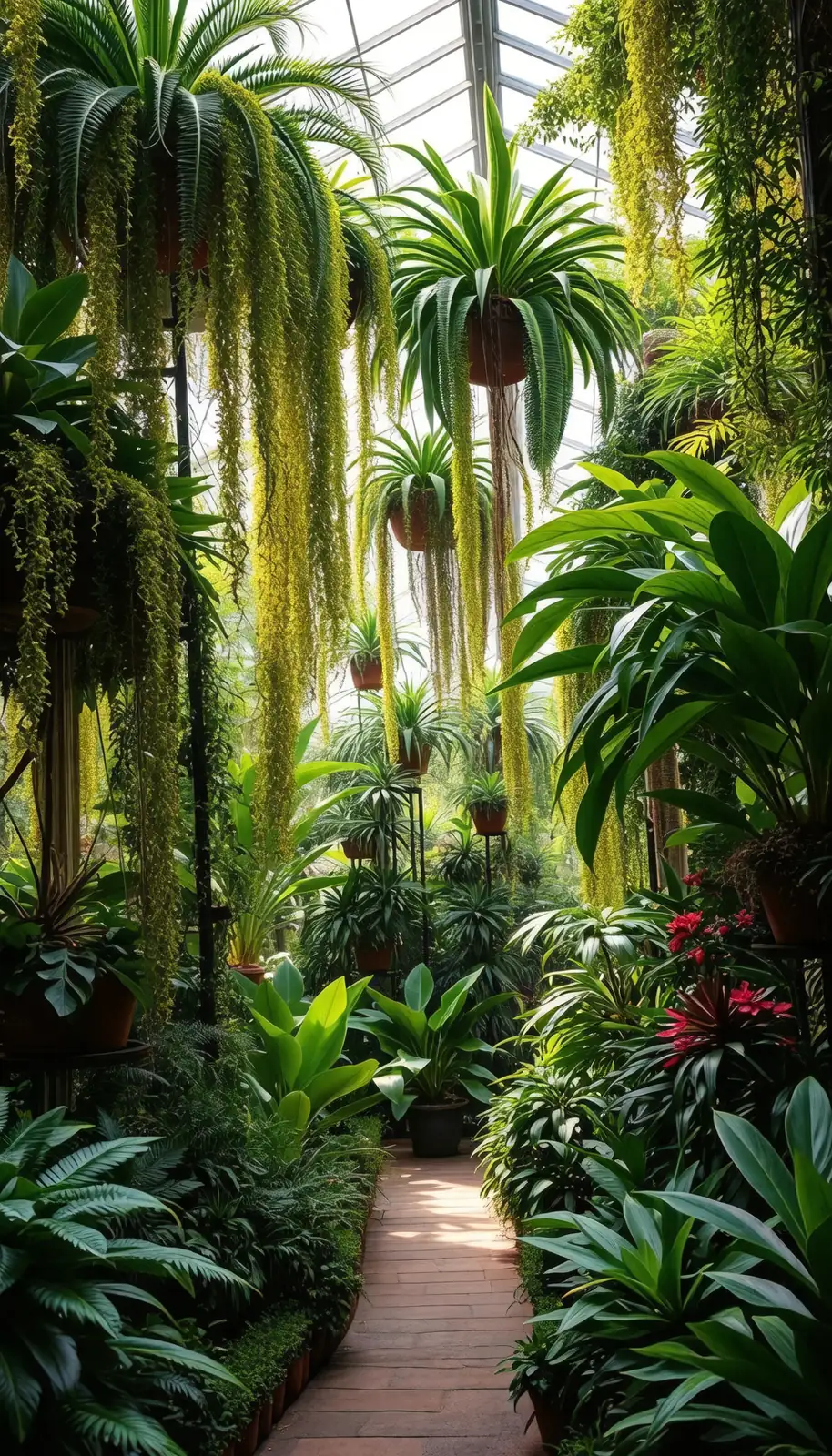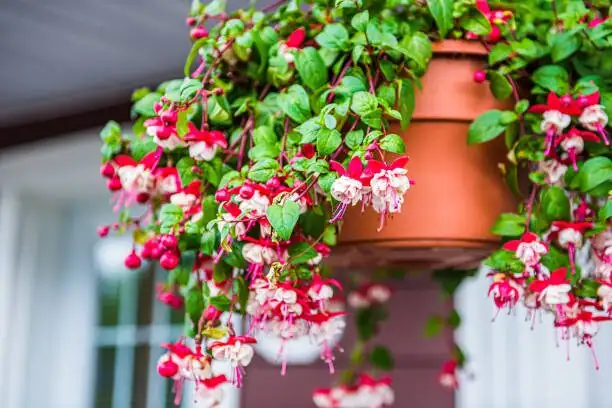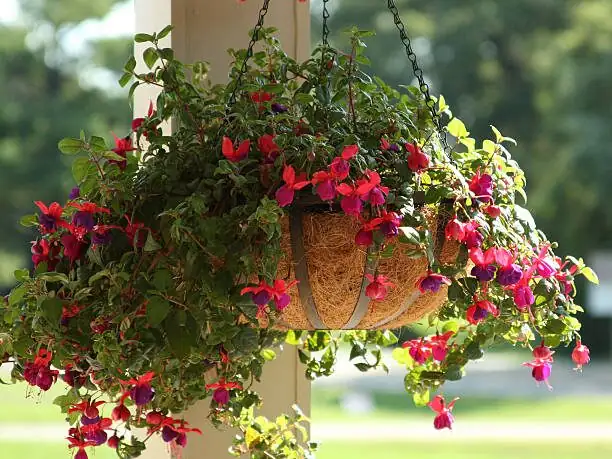
Houseplants are the unsung heroes of our living spaces, purifying the air and adding a touch of nature to our homes. But, like any good relationship, they require a bit of maintenance to stay in tip-top shape. Pruning your houseplants is an essential task that keeps them healthy, attractive, and growing just the way you want. Let’s dive into some practical, down-to-earth tips for pruning houseplants to achieve that ideal shape.
Why Prune Your Houseplants?
Pruning isn’t just about keeping your plants looking good—it’s about ensuring their health. By removing dead or diseased leaves and stems, you’re allowing your plant to focus its energy on new, healthy growth. Plus, pruning can prevent your plant from becoming too large or unbalanced, which is especially important if space is limited.
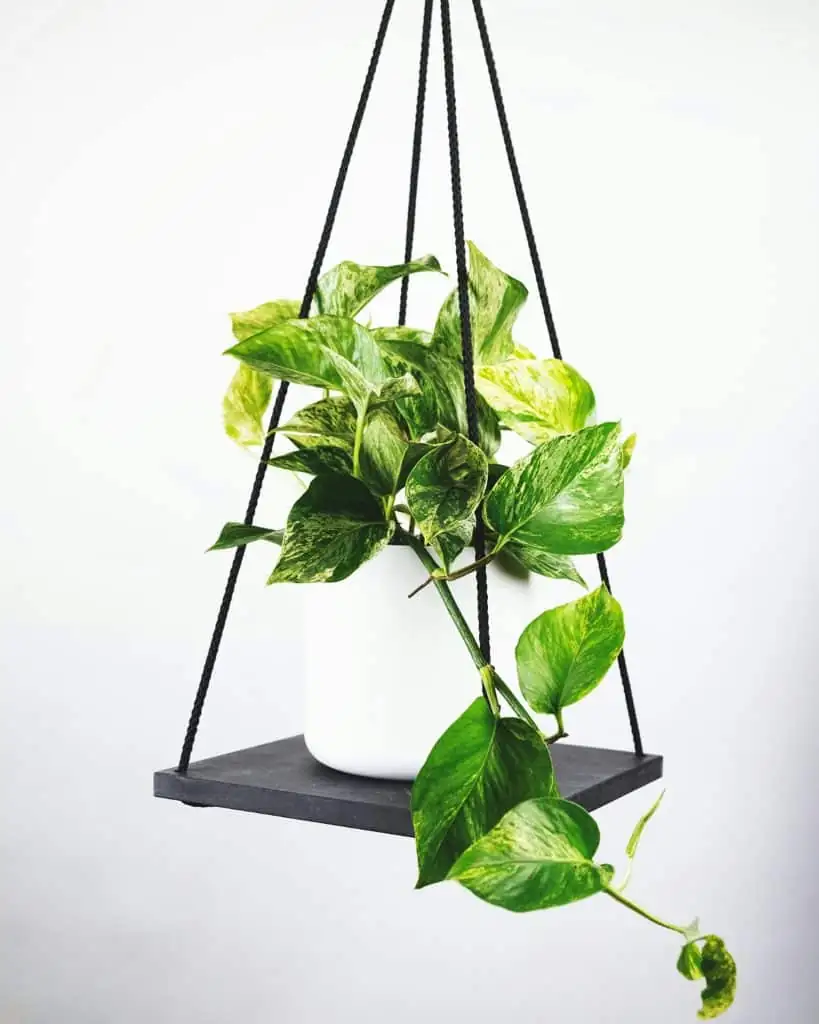
For example, if you notice your pothos plant reaching out like an eager octopus, snip back those wayward vines to keep it compact and tidy. Or, if your fiddle leaf fig is growing more on one side, a little trim can help restore its symmetry.
When to Prune
Unlike outdoor plants, houseplants aren’t strictly bound by the seasons. However, the best time to give them a thorough trim is late winter to early spring. This is when the days start getting longer, and your plant can recover quickly thanks to increased sunlight. That said, you can perform light maintenance pruning any time of the year if you spot a few yellowing leaves or a rogue stem.
How to Prune Like a Pro
Equipment Essentials
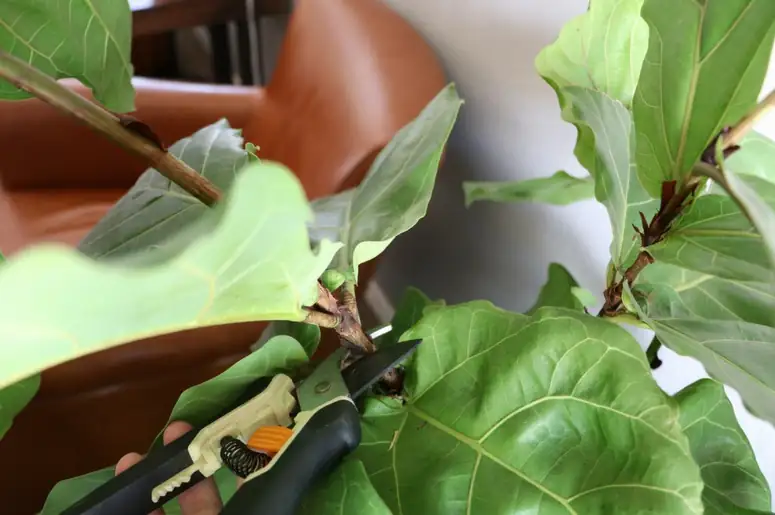
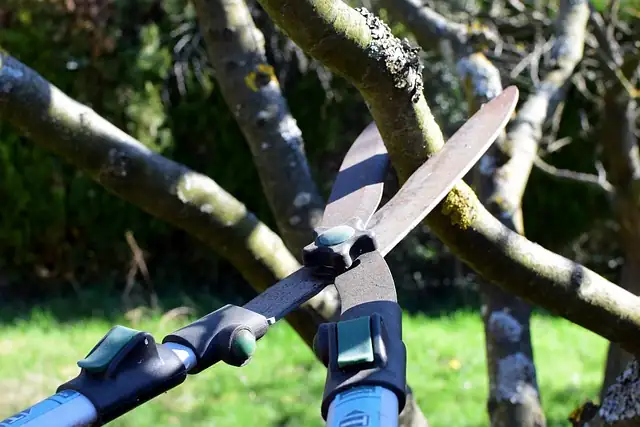
You don’t need a toolbox full of gadgets to prune your plants—just a sharp pair of pruning shears or scissors will do the trick. Clean your tools with rubbing alcohol to prevent the spread of disease between plants.
The Cutting Technique
- Observe First: Before jumping in, take a step back and look at your plant from all angles. Identify any dead or diseased areas, and note where new growth is happening.
- Focus on the Nodes: When cutting back a stem, always make your cut just above a leaf node. This is where new growth will emerge, encouraging a fuller look.
- Keep it Balanced: Aim to remove no more than 25% of the plant’s foliage at one time. This ensures the plant remains healthy and can recover without stress.
Common Mistakes to Avoid
- Going Overboard: Over-pruning can stress your plant and stunt its growth. If you’re unsure, err on the side of caution and prune less rather than more.
- Ignoring Cleanliness: Dirty tools can spread diseases from one plant to another. Always sterilize your tools before moving on to the next plant.
- Pruning at the Wrong Time: Avoid heavy pruning in the middle of winter when light is scarce, as this can hinder the plant’s ability to recover.
Wrapping Up
Pruning your houseplants doesn’t have to be a daunting task. With a little knowledge and the right approach, you can keep your indoor jungle looking lush and lively. Remember, it’s all about balance—maintaining your plant’s health while shaping it to fit your living space. So grab those shears, take a deep breath, and snip away with confidence!