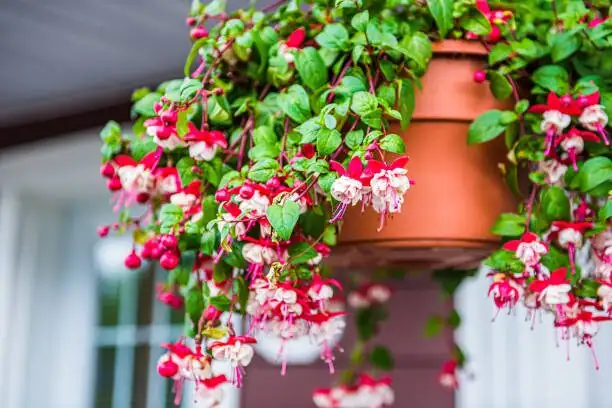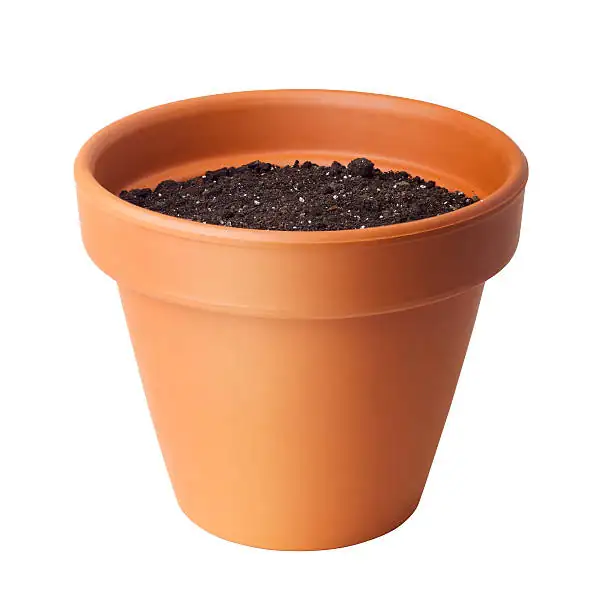
Ah, the timeless question of watering potted plants—when, how often, and how much? If you’ve ever found yourself staring at two pots of different sizes, wondering why one seems thirstier than the other, you’re not alone. Let’s dive into the practical world of watering small versus large pots, ensuring your green friends stay healthy and happy.
Understanding Pot Size and Watering Needs
Before you start watering, it’s important to understand why pot size affects how often you should water. Small pots dry out faster than larger ones. This is mainly because they hold less soil, which means less moisture retention. In contrast, larger pots have more soil, retaining moisture longer and requiring less frequent watering.
Small Pots: Little But Thirsty
Small pots can be tricky. They often need more frequent watering due to their limited soil volume. Here’s how to manage them:
- Check Daily: Especially in warmer months, small pots may need daily attention. Use your finger to test the soil; if it feels dry about an inch deep, it’s time to water.
- Consider the Weather: On hot days, you might even need to water twice a day. Be observant of the plant’s condition and adjust accordingly.
- Quick Drainers: Ensure your small pots have drainage holes. Proper drainage prevents waterlogging and root rot—common issues in small containers.
Large Pots: Bigger Doesn’t Always Mean More
Large pots hold more soil, which can be both a blessing and a curse. They retain moisture longer, so overwatering can be a real danger here:
- Weekly Checks: For most large pots, watering once a week might suffice, but always check the soil moisture first. Dig a bit deeper, around 2-3 inches, to get a true sense of the moisture level.
- Deep Watering: When you do water, ensure it’s thorough. Water until it flows out of the drainage holes to encourage deep root growth.
- Mind the Plant Type: If you’ve got a thirsty tropical plant in a large pot, it might need more frequent watering compared to a drought-tolerant succulent.
Common Mistakes and How to Avoid Them
Overwatering
The most common mistake for both small and large pots is overwatering. Remember, it’s better to under-water than overwater. Roots need oxygen, and waterlogged soil cuts off their supply, leading to root rot.
Using a Set Schedule
Avoid sticking to a rigid watering schedule. Instead, tailor your watering routine to the plant’s needs, pot size, and current weather conditions. Each pot is unique!
Ignoring Plant Signals
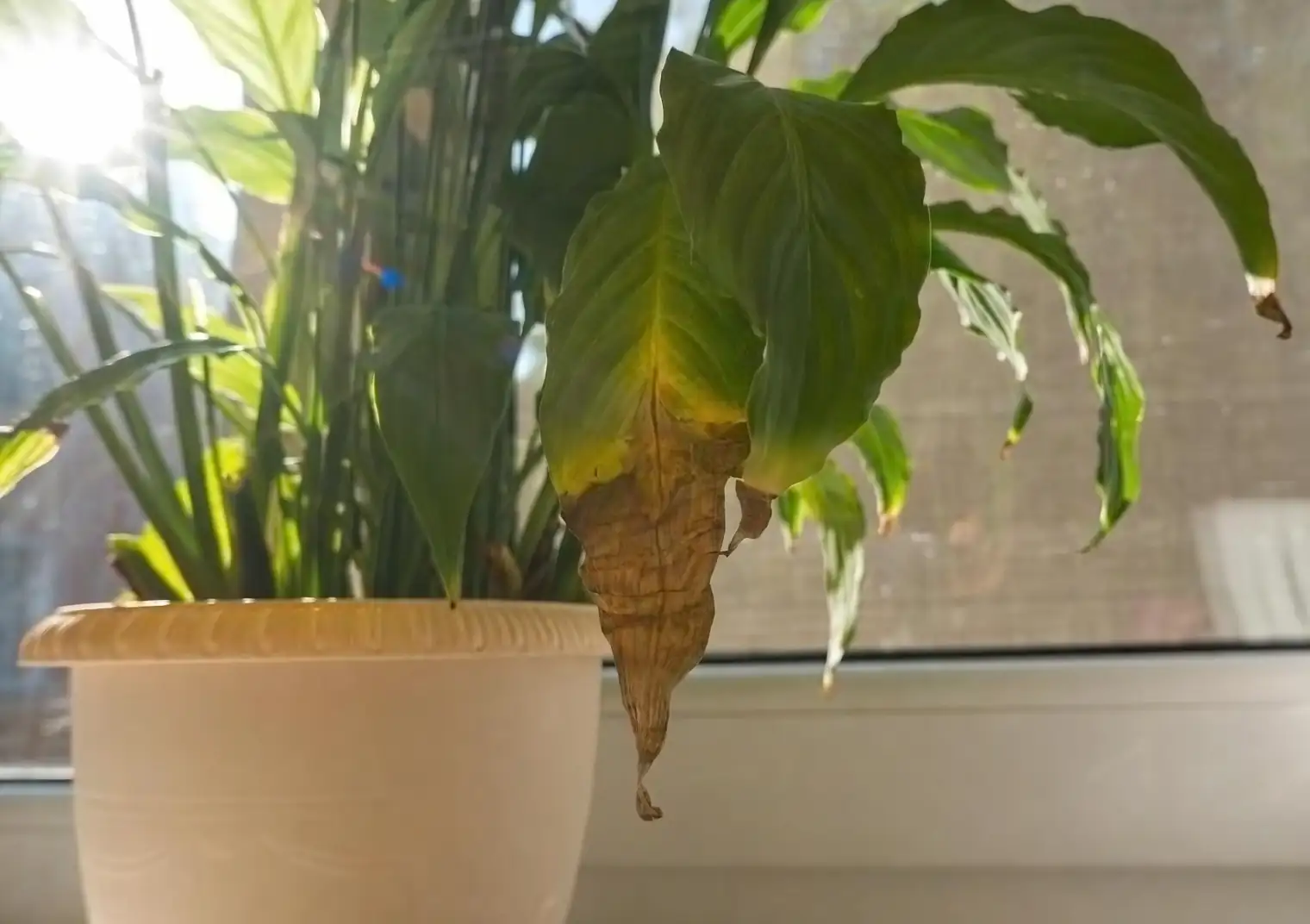
Plants often show signs of distress when they’re not happy. Wilting, yellowing leaves, or slow growth can be indicators of improper watering. Pay attention to these signals and adjust your watering practices.
Final Tips
- Consider Plant Type: Some plants, like succulents, thrive in drier conditions, while others, like ferns, prefer consistent moisture.
- Soil Matters: Use a well-draining soil mix, especially for small pots, to prevent water retention issues.
- Humidity and Airflow: These environmental factors also play a role in how quickly soil dries out. Adjust your watering frequency based on the climate of your space.
By understanding the nuances of pot size and how it affects watering needs, you’ll be well on your way to nurturing thriving, vibrant plants. Remember, a little observation and adjustment go a long way in keeping your potted plants healthy and flourishing. Happy gardening! 🌿