Unleash Your Creativity with Boxwood Topiary
Imagine walking through a formal garden, where the air is fragrant, the paths are neatly lined, and the landscape is dotted with whimsical shapes—spirals, spheres, and even animals—all masterfully crafted from lush, green foliage. This is the enchanting world of boxwood topiary, a horticultural art form that has captivated gardeners and designers for centuries.
The Perfect Canvas: Boxwood’s Botanical Profile
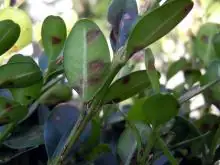
Boxwood (Buxus spp.), known for its dense, compact growth and small, glossy leaves, is the quintessential plant for creating topiary. This evergreen shrub, part of the Buxaceae family, is native to regions across Europe, Asia, tropical Africa, and Central America. It was first introduced to North America in 1653, and its popularity has only grown since.
The charm of boxwood lies in its versatility. Whether it’s the European boxwood (Buxus sempervirens) or the Asian boxwood (Buxus microphylla), their slow growth and natural ability to maintain a tidy shape make them ideal for intricate designs. Boxwoods typically grow between 0.6 to 2.4 meters tall and wide, although some forms can reach up to 6 meters, providing ample opportunity for creative expression.
Shaping Techniques: From Simple Spheres to Spiraling Splendor
Creating a topiary masterpiece starts with selecting the right plant and design. The dense branching of boxwood allows it to be pruned into almost any shape imaginable. Here are some popular techniques:
- Spheres and Cubes: These are often the starting point for beginners. Use a wire frame or guide to ensure symmetry, and carefully prune to maintain the shape.
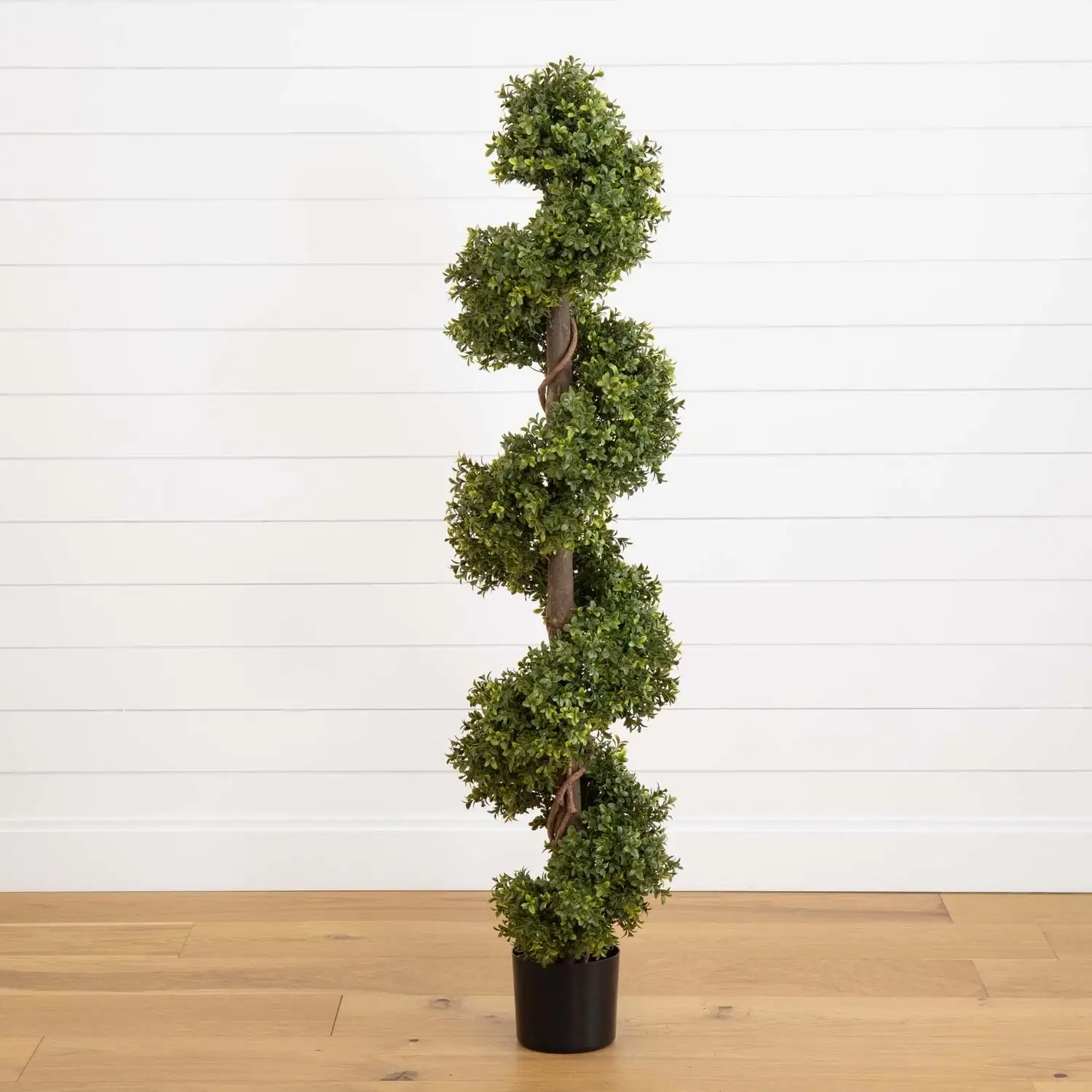
- Spirals: A classic choice that adds a dynamic, flowing element to gardens. Begin with a cone-shaped plant and gradually twist your way down, removing branches to reveal the spiral.
- Animals and Figures: For the adventurous, animal shapes or abstract figures can turn a garden into a storybook scene. These require skill and patience, often starting with a wire frame as a guide.
Design Inspirations: Bringing Formal Gardens to Life
Incorporating boxwood topiary into your garden design can transform an ordinary landscape into a magical retreat. Here are some ideas to inspire you:
- Garden Borders: Use low boxwood hedges to define garden beds or walkways, creating a structured, orderly appearance.
- Focal Points: Position a striking topiary at the entrance of your garden or as a centerpiece to draw the eye and create a sense of drama.
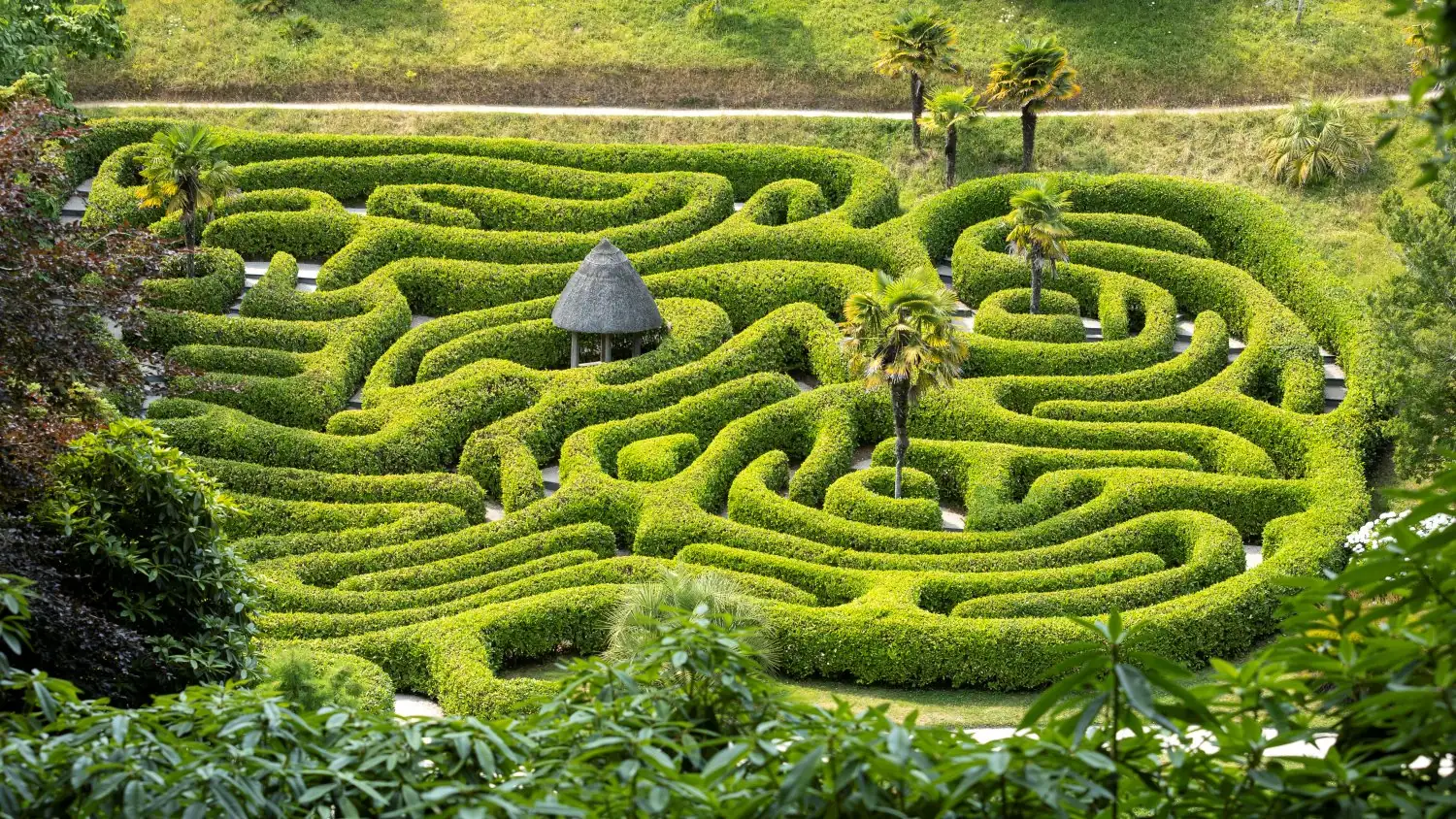
- Maze Gardens: Bring a touch of whimsy with a hedge maze composed of boxwood, perfect for both children and the young at heart.
Caring for Your Living Sculptures
Boxwood may be easy to moderate in care, but attention to detail ensures they remain healthy and vibrant. Here’s how to keep your topiary thriving:
- Sunlight and Soil: Plant boxwood in full sun to partial shade, with well-drained loam soil. Avoid areas with poor drainage, as boxwood dislikes “wet feet.”
- Pruning: Regular pruning is essential to maintain shape and encourage healthy growth. Thinning cuts are preferred, removing entire stems to improve airflow and light penetration.
- Watering and Fertilizing: Water deeply, focusing on the root zone. Fertilize in spring with an all-purpose fertilizer before new growth begins.
A Symbol of Longevity and Endurance
Boxwood is more than just an ornamental plant; it carries rich symbolism and history. Often associated with longevity and endurance, boxwood’s evergreen nature embodies the idea of everlasting life. In Christian traditions, it has been linked with perseverance and renewal, serving as a substitute for palm in Palm Sunday observances.
Embrace the Art of Boxwood Topiary
Whether you’re a seasoned gardener or a curious beginner, boxwood topiary offers endless possibilities for creativity and expression. This living art form not only enhances the beauty of formal gardens but also brings a touch of history and culture to any landscape. So grab your pruning shears and let your imagination run wild—your garden awaits its next masterpiece.