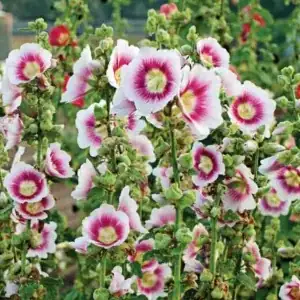
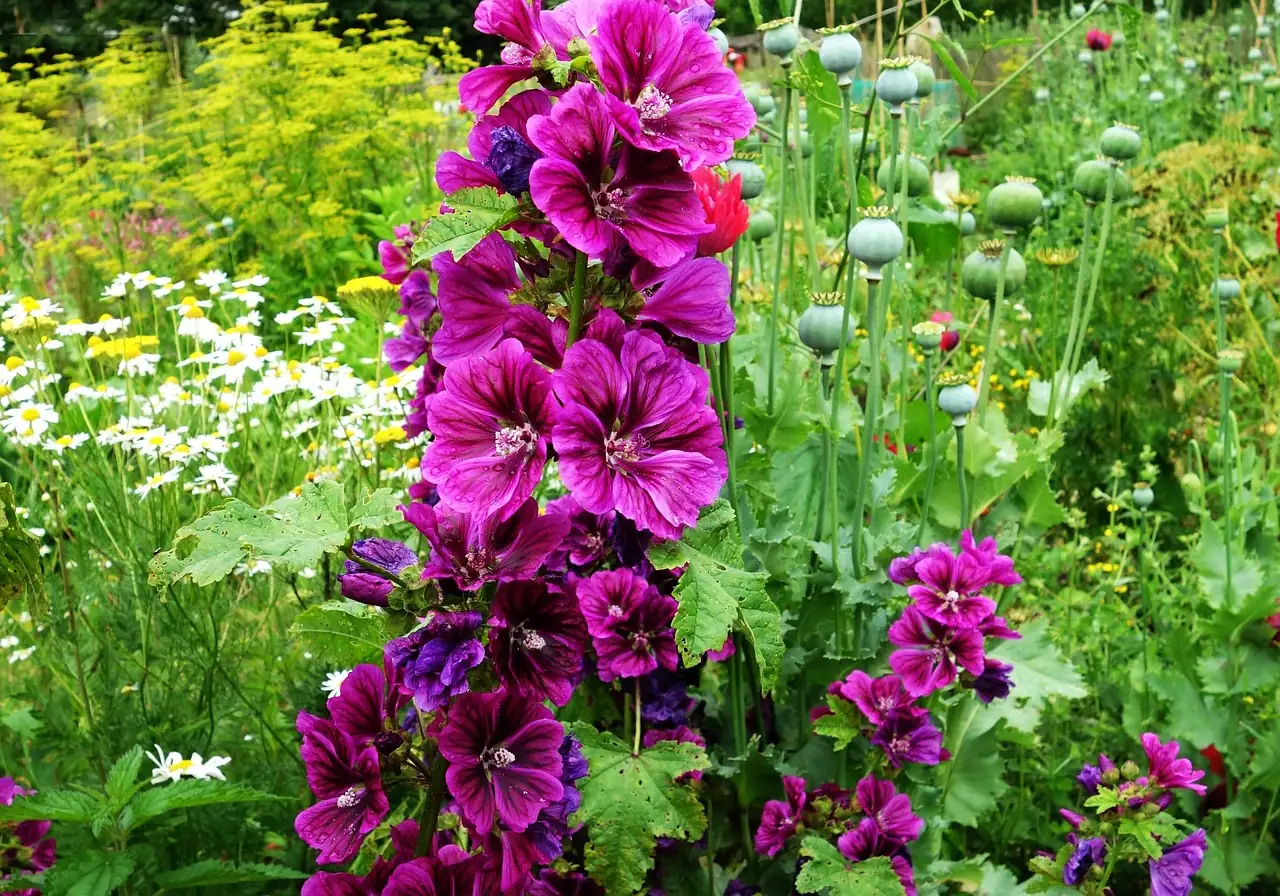
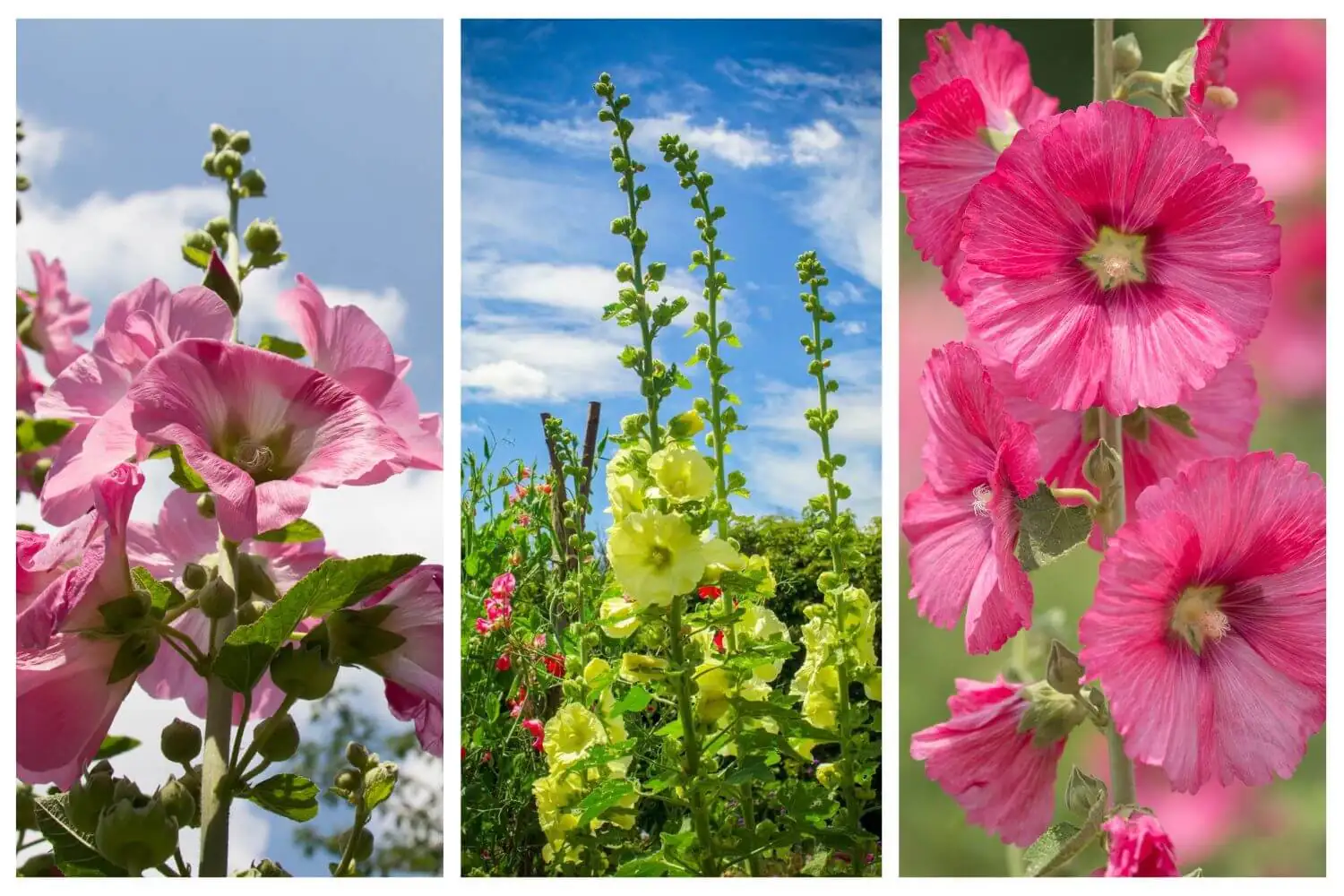
Hollyhocks (Alcea rosea), with their towering spires of vibrant blooms, are a quintessential feature of cottage gardens, evoking a nostalgic charm that few plants can match. However, these old-fashioned beauties are not without their challenges. Among the various pests and diseases that afflict hollyhocks, hollyhock rust is perhaps the most notorious. In this article, we’ll explore how to diagnose and treat this pesky fungal disease and discuss preventative measures to keep your hollyhocks rust-free and thriving.
Understanding Hollyhock Rust: The Silent Saboteur
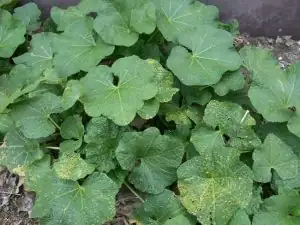
Hollyhock rust, caused by the fungus Puccinia malvacearum, is the bane of many a gardener’s summer. This disease is as persistent as it is unsightly, spreading via airborne spores and thriving in warm, humid conditions. If your hollyhocks exhibit yellow or orange spots on the upper surfaces of their leaves and reddish-brown pustules underneath, you might be dealing with this fungal foe.
Symptoms and Diagnosis
Early detection is key. Keep an eye out for:
- Bright yellow or orange spots on the upper leaf surfaces.
- Reddish-brown pustules on the underside of leaves, which can turn ash-grey when spores are released.
- Progression from lower to upper leaves, often resulting in premature leaf drop and stunted growth.
These symptoms can appear as early as spring, gaining momentum as the summer heats up.
The Challenge of Control
Once hollyhock rust sets in, it can be difficult to control. The spores travel effortlessly on the wind, meaning new infections can quickly crop up. While fungicides can be part of a management strategy, they are most effective when applied early and judiciously.
Treatment Strategies: Battling the Rust
So, what’s a gardener to do when faced with this persistent problem? Here’s a battle plan:
Non-Chemical Control
- Regular Monitoring: Frequently check your plants for early signs of rust. Early intervention can prevent a full-blown outbreak.
- Prune and Dispose: Remove and destroy infected leaves as soon as they appear. This reduces the spore load and helps prevent the spread.
- Optimize Growing Conditions: Plant hollyhocks in full sun with ample space for air circulation. This reduces humidity around the plants, making conditions less favorable for rust.
- Garden Hygiene: Maintain cleanliness in your garden by removing debris and fallen leaves, which can harbor fungal spores over winter.
Chemical Control
If the infection persists, consider fungicides as a supplementary measure:
- Select Appropriate Fungicides: Look for those labeled for ornamental flowering plants, containing active ingredients like chlorothalonil, mancozeb, or tebuconazole.
- Alternate Active Ingredients: To prevent resistance, do not use the same active ingredient repeatedly. Rotate between different modes of action for more effective control.
Preventative Measures: An Ounce of Prevention
Preventing rust is always preferable to treating it. Here are some proactive strategies:
- Start with Healthy Plants: Purchase hollyhocks from reputable suppliers and inspect them for signs of rust before planting.
- Strategic Watering: Water at the base of the plant rather than overhead to keep foliage dry, reducing conditions that favor rust development.
- Diverse Planting: Consider integrating rust-resistant hollyhock cultivars into your garden.
Beyond Rust: Other Pests and Problems
While rust is a major concern, hollyhocks can also fall prey to other issues such as powdery mildew, leaf spots, and pests like Japanese beetles and spider mites. Each of these comes with its own set of challenges, but maintaining robust plant health through proper care and environmental management goes a long way in keeping these problems at bay.
Conclusion: Rust-Free and Blooming Bright
Hollyhocks are more than just pretty faces in the garden; they are a testament to a gardener’s dedication and love for timeless beauty. By understanding the threats posed by hollyhock rust and employing a combination of vigilant monitoring, good horticultural practices, and strategic interventions, you can keep your hollyhocks standing tall and vibrant. Imagine your garden free of rust, the hollyhocks swaying with the breeze, their blooms a delightful tapestry of colors—a gardener’s dream come true!