Discover the Quirky World of the Rubber Plant (Ficus elastica)
Welcome to the whimsical realm of the Rubber Plant, scientifically known as Ficus elastica. This plant has not only captured the hearts of plant enthusiasts around the globe but has also made a name for itself as an indoor greenery superstar. With its glossy leaves and ability to thrive in various conditions, the Rubber Plant is both a classic and a quirky addition to any home. Let’s dive into some fascinating tidbits about this resilient plant that might just make you want to add one to your collection!
Aerial Roots: The Rubber Plant’s Adventurous Side
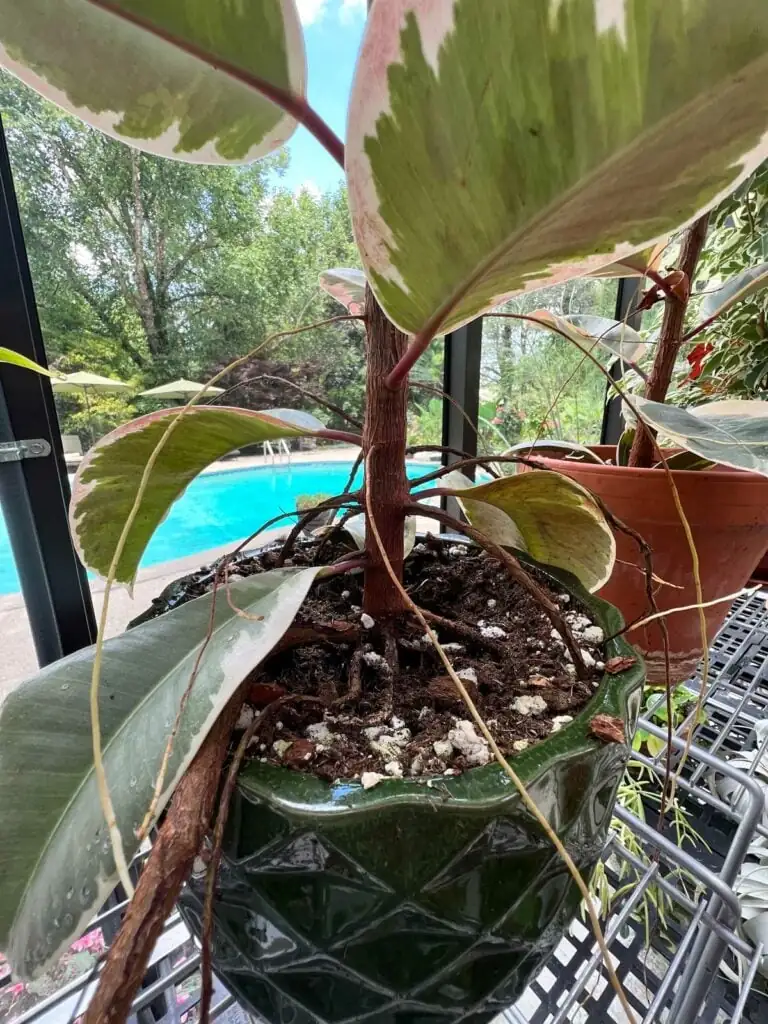
Did you know that Rubber Plants can grow aerial roots even indoors? Yes, these adventurous roots are not just reserved for the wild jungles of Southeast Asia where the plant originates. In warm and humid conditions, your indoor Rubber Plant may surprise you by sending out these roots, looking as if it’s ready to embark on an exploration of your living room. While these roots are more common in their natural habitat, they highlight the plant’s adaptability and unique charm.
Leaves That Steal the Spotlight
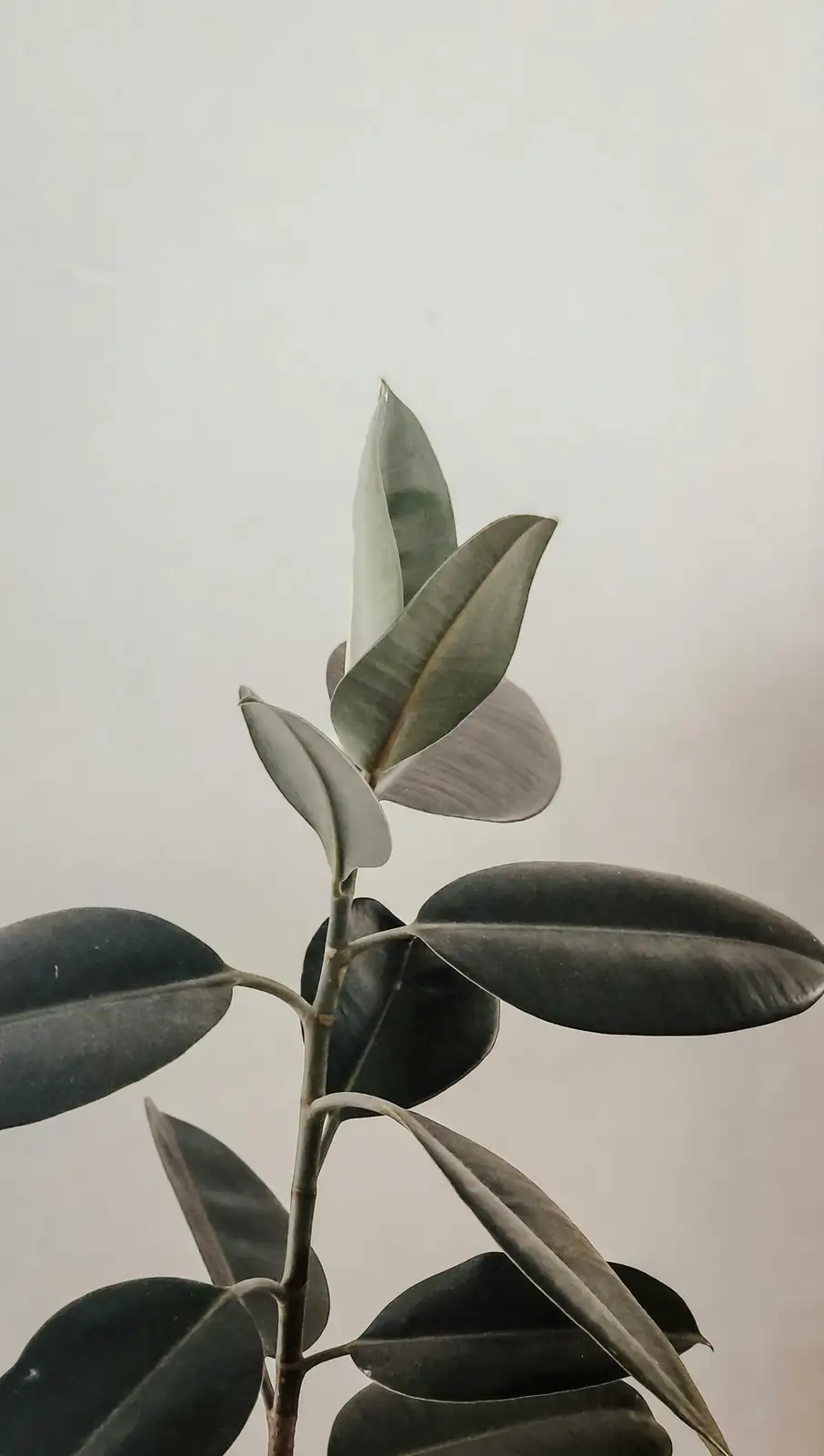
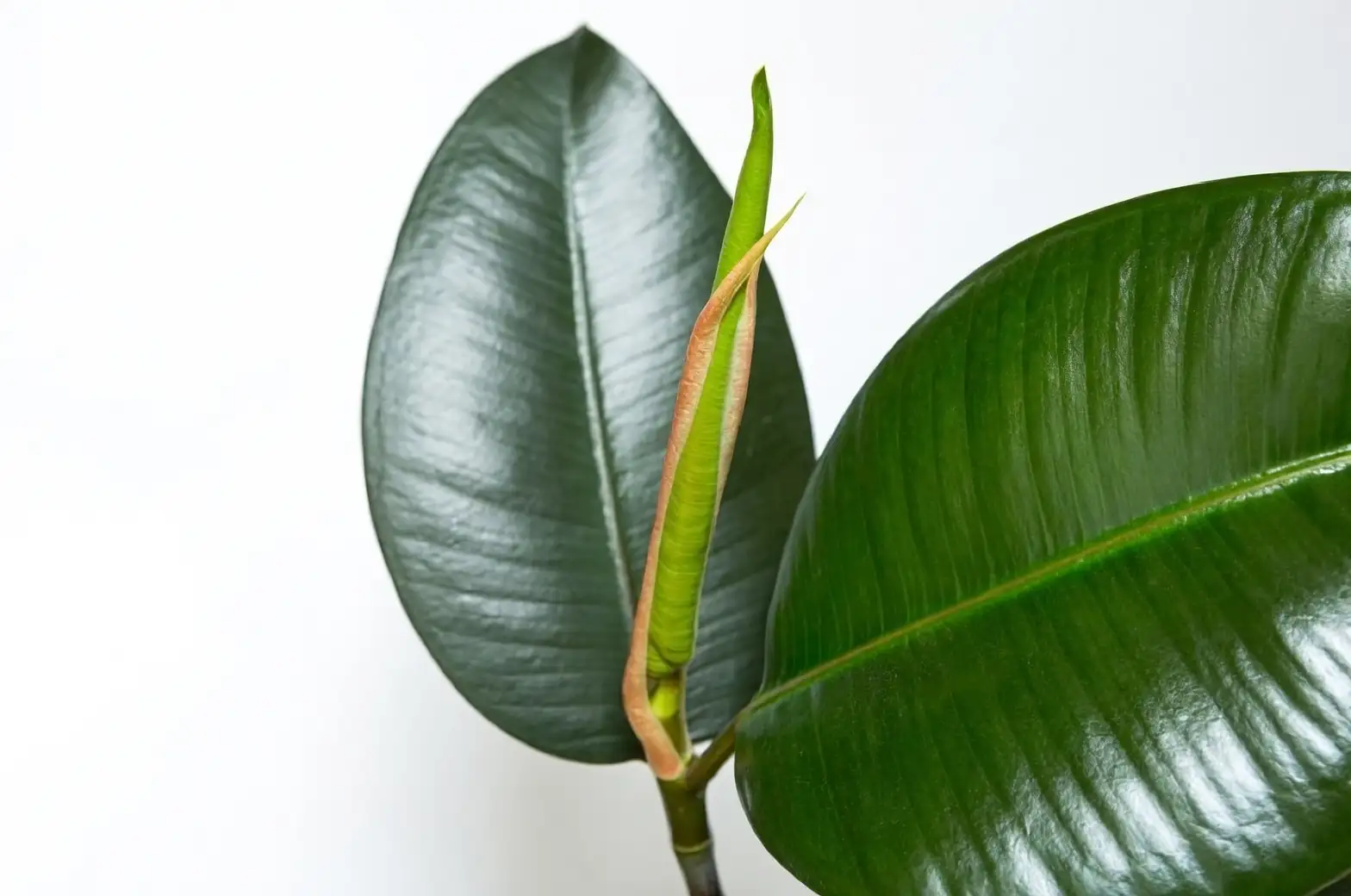
The Rubber Plant’s leaves are like the divas of the indoor plant world—big, bold, and always ready to shine. These thick, leathery leaves are not only aesthetically pleasing but also functional. They are known for their air-purifying qualities, making them a popular choice for those looking to freshen up their indoor environment. New leaves unfurl from a red or pink sheath, adding a touch of drama to their debut. It’s like watching a carefully choreographed performance right in your home!
The Fig Family Connection
Despite its name, the Rubber Plant isn’t the source of the rubber found in everyday products—that comes from the Para rubber tree. However, Ficus elastica has its own fascinating backstory. It’s part of the fig family, and in the wild, it relies on specific fig wasps for pollination. This unique relationship means that indoor Rubber Plants rarely fruit, which is a relief for those who prefer their houseplants to remain flowerless.
A Touch of History and Legend
In Meghalaya, India, the Rubber Plant’s aerial roots have been ingeniously guided to form living root bridges. These bridges are not only functional, supporting the weight of many people, but they are also a testament to human ingenuity and the plant’s robust nature. Imagine walking across a bridge made entirely of living roots, a testament to the plant’s strength and versatility.

Carefree and Easygoing
One of the reasons the Rubber Plant is a household favorite is its easygoing nature. It doesn’t demand constant attention and is forgiving if you occasionally forget to water it. Just make sure its soil dries out between waterings to avoid the dreaded yellow leaves and root rot. Keep it in bright, indirect light, and it will reward you with healthy growth and lush foliage.
Symbolism and Feng Shui
In the world of symbolism, the Rubber Plant is associated with prosperity and steady growth. In Feng Shui, it’s praised for its rounded leaves, which are thought to “soften” corners and invite positive energy. This makes it not just a plant, but a potential harbinger of good vibes and tranquility.
Fun Facts to Impress Your Friends
- Leaf Unfurling: Watch in awe as new leaves emerge from a colorful sheath, adding a splash of color to your greenery.
- Natural Air Freshener: Its broad leaves are often cited for their air-purifying qualities, making it a practical and beautiful addition to any room.
- Temperature Sensitivity: Beware of cold drafts! Sudden chills can lead to dramatic leaf drop, so keep your plant cozy and warm.
Conclusion
The Rubber Plant is more than just a pretty face; it’s a resilient, adaptable, and charming plant that can infuse any space with greenery and a touch of whimsy. Whether you’re a seasoned plant parent or a beginner, the Rubber Plant makes a delightful companion with its glossy leaves and quirky characteristics. So why not invite one into your home and see for yourself the magic it brings?