

As the seasons change, our gardens can face unexpected challenges—from dehydration during a sudden heatwave to frostbite during an unforeseen cold snap. But don’t worry, with a little patience and the right care, you can help your plants recover and thrive. Here’s a practical guide to nursing your garden back to health after it’s been hit by dehydration or frostbite.
Water: The Lifeline for Thirsty and Frostbitten Plants
Post-Freeze Hydration
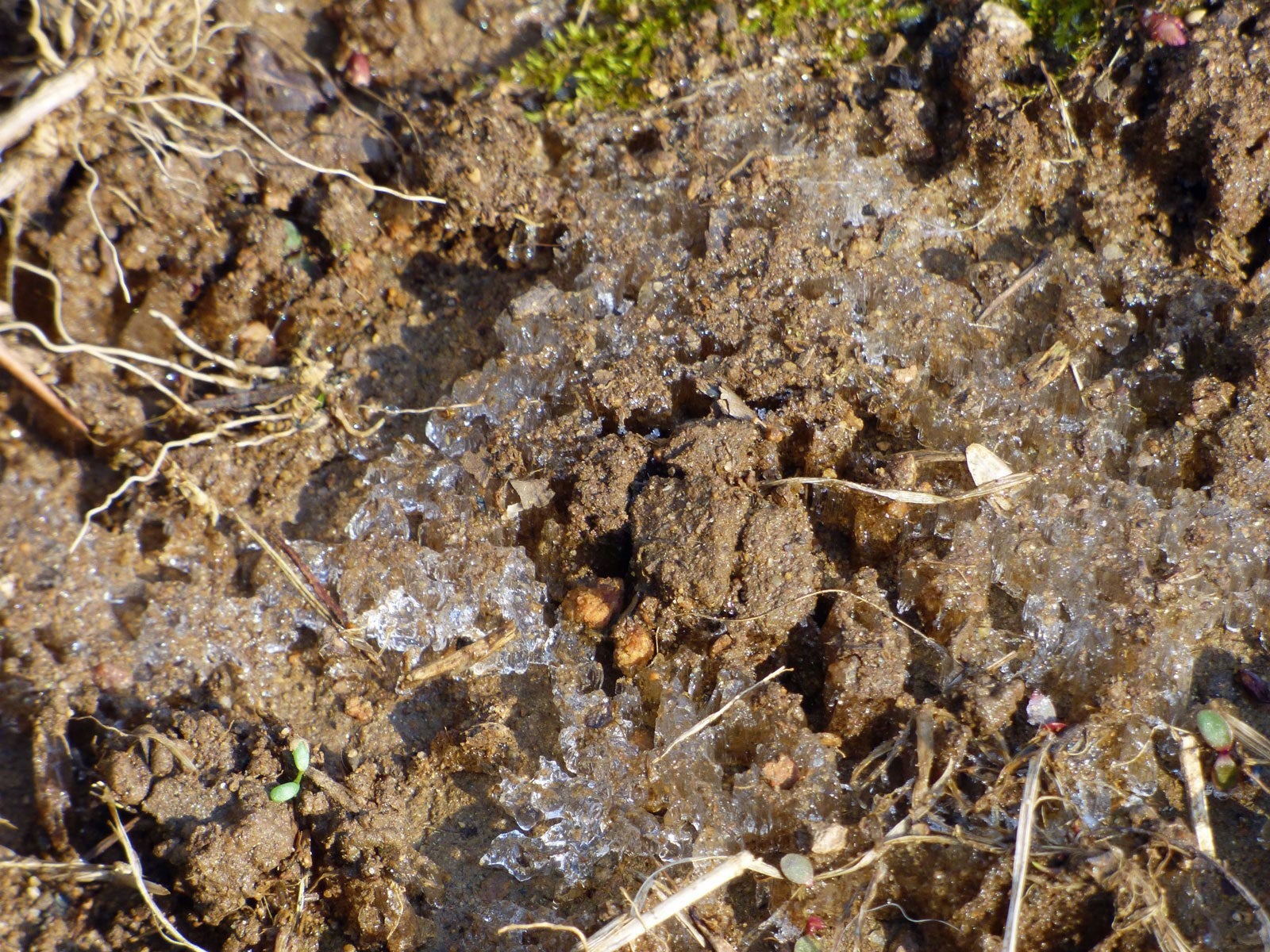
After a freeze, it’s crucial to ensure your plants are adequately hydrated. Cold damage can cause moisture to be drawn out of plant cells, leaving them parched. Check the soil—if it’s dry or the water is frozen, water your plants to defrost the soil and provide much-needed moisture.
- How to Water: Aim to water in the afternoon or evening after a freeze. This timing allows the soil to gradually absorb moisture, warming the plant’s roots gently.
Addressing Dehydration
For plants suffering from dehydration, especially during warmer months, consistent watering is key. However, be careful not to overwater—roots need air, too!
- Signs of Dehydration: Look for wilting leaves, dry soil, and plants that appear limp.
- Watering Tip: Water deeply but less frequently to encourage roots to grow deeper into the soil where moisture levels are more stable.

Pruning: Timing is Everything
For Frostbitten Plants
While it might be tempting to prune immediately when you see frost damage, patience is vital. Dead foliage can actually protect the plant from further cold damage.
- When to Prune: Wait until spring when new growth appears. This helps you identify which parts of the plant are truly dead and which are still viable.
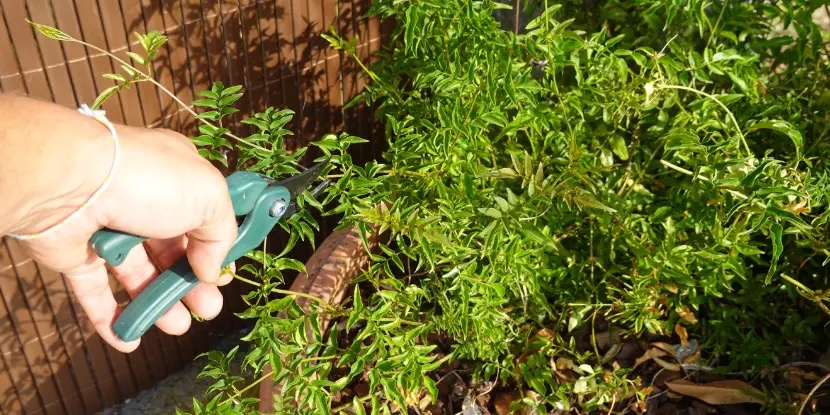
- How to Prune: Once the danger of frost has passed, trim back to just above the healthy growth. This will encourage new, healthy foliage.
For Dehydrated Plants
Pruning is less of a concern for dehydrated plants unless there are dead or dying leaves. Focus on watering and letting the plant recover naturally.
Fertilizing: Hold Your Horses!
Post-Freeze Fertilization
Avoid fertilizing frostbitten plants until the frost danger is completely gone. Fertilizing too early can stimulate new growth that will be vulnerable to further cold damage.
- When to Fertilize: Once warmer weather is consistent, a light application of balanced fertilizer can help boost recovery.
For Dehydrated Plants
If your plants are dehydrated, they may benefit from a gentle boost once they’ve rehydrated. However, always remember that over-fertilizing can burn plants, especially if they’re already stressed.
Common Mistakes to Avoid
- Pruning Too Soon: Early pruning can remove protective dead foliage and expose plants to more damage.
- Over-Fertilizing: Adding fertilizer too early or too heavily can stress plants further.
- Neglecting Watering Post-Freeze: Frozen soil can be deceptive; once thawed, it may be too dry for plant recovery.
Conclusion
Reviving dehydrated or frostbitten plants requires patience and careful attention. With these practical tips, you can help your garden bounce back from the brink. Remember, the key is to act with care—check your plants regularly, water judiciously, and hold off on pruning and fertilizing until the right time. Your garden will thank you with lush, healthy growth as the seasons change. Happy gardening!