Pruning your plants might feel like an intimidating task, but getting it right can lead to healthier, more vibrant gardens. Understanding common pruning mistakes and their effects will help ensure your plants flourish rather than falter. Let’s dive into why plants may decline after pruning and how to avoid these pitfalls.
Why Pruning Matters
Pruning isn’t just about keeping your garden tidy; it plays a crucial role in the health and growth of plants. Proper pruning can:
- Stimulate growth by removing dead or diseased branches.
- Enhance the plant’s shape and structure.
- Improve air circulation, reducing disease risk.
- Encourage more vibrant blooms or fruiting.
However, improper techniques can lead to plant stress or even decline. Let’s explore common mistakes and how to sidestep them.
Common Pruning Mistakes and How to Fix Them
1. Over-Pruning: Less is More
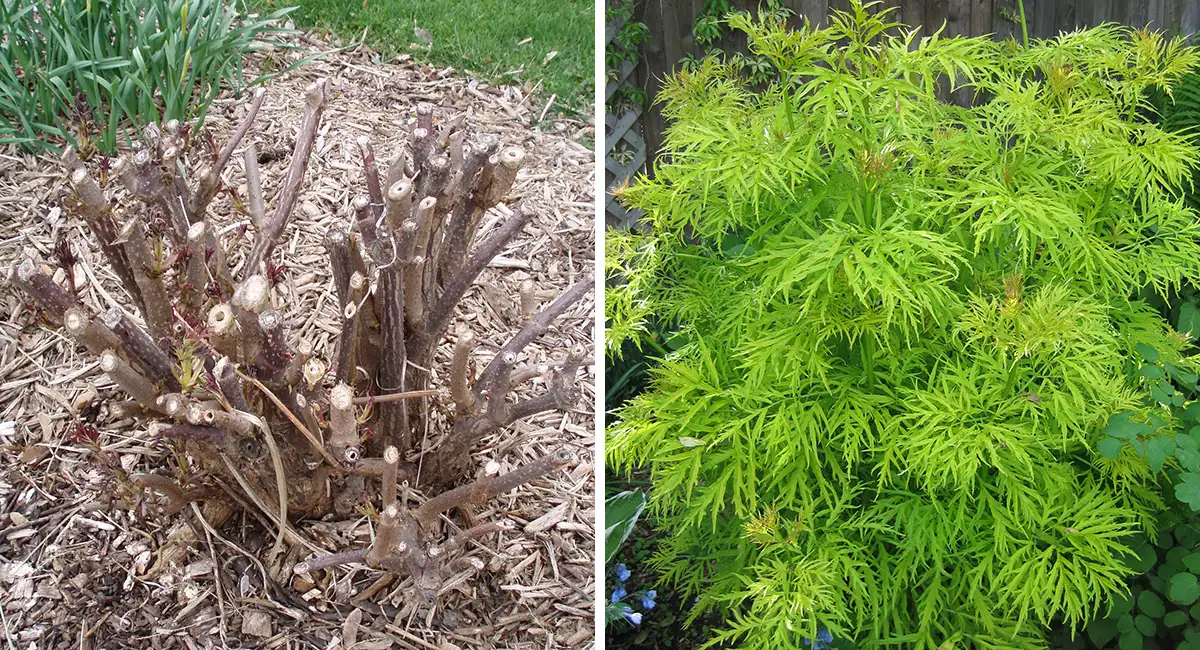
The Mistake: Removing more than one-third of a plant in a single session can shock the system, leaving it vulnerable to diseases and stunted growth.
The Solution: Limit pruning to less than one-third of the plant’s total mass. If a plant is severely overgrown, spread the pruning over several years. This gradual approach allows the plant to recover and thrive.
2. Topping Trees: A Recipe for Disaster
The Mistake: Topping, or cutting back large branches to stubs, is often mistakenly used to control height. This practice weakens the tree’s structure and invites decay.
The Solution: Instead of topping, opt for crown reduction. This technique trims branches back to lateral limbs, maintaining the tree’s natural shape. For large trees, consider consulting a certified arborist.

3. Timing is Everything: Prune at the Right Time
The Mistake: Pruning at the wrong time of year can hinder blooming and fruit production. For instance, pruning spring-flowering shrubs in early spring removes the buds that would soon bloom.
The Solution: Research the optimal pruning time for each species. As a rule of thumb, prune spring-flowering plants after they bloom and summer-flowering plants in late winter or early spring.
4. Using Blunt or Dirty Tools
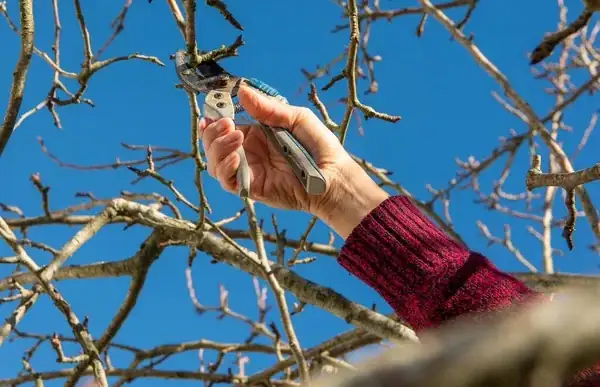
The Mistake: Blunt tools create ragged cuts that don’t heal well, while dirty tools can spread disease.
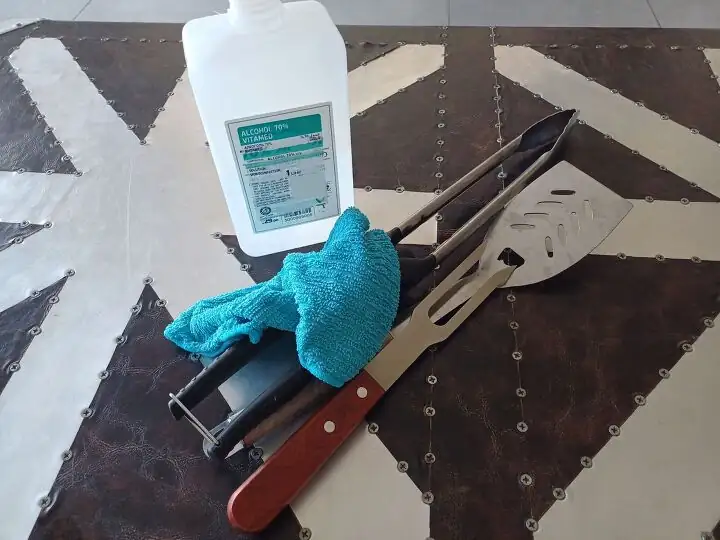
The Solution: Keep your tools sharp and clean. Sharp tools make precise cuts, while clean tools prevent disease transmission. Regularly disinfect tools with a solution of bleach and water or rubbing alcohol.
5. Flush Cuts and Stub Cuts: Precision Matters
The Mistake: A flush cut removes the branch collar, while a stub cut leaves too much of the branch. Both can lead to decay and poor healing.
The Solution: Make cuts just outside the branch collar (the swollen area where the branch meets the trunk). This promotes quicker healing and reduces the risk of disease.
Signs Your Plant is Struggling After Pruning
Sometimes, despite your best efforts, a plant may still struggle post-pruning. Look out for:
- Weak Regrowth: This could indicate stress from over-pruning or improper cuts.
- Open Wounds: Large, unhealed cuts can be entry points for pests and disease.
- Dead Stubs: Leftover branch remnants can rot and harm the plant.
Final Thoughts
Pruning doesn’t have to be daunting. With attention to timing, technique, and tools, your plants will not only survive but thrive. Remember, each plant has its own needs, so a little research goes a long way. Happy pruning, and here’s to a flourishing garden!