
Bringing the Jungle to Your Home: Propagating Monstera Deliciosa
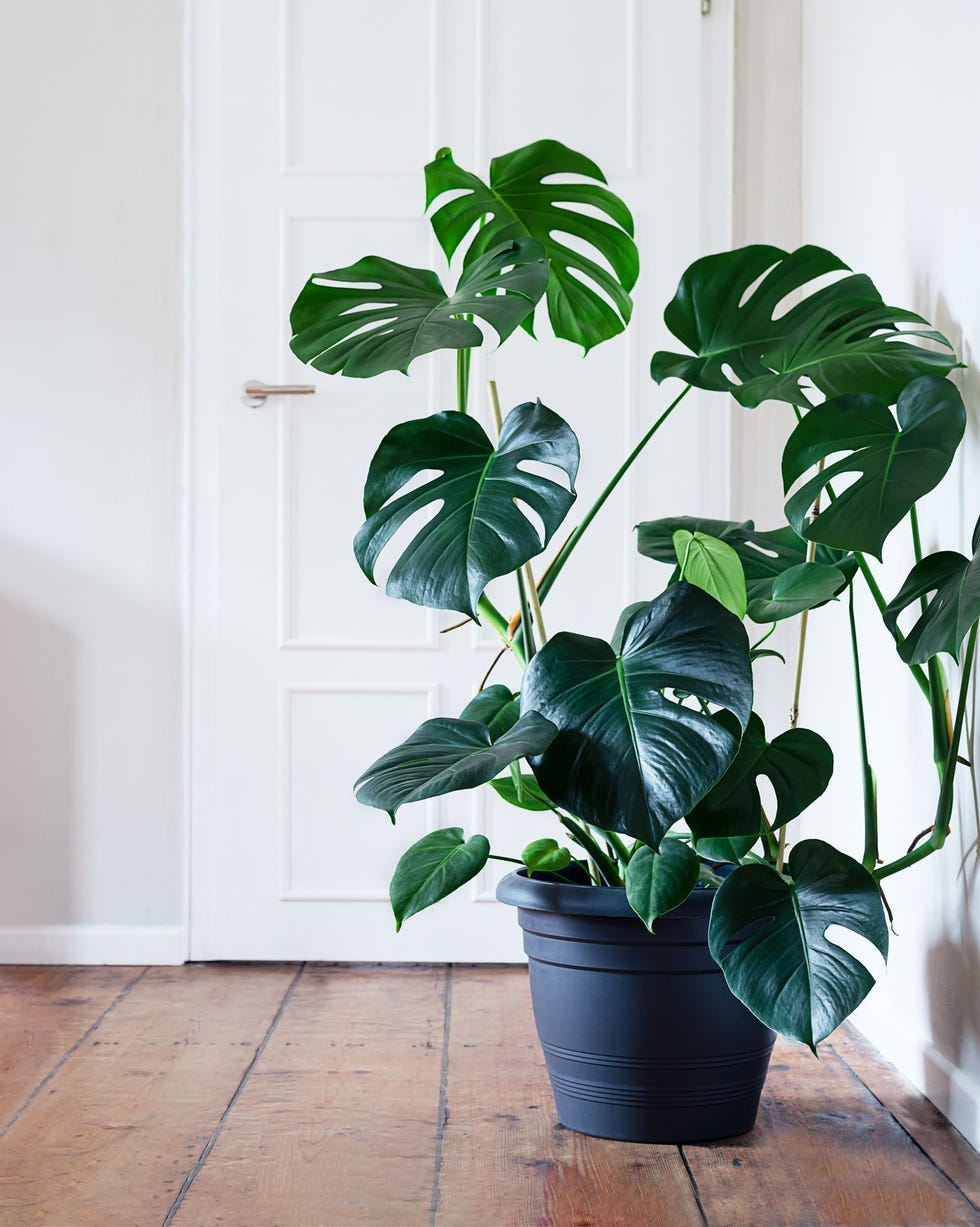
If you’ve ever dreamed of turning your living room into a lush, tropical paradise, look no further than the Monstera deliciosa, affectionately known as the Swiss Cheese Plant. With its large, glossy leaves and iconic splits, it’s no wonder this plant is a favorite among houseplant enthusiasts. And the best part? You can easily propagate it to expand your collection or share with friends. Let’s dive into the fascinating world of Monstera propagation!
Understanding the Basics
Before we get our hands dirty, it’s essential to understand a few key aspects of Monstera deliciosa. Native to the tropical rainforests from southern Mexico to Panama, this plant thrives in bright, indirect light and high humidity. Indoors, it can reach heights of 3 to 15 feet when given support, making it a dramatic focal point in any room. But what about propagation? This plant is most commonly propagated through stem cuttings and air layering, both of which can be done with ease if you follow the right steps.
When to Propagate
Timing is everything when it comes to propagation. For the Monstera deliciosa, the ideal seasons are spring and summer. During these warmer months, the plant is actively growing, which increases your chances of successful propagation. If you’ve been eyeing a particularly leggy or overgrown Monstera, now is the perfect time to prune it back and use those cuttings to grow new plants.
Propagation Techniques
Stem Cuttings
What You’ll Need:
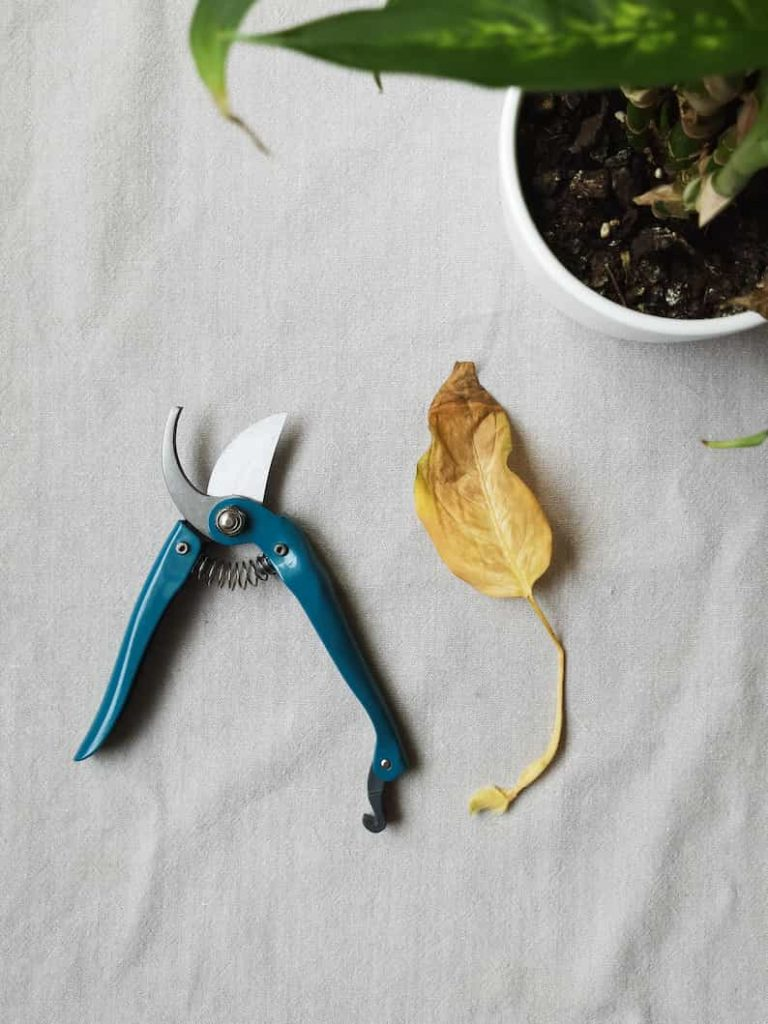
- Sharp, sterilized shears or pruners
- A container
- Well-draining potting mix or water
- Rooting hormone (optional)
Steps:
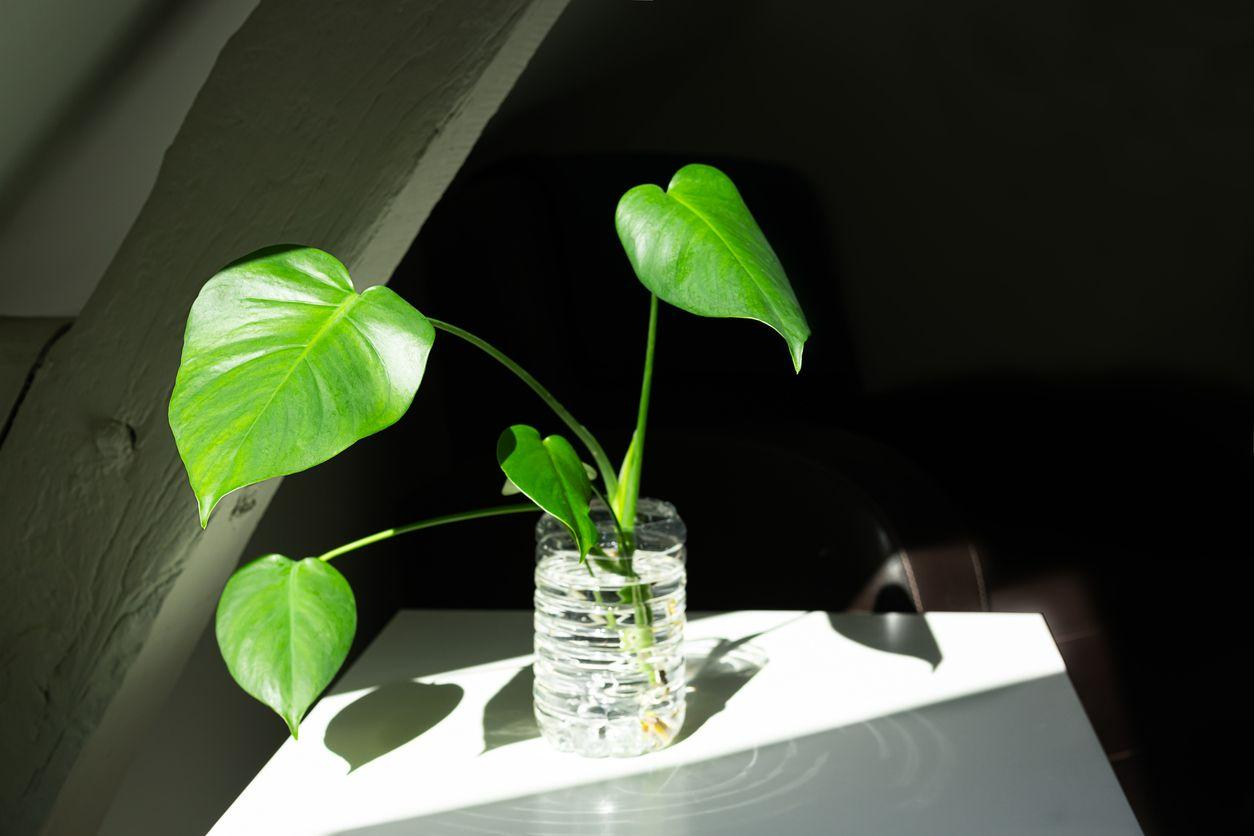
- Select a Healthy Stem: Choose a stem that includes at least one node and, ideally, an aerial root. The node is crucial as it’s the point from which new roots will grow.
- Make the Cut: Using your sterilized shears, make a clean cut just below the node. The cutting should have at least two leaves.
- Rooting: Dip the cut end in rooting hormone to stimulate faster root growth. You can then either place the cutting in water or a coarse, well-draining potting mix. If you opt for water, ensure it’s changed regularly to prevent stagnant conditions.
Air Layering
What You’ll Need:
- Sharp knife or pruners
- Sphagnum moss
- Clear plastic wrap
- Twist ties or twine
Steps:
- Prepare the Moss: Moisten the sphagnum moss and wrap it around a node on the plant’s stem.
- Secure the Moss: Cover the moss with clear plastic wrap and secure it with twist ties. This creates a humid environment that encourages root growth.
- Wait for Roots: In about a month, roots should begin to form. Once they’re visible through the plastic, you can cut the stem below the rooted section and pot it up independently.
Transplanting Your Cuttings
Once your cuttings have developed a robust root system, it’s time to transplant them. Choose a pot with good drainage and fill it with a chunky, well-draining potting mix. Gently place the cutting in the soil, ensuring not to damage the delicate new roots, and water it lightly.
Common Questions and Tips
- Why do my cuttings not root? Ensure that each cutting has a node; without it, roots cannot form.
- Can I propagate in winter? It’s possible, but growth will be slower as the plant’s metabolism decreases.
- What about variegated Monsteras? These can also be propagated using the same methods, but they generally require brighter indirect light to maintain their variegation.
The Joy of More Monsteras
Propagating Monstera deliciosa not only allows you to multiply your plant collection but also provides a rewarding experience as you watch new life take shape from a single cutting. With patience and a little care, your home can soon resemble a tropical oasis, filled with the splendor of the Swiss Cheese Plant. So go ahead, take that snip, and watch your jungle grow!