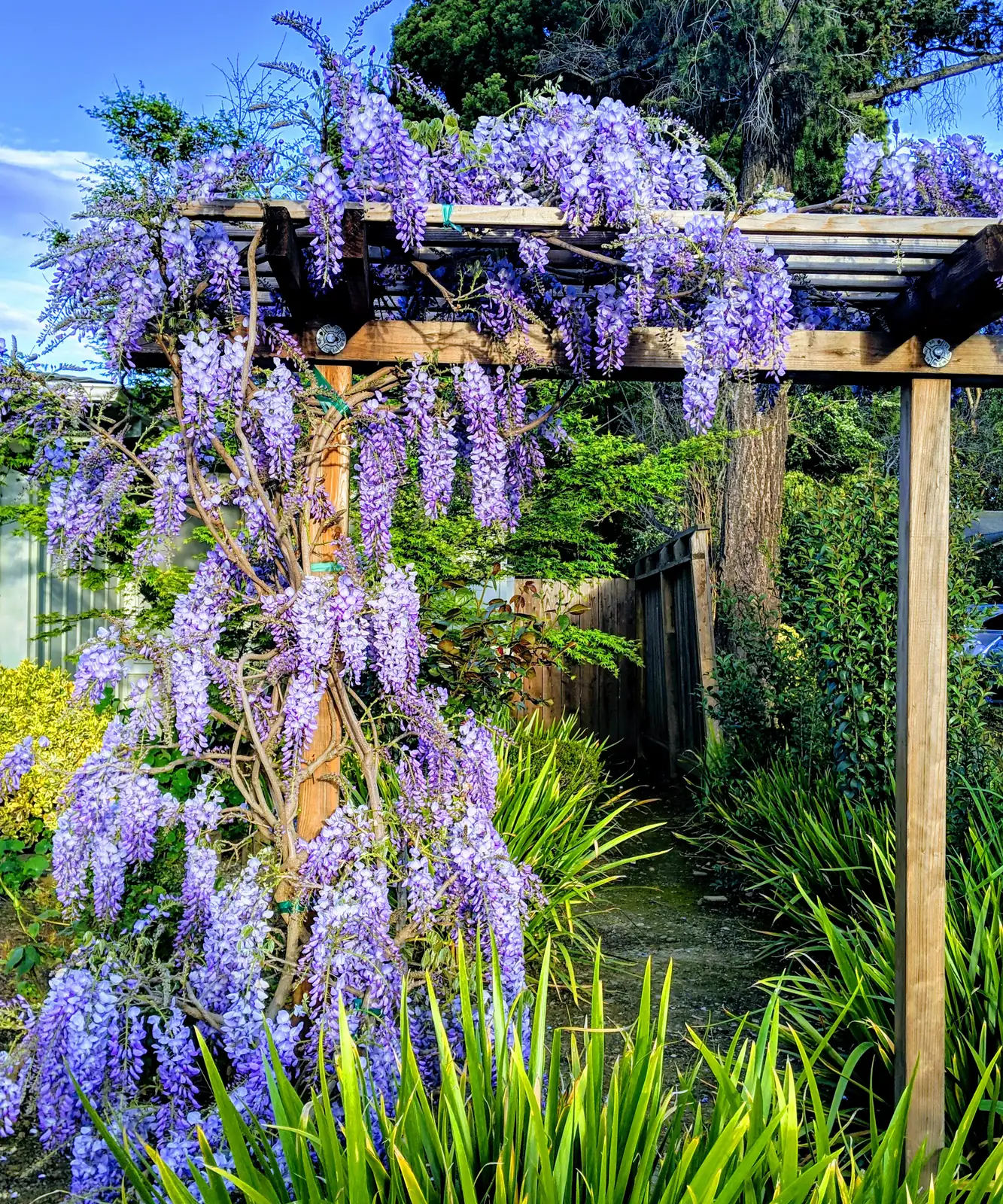
Are you ready to dive into the delightful world of wisteria propagation? Whether you’re a seasoned gardener or a curious beginner, there’s a certain magic in cultivating your own thriving Wisteria sinensis vines. With its enchanting cascades of purple blooms and intoxicating fragrance, wisteria can transform any garden into a dreamy haven. Let’s roll up our sleeves and explore how you can propagate this botanical wonder using various techniques, ensuring that your garden bursts into life with wisteria’s vibrant colors and aromas.
Understanding the Charm of Wisteria
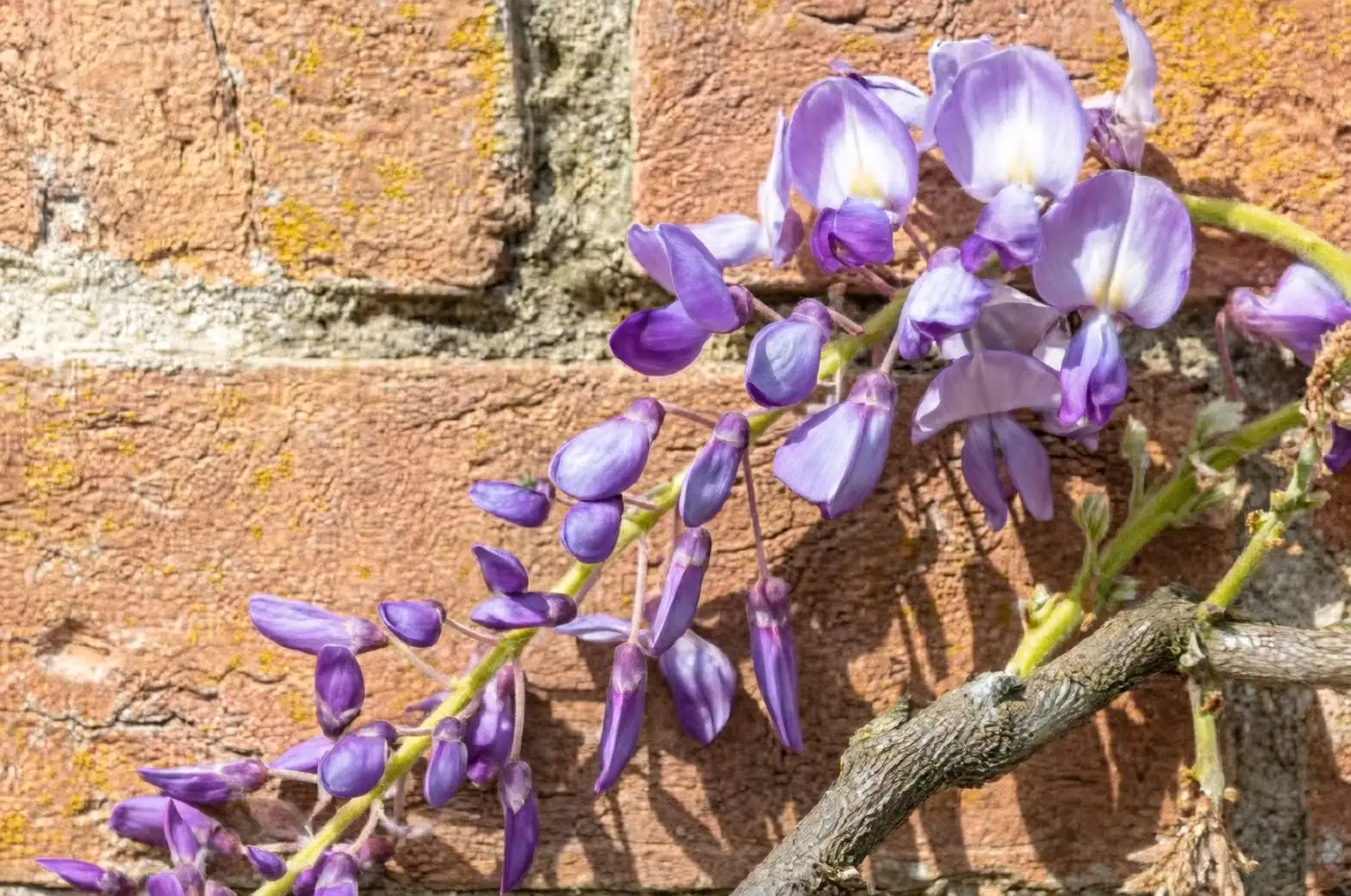
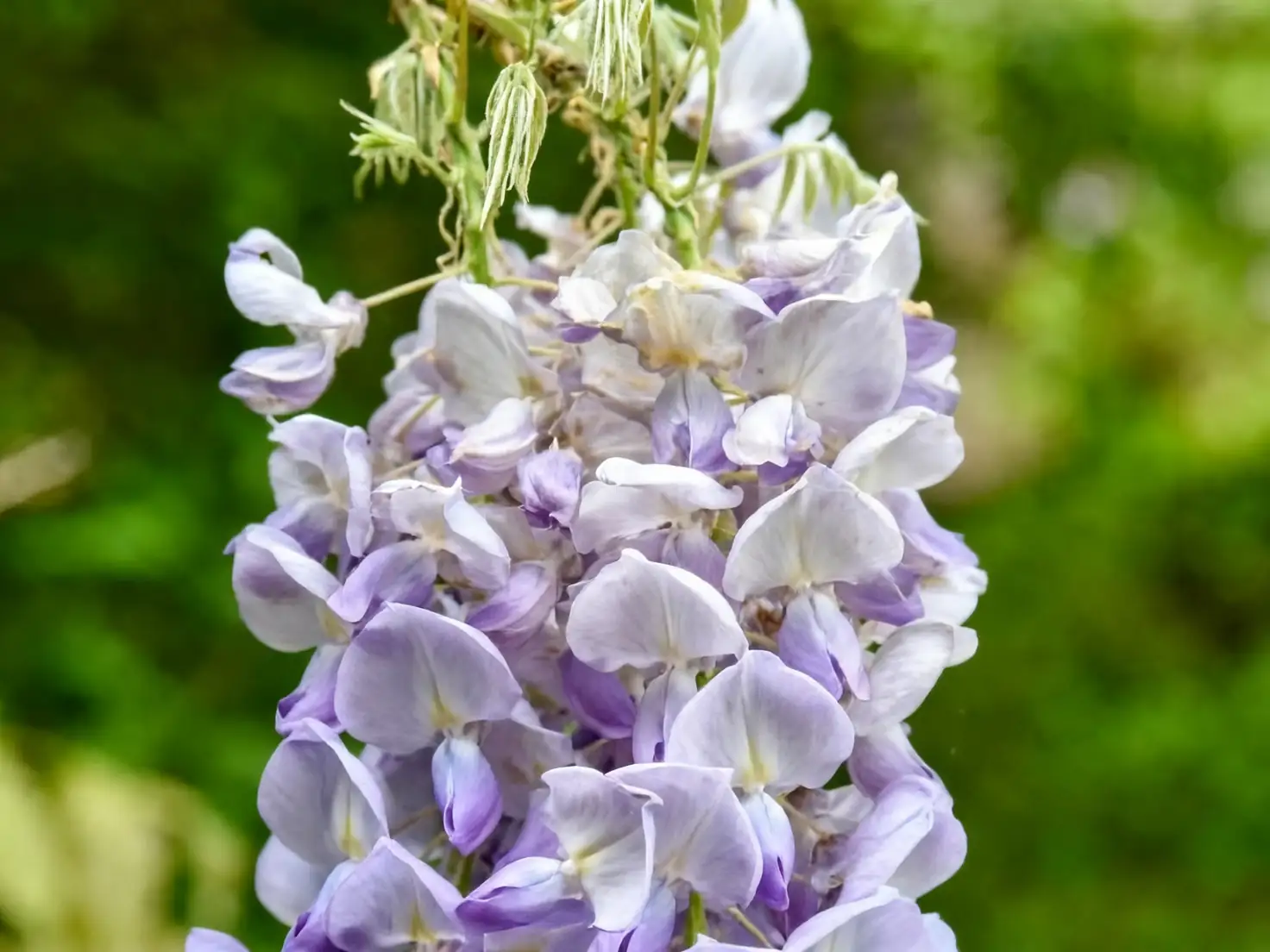
Native to China and belonging to the Fabaceae family, Wisteria sinensis, or Chinese wisteria, is a vigorous and long-lived climber. Its pendulous clusters of pea-like flowers, predominantly in shades of bluish-purple, are a springtime spectacle that adds a romantic touch to any landscape. While this vine can grow to impressive lengths of 3 to 9 meters (10 to 30 feet) and develop woody stems reminiscent of small tree trunks, wisteria is as much about patience as it is beauty. Once established, it rewards diligent gardeners with stunning displays that can last generations.
Propagation Techniques: From Seeds to Grafting
Seeds: A Slow but Rewarding Journey
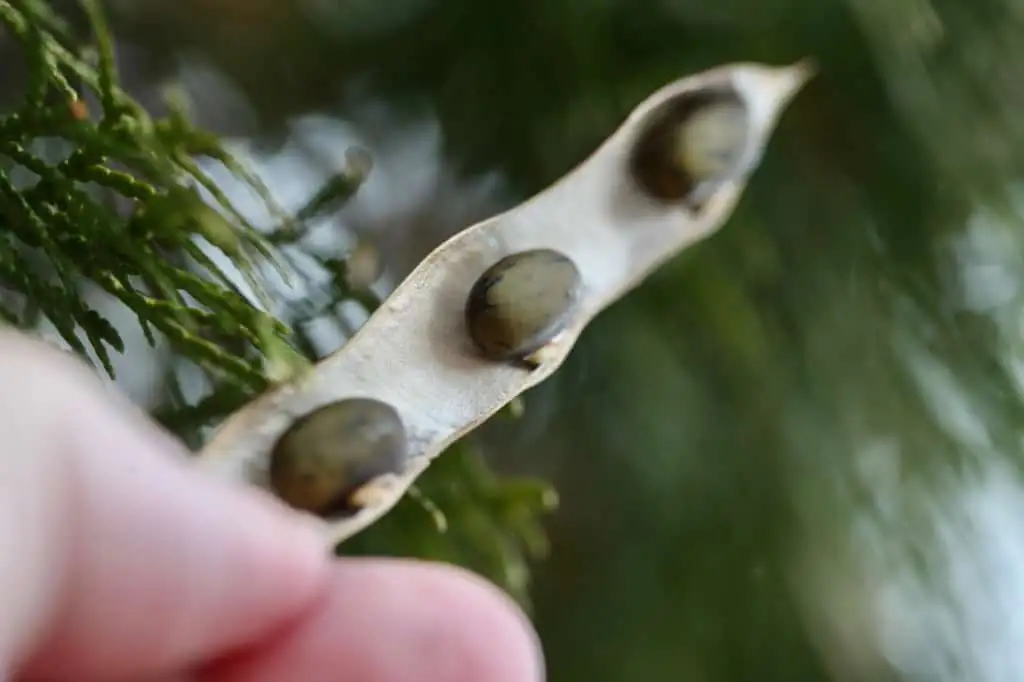
Propagating wisteria from seeds is akin to embarking on a long-term adventure. While this method is the least expensive, it demands patience, as seed-grown wisteria can take over a decade to bloom. Collect seeds in the fall, soak them overnight, or gently nick them to enhance moisture absorption. Plant these seeds 1 inch deep in well-draining potting soil. Though the germination process takes about two weeks, the wait for blooms requires a gardener’s resilience and a love for the journey rather than just the destination.
Cuttings: Quick and Efficient
For those eager to enjoy wisteria blooms sooner, propagation by cuttings is a fantastic option. In early summer, take softwood cuttings about 10 to 15 centimeters (4 to 6 inches) long. Dip the ends in rooting hormone and plant them in a mixture of peat moss, sand, or vermiculite. Keeping the medium moist and covering the cuttings with a clear plastic bag can help create a mini-greenhouse effect, promoting root development. New growth indicates success, with blooms possible in just two to three years.
Layering: Nature’s Subtle Touch
Layering is a method that mimics natural rooting processes, where a flexible stem is buried to encourage root formation. This technique is straightforward and often successful. Simply bend a low-growing branch to the ground, cover it with soil, and secure it with a stone or pin. Within a few months, roots will develop, allowing you to sever the new plant from the parent and transplant it to its new home.
Grafting: Precision Meets Passion
Grafting involves joining a wisteria cultivar with a seedling rootstock, creating a plant that benefits from the best traits of both. This method, often undertaken in winter, requires a careful hand to ensure a healthy graft union. Grafting is a common practice in nurseries and provides a faster route to flowering compared to seed propagation.
Cultivation and Care: Nurturing Your Wisteria
Once you’ve propagated your wisteria, creating the right conditions is key to its success. Full sun is essential for prolific flowering, so aim for at least six hours of direct sunlight each day. Wisteria is hardy in USDA Zones 5–9 and prefers well-drained, slightly acidic to neutral soil. Regular watering during the first year helps establish a robust root system, while pruning twice a year encourages more blooms and manageable growth.
The Language of Wisteria: More Than Just a Plant
Wisteria carries profound symbolism, often associated with enduring love and the longing that spans generations. In Japanese culture, it represents honor and is celebrated in traditional festivals. Its twisting vines and tenacious blooms are metaphors for resilience and the beauty of life’s journey.
Conclusion: Your Garden, Your Masterpiece
Propagating wisteria is not just about adding a plant to your garden—it’s about embracing a legacy that can be passed down through generations. By mastering these propagation techniques, you not only enhance your gardening expertise but also contribute to the timeless allure of this magnificent vine. So, grab your gardening tools, and let your wisteria adventure begin, transforming your garden into a living testament to beauty and perseverance.