If you’re a fan of indoor plants that double as stylish decor, you likely own—or have at least admired—the Fiddle Leaf Fig, scientifically known as Ficus lyrata. With its large, glossy, violin-shaped leaves that can transform any room into a lush, green oasis, it’s no wonder this plant has captured the hearts of many. But what if you could have more than one of these architectural wonders without splurging at the nursery? Propagation is the key, and it’s easier than you might think. Whether you’re a seasoned plant parent or a curious newbie, this step-by-step guide will walk you through the art of multiplying your Fiddle Leaf Fig collection using stem cuttings and air-layering.
The Basics of Fiddle Leaf Fig Propagation
Why Propagate Your Fiddle Leaf Fig?
Before we dive into the how-tos, let’s talk about the whys. Propagation is not just a fun and rewarding hobby. It’s a sustainable way to expand your plant family, share the green love with friends, or even create a little indoor jungle. Plus, it’s a great learning experience that deepens your understanding of plant biology.
When to Propagate
Timing is everything. The best time to propagate your Fiddle Leaf Fig is during its active growing season in spring and early summer. During this period, the plant is naturally focused on producing new growth, which increases the likelihood of successful propagation.
Propagation Method 1: Stem Cuttings
Step 1: Gather Your Tools
You’ll need a few basic supplies:
- A sharp, clean pair of pruning shears or a knife
- Rooting hormone (optional, but can boost success rates)
- A pot with drainage holes
- A propagation mix (a blend of perlite and peat moss works well)
Step 2: Select and Cut
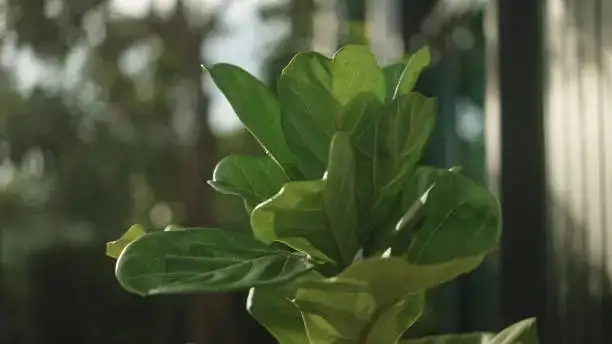
Find a healthy, mature Fiddle Leaf Fig and locate a stem that has at least two to three leaves and several nodes. Nodes are the little bumps on the stem where leaves and roots grow. Cut just below a node to ensure your cutting has the potential for new roots.
Step 3: Prepare the Cutting
Remove the lower leaves from your cutting, leaving one or two at the top. If you’re using rooting hormone, dip the cut end of the stem into the powder to encourage root development.
Step 4: Plant the Cutting
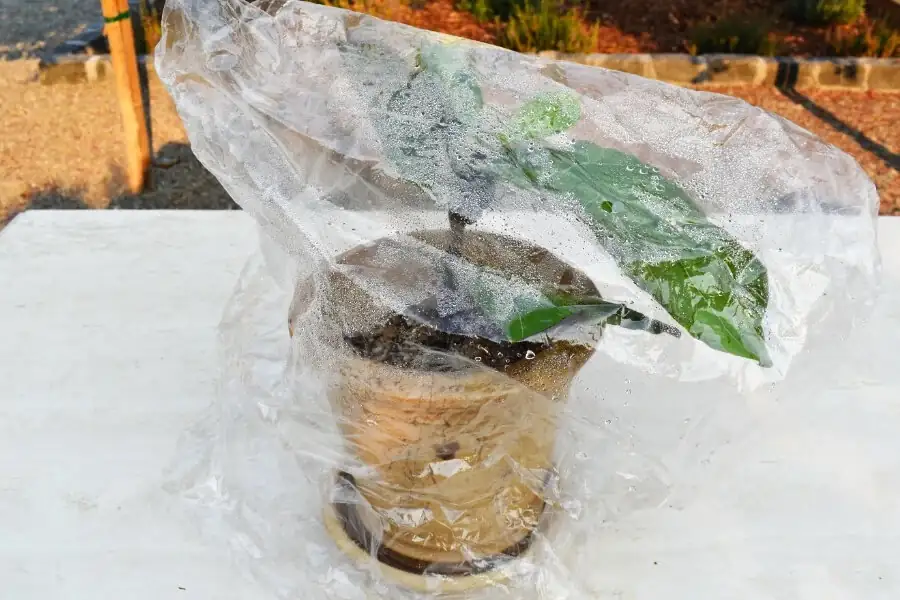
Plant your cutting in the propagation mix, making sure at least one node is buried. Water lightly and place the pot in a spot with bright, indirect light. Maintain high humidity around the cutting by covering it with a plastic bag or using a humidity dome.
Step 5: Wait and Watch
Roots typically begin to form in two to three weeks. Keep the soil slightly moist but not waterlogged. Once you see roots about 2.5 to 5 cm (1 to 2 inches) long, it’s time to transplant your new plant into a regular potting mix.
Propagation Method 2: Air-Layering
Step 1: Choose Your Branch
For larger Fiddle Leaf Figs, air-layering is an excellent method. Select a healthy branch and about 30 cm (12 inches) from the tip, remove a ring of bark about 2.5 cm (1 inch) wide.
Step 2: Encourage Rooting
Wrap the exposed area with moist sphagnum moss, then cover it with plastic wrap to hold the moisture in place. Secure both ends with ties.

Step 3: Monitor and Transplant
After a few weeks, roots should begin to appear within the moss. Once the roots are visible and substantial, cut below the rooted area and plant your new fig in a pot with well-draining soil.
Troubleshooting and Tips
- Humidity and Light: Fiddle Leaf Figs thrive in bright, indirect light, and maintaining high humidity during propagation is crucial. If the leaves start to brown, it might be too dry.
- Root Rot Prevention: Ensure your soil mix drains well to prevent waterlogging, which can lead to root rot.
- Patience is Key: Propagation is an exercise in patience. It may take a little time for your cuttings to root, but the reward of growing a new plant from scratch is worth it!
A Living Testament to Growth
Propagation isn’t just about creating more plants; it’s about nurturing life and watching it flourish. As these iconic Fiddle Leaf Figs symbolize abundance and growth, you’ll not only enhance your living space but also cultivate a deeper connection with nature. So, roll up your sleeves, gather your tools, and get ready to double—or triple—your fiddle leaf joy!