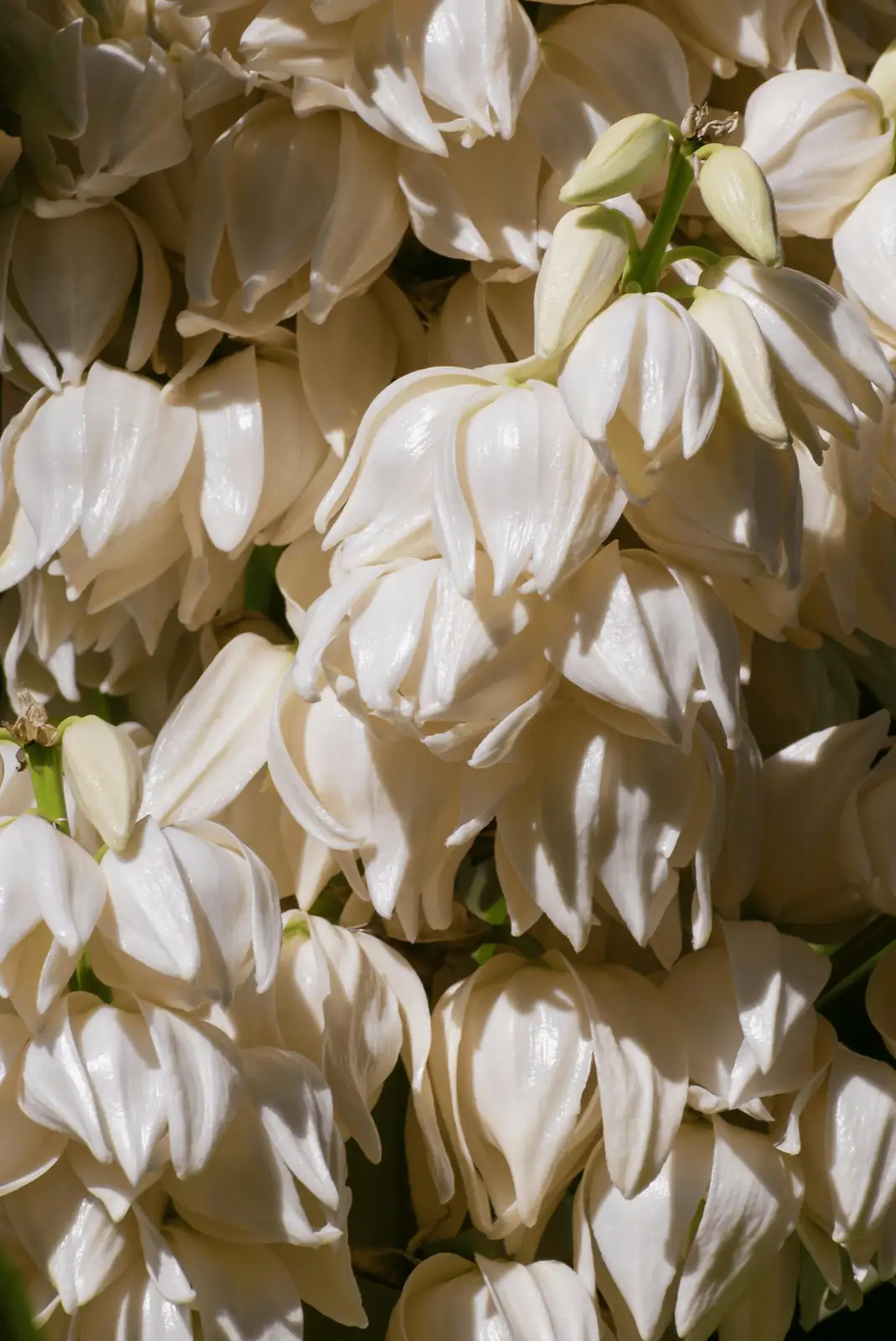
Imagine strolling through a garden where the sun bathes every leaf in golden light, and the air is perfumed with the gentle fragrance of creamy-white blooms. Among these sunlit treasures, Yucca filamentosa, affectionately known as Adam’s Needle, stands as a testament to resilience and beauty. This standout plant, with its bold architectural form and iconic curly filaments, is a delightful addition to any garden. Yet, the true magic of Adam’s Needle lies not just in its beauty, but in the art of propagating it, allowing plant enthusiasts to share and multiply its splendor. Let’s delve into the fascinating world of Yucca filamentosa propagation, exploring division, offsets, and seed starting.
Propagation Techniques for Yucca filamentosa
Division: The Art of Multiplication
If you’ve ever wished you could have more of these striking plants, division is your go-to method. Adam’s Needle naturally forms clumps of rosettes, making it a prime candidate for this propagation technique. Here’s how you can do it:
- Timing: Ideally, divide in spring or fall when the plant is not in active bloom. This gives the divisions time to recover and establish before extreme temperatures set in.
- Process: Carefully dig around the plant to expose the rhizomes. Using a clean, sharp knife, separate a section of the rhizome ensuring each piece has roots attached. This can be a bit like performing a delicate operation—precision counts!
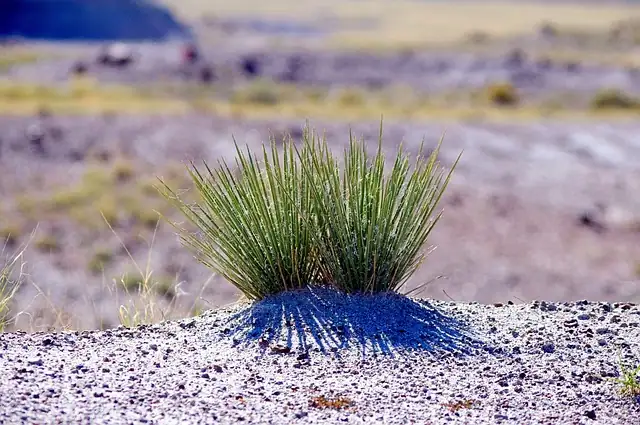
- Planting: Replant the divisions in well-draining soil, giving them the same care as the parent plant. Ensure they receive full sun and ample space to spread their spiky leaves.
Offsets (Pups): Nature’s Gift to Gardeners
Offsets, or pups, are nature’s way of saying, “Here’s a ready-made plant!” These little clones appear around the base of the mature plant and can be separated and potted up with ease.
- When and How: Wait until the offsets are at least 6 inches tall. Gently pry them away from the mother plant, ensuring some roots come along for the ride.
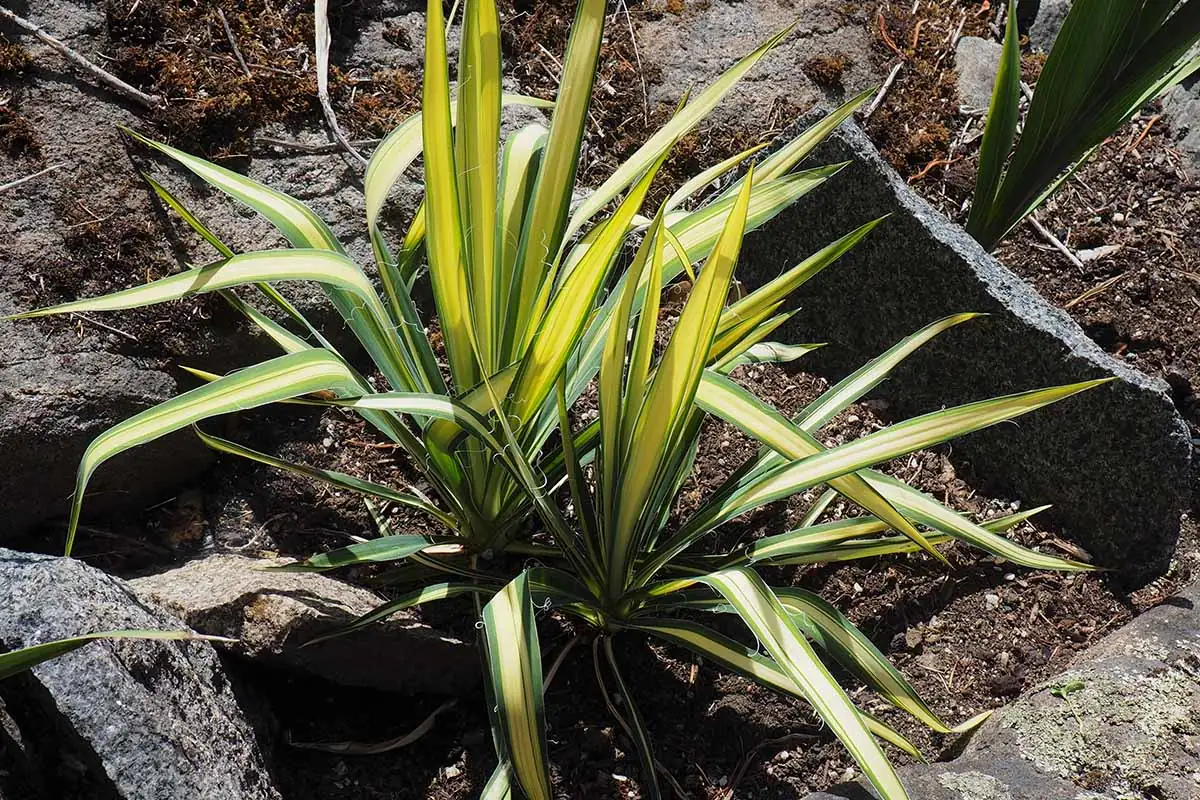
- Planting: Pot the offsets in a sandy, well-drained mix. Keep them on the dry side initially—these young yuccas need time to settle in and develop a robust root system.
Seed Starting: Patience is a Virtue
For those who enjoy watching life unfold from the very start, starting Adam’s Needle from seed is a rewarding, albeit slower, adventure.
- Seed Collection: Collect seeds in autumn before the capsules open. These tiny treasures hold the potential for future generations of beauty.
- Preparation: Seeds benefit from a little TLC. Soak them in warm water overnight to kickstart germination.
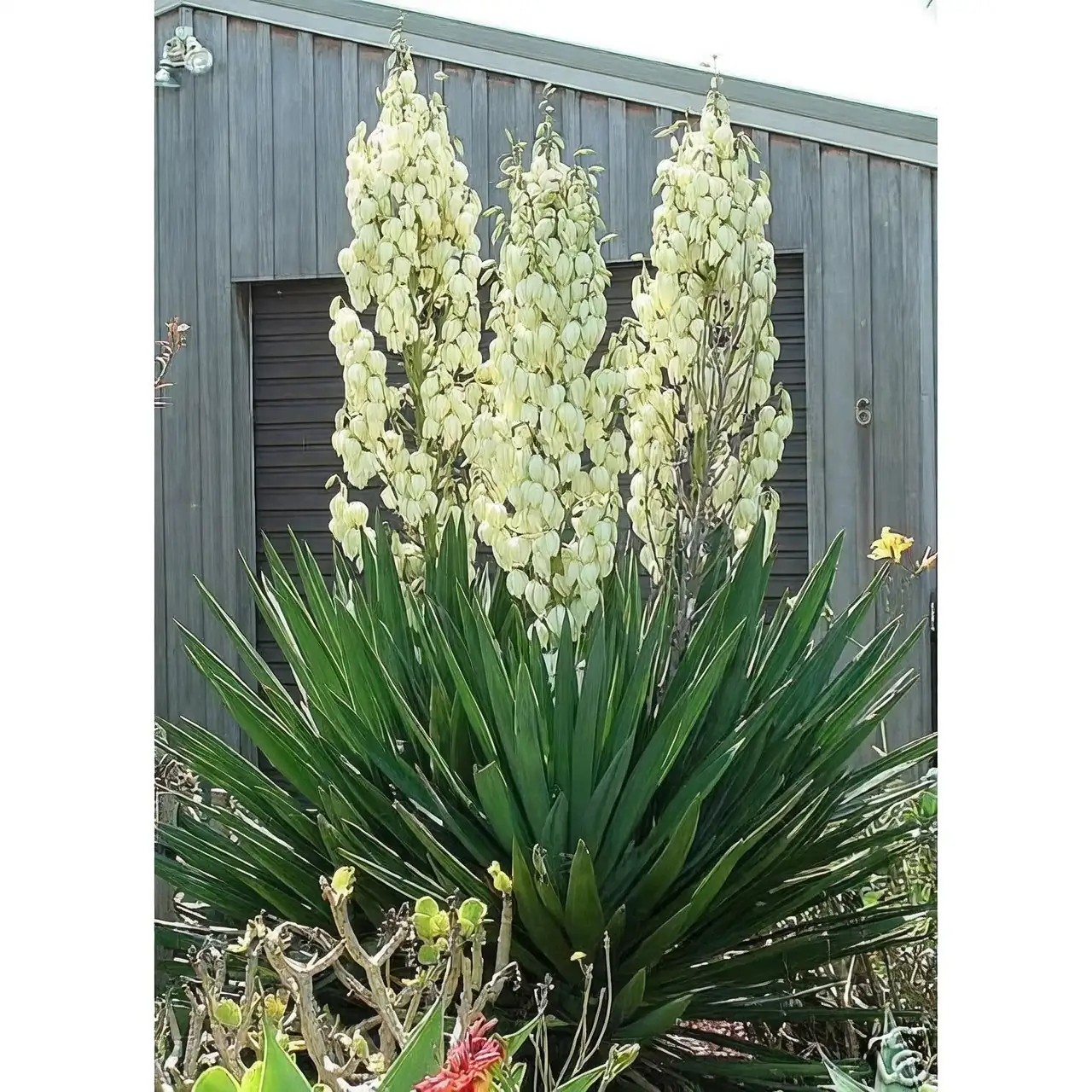
- Germination: Sow the seeds in summer using a well-draining mix. Keep the temperature between 82-90°F (28-32°C) to encourage sprouting. Patience is key here, as germination can take a few weeks.
Care Tips for Young Plants
Once you’ve successfully propagated your Yucca filamentosa, the key to flourishing plants lies in proper care:
- Sunlight: Ensure they bask in full sun for robust growth and flowering.
- Watering: Adopt a “less is more” approach. Water deeply but infrequently, allowing the soil to dry out between sessions.
- Soil: Use well-draining, gritty soil to prevent root rot—a common pitfall for succulent lovers.
The Symbolism of Yucca filamentosa
Beyond its physical attributes, Adam’s Needle embodies resilience and fresh starts. Its ability to thrive where others may falter speaks to its symbolic representation of protection and endurance. In the language of flowers, it’s a reminder that even in harsh conditions, beauty and strength can coexist.
A Living Legacy
Whether you’re captivated by the promise of new plants through division, the nurturing of offsets, or the patient waiting of seed starting, Yucca filamentosa offers a rewarding journey. Its propagation techniques not only multiply the plant but also enhance your connection to the natural world. So, grab your gardening gloves, and let’s nurture a legacy of beauty and resilience in our gardens.