A Gardener’s Guide to Propagating Sweet Osmanthus
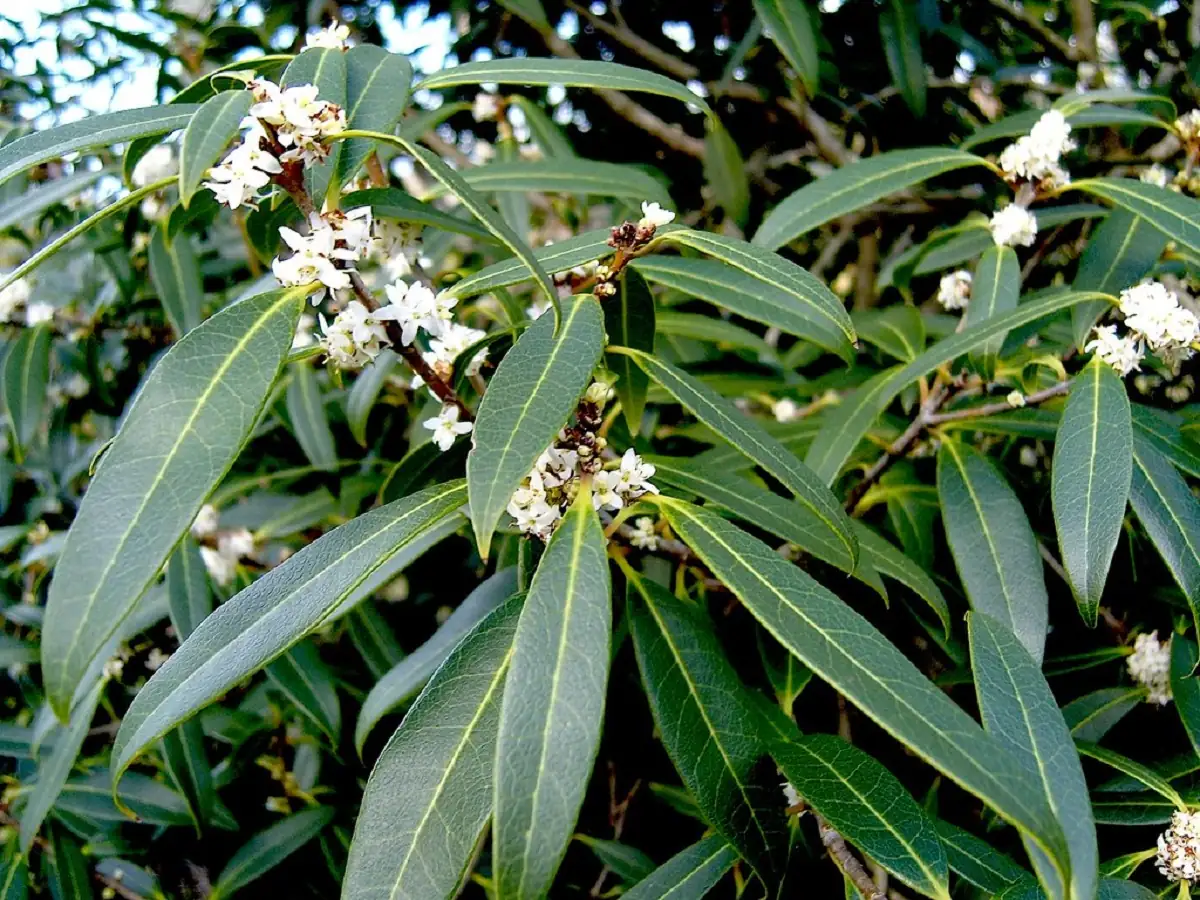
Imagine walking through your garden on a crisp autumn morning, enveloped by a cloud of sweet, sugary perfume. This delightful scent comes from Sweet Osmanthus (Osmanthus fragrans), a beloved evergreen shrub or small tree. Known as the Fragrant Olive, this plant is not only a joy to behold but a gardener’s delight with its versatility and robust aroma. If you’re a plant enthusiast looking to expand your garden, propagating this plant can be a fulfilling endeavor. Let’s dive into the various propagation techniques to ensure your Sweet Osmanthus thrives.
Seeds: The Patient Gardener’s Path
Growing Sweet Osmanthus from seeds is an exercise in patience and reward:
- Sowing Time: Sow fresh seeds in late spring. If you’re storing them, keep them in moist sand and plant them the following spring.
- Germination: Expect germination in about 3–4 weeks. However, be aware that plants grown from seeds can take many years to bloom. It’s a long-term investment, but one that can be truly rewarding as you watch your saplings mature over time.

Cuttings: The Shortcut to Success
For those who prefer a quicker route to a blooming garden, cuttings are a reliable option:
- Semi-ripe Cuttings: Take semi-ripe cuttings in early summer. These should be from the current year’s growth but not fully mature.
- Rooting Process: Rooting typically takes about 8–12 weeks. Using a rooting hormone like 100 mg/L of NAA (Naphthaleneacetic acid) can significantly increase rooting success rates. For instance, softwood cuttings treated with NAA have shown higher rooting percentages compared to untreated ones.
- Care: Ensure the cuttings are kept in a humid environment with good airflow to prevent rot.
Layering: Nature’s Own Method
Layering is a technique that mimics how some plants naturally propagate:
- Timing: Begin in spring by pegging down 1–2-year-old branches into a shallow trench, keeping the tip exposed.
- Separation: By the following spring, roots should have formed, allowing you to separate the new plant and pot it up. This method is particularly effective for ensuring the new plant inherits the characteristics of its parent.

Grafting: Precision and Technique
Grafting is for those with a bit of experience and a desire to propagate specific traits rapidly:
- Timing: Conduct grafting in March or April.
- Method: Side or veneer grafting is common, and using privet (Ligustrum) as a rootstock is a popular choice for reliable flowering.
- Precision: Ensure you have a sharp grafting knife and clean cuts for the best chance of success.
Nurturing Your New Osmanthus
Once your new Osmanthus is established, there are a few key care tips to ensure its continued health and vibrancy:
- Light and Temperature: These plants thrive in full sun to partial shade, with bright light being essential for good flowering. Ensure temperatures remain in the sweet spot of 18–28°C (64–82°F) for optimal growth.
- Watering: During active growth, keep the soil evenly moist. However, reduce watering as the plant comes into bloom to encourage flower production without oversaturating the roots.
- Fertilization: For container plants, a monthly feed during growth and flowering is advised. In-ground plants benefit from fertilization twice a year.
Conclusion
Sweet Osmanthus is more than just a plant; it’s a piece of living art that adds elegance and a delightful fragrance to any garden. Whether you choose seeds for a long-term project, cuttings for a quicker yield, layering for natural growth, or grafting for precision, each method offers its unique rewards. So grab your gardening tools and let the sweet scent of Osmanthus fill your garden and your heart with joy! Happy gardening!