
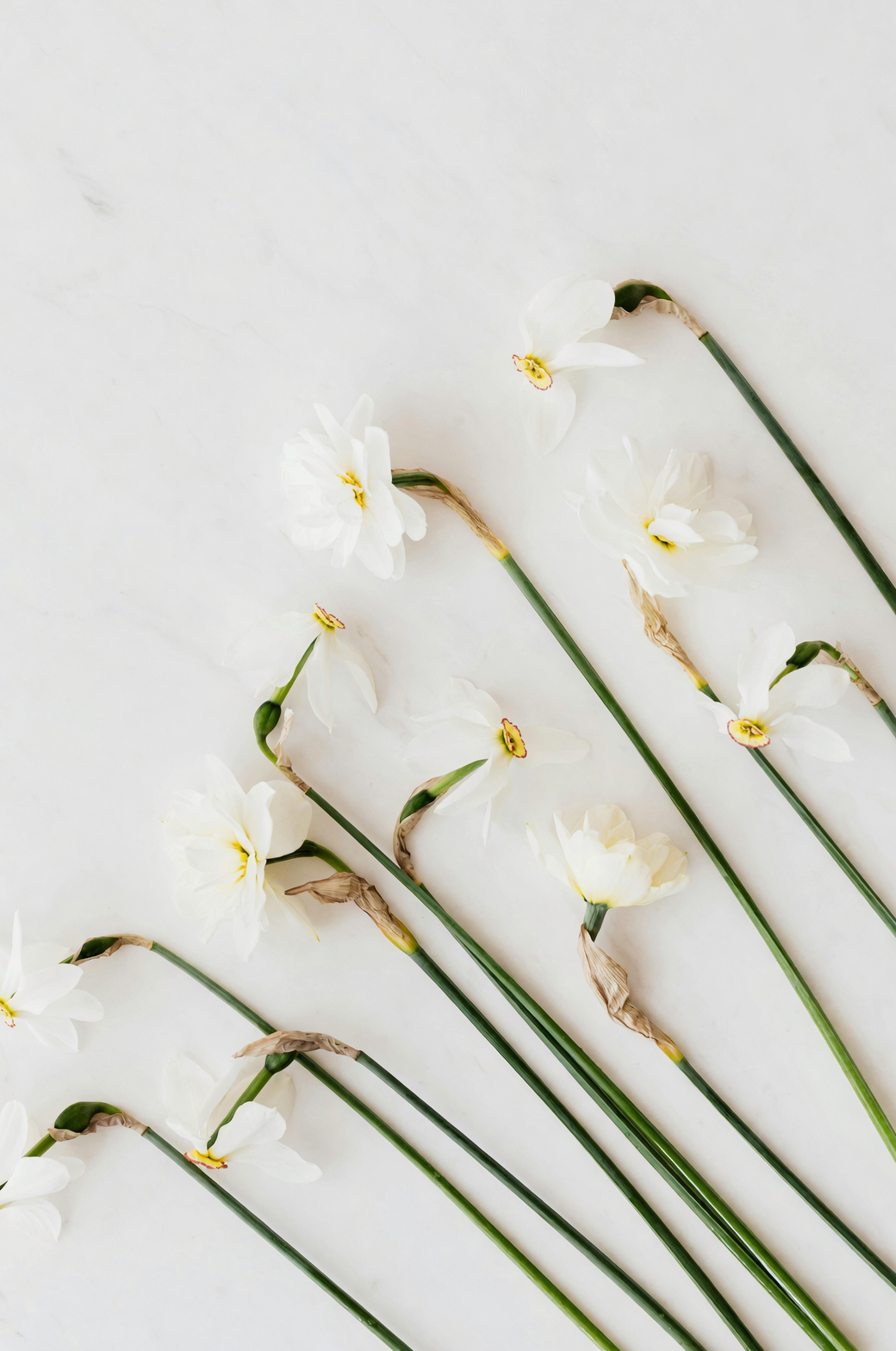
Fragrant, snow-white clusters in midwinter—Narcissus tazetta, the beloved “paperwhite,” is the little burst of spring many of us set on a windowsill or holiday table. It’s easy to force in pebbles and water, looks elegant in a bowl, and fills a room with perfume. It’s also toxic to pets and people—especially the bulbs. With a few smart moves, you can enjoy every bloom while keeping your household safe.
Meet paperwhite narcissus (Narcissus tazetta): the charmer you’re bringing home
- What it is: A bulb-forming member of the Amaryllidaceae (the amaryllis/daffodil family—not a true lily), native to the Mediterranean and widely celebrated in East Asia as 水仙 for winter and Lunar New Year displays.
- Why we love it: Strong, sweet fragrance; quick indoor bloom (often 4–6 weeks after starting); graceful, starry white flowers in clusters.
- How it’s grown indoors: Set firm bulbs on clean pebbles with just enough water to touch the roots (not the bulb). Bright light and cool air keep stems sturdy and blooms long-lasting.
Toxicity at a glance
All parts are toxic, with the highest concentration in the bulbs.
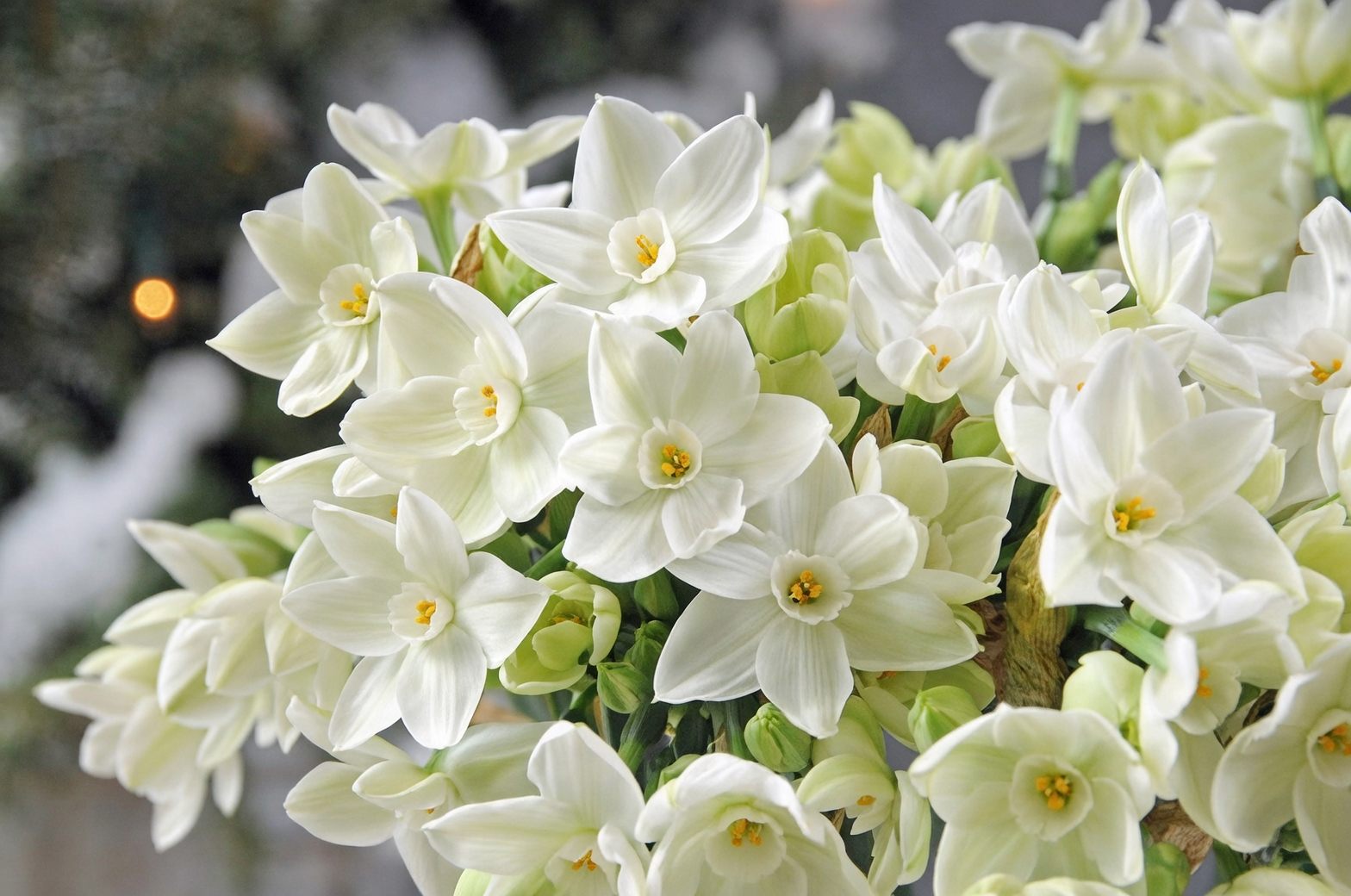
- Primary culprits: Alkaloids (notably lycorine) and calcium oxalate. These can irritate the mouth and gut and trigger vomiting.
- Who’s at risk: Cats, dogs, and people—especially curious toddlers. Keep bulbs and plant water out of reach.
Common signs after chewing or ingestion
- Pets and people: Drooling, nausea, vomiting, diarrhea, abdominal pain.
- If larger amounts are eaten (especially the bulb): Weakness, lethargy, and in serious cases, abnormal heart rhythms or breathing difficulties. These are emergencies—seek care promptly.
Tip: The sap can irritate sensitive skin (“daffodil itch”). If you react easily, wear gloves when planting, trimming, or carving bulbs and wash hands after handling.
Smart placement: enjoy the scent, not the risk
Think like a toddler or a cat: What’s wobbly? What’s shiny? What’s reachable?
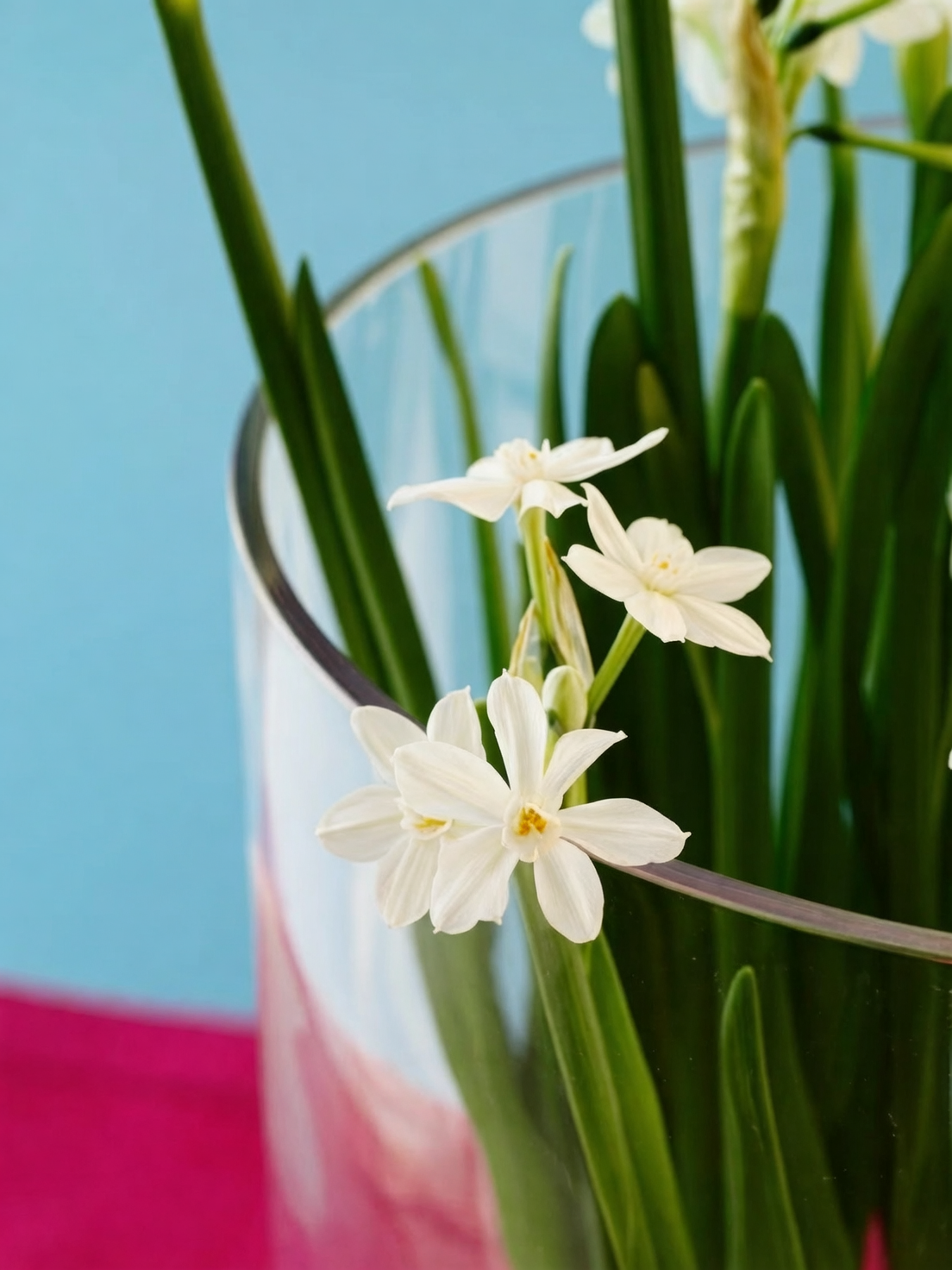
- Elevate and enclose
- Place arrangements in a bright, cool room with a door you can close—home office, guest room, or sunroom.
- Use a tall glass hurricane, cloche, or a cabinet with glass doors to display while blocking little hands and noses.
- Make the water off-limits
- Paperwhites grown in pebbles sit over shallow water. Keep the bulb’s base above the waterline and cover exposed water with a tight layer of stones. Pets should not drink this water; it can contain irritating sap.
- Choose “tip-proof” containers
- Low, wide bowls or heavy planters are safer than narrow vases. Add decorative gravel for weight.
- Rethink table placement
- Gorgeous centerpieces belong in the middle of a large dining table, not on low coffee tables or window ledges where pets patrol or toddlers climb.
- Outdoors (mild climates)
- If planting tazetta-type bulbs in the garden, avoid high-traffic pet areas and children’s play zones. Bury deeply and consider bulb cages if your dog loves to dig.
Child‑safe centerpieces: a quick setup plan
- Use a broad, stable dish or a weighted ceramic planter.
- Seat bulbs firmly in rinsed pebbles; keep water just at or slightly below the basal plate—roots in, bulb out.
- Slip the whole arrangement inside a clear cylinder vase or cloche during gatherings.
- Place on a sturdy surface centered away from table edges and away from serving platters.
- After meals or parties, move arrangements back to a closed, cool room.
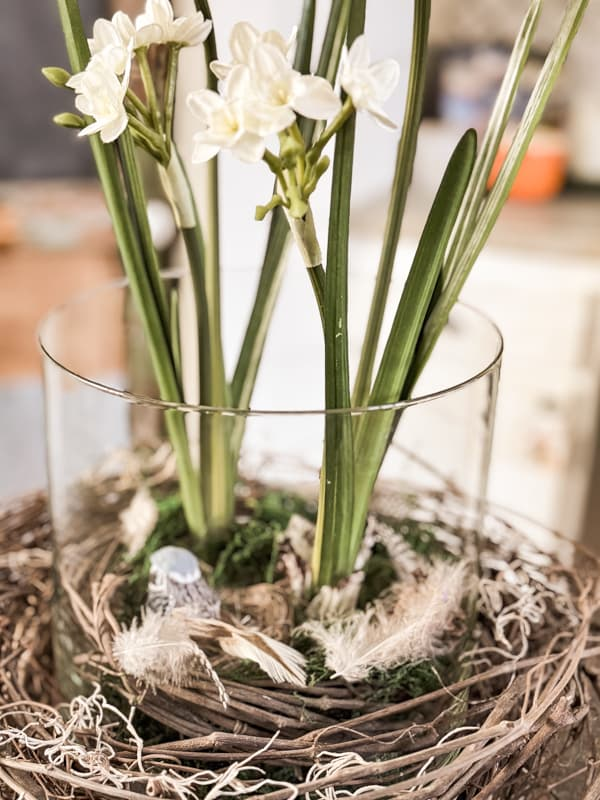
Handling hygiene: gloves, sap, and sensitive skin
- Wear nitrile or latex gloves if you’re prone to dermatitis, especially when carving/training bulbs (a traditional practice in East Asia) or deadheading.
- Wipe sap drips and rinse tools right away; avoid touching your eyes.
- Wash hands and forearms with soap and water after handling; launder sleeves if sap contacts clothing.
- Florist tip: If you cut stems for mixed bouquets, “condition” daffodil stems in clean water for a few hours first. Fresh sap can shorten the life of other cut flowers.
First‑step actions if something goes wrong
If a child or adult nibbles a leaf, flower, or bulb
- Remove any plant material from the mouth; rinse with water.
- Offer small sips of water. Do not induce vomiting.
- Call your local medical provider or the Poison Control helpline (U.S.): 1‑800‑222‑1222.
- Seek urgent care if there’s ongoing vomiting, severe abdominal pain, trouble breathing, unusual drowsiness, or fainting.
What to have on hand: the plant name (Narcissus tazetta/paperwhite narcissus), what was eaten, and about how much and when.
If a pet chews or eats the plant or bulb
- Take the plant away; gently wipe any plant bits from the mouth.
- Offer water, but don’t induce vomiting and don’t give milk, bread, or home remedies unless a vet instructs you to.
- Call your veterinarian or a pet poison service immediately. Pet Poison Helpline (U.S./Canada): 855‑764‑7661.
- Seek prompt veterinary care—especially if a bulb was chewed or if you see drooling, vomiting, diarrhea, lethargy, tremors, breathing changes, or an abnormal heart rate.
Bring the plant label or a photo to help with identification.
If sap gets on skin or in eyes
- Skin: Wash with soap and cool water; apply a bland moisturizer if irritated. If rash persists, consult a clinician.
- Eyes: Rinse with gently flowing, lukewarm water for 15 minutes. Seek medical advice if irritation continues.
Storage and disposal: prevent mix‑ups
- Label bulbs clearly and store them away from food—never in the kitchen, and never near onions or garlic (they look deceptively similar).
- Keep spare bulbs in sealed, lidded containers on high shelves or locked cabinets.
- Dispose of spent plants and bulb fragments in a secure trash bag, not in open compost where pets can dig them up.
A brief note on meaning (because beauty carries stories)
Paperwhite narcissus has long symbolized renewal and new beginnings—perfect for winter windowsills. In East Asian New Year traditions, 水仙 is a sign of good fortune and a thriving home; its elegant training and carving are a living art. In Western lore, “narcissus” echoes the Greek myth of self-reflection and self-love. Flower language is cultural poetry, not science—but it reminds us why we invite these blooms indoors in the first place.
Quick checklist: safe, stylish paperwhites
- Place high, cool, bright—and preferably behind glass.
- Keep water shallow; cover with pebbles; don’t let pets drink vase/bowl water.
- Use heavy, stable containers; skip low tables.
- Wear gloves if you have sensitive skin; wash up after handling.
- Post‑bloom: bag and bin plant parts; store bulbs clearly labeled, away from food.
- If ingestion happens: don’t panic—remove, rinse, small sips of water, and call a professional (Poison Control for people, your vet or Pet Poison Helpline for pets).
With thoughtful placement and a little know‑how, you can savor every fragrant cluster of Narcissus tazetta—bringing light to winter days while keeping the people and pets you love safe.