Plant Features
- Size:30–122 cm (12–48 in) tall, about 25–30 cm (10–12 in) wide
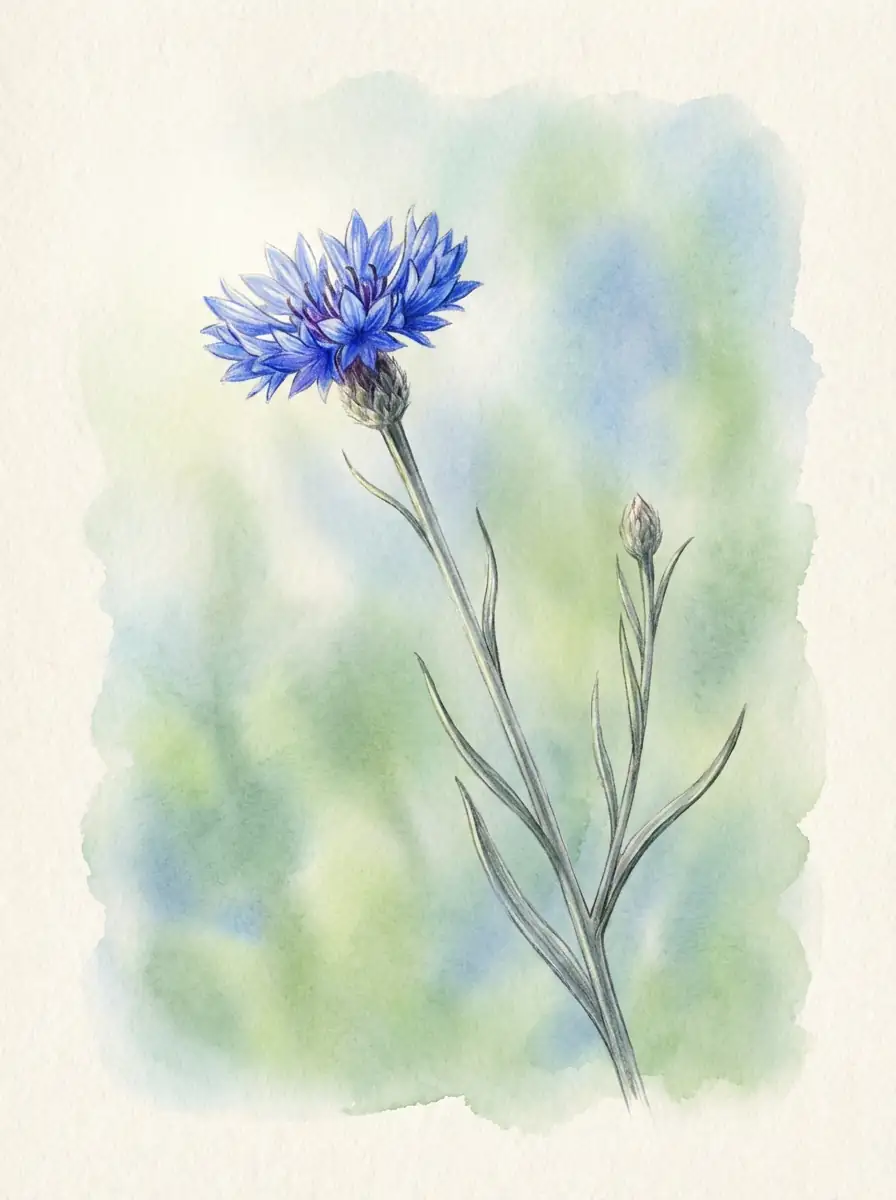
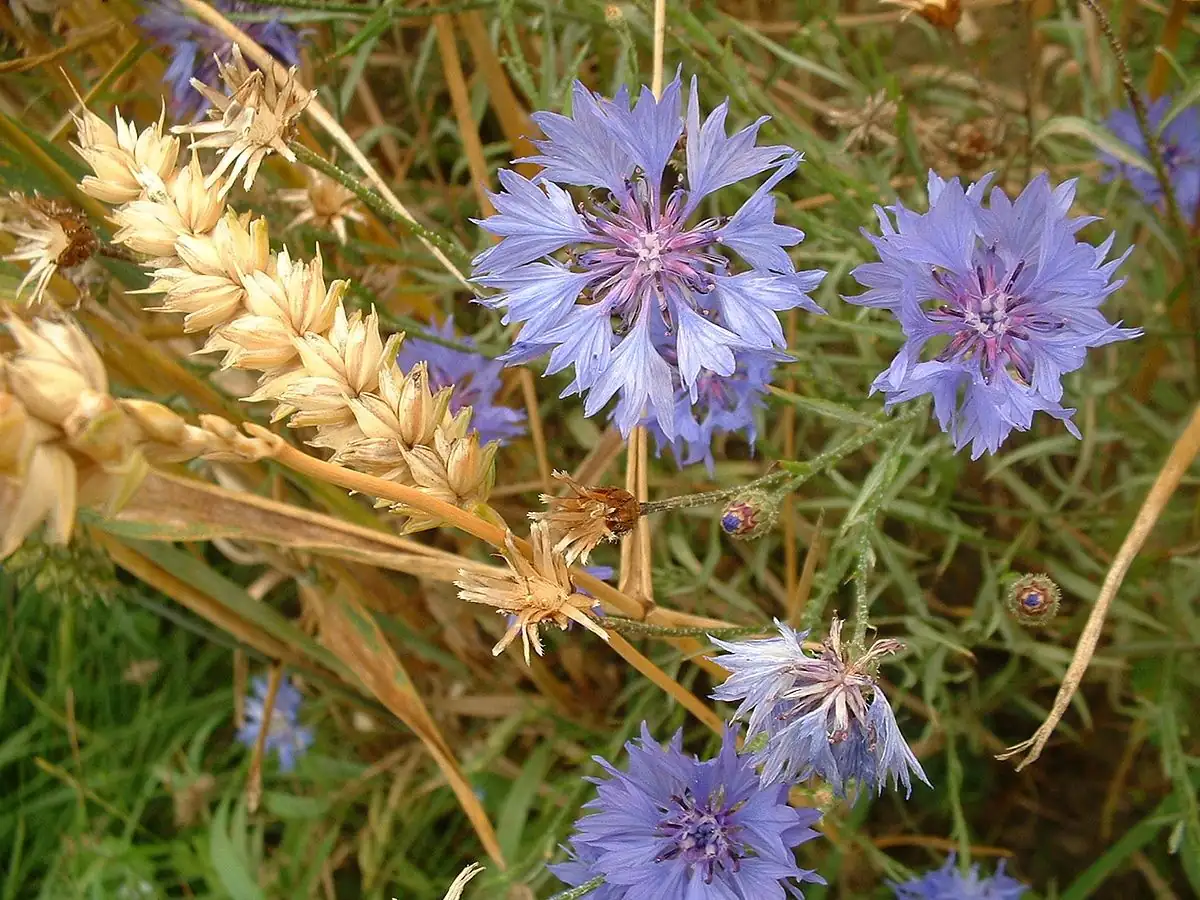
- Foliage: Slender, gray-green stems with narrow, lance-shaped leaves that give the plant a light, airy texture.
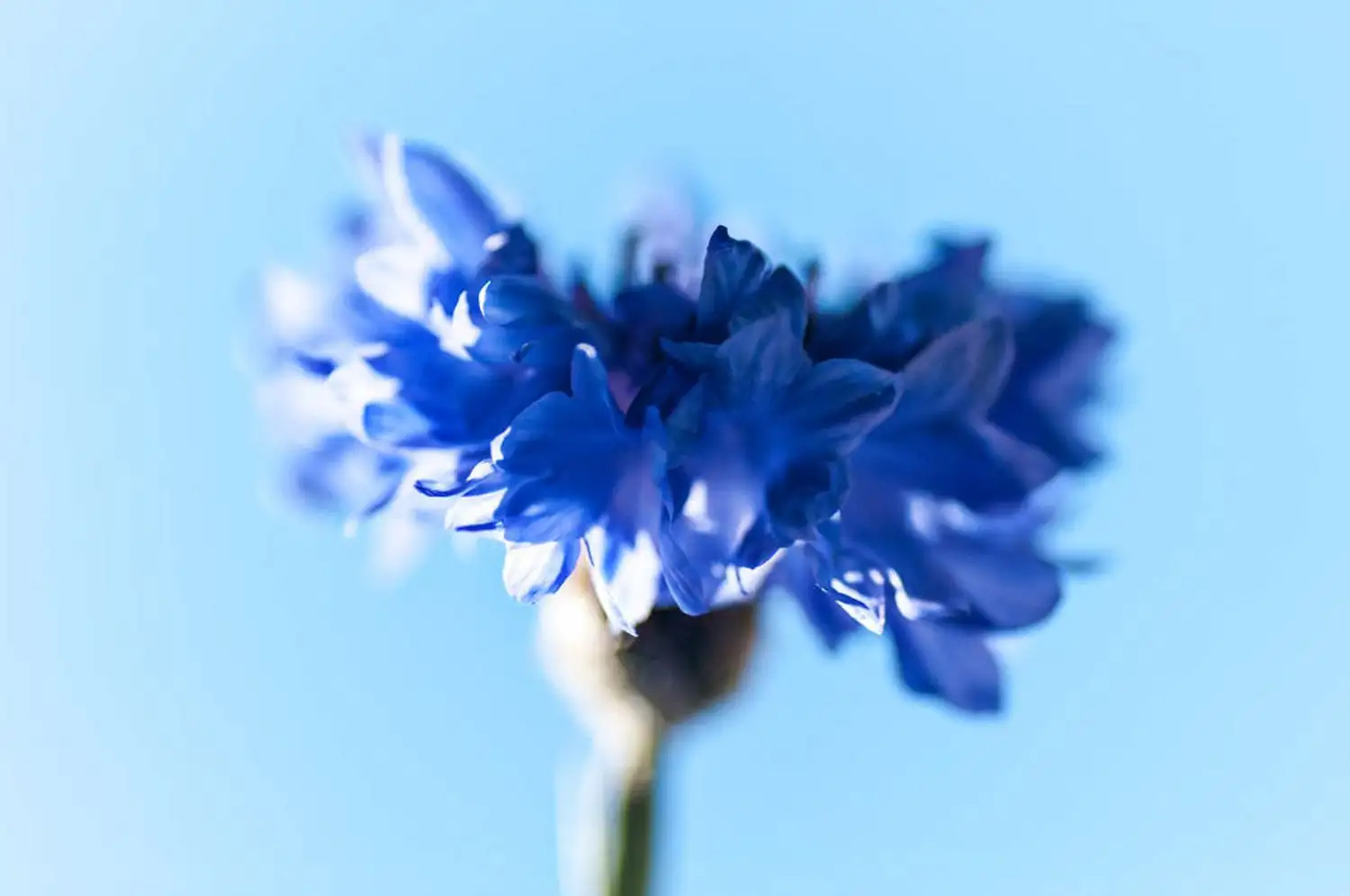
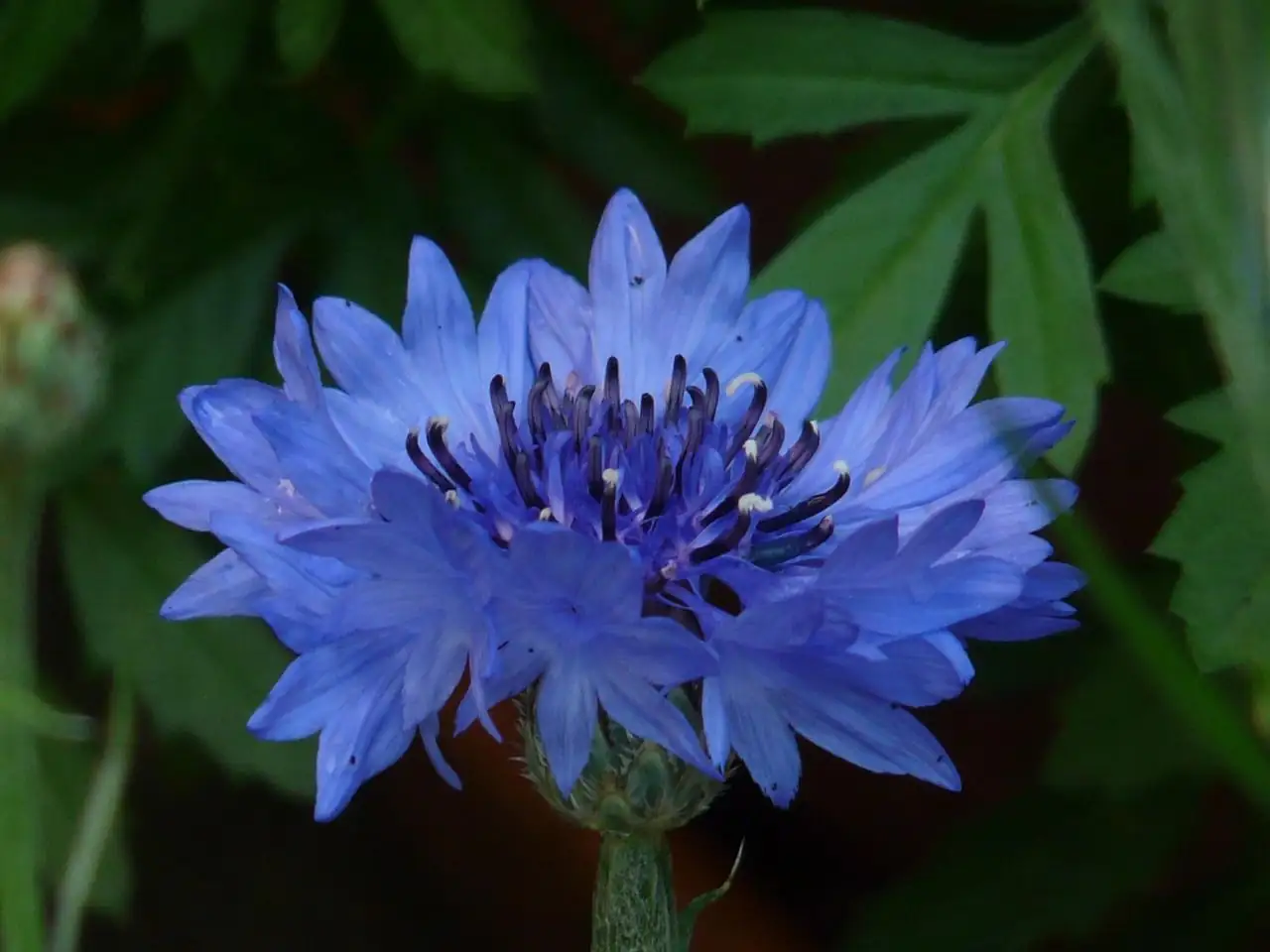
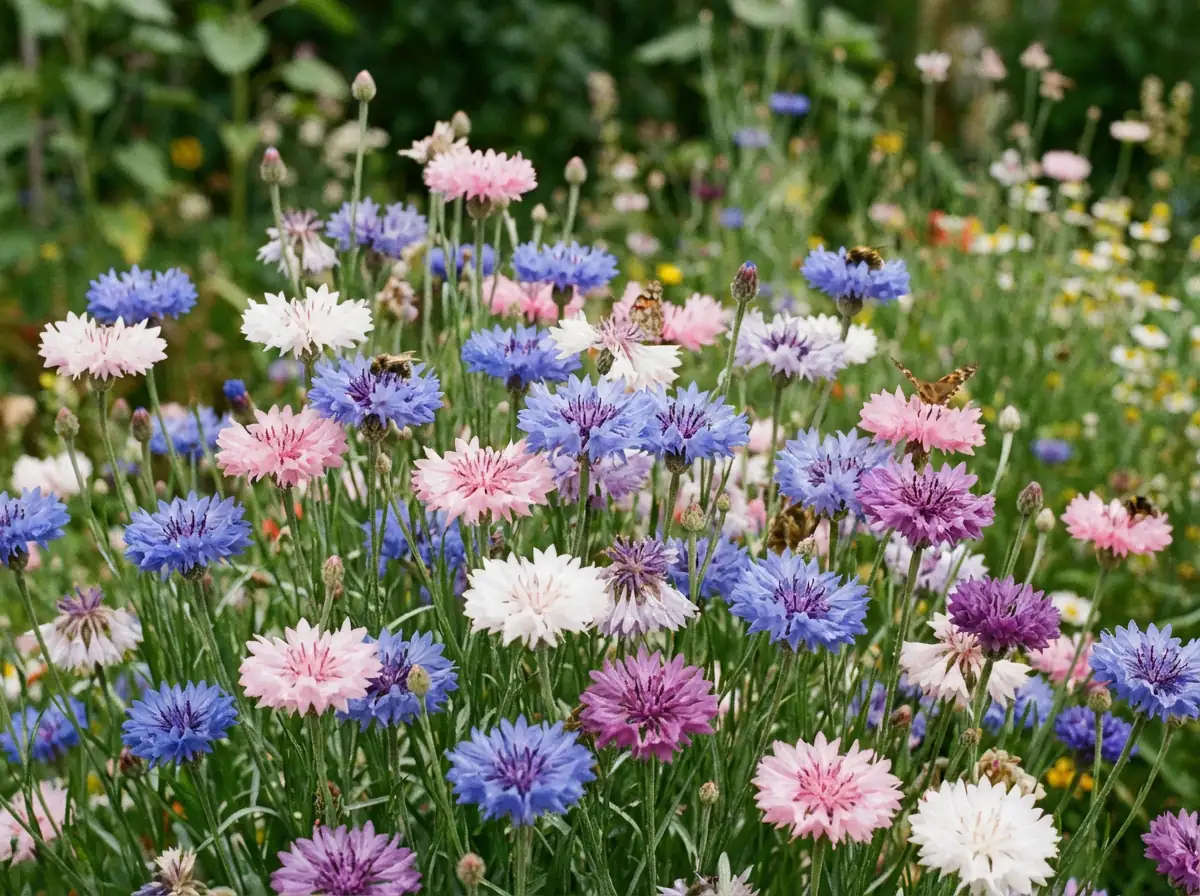
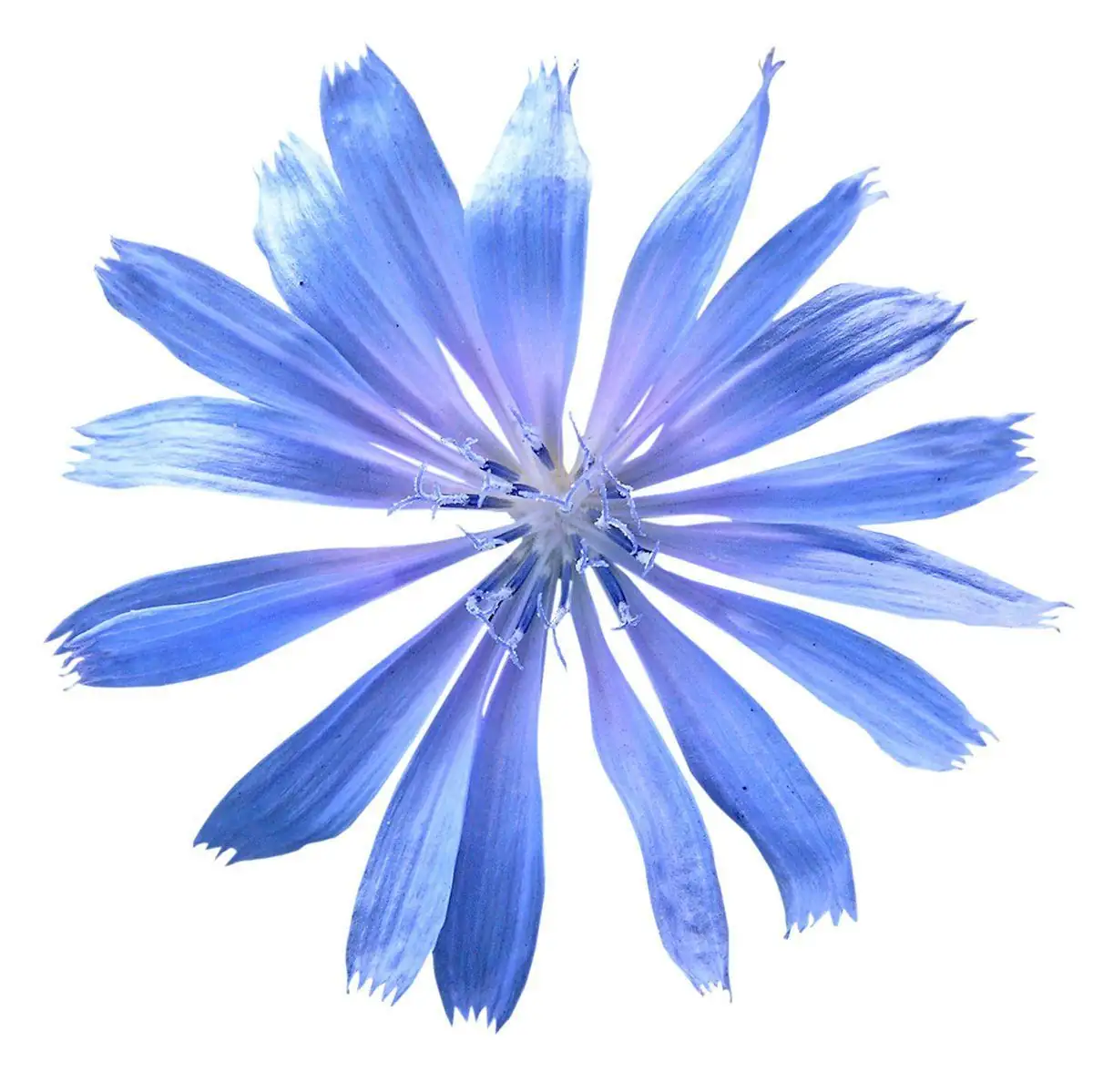
- Flower: Thistle-like, fringed blooms with radiating petals; most iconic in vivid blue, but also bred in pink, purple, white, and burgundy tones. Flowers look delicately ruffled yet hold up well for cutting and drying.
- Flowering Season: Late spring to early summer (about May to mid-July), often blooming for around 10 weeks
- Growth Habit: Upright growth on slender stems, forming a lightly branched, airy clump.
Environment
Sunlight
Full sun (at least ~6 hours daily). In very hot climates, a bit of afternoon shade can help plants look fresher.
Temperature
Best growth in about 16–27°C (60–80°F). A cool-season annual that tolerates light frost; flowering may be slower in cool weather and can be stressed by sustained extreme heat (around 29–35°C / 85–95°F).
Humidity
Prefers average humidity (roughly 30–50%). Prolonged humidity and poor airflow can encourage fungal issues like powdery mildew.
Soil
Well-drained soil is key. Handles relatively poor soils but blooms best in moderately fertile ground; often cited as liking slightly alkaline soil (around pH 7.2–7.8).
Placement
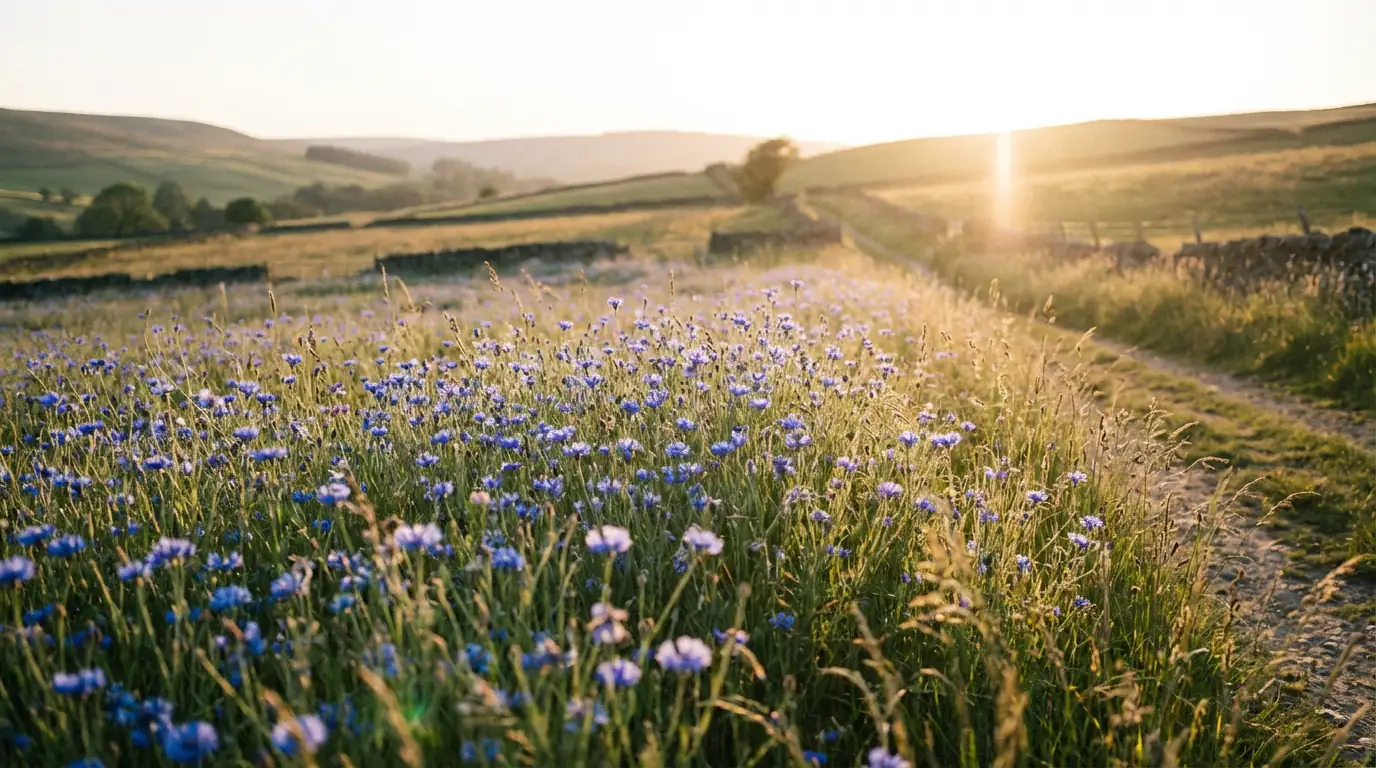
Sunny beds and borders in drifts for bold color, cottage gardens, cutting gardens, and containers (especially dwarf varieties). Also excellent tucked into vegetable gardens to attract beneficial insects.
Hardiness
Grown as an annual in USDA Zones 2–11; seedlings and young plants tolerate light frost, but plants are not perennial in cold winters.
Care Guide
Difficulty
Easy and beginner-friendly; low maintenance and forgiving, especially when grown from seed.
Buying Guide
Seeds are widely available and inexpensive. If buying starts, choose compact, sturdy plants with healthy gray-green foliage and no mildew or sticky aphid residue.
Watering
Water to provide roughly 2.5 cm (1 in) per week during active growth, especially in hotter midsummer periods. Let the top layer of soil dry slightly between waterings; avoid keeping soil constantly wet. Once established, plants are fairly drought tolerant, but consistent moisture improves bloom quality.
Fertilization
Mix compost into the bed before planting. In poor soil, a light monthly feed (such as compost tea or a diluted organic liquid fertilizer) after plants reach about 15 cm (6 in) can boost flowering. In rich soil, extra fertilizer is usually unnecessary and can encourage floppy growth.
Pruning
Deadhead spent blooms to keep flowers coming. For a second flush, cut plants back by about one-third after the first big bloom wave; as an annual, this step is helpful but not strictly required.
Propagation
Primarily by seed. Direct sow outdoors in spring as soon as soil can be worked (or after the last frost), planting about 6 mm (1/4 in) deep. Sow lightly and thin seedlings to about 30 cm (12 in) apart. You can also start indoors 4–6 weeks before the last frost. Self-seeds readily if some flowers are allowed to mature. In warmer regions (roughly Zone 7+), fall sowing often produces larger plants and longer stems the next season.
Repotting
For containers, use a well-draining potting mix (often improved with perlite) in pots with drainage—porous terracotta works especially well. Keep container soil slightly on the drier side and avoid waterlogging.
📅 Seasonal Care Calendar
Spring: Sow early; thin seedlings; start deadheading as blooms begin. Summer: Water during heat; keep airflow good; continue deadheading for a longer show. Fall: Let some flowers set seed for next year, or sow again in mild climates. Winter: In warm areas, fall-sown plants may look scruffy but rebound strongly in spring.
Pests, Diseases & Safety
Common Pests & Diseases
Generally trouble-free. Occasional aphids or mealybugs can be knocked off with a strong spray of water or managed with insecticidal soap. Powdery mildew may appear in humid, still conditions; improve spacing, sun exposure, and airflow to prevent it.
Toxicity
Commonly considered non-toxic to humans, dogs, and cats. Petals are edible and often used as colorful garnishes; historically used in herbal traditions for mild anti-inflammatory purposes.
Culture & Symbolism
Symbolism: Often associated with love, hope, patience, delicacy, elegance, and “single blessedness.” In folklore it also carries themes of protection and healing.
History & Legends: Its name comes from its classic habit of popping up in European corn (grain) fields. In Victorian-era courting traditions, young men wore cornflowers in the buttonhole; if the bloom faded quickly, it was taken as a sign their affection wasn’t returned—helping popularize the nickname “Bachelor’s Button.”
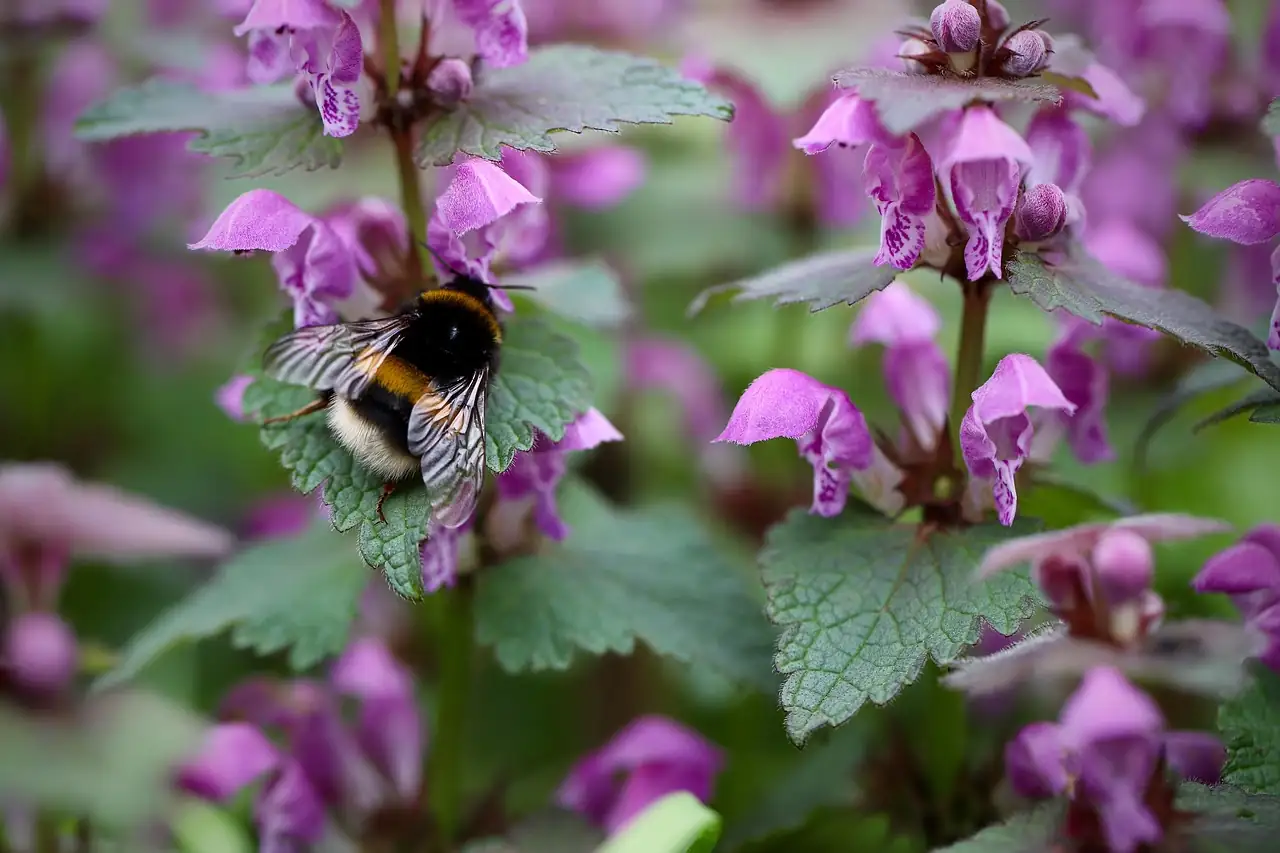
Uses: Ornamental: A staple for cottage gardens, borders, and cutting beds; also dries nicely for crafts and arrangements. Edible: Bright petals used to decorate salads and desserts, sometimes described as having a mild, cucumber-like note. Ecological: Loved by bees and butterflies and useful for drawing beneficial insects (like ladybugs) into vegetable gardens.
FAQ
Are cornflowers easy to grow?
Yes—cornflowers are among the easiest annual flowers. They grow quickly from seed, tolerate a range of soils, and often self-seed for next year.
Do cornflowers come back every year?
They’re annuals, but they frequently return by self-seeding if you let some flowers mature and drop seed.
Can cornflowers grow in containers?
Yes. Dwarf varieties are especially good in pots. Use fast-draining soil, a container with drainage holes (terracotta is great), and avoid overwatering.
How long do cornflowers bloom?
A typical bloom window is about 10 weeks (often May to mid-July). Deadheading and sowing small batches every couple of weeks can extend the season.
Fun Facts
- The famous shade known as “cornflower blue” is named after this plant’s signature flower color.
- Cornflowers were once so common in European grain fields that they were treated as agricultural weeds.
- The nickname “Bachelor’s Button” comes from the tradition of wearing the bloom in a buttonhole as a sign of romantic availability.
- Cornflower petals are edible and often used as a natural, vivid garnish.
- When cut at the right stage, cornflowers can last up to about two weeks in a vase.