


Plant Features
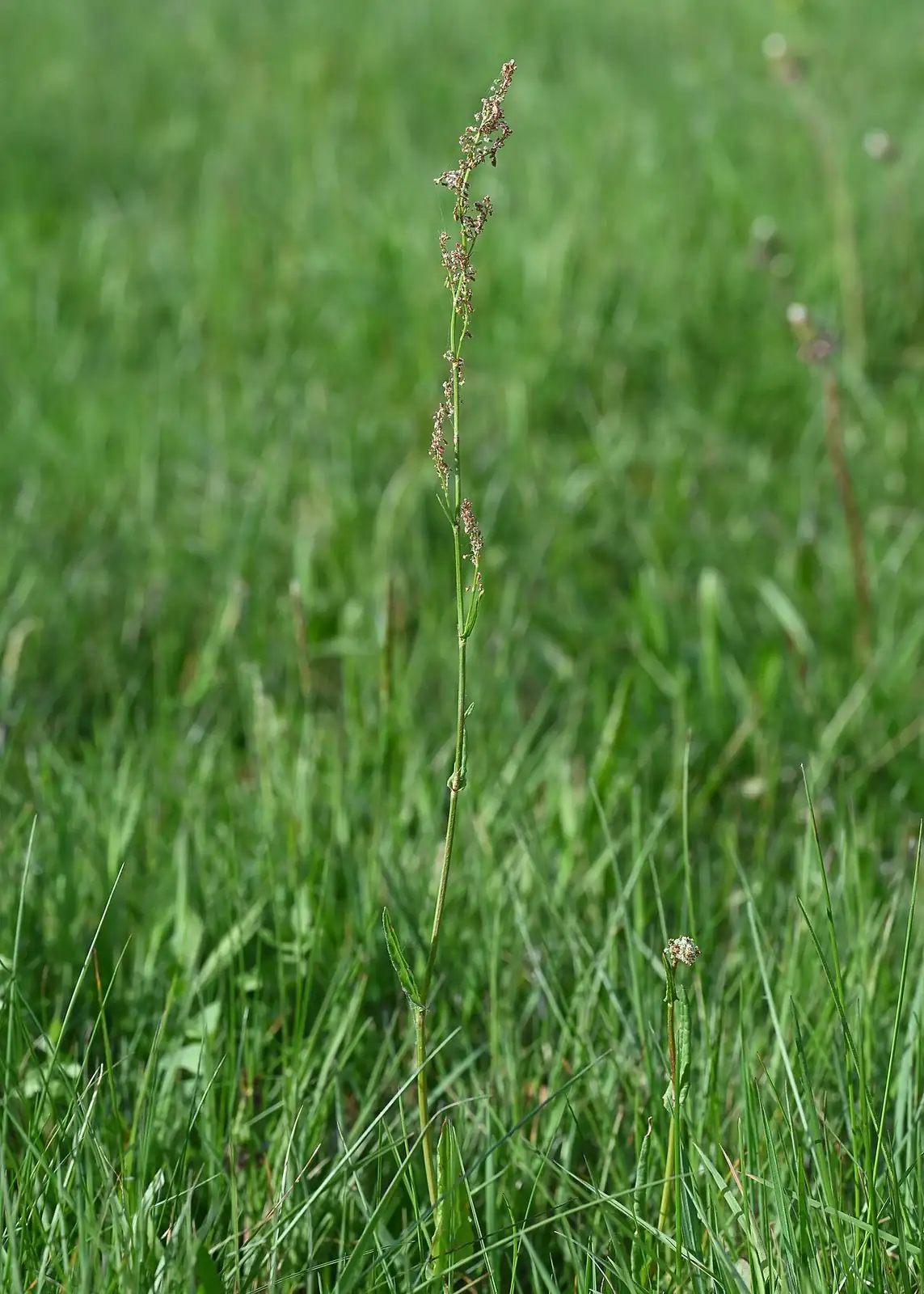
- Size: Typically 40–100 cm (16–39 in) tall; clumps often spread about 30–60 cm (12–24 in) wide.
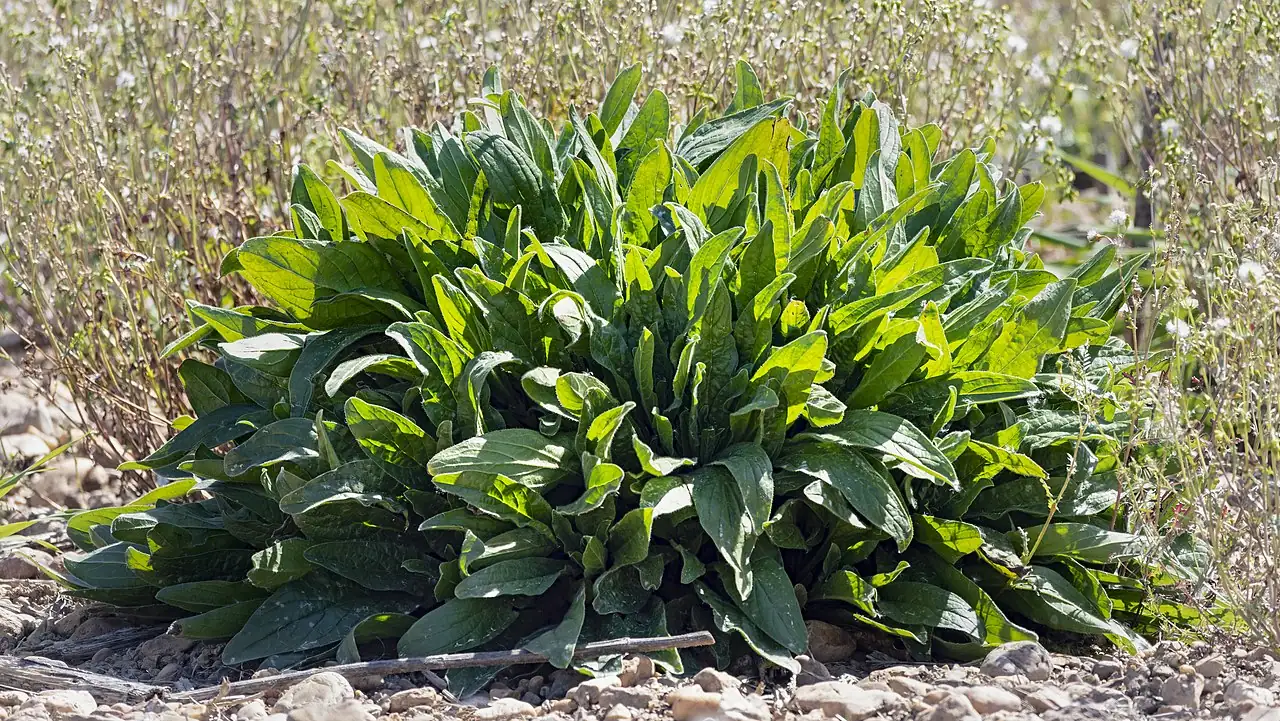
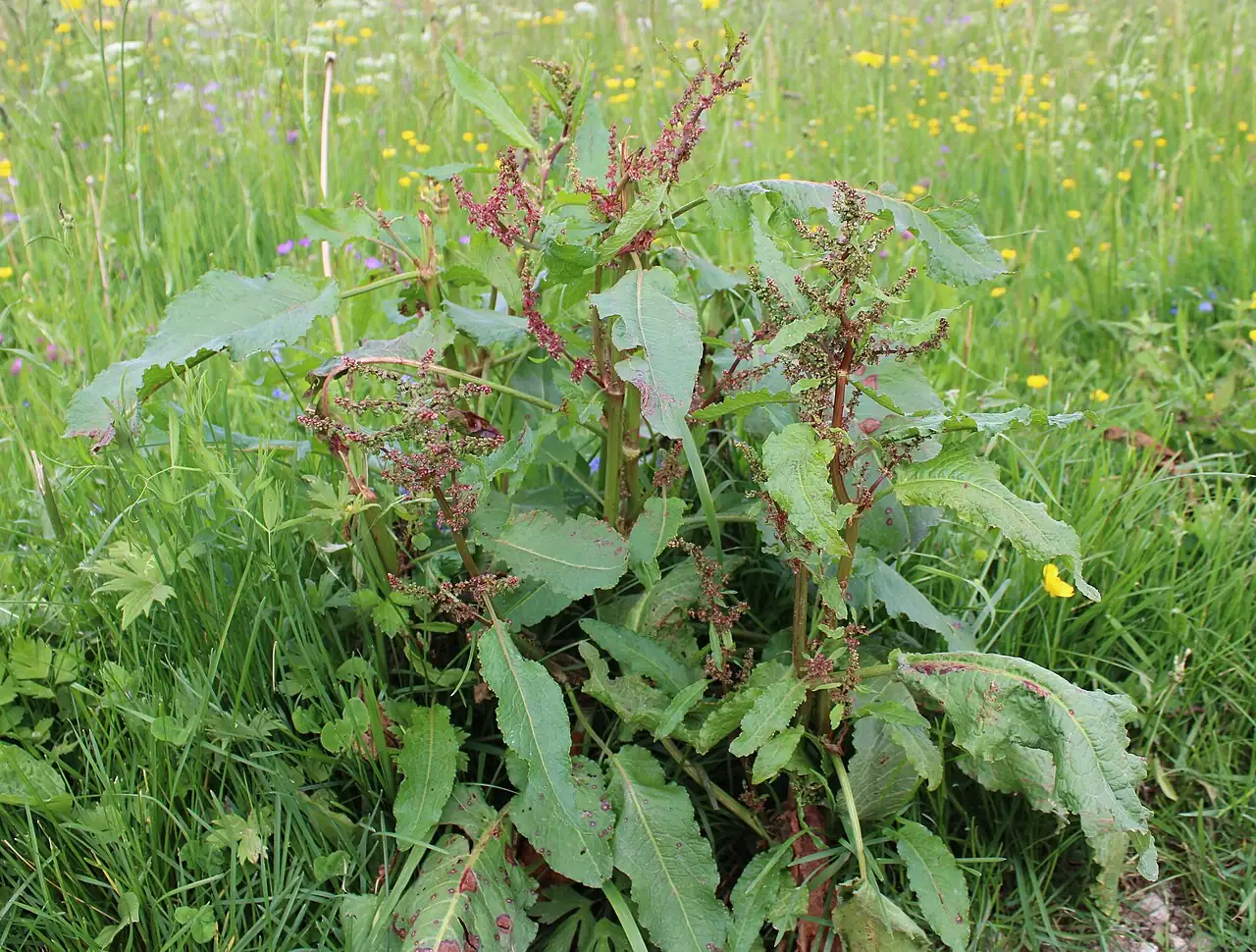
- Foliage: Leaves form mainly from the base and lower stems, shaped from lance-like to distinctly arrow-shaped, often with small backward-pointing basal lobes. Tips can be pointed or blunt, and the edges are usually smooth or slightly wavy. Upper stem leaves are smaller with short stalks or nearly stalkless. At the nodes, it has a papery stipule sheath that can tear easily. The plant grows from fibrous roots.
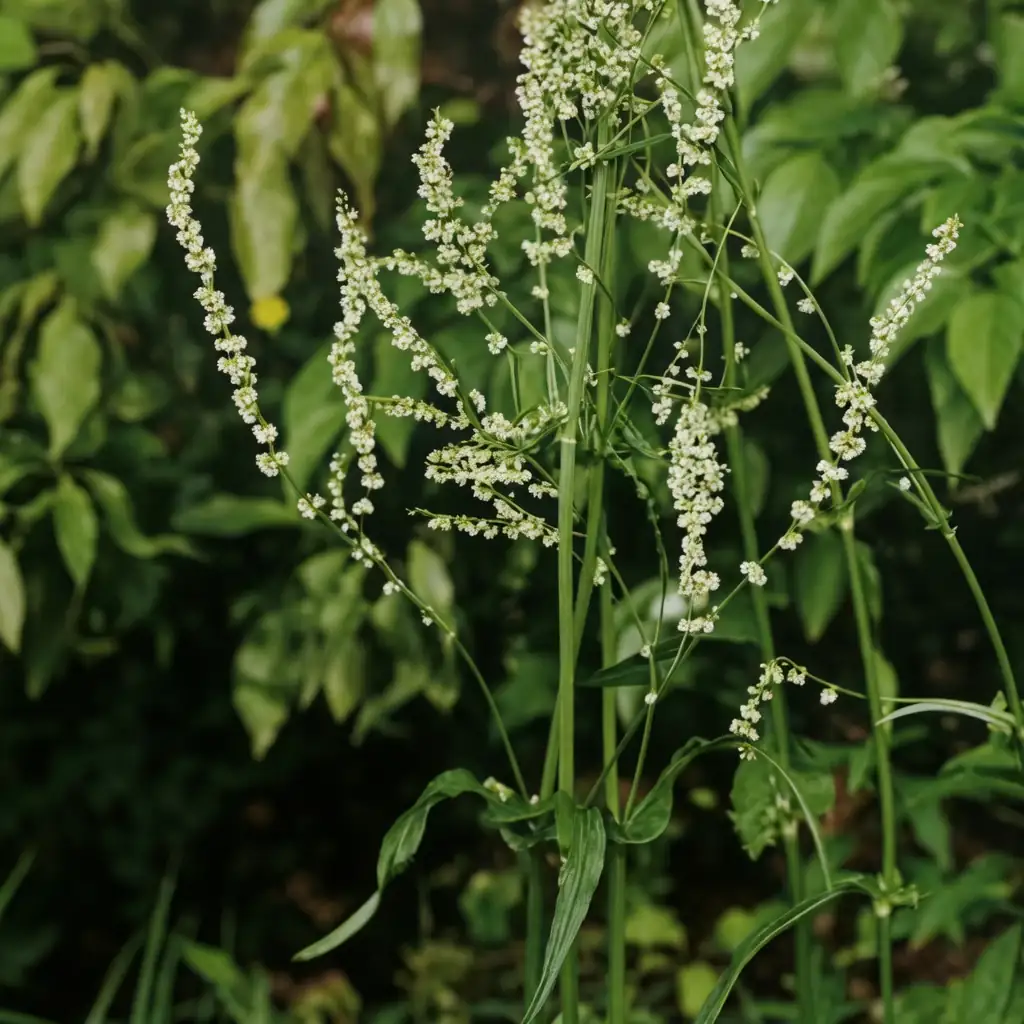
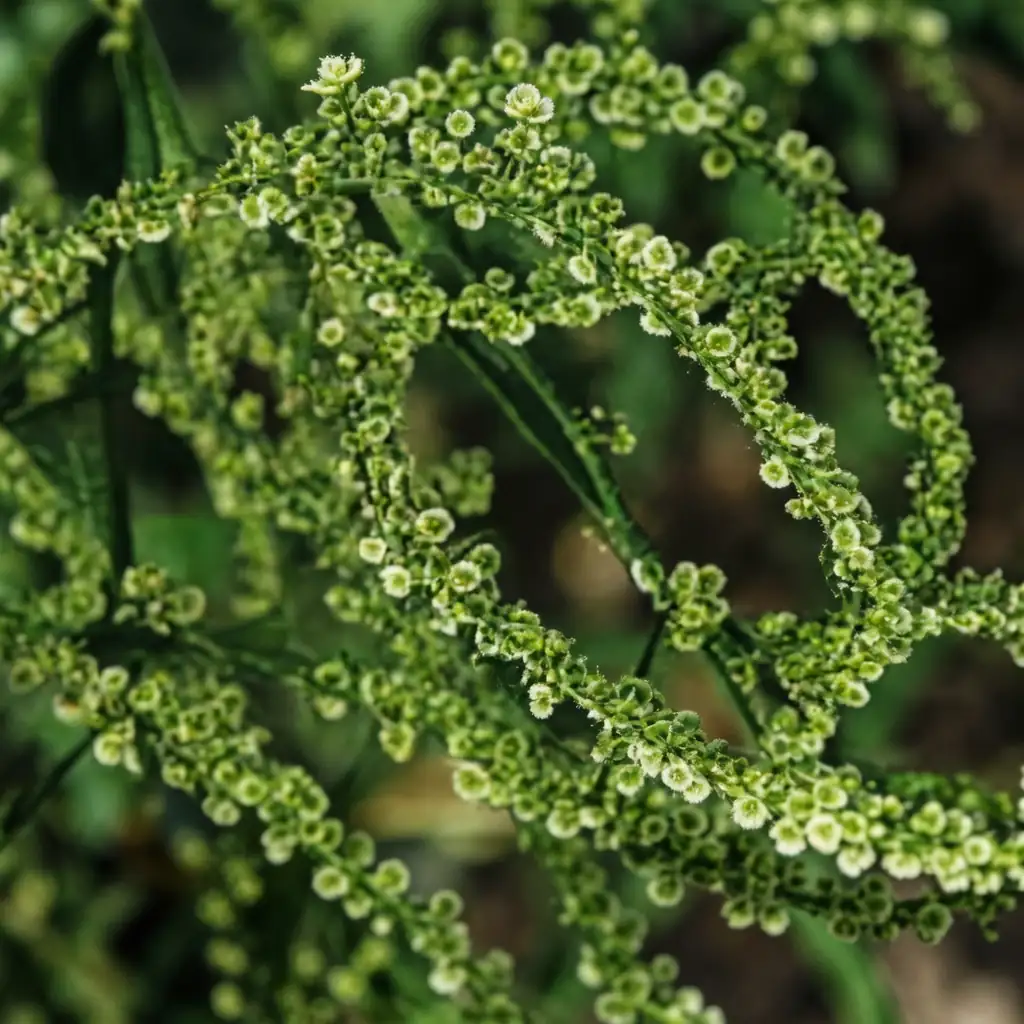
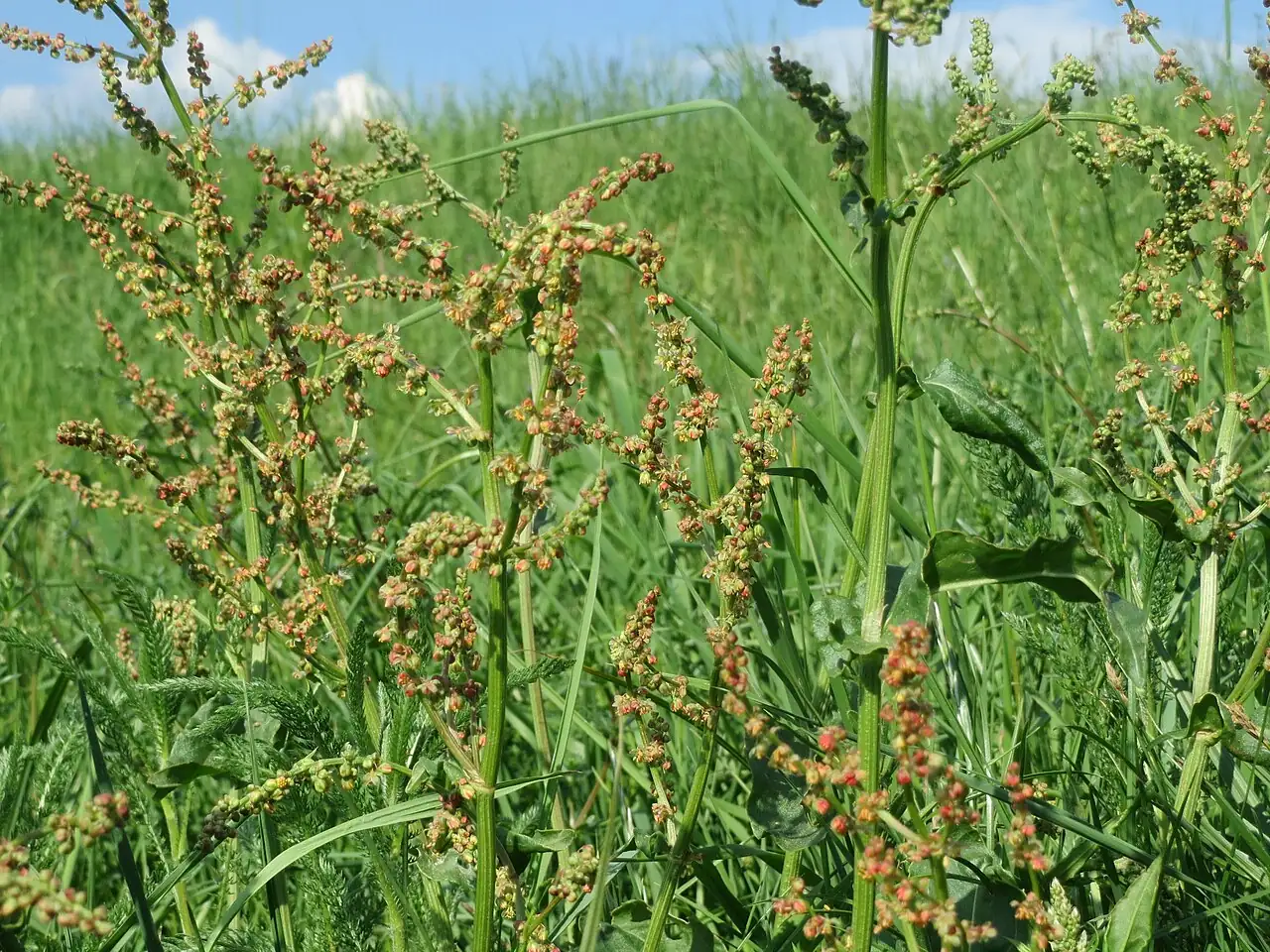
- Flower: Produces slender, narrow panicles (loose flower clusters) at the tops of upright, strongly grooved stems. Flowers are unisexual, with male and female flowers on separate plants (dioecious). After flowering, it forms glossy dark brown to nearly black, egg-shaped achenes (fruits) that are three-angled with pointed ends—often giving the seed heads a delicate, airy look.
- Flowering Season: May–July
- Growth Habit: Upright, clump-forming perennial herb; stems are usually unbranched.
Environment
Sunlight
Full sun to partial shade; brighter light generally produces sturdier growth and better flowering/seed display.
Temperature
Cold-hardy and happiest in cool to mild conditions; tolerates frost. Approx. -20°C to 25°C (-4°F to 77°F) for active growth/tolerance in typical garden conditions.
Humidity
Average outdoor humidity; tolerates damp air as long as there’s decent airflow.
Soil
Adaptable, but best in moist, well-drained soil. Tolerates heavier soils and seasonally damp ground; avoid stagnant water around the crown. Slightly acidic to neutral pH is ideal.
Placement
Meadows, slopes, woodland edges, ditches, and roadsides; also works as a naturalistic groundcover in wild gardens, field-edge plantings, and damp spots.
Hardiness
USDA Zone 3–8 (approx. -40°C to -7°C (-40°F to 19°F) as a general zone guide).
Care Guide
Difficulty
Easy outdoors in temperate climates; forgiving and resilient once established.
Buying Guide
Pick plants with firm, healthy green leaves and no obvious leaf spotting, rust, or aphid clusters. If you’re hoping for attractive seed heads, remember it’s dioecious—having both a male and a female plant improves the chance of getting well-developed seed stalks.
Watering
Water regularly while establishing. After that, aim for evenly moist soil for the lushest foliage; in the ground it usually only needs extra water during prolonged dry spells. In wetter sites, make sure water doesn’t sit around the crown.
Fertilization
Often unnecessary in decent garden soil. If growth looks weak, top-dress with compost in spring. In containers, feed lightly during active growth with a balanced fertilizer at the label rate.
Pruning
Remove damaged leaves any time. Cut back flower/seed stalks after you’ve enjoyed them if you want to reduce self-seeding. You can also cut the whole clump back after flowering to encourage fresh new foliage.
Propagation
Divide established clumps in spring or early autumn. Can also be grown from seed; seedlings may turn out male or female (important if you want seed).
Repotting
In pots, repot or divide every 1–2 years in spring into a fresh, well-draining mix; always use a container with good drainage.
📅 Seasonal Care Calendar
Spring: tidy old growth, divide if needed, top-dress with compost. Late spring–summer: enjoy flower/seed stalks; water during drought. Autumn: optional division, cut back if messy. Winter: dormant; protect containers from repeated freeze–thaw cycles where relevant.
Pests, Diseases & Safety
Common Pests & Diseases
Aphids may gather on tender new growth and flower stalks—wash off with water or treat with insecticidal soap. Leaf spot and rust can appear in humid, still conditions; improve airflow and remove affected leaves. Slugs/snails may nibble young leaves.
Toxicity
Contains oxalic acid. In normal culinary amounts it’s generally fine, but large quantities may irritate the stomach; use extra caution for people prone to kidney stones. Pets may get mild gastrointestinal upset if they eat a lot.
Culture & Symbolism
Symbolism: Often linked with a bright, sharp “sour” freshness and a simple, rustic meadow-garden feel.
History & Legends: A long-time favorite in European kitchen gardens, grown for its pleasantly tart leaves. Traditional folk use often centered on its sour foliage, but today it’s best known as an edible herb and an easy, naturalistic garden plant.
Uses: Grown as an edible herb for tangy leaves (sorrel), and as a naturalistic groundcover or accent for field edges and damp areas. Its airy flower and seed heads also add ornamental texture in wild-style plantings.
FAQ
Why do I have flowers but no seed heads?
Common sorrel is dioecious—male and female flowers grow on separate plants. If you only have one sex (often just a male), you can see flowers but get little to no seed.
Can it handle shade?
Yes—partial shade is fine. It usually grows sturdier and flowers more in brighter light, but it’s quite adaptable.
Is it invasive?
It can self-seed where it’s happy. If you don’t want it spreading, cut off seed stalks after flowering (deadhead) before the seeds mature.
Fun Facts
- It’s a perennial herb with fibrous roots that returns reliably each year.
- The upright stems are strongly grooved and usually unbranched.
- Male and female flowers are on separate plants (dioecious), which affects seed production.
- Its fruits are glossy, dark, three-angled achenes with pointed ends.
- It’s widely found across China from north to south along roadsides, ditches, and woodland margins.


