

Plant Features
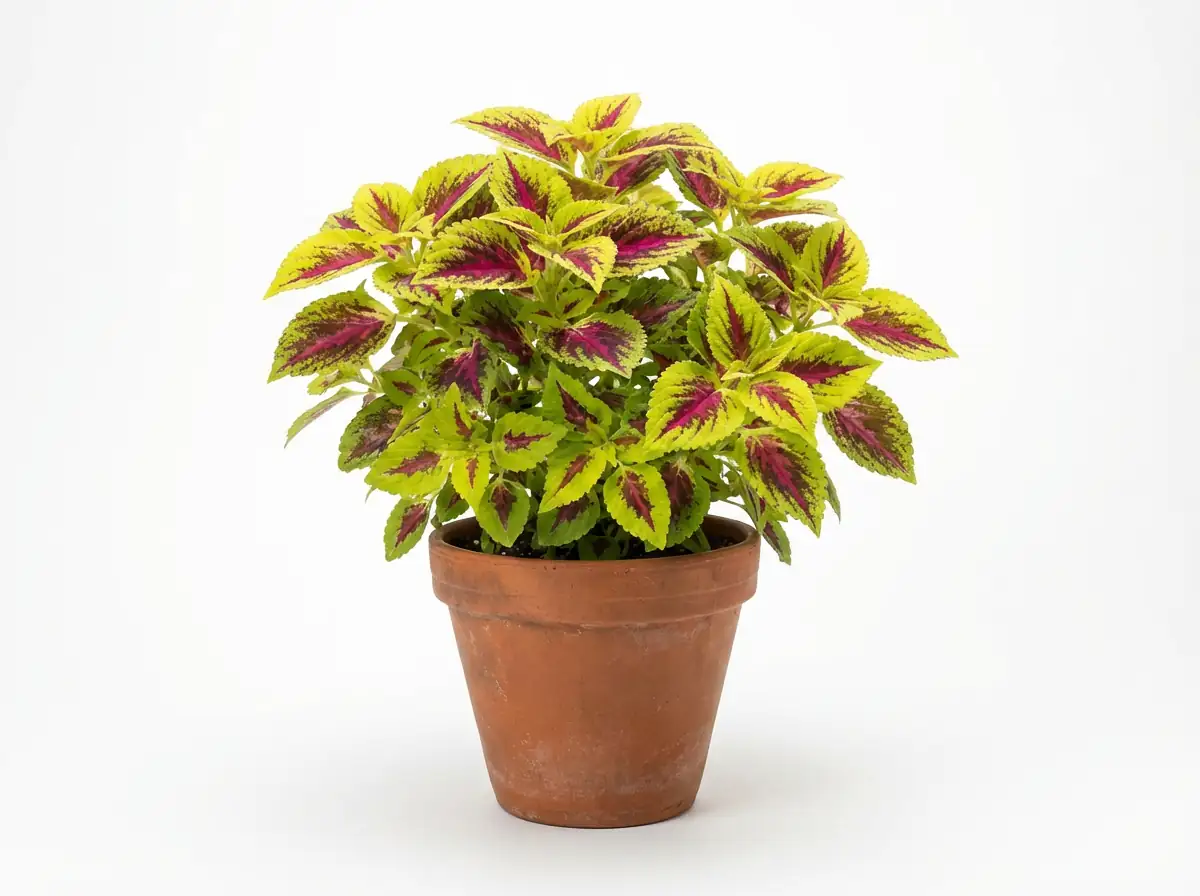
- Size: Size varies widely by cultivar. Many potted plants stay compact around 60 × 30 cm (24 × 12 in), while dwarf types may be just 15–25 cm (6–10 in). Larger landscape or big-leaf forms can reach about 90 cm (36 in) tall and wide, occasionally up to ~1.1 m (3.5 ft) in ideal conditions.
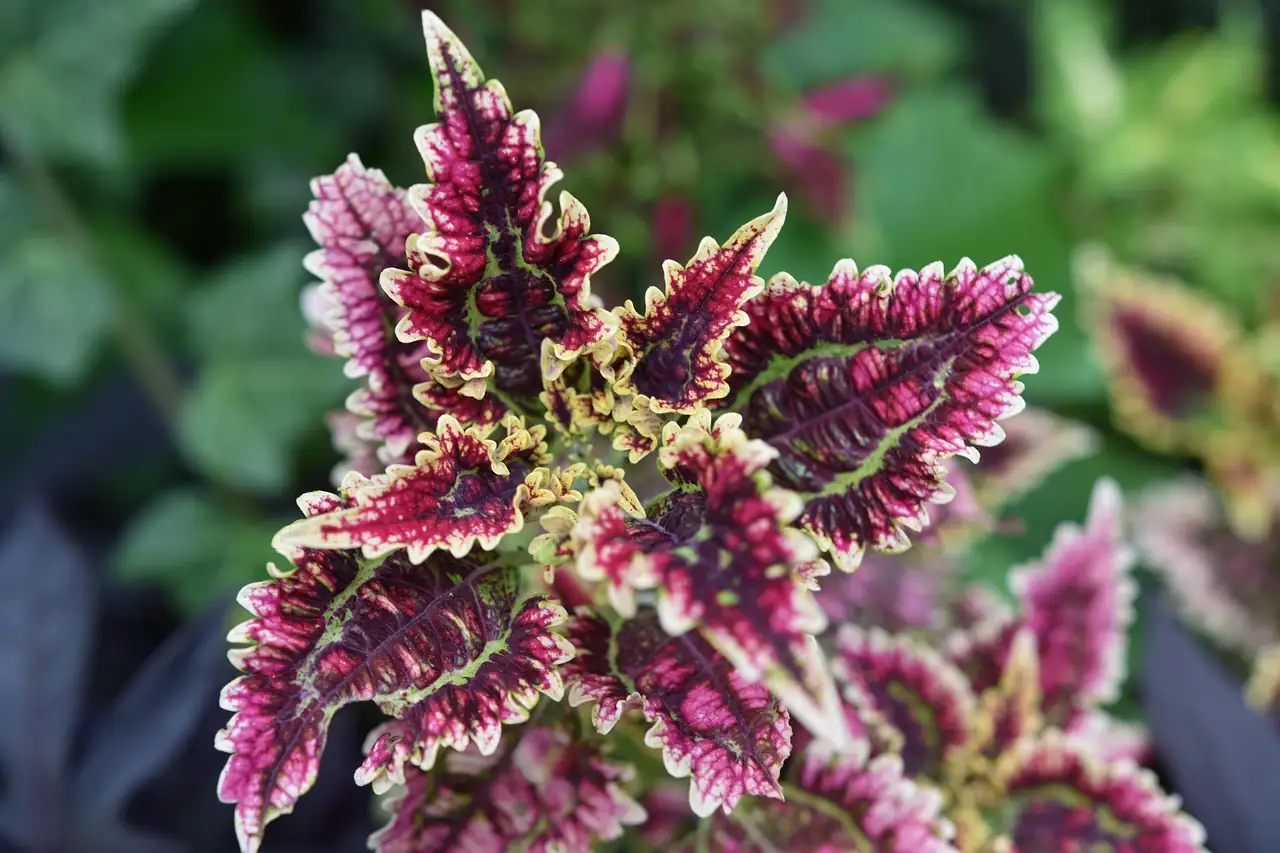
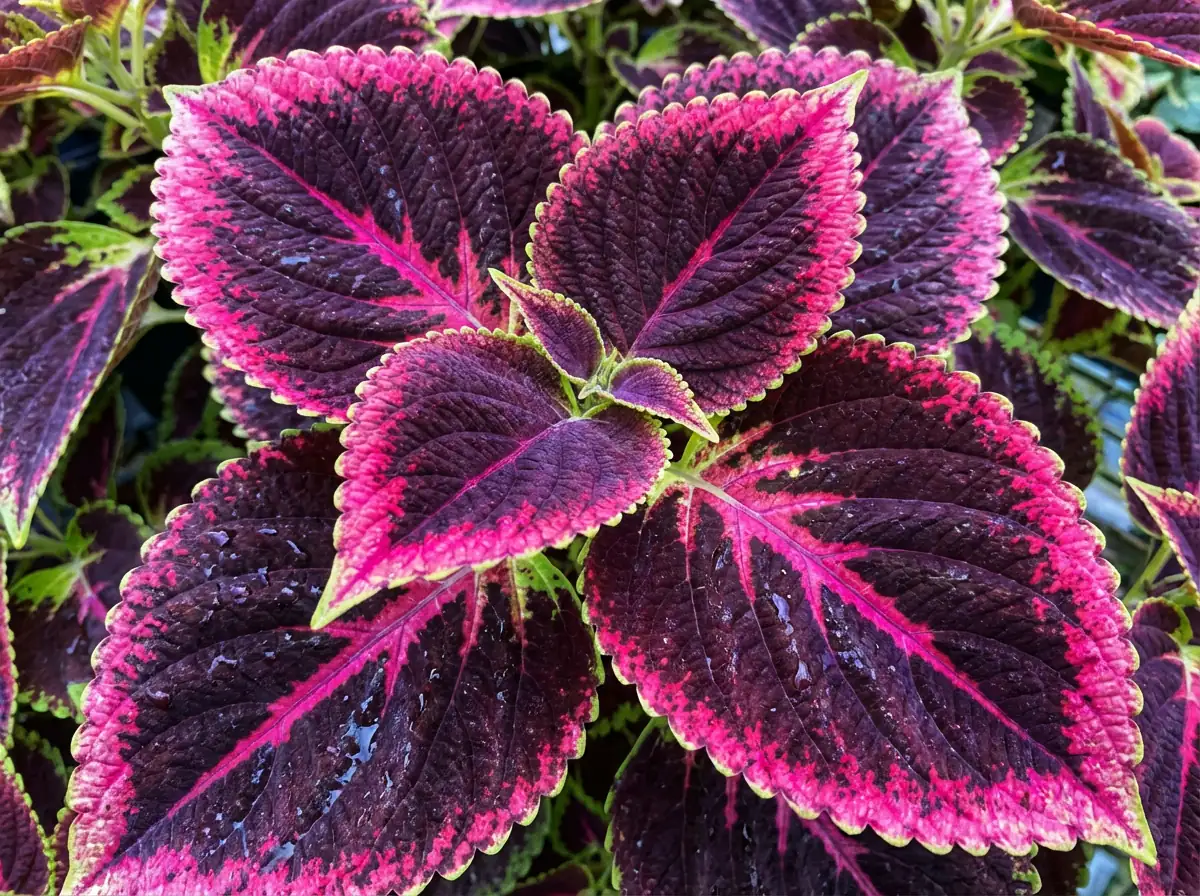
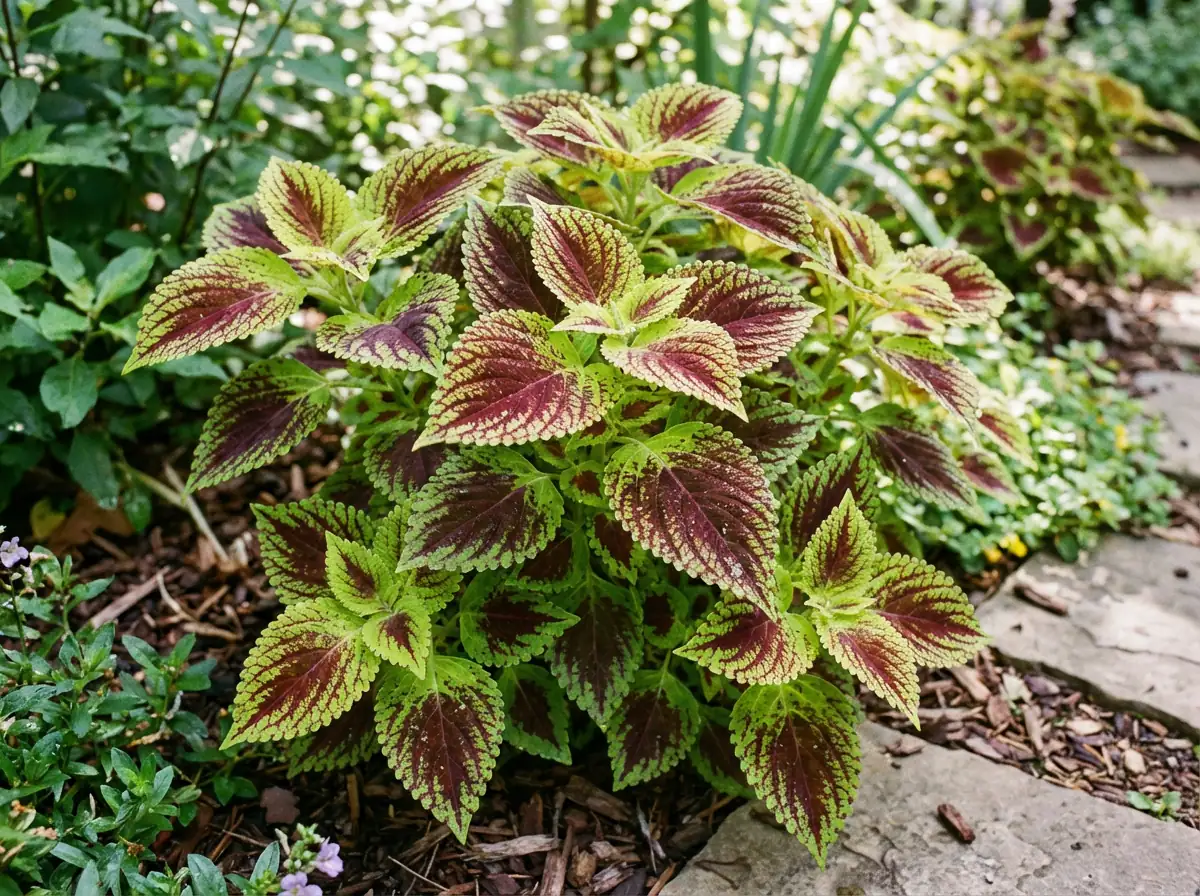
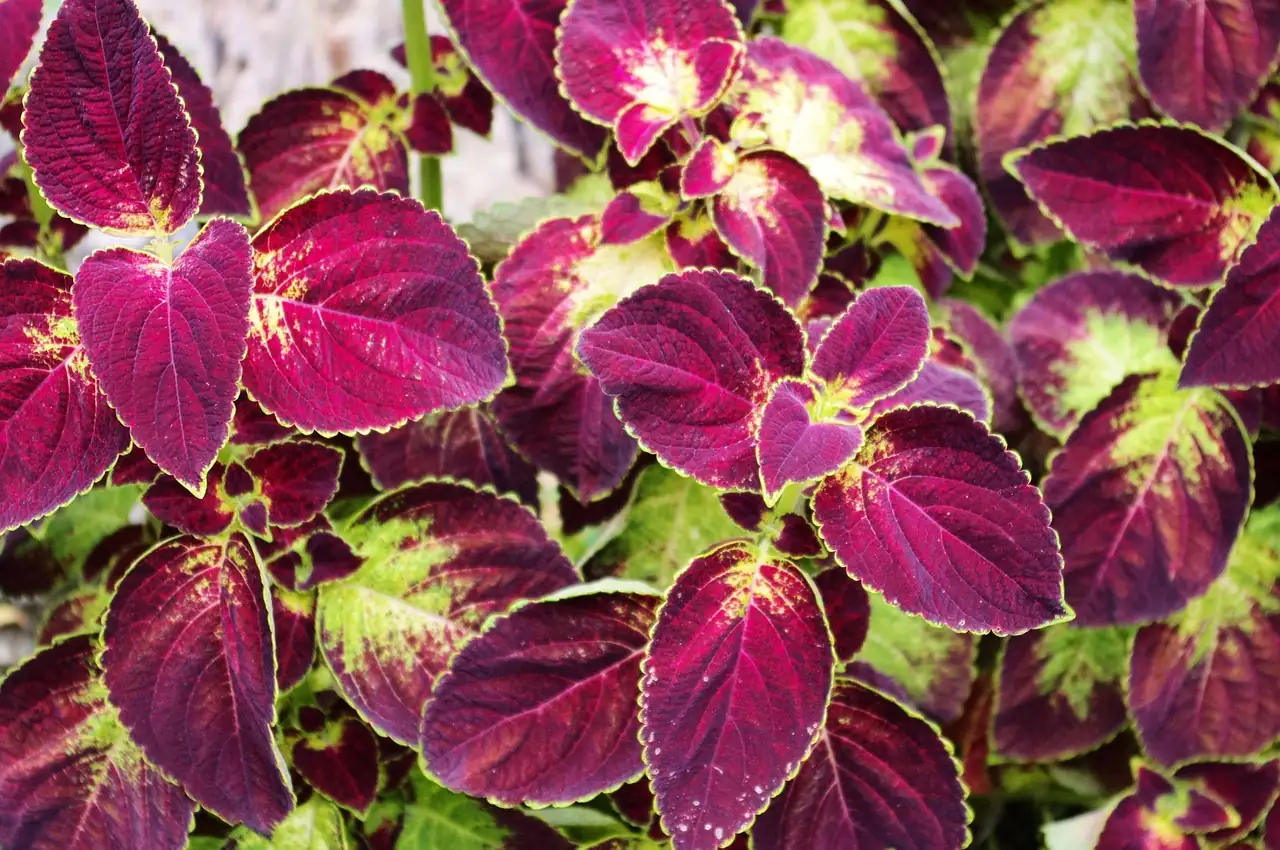
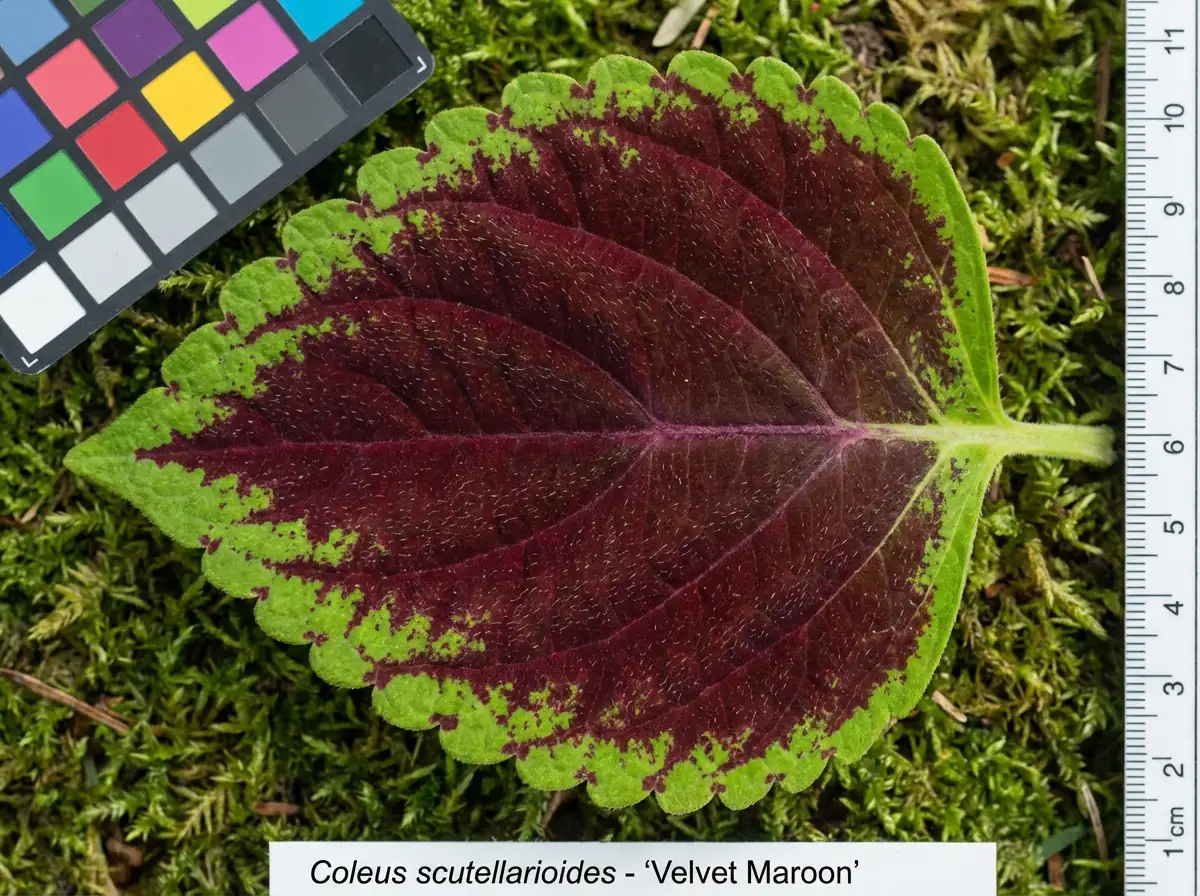
- Foliage: Soft, sometimes velvety leaves (often serrated or scalloped) in vivid mixes of green, chartreuse, yellow, pink, red, orange, purple, burgundy, and near-black. Many cultivars show dramatic veining, contrasting margins, or multi-color “painted” centers. Leaves are typically arranged in opposite pairs on square stems—classic mint-family traits.
- Flower: Small tubular flowers borne on upright spikes, usually pale blue to lavender, sometimes purple or white. They’re pleasant but not the main event; many gardeners pinch flower spikes off to keep plants bushy and focused on leaf production.
- Flowering Season: Summer to autumn (often June–September outdoors; timing can be variable indoors).
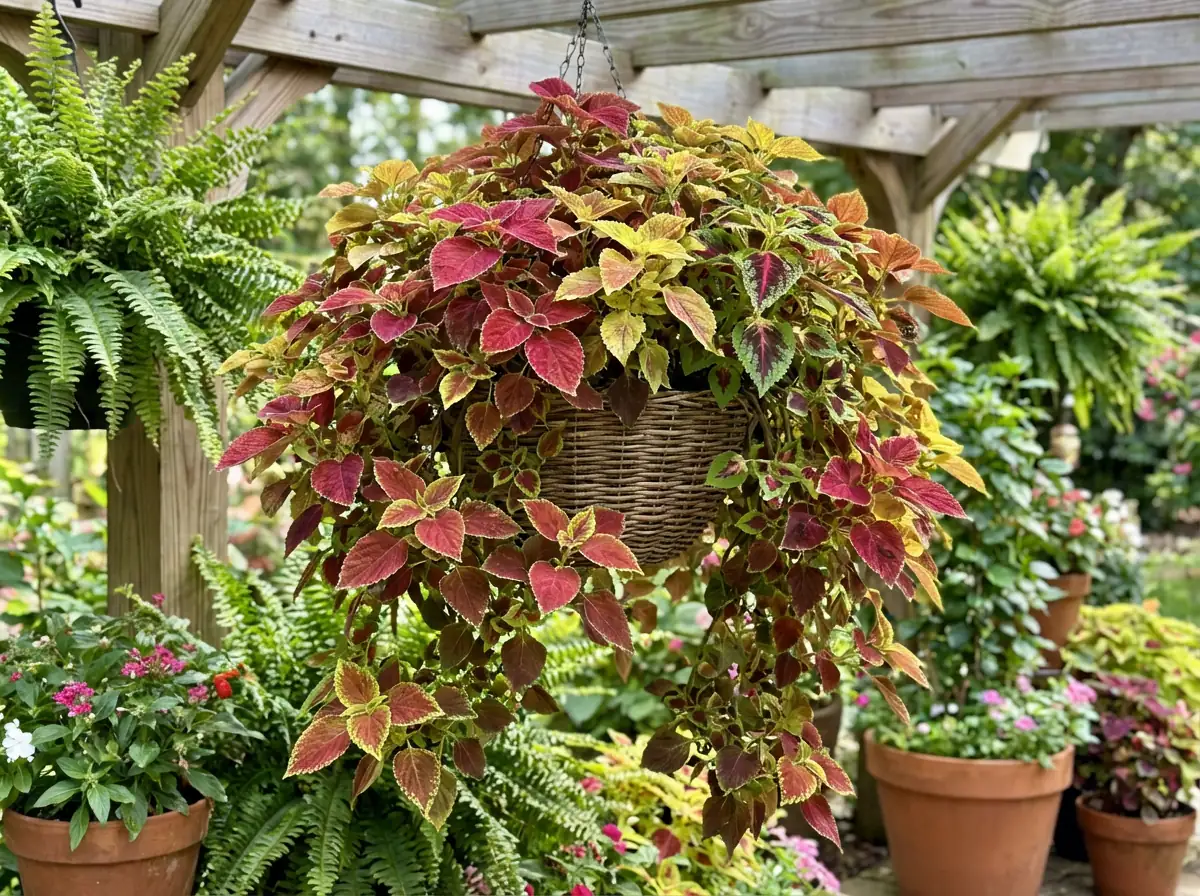
- Growth Habit: Tender, fast-growing herbaceous perennial (commonly grown as an annual outside frost-free climates). Usually upright, bushy to mounding; some cultivars are more trailing and work well in hanging baskets. Young stems are succulent and square, becoming a bit woodier with age.
Environment
Sunlight
Best in part shade to bright, indirect light. Many traditional types prefer morning sun with afternoon shade; harsh midday sun can scorch, especially on light-colored leaves. Some modern “sun coleus” cultivars tolerate (and even prefer) fuller sun if kept evenly moist. Indoors, aim for a bright window with filtered light; grow lights can help in winter.
Temperature
Prefers warmth: about 15–24°C (59–75°F). Keep above ~10°C (50°F); cold stress increases below this, and frost typically kills the plant. If moving outdoors in spring, wait until nights are reliably warm.
Humidity
Enjoys moderate to higher humidity—roughly 40–70%. In very dry indoor air, leaf edges may brown; grouping plants, a pebble tray, or occasional misting can help (with good airflow).
Soil
Rich, loose, well-draining soil. In pots, use a quality potting mix; adding extra drainage material is helpful. A practical blend is 1:1 all-purpose potting mix with a more mineral/loamy soil-based mix. Avoid heavy, waterlogged soils to reduce root rot risk. Slightly acidic to neutral pH (~6.0–7.0) suits most coleus.
Placement
Great for borders, mixed beds, edging, mass plantings, containers, and hanging baskets. Indoors, place near an east window or set back from strong south/west sun. A 15 cm (6 in) pot often suits compact plants; larger cultivars appreciate a heavier pot (like terracotta) for stability.
Hardiness
USDA Zones 10–11 (frost-tender). Elsewhere, grown as a warm-season annual or overwintered indoors.
Care Guide
Difficulty
Easy to moderate: coleus rewards simple routines—steady moisture, warmth, enough light, and regular pinching. It’s beginner-friendly but looks even better with a little hands-on shaping.
Buying Guide
Pick plants with vivid color and dense, well-branched growth. Avoid leggy specimens, browning edges, yellowing leaves, or limp stems. Check under leaves and along nodes for pests (sticky residue, webbing, speckling, or cottony clusters). Also match the cultivar to your light conditions—some are true shade stars, others are bred for more sun.
Watering
Keep the mix evenly moist but never soggy. Water when the top 2–3 cm (about 1 in) feels dry. Containers may need frequent watering in warm weather (sometimes daily). In winter indoors, let the surface dry a bit more between waterings. Persistent wilting usually means it’s too dry, while constantly wet soil can trigger root rot. Room-temperature water is gentler on roots.
Fertilization
During active growth (spring through autumn), feed for best color and vigor: a balanced liquid fertilizer (e.g., 20-20-20) about every 2 weeks (full strength per label or half-strength if feeding often). Slow-release fertilizer can also work. Avoid overfeeding—especially high nitrogen—which can lead to softer, greener, less colorful growth. Reduce or stop feeding in winter if growth slows.
Pruning
Pinch tips early and often for a fuller plant (a great habit once plants are around 15 cm/6 in tall). Remove flower spikes if you want maximum foliage and less legginess. If plants get stretched, trim back long stems; mature plants can be rejuvenated by cutting back by about one-third, and some growers cut back by up to two-thirds in late winter/early spring to restart fresh, compact growth.
Propagation
Very easy. Stem cuttings are the quickest: take 10–15 cm (4–6 in) cuttings just below a node, remove lower leaves, and root in water or moist potting mix (rooting hormone optional). Roots often form in about 2–3 weeks; extra humidity speeds things up. Seed is also possible (especially in spring): surface-sow on moist mix, keep warm at about 21–24°C (70–75°F), and expect germination in roughly 10–21 days.
Repotting
Repot when roots fill the pot or yearly in spring. Move up one size (about 2.5–5 cm / 1–2 in wider), always with drainage holes, and refresh with a free-draining mix. A 15 cm (6 in) pot works well for compact plants; taller cultivars may benefit from heavier pots for balance.
📅 Seasonal Care Calendar
Spring: Plant out after warm nights; start feeding; pinch tips; propagate from seed or cuttings. Summer: Peak growth—keep evenly moist, protect from harsh midday sun (unless sun-tolerant cultivar), pinch flowers and tips. Fall: Take cuttings before cold weather; reduce fertilizer; prepare to bring plants indoors. Winter: Indoors only in most regions—bright light, keep above 15°C (60°F) if possible, water less often, and pause feeding until growth resumes.
Pests, Diseases & Safety
Common Pests & Diseases
Watch for aphids, spider mites, whiteflies, and mealybugs—especially indoors with warm, dry air. Slugs and snails may chew outdoor plants. Start with gentle controls: rinse foliage, improve airflow, and treat early with insecticidal soap or horticultural oil/neem. Diseases include powdery mildew (improve air circulation, avoid overcrowding), downy mildew (manage humidity/leaf wetness), and root rot from overwatering (improve drainage and reduce watering).
Toxicity
Sap may irritate sensitive skin. Coleus is generally considered low risk to people if touched, but ingestion isn’t recommended—keep away from small children. For pets (dogs, cats, horses), coleus is commonly listed as toxic; chewing can cause stomach upset (vomiting/diarrhea), drooling, reduced appetite, and lethargy—seek veterinary advice if ingested.
Culture & Symbolism
Symbolism: Often linked with creativity and bold self-expression thanks to its dramatic leaf colors. In older plant-language traditions it has also been associated with intense, “desperate” love—big feelings in a small pot.
History & Legends: Coleus became a Victorian-era sensation, adored as a parlor plant and used in elaborate “carpet bedding” designs where foliage colors were arranged like living mosaics. It was described scientifically in the early 1800s from Southeast Asian material (often cited from Java), and it has been reclassified several times—today commonly accepted as Plectranthus scutellarioides, though gardeners still happily call it coleus.
Uses: Primarily ornamental. Use it to brighten shady beds, edge paths, fill containers, or create bold foliage combinations. It’s especially effective as a “thriller” focal point in mixed pots, with calmer cultivars acting as a backdrop to make flowers pop. If allowed to bloom, the flowers can provide light interest and attract pollinators.
FAQ
Why are my coleus leaves fading or turning greener?
Most often it’s too little light or too much nitrogen fertilizer. Move it to a brighter spot with filtered light (or use a grow light indoors) and switch to a balanced feed—don’t over-fertilize.
Can coleus be grown indoors year-round?
Yes. Give bright, indirect light, steady moisture (not soggy), and keep it warm—ideally above 15°C (60°F). Pinching regularly helps it stay compact and lush.
Why is my coleus leggy and sparse?
Legginess usually comes from low light and/or not pinching. Increase light gradually and pinch or trim tips often to trigger branching.
Should I remove coleus flowers?
If you’re growing it mainly for foliage, yes—pinch off flower spikes to keep energy going into leaves and to help prevent a lanky look. If you like the blooms and pollinators, you can let some flower and simply prune afterward.
How do I overwinter coleus in a cold climate?
Before nights drop near 10°C (50°F), bring plants indoors or take 10–15 cm (4–6 in) cuttings and root them inside. Keep them in bright light, water less in winter, and resume feeding in spring.
Fun Facts
- Coleus is in the mint family and often has the telltale square stems and opposite leaves.
- Leaf color shifts with light—too little light can make it greener, while brighter (but not scorching) light boosts the dramatic pigments.
- It’s one of the easiest ornamentals to propagate: a cutting can root in water on a windowsill in just a couple of weeks.
- Victorian collectors once paid premium prices for rare coleus varieties, treating them like living status symbols.
- Some modern cultivars are bred specifically for sun tolerance, overturning the old idea that coleus is only a shade plant.


