

Plant Features
- Size: Typically reach 30–90 cm (1–3 ft) in height and width; some varieties can grow up to 150 cm (5 ft) tall.
- Foliage: Leaves are alternate and variable by variety, often ovate to lanceolate and typically 5–15 cm (2–6 in) long. They may be pinnatisect, lobed, or serrated (toothed) and are borne on somewhat hairy, stalked bases. Many types have foliage that’s noticeably aromatic when crushed.
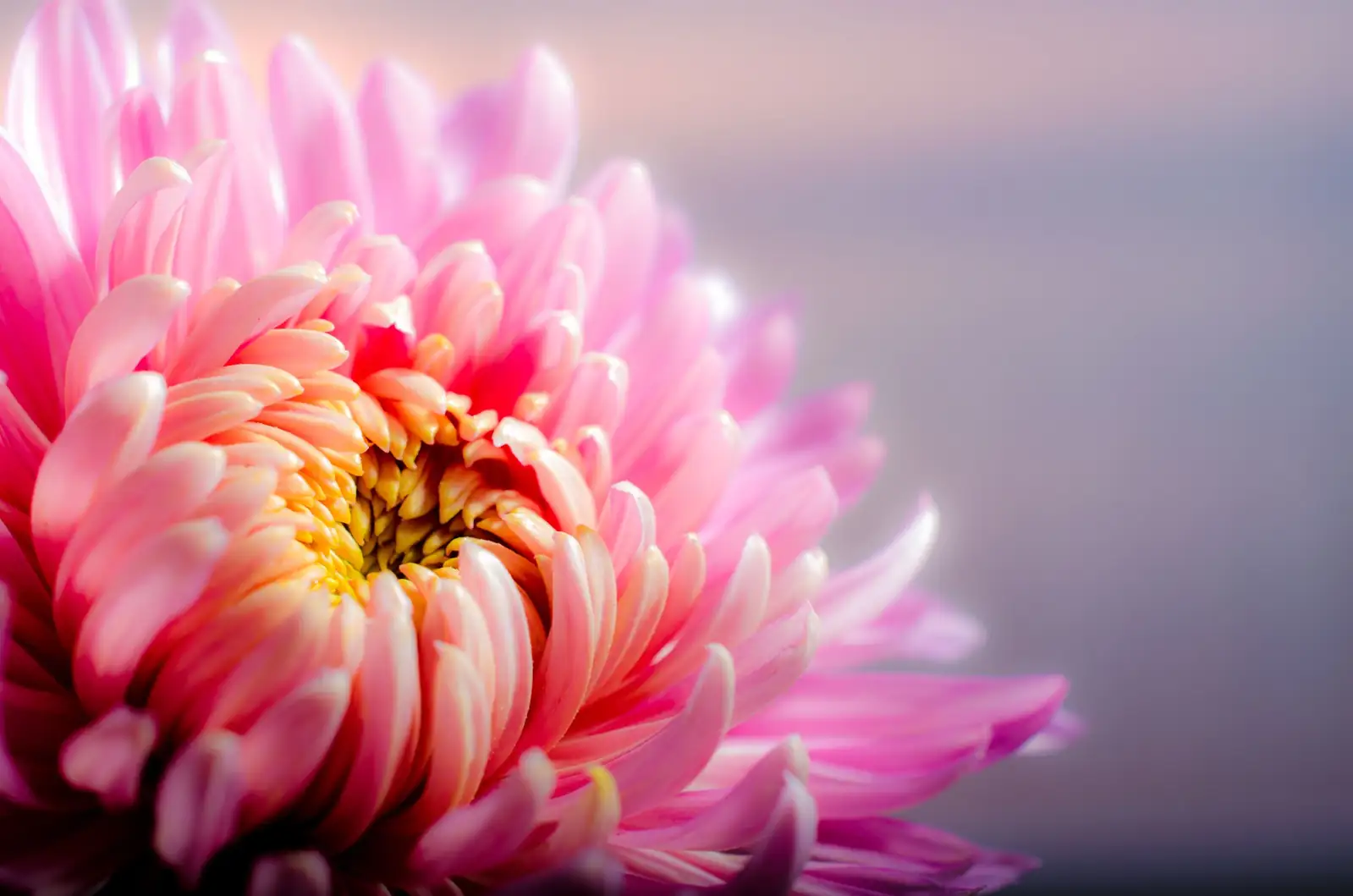
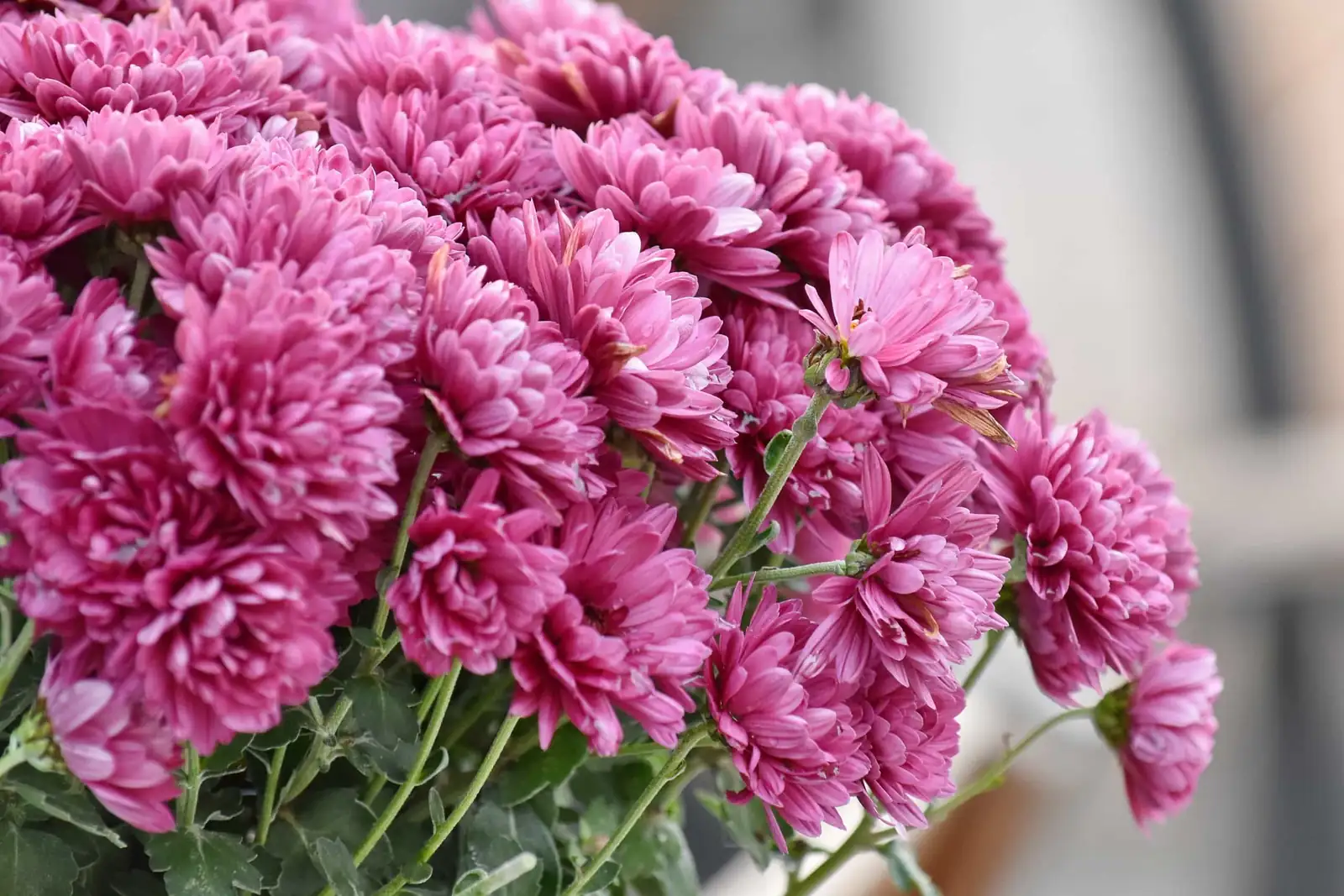
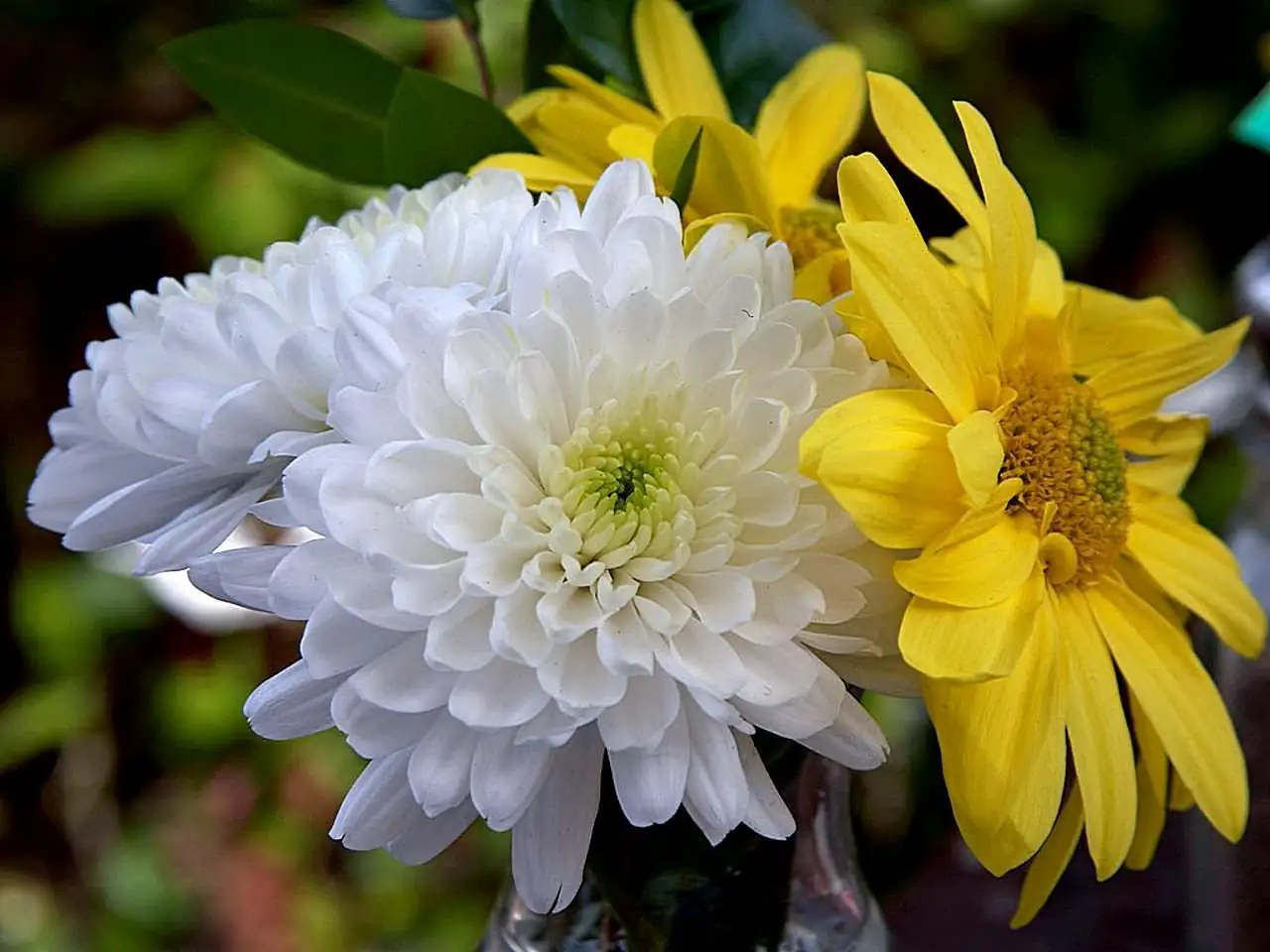
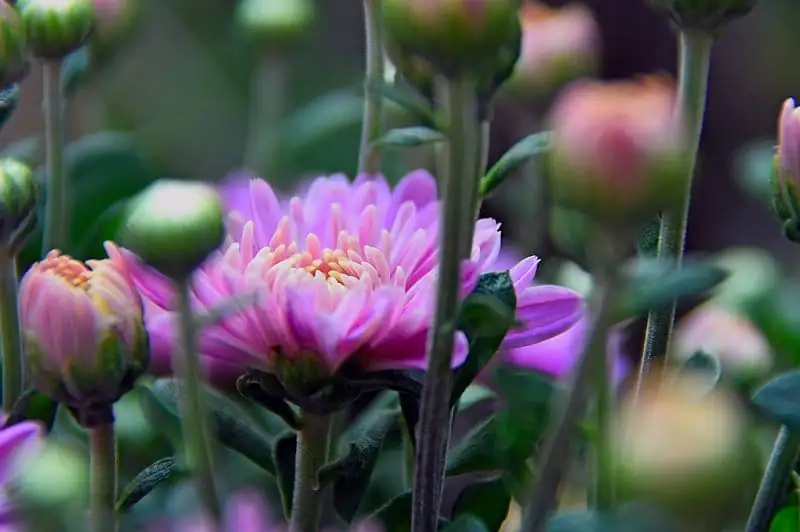
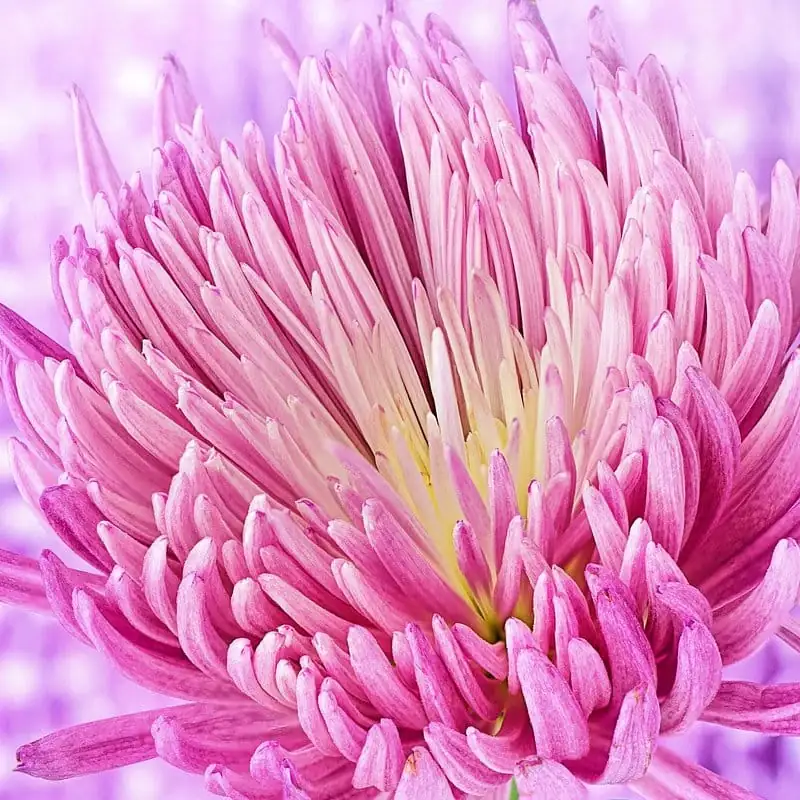
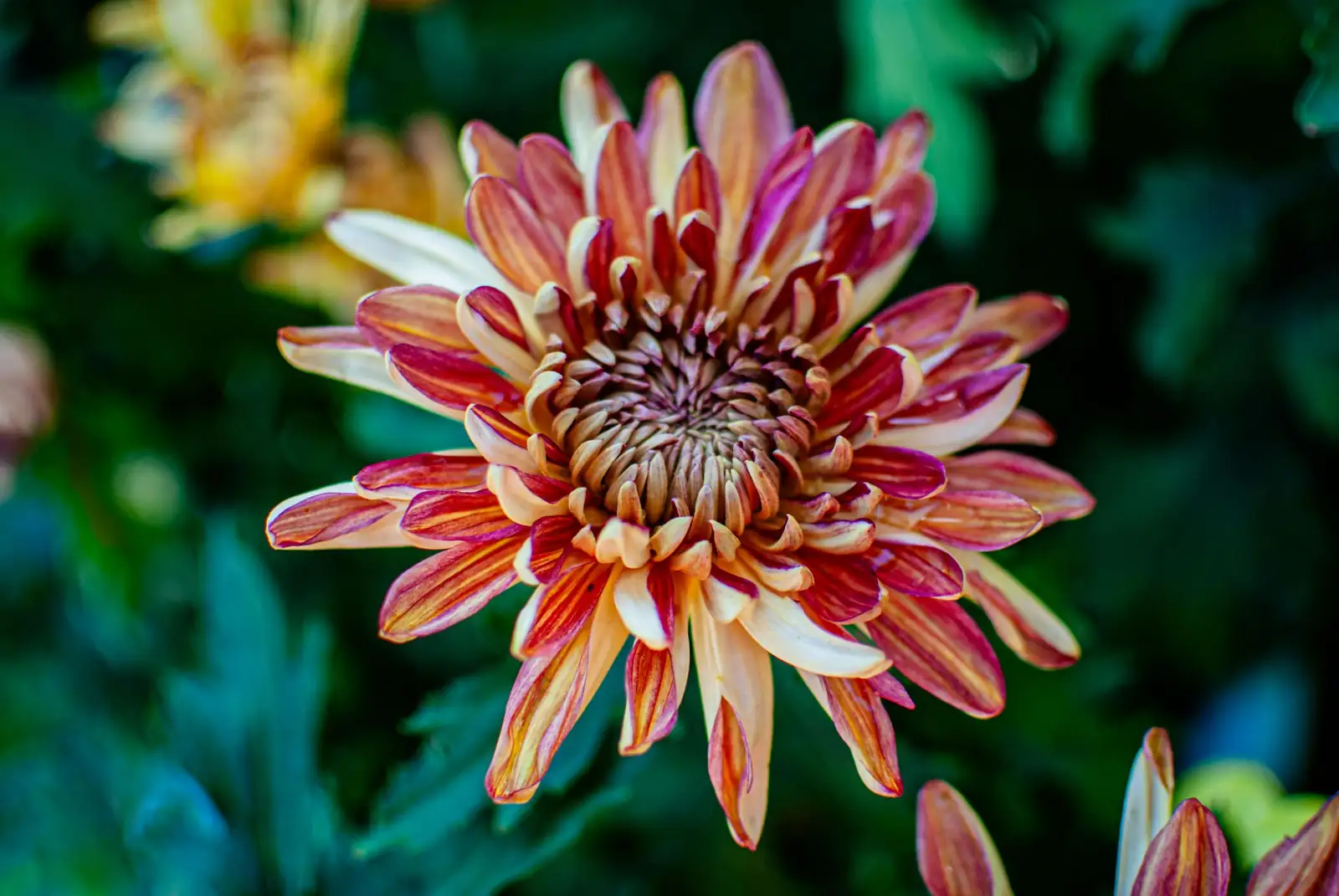
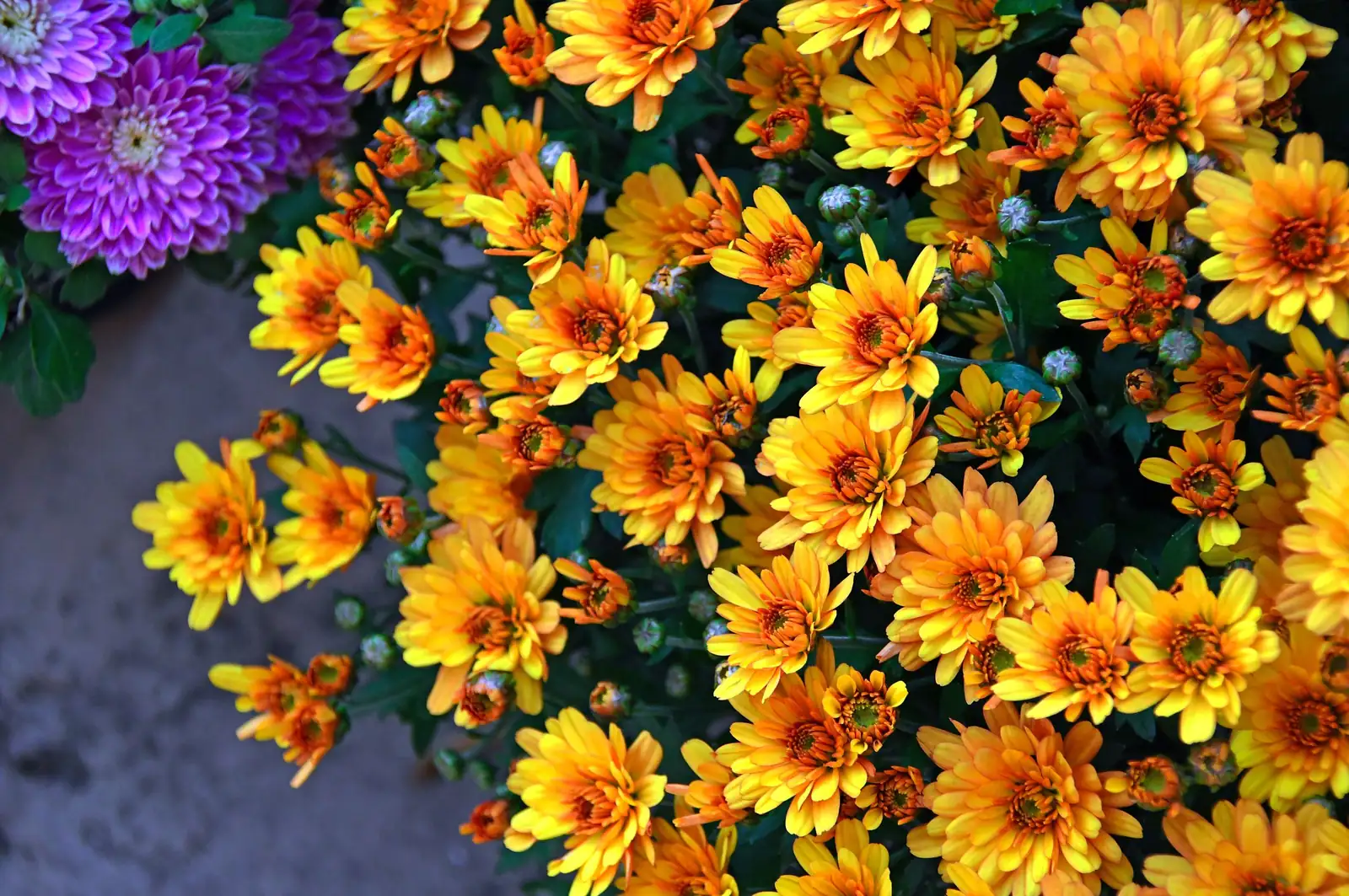
- Flower: Flower heads are classic Aster-family composites (capitula): showy ray florets around a center of disc florets. Bloom diameter ranges from about 2.5–20+ cm (1–8+ in). Forms can be single/daisy, decorative, pompon, button, spider, spoon, quill, anemone, and many hybrids. Colors include yellow, white, purple, pink, red, orange, bronze, and occasionally green or very dark (near-black) cultivars.
- Flowering Season: Primarily autumn (September through November). Buds typically initiate when day length drops to about 12 hours or less; some cultivars flower in summer or very late fall.
- Growth Habit: Upright and bushy with multiple branching stems; the base can become woody. After flowering, top growth often dies back, with new shoots emerging from underground parts in spring.
Environment
Sunlight
Full sun is best for strong stems and heavy flowering—aim for at least 5–6 hours of direct sun daily. In hot climates, light afternoon shade can help prevent stress.
Temperature
Best growth is around 15–21°C (60–70°F). Plants can tolerate heat up to about 32°C (90°F) and will still grow at roughly 10°C (50°F). Established hardy garden mums can overwinter to about −23°C (−10°F) or lower in suitable cultivars, especially with winter protection.
Humidity
Moderate humidity is ideal. Good airflow is important—crowding plus high humidity can invite fungal problems.
Soil
Rich, fertile, well-draining loam or sandy soil with plenty of organic matter; pH about 6.0–7.0 (slightly acidic to neutral). Avoid waterlogged or poorly drained sites; compost or well-aged manure is beneficial.
Placement
Great for beds, borders, mass plantings, and containers/patio displays. Space about 45–90 cm (18–36 in) apart for airflow. Avoid spots with bright night lighting (street/porch/security lights), which can interfere with bud formation in this short-day plant. Do best away from heavy root competition from large trees and shrubs.
Hardiness
Commonly hardy in USDA Zones 5–9, with some cultivars reaching Zone 3 when well established and properly protected (mulch after the ground freezes).
Care Guide
Difficulty
Easy to moderate. They’re generally straightforward, but the showiest, most flower-packed plants come from regular pinching, good sun, and consistent watering.
Buying Guide
For long-term garden performance, buy and plant in early spring so roots establish well before winter. For fall decorating, choose plants with healthy green foliage, sturdy stems, and lots of unopened buds (so the display lasts longer). Avoid wilted plants, yellow leaves, pest damage, or pots without drainage holes. Note: many “florist mums” are bred for quick seasonal color and may not overwinter reliably compared with hardy garden mum varieties.
Watering
Keep soil evenly moist but never soggy. Water deeply when the surface begins to dry, letting excess drain freely (especially in pots). Container mums may need daily watering during summer heat. Water at the soil line rather than overhead to reduce leaf diseases. After flowering and into dormancy, reduce watering.
Fertilization
A hungry grower: feed regularly during active growth. A balanced fertilizer (such as 10-10-10) monthly through the growing season works well; when buds begin to form, switch to a bloom-supporting, higher-phosphorus option. Stop fertilizing once buds show color. For fall-planted mums, hold fertilizer until spring. Too much fertilizer (especially nitrogen) can cause leggy growth and fewer blooms.
Pruning
Pinching makes the difference between a lanky plant and a dense, bloom-covered mound. Start when plants reach about 15 cm (6 in) tall by removing roughly 2 cm (3/4 in) of the soft tip growth. Repeat every 2–3 weeks until mid-July (cooler climates) or early August (warmer climates), roughly 100 days before the target bloom window. For extra-large single blooms, disbud by removing all but the strongest terminal bud. After frost, leave dead stems in place through winter as insulation; cut back in spring once new shoots appear.
Propagation
Common methods include: (1) Stem cuttings in spring—take 10–15 cm (4–6 in) cuttings, use rooting hormone, and root in sterile medium; roots typically form in 2–3 weeks at about 21–24°C (70–75°F). (2) Division—every 2–3 years in spring, lift and split clumps into sections with shoots and roots, then replant immediately. (3) Seed—start indoors 6–8 weeks before last frost; germination is usually 1–3 weeks at 21–24°C (70–75°F). Seedlings may bloom in ~3 months but won’t necessarily come true to the parent cultivar.
Repotting
Repot container mums in spring using fresh, well-draining mix. Step up pot size gradually as they grow; many plants benefit from 2–3 pot increases across the season. A final pot around 20–25 cm (8–10 in) diameter is commonly suitable. Always ensure drainage holes.
📅 Seasonal Care Calendar
Spring (Mar–May): Plant after frost danger; start seeds indoors; begin pinching once plants reach 15 cm (6 in).
Summer (Jun–Aug): Continue pinching until mid-July to early Aug; water consistently; fertilize monthly; watch for pests.
Fall (Sep–Nov): Peak bloom; deadhead to extend flowering; reduce watering slightly; fall planting gives instant color but may reduce winter survival.
Winter (Dec–Feb): Leave dead stems for insulation; mulch roots 10–15 cm (4–6 in) after the ground freezes; move potted plants to a cold, protected spot and water lightly only if very dry.
Pests, Diseases & Safety
Common Pests & Diseases
Common diseases include powdery mildew, leaf spot, rust, Botrytis blight, wilts (Fusarium/Verticillium), stem and root rots (Pythium/Rhizoctonia), crown gall, and aster yellows. Prevention centers on spacing for airflow, watering at the soil line, good drainage, removing infected material, choosing resistant varieties, and rotating plantings.
Common pests include aphids (very common), spider mites, thrips, leafminers, whiteflies, caterpillars, and foliar nematodes (often causing lower-leaf browning). Manage with regular scouting, removing affected growth, insecticidal soap or horticultural oil for soft-bodied pests, and encouraging beneficial insects; severe infestations may require targeted controls.
Toxicity
Humans: generally considered low-toxicity, and certain forms are used for chrysanthemum tea; however, sap/contact can trigger skin irritation or dermatitis in sensitive people.
Pets: toxic to cats, dogs, and horses due to compounds including pyrethrins and sesquiterpene lactones. Ingestion may cause vomiting, diarrhea, drooling, poor coordination, and skin irritation. Keep plants out of reach and contact a veterinarian if exposure is suspected. (Pyrethrin is used in some pet products, but only in carefully controlled formulations.)
Culture & Symbolism
Symbolism: Chrysanthemums carry a lot of cultural “weight,” and meanings vary by place:
In China, they’re a symbol of autumn and one of the “Four Gentlemen” (with plum blossom, orchid, and bamboo), linked to noble character, longevity, and rejuvenation—also tied to the Double Ninth Festival and the poet Tao Yuanming’s ideal of scholarly retirement.
In Japan, the chrysanthemum is the Imperial crest; the monarchy is famously called the “Chrysanthemum Throne,” and September 9 is celebrated as Chrysanthemum Day.
In Victorian flower language, they often meant cheerfulness and well-wishing (with color meanings like red for love and white for truth).
In parts of Europe, white or yellow chrysanthemums may be associated with mourning and are used for funerals and graves.
History & Legends: Cultivated for roughly 3,000 years, chrysanthemums were first grown in ancient China as both a medicinal herb and a treasured flower. They later traveled to Japan (around the 8th century), where they became a powerful imperial symbol. By the 17th century they reached Europe, where their name was built from Greek roots meaning “gold flower.” In the United States, chrysanthemums arrived by the late 18th century and then exploded in popularity through intensive breeding in the 19th and 20th centuries—resulting in tens of thousands of cultivars worldwide. In art and literature, they’re especially linked with Tao Yuanming, whose writings helped cement the chrysanthemum’s reputation as the flower of quiet integrity and contentment.
Uses: Ornamental: A top-tier fall bedding and container plant, and one of the world’s most important cut flowers; used in borders, patio pots, mass plantings, exhibitions, hanging/cascade forms, and even chrysanthemum bonsai traditions.
Culinary: Flowers are dried for chrysanthemum tea; young leaves/shoots are eaten as greens in East Asian cuisines; small blooms may be used as garnish.
Medicinal (traditional): Long used in Traditional Chinese Medicine, often described as cooling and supportive for the eyes; modern studies commonly note antioxidant and anti-inflammatory compounds.
Industrial: Related “pyrethrum” daisies produce pyrethrins, widely used as natural insecticides.
Indoor air: Sometimes cited in popular references for helping reduce certain indoor pollutants when grown as a houseplant (results can vary with conditions).
FAQ
Why aren’t my mums flowering?
Common culprits are: too little sun (aim for 5–6+ hours), too much nitrogen fertilizer (lush leaves, few buds), pinching too late, or nighttime light exposure (mums need long, uninterrupted nights because they’re short-day plants). Also make sure you’re growing a variety suited to your climate and timing.
Can fall-purchased mums survive winter?
Sometimes, but it’s less reliable—especially with florist mums sold for immediate fall color. Survival improves if you plant early (ideally 6+ weeks before frost), choose hardy varieties labeled for your zone, keep soil well-drained, leave stems for winter insulation, and mulch after the ground freezes. Spring planting is the most dependable route.
How do I overwinter potted mums?
After frost, move pots to a cold, protected place like an unheated garage or cold frame (around 0–4°C / 32–40°F is often ideal). Keep the soil barely moist (check every 2–3 weeks), don’t cut everything down immediately, and in spring reintroduce the pot gradually to outdoor conditions before trimming back dead stems once new growth is visible.
Why are my mum’s leaves turning yellow?
Yellowing is often from water issues (too wet or too dry), but can also come from low light, nutrient deficiency, pests (aphids/mites), or disease (leaf spot/root rot). Check soil moisture and drainage first, then inspect leaves and stems closely for pests or spotting.
When and how should I pinch my mums?
Start pinching when plants are about 15 cm (6 in) tall. Remove about 2 cm (3/4 in) from each growing tip, repeating every 2–3 weeks. Stop by mid-July in cooler regions or early August in warmer ones; pinching after that can delay or prevent fall flowering.
Are chrysanthemums deer resistant?
Not reliably—deer may eat mums, especially when food is scarce. If deer browse your garden, combine strategies like fencing, repellents, and planting more deer-resistant companions.
Fun Facts
- Chrysanthemums have been cultivated for over 3,000 years—one of the oldest garden flowers still going strong.
- There are tens of thousands of cultivars worldwide, with enormous variety in color and bloom form.
- They’re “short-day” plants: long nights trigger bud formation, which is why they’re famous fall bloomers.
- In Japan, the chrysanthemum is so iconic that the monarchy is nicknamed the “Chrysanthemum Throne.”
- Some exhibition types can produce single blooms over 20 cm (8 in) across.
- “Thousand-bloom” trained plants can carry more than 1,000 flowers on a single specimen.
- Pyrethrins—natural insecticides used for over 200 years—come from chrysanthemum relatives grown specifically for this purpose.
- With division every few years, many garden mums can live 3–5 years or longer.


