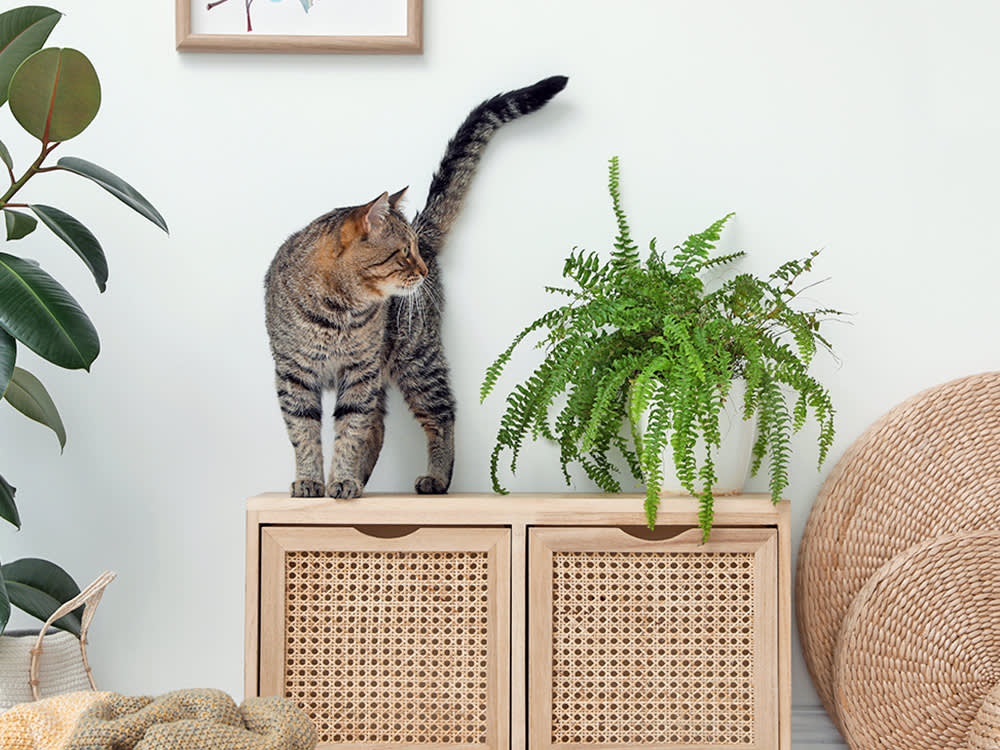
If you dream of a lush, soft-green “fountain” of foliage that’s kind to curious paws and whiskers, Nephrolepis exaltata—better known as the Boston fern—checks every box. Its arching, feathery fronds look fabulous in the airspace of a room, and with a few smart styling moves you can keep it both pet-safe and pristine, even in a home full of dander and daily bustle.
Pet safety, plain and simple
- Non-toxic: Boston fern is generally regarded as non-toxic to cats and dogs and is commonly listed as pet-safe by animal-care organizations.
- Still, limit snacking: Chewing any plant can cause mild stomach upset in sensitive pets. If your buddy nibbles and shows persistent vomiting, diarrhea, or lethargy, contact your vet.
- Pro tip: Offer “legal greens” like cat grass and engaging toys so the fern isn’t the entertainment.
Style it pet-smart: elevate, trail, and create cozy hideouts
A Boston fern’s superpower is vertical drama. Use height and gentle cascades to keep it gorgeous and just out of snack range.
High and handsome: where to place it
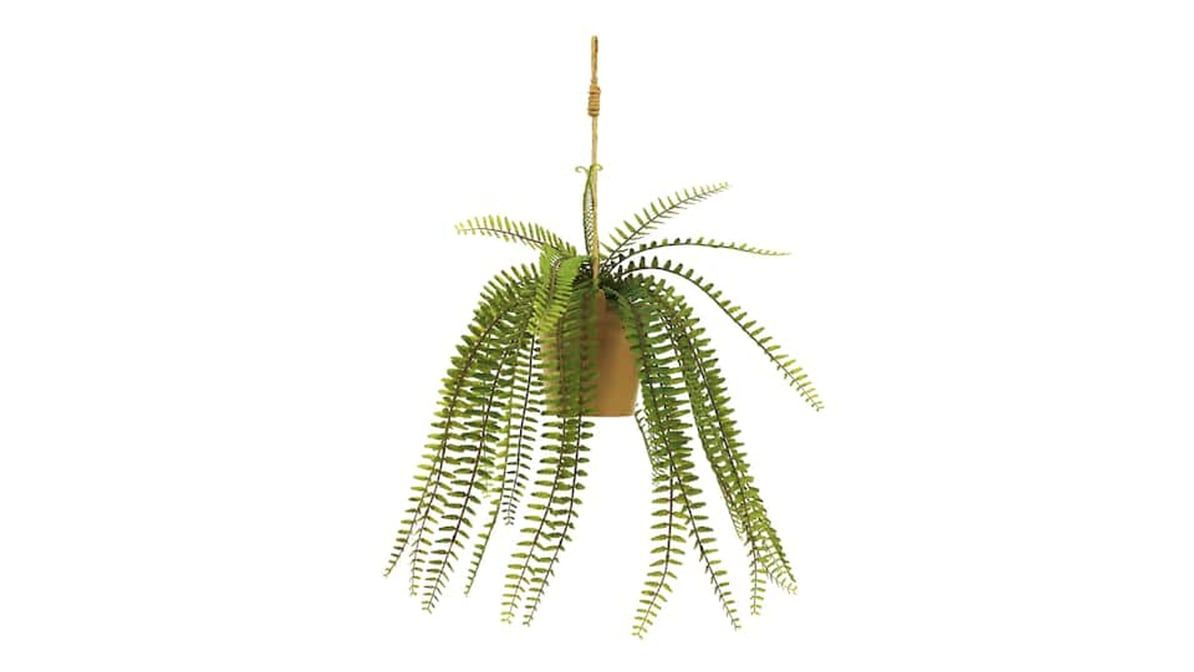
- Hanging baskets: Install sturdy ceiling hooks (anchored to a joist) and use lined baskets with drip trays; water in the sink or tub to avoid drips.
- Floating shelves and plant ledges: Mount above common pet perches; leave room for fronds to spill freely without brushing a cat’s favorite runway.
- Tall plant stands or étagères: Lift the crown to eye level while keeping the pot stable and heavy enough to resist enthusiastic tail swishes.
- Bathrooms and bright kitchens: Moist air is a fern’s best friend—just ensure there’s decent light and some airflow.
Pet-proofing add-ons:
- Topdress soil with chunky bark or river stones to discourage digging.
- Use wider, heavier pots or weighted cachepots for stability.
- If your cat is an acrobat, hang the basket 18–24 in from the nearest launch point.
Cozy hideouts, thanks to soft canopies
Let the fern be a green valance:
- Over a reading nook, pet crate, or entry bench, place a fern up high so fronds curtain the edge and create a snug, den-like feel below.
- In kid or pet zones, route water away from traffic. Place a waterproof saucer under the pot and empty promptly after watering.
Keep paws off the pot (and plant)
- Positive training: Reward pets for ignoring the plant; redirect with toys or cat grass.
- Gentle barriers: Use a slim tension rod with a sheer curtain under a shelf or mount a narrow lattice panel as a decorative “air fence” beneath a hanging planter.
- Soil-free option: Water culture is possible with inert media in a watertight vessel. Keep solutions out of pet reach and refresh water regularly.
Care that keeps fronds plush (and less tempting)
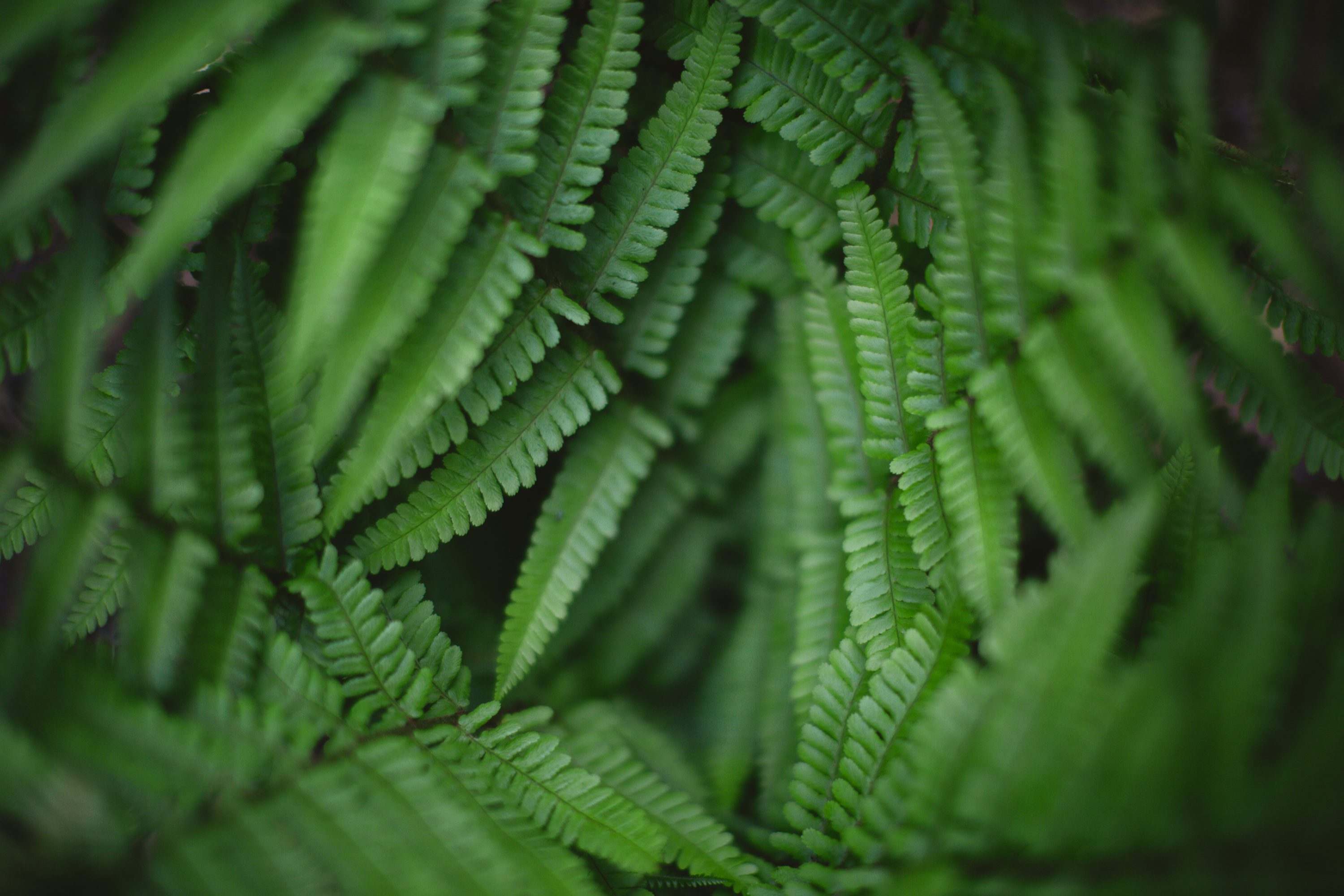
Healthy, hydrated fronds are fuller, softer, and shed less—perfect for a pet household.
- Light: Bright, indirect light to partial shade. Gentle morning sun is fine; avoid harsh midday/afternoon rays that scorch.
- Temperature: Best at 16–24°C (61–75°F). Brief dips to ~10–12°C (50–54°F) are tolerated; keep well above 7°C (45°F).
- Humidity: Aim for 50–70%+. Use a humidifier, pebble tray (pot base above the waterline), group plants, and ensure some airflow.
- Watering: Keep evenly moist in spring–early autumn. Water thoroughly when the top 2–3 cm (about 1 in) just begins to dry; drain fully. In winter, let the surface dry slightly between waterings.
- Rehydrate evenly every couple of weeks by soaking the pot for ~10 minutes, then drain well.
- Soil: Moisture-retentive yet free-draining, slightly acidic. A peat or leaf-mold–forward mix with added perlite/coarse sand works well.
- Feeding: During the growing season, use a balanced liquid fertilizer at 1/2 strength monthly, or more diluted every 2 weeks from April to September. Pause in late fall/winter. Flush with plain water occasionally to prevent salt tip-burn.
- Pruning: Snip yellowed or broken fronds at the base. Light thinning improves airflow. Stressed plants often rebound after a harder cutback if kept warm and humid.
- Repotting: Every 2–3 years in spring or when crowded. Move up one size, refresh mix, trim any mushy roots. Common basket diameters: 15–20 cm (6–8 in).
- Propagation: Easiest by division or by potting up plantlets along runners (stolons). Advanced growers can raise ferns from spores on a fine, sterile medium.
Size and growth habit:
- Expect ~30–90 cm (12–35 in) tall and 60–90 cm (24–35 in) wide indoors, with mature fronds sometimes stretching to ~120 cm (48 in) in prime conditions—perfect for that languid, trailing look.
The dander-and-dust cleanup playbook
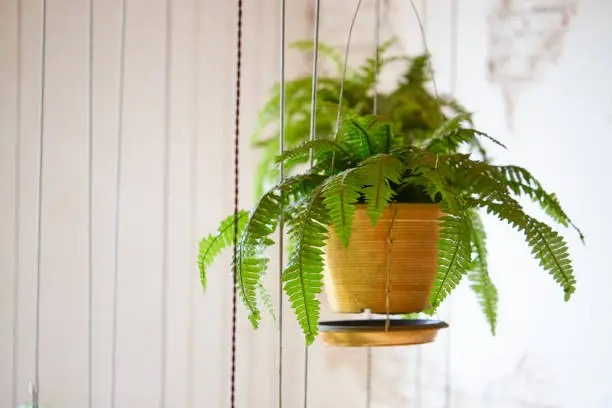
Boston ferns are natural dust-catchers, which helps a room feel fresher. In real homes, overall air freshness still depends on ventilation and plant size, but routine grooming keeps both plant and space feeling clean.
Weekly quick-clean:
- Gently “fluff” the fern: hold the pot and lightly shake to dislodge loose dust.
- Use a soft, dry paintbrush or microfiber duster to whisk between pinnae (leaflets). Work from the base outward to avoid breakage.
- If pets shed heavily, vacuum the floor and nearby surfaces first with a soft brush attachment so freshly cleaned fronds don’t immediately re-collect hair.
Monthly shower day:
- Place the plant in the tub, water with lukewarm water from above to rinse dust and dander off both sides of fronds.
- Let it drain thoroughly before rehanging. Keep fronds out of strong sun until fully dry.
Seasonal deep refresh:
- Inspect undersides for pests; rinse well if mites or mealybugs are suspected.
- Thin congested fronds a little to improve airflow in humid seasons.
- Avoid leaf-shine products—ferns have delicate cuticles and breathe best with plain water rinses.
Good-to-know:
- Spores may form as neat, brownish dots under mature fronds—these are normal. Don’t scrub them off; they’re part of fern biology.
Troubleshooting (with pets in mind)
- Browning tips: Most often low humidity, missed waterings, salt buildup, or too much sun. Boost humidity, keep the root ball evenly moist, step back from harsh light, and flush the pot occasionally.
- Pests: Spider mites love dry air. Increase humidity and rinse fronds regularly. Treat outbreaks with insecticidal soap or neem; keep pets away until leaves are dry.
- Sparse growth: Likely too little light. Nudge it closer to bright, filtered light.
Fast styling recipes for pet households
- The Splashless Spa: Hang a fern near a bright bathroom window; mist is built-in, and it sits well above paw level. Add a mounted drip tray and water in the tub.
- The Reading Nook Canopy: On a high shelf above a chair or pet bed, let fronds veil the edge to create a calm, cave-like retreat beneath.
- The Kitchen Ledge Fountain: Place the fern on a high, filtered-light shelf far from the stove and vents; topdress the soil with smooth pebbles to deter curious snouts.
Quick answers
- Is it safe for pets? Yes—generally non-toxic to cats and dogs. Limit chewing to avoid tummy upset.
- Can it live in a bathroom? Absolutely, if there’s decent light and ventilation.
- Outdoor use? In warm, frost-free climates (mainly USDA Zones 10–11; sheltered 9–11 in some locales). Provide bright shade and steady moisture.
- How often to water? In active growth, when the top 2–3 cm (about 1 in) feels slightly dry—often about weekly indoors, less in winter, adjusting for your light and humidity.
Bring home a Boston fern for a soft, cascading accent that plays beautifully with pets and people alike. Elevate it, let it trail, give it humidity and a regular rinse, and you’ll have a lush green companion that freshens your space without fuss—or worry.