Discovering the Quirky World of Hemerocallis fulva: The Daylily
Welcome to the fascinating world of the daylily, scientifically known as Hemerocallis fulva. Often spotted along roadsides, in gardens, and sometimes even peeking out from ditches, this unassuming plant is a powerhouse of beauty, resilience, and botanical intrigue. Despite its commonplace presence, there’s nothing ordinary about the daylily, and it harbors secrets that might surprise even the most seasoned gardeners. So let’s dive into the quirks and characteristics that make the daylily a cherished favorite.
A Bloom with a Time Limit
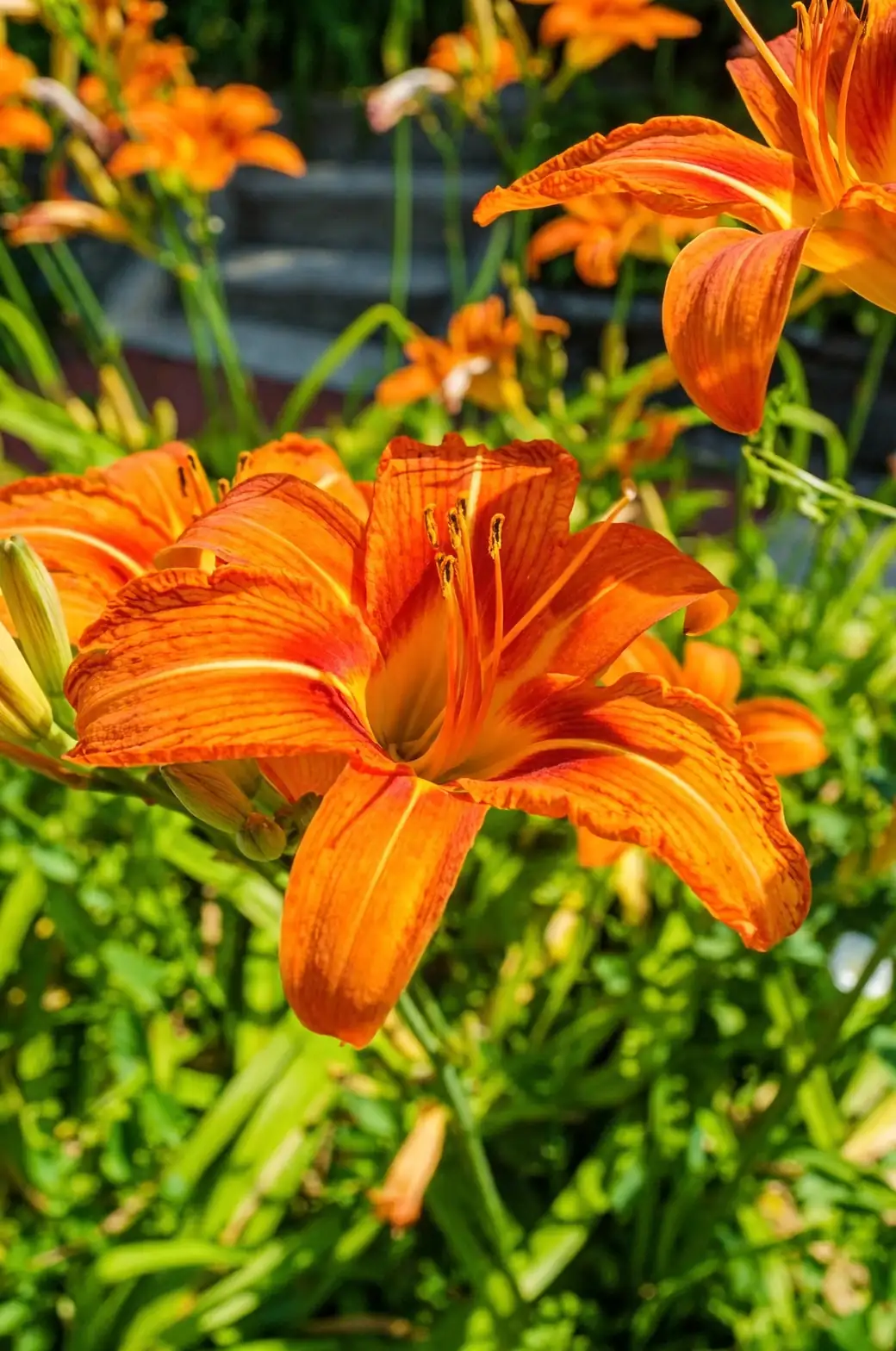
Imagine a flower that blooms with the sunrise and wilts with the sunset—such is the life of a daylily flower. Each delicate bloom graces the world for just a single day, a fleeting flash of beauty reminiscent of a brilliant firework lighting up the night sky. But don’t let this ephemeral nature fool you into thinking the plant itself is short-lived. A well-tended daylily can produce hundreds of flowers over a season, with each stem, or scape, loaded with buds ready to take their turn in the limelight.
The Master of Adaptation
Daylilies are among the most adaptable plants on the planet. Whether you’re dealing with scorching heat, bitter cold, or anything in between, these resilient perennials are up to the challenge. They’re happiest in USDA Zones 3-9, but some varieties stretch their comfort zones even further, making them suitable for a wide range of climates. And when it comes to soil, daylilies are equally undemanding. From rich loams to stubborn clays, these plants are content as long as the drainage is decent.
A History of Wanderlust
Originally native to Asia, particularly China, Japan, and Korea, daylilies embarked on a botanical journey in the 16th century, making their way to Europe and later to North America with early colonists. Over time, they naturalized so effectively that many people now mistakenly consider them native to these regions. Fascinatingly, the daylily’s name derives from the Greek words “hemera” for day and “kallos” for beauty—aptly describing its one-day bloom phenomenon.
Hybridization Feats and Night-Blooming Wonders
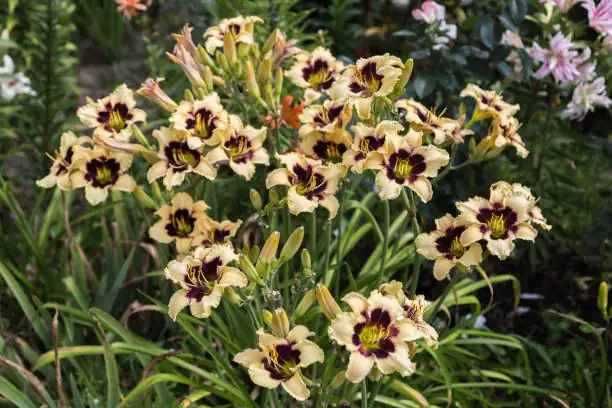
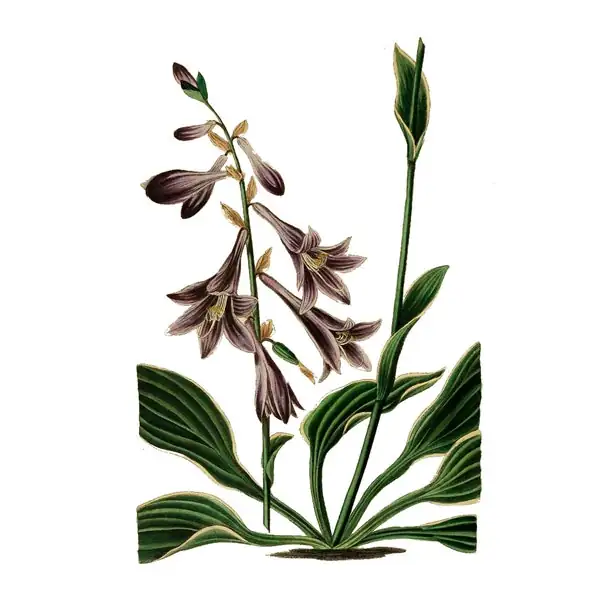
Did you know that daylilies are one of the most hybridized plants in horticultural history? With tens of thousands of cultivars, these plants showcase a dazzling array of colors, shapes, and sizes, from the traditional tawny orange to deep purples and brilliant reds. However, you’ll never find a true blue or white daylily—nature has its limits, after all!
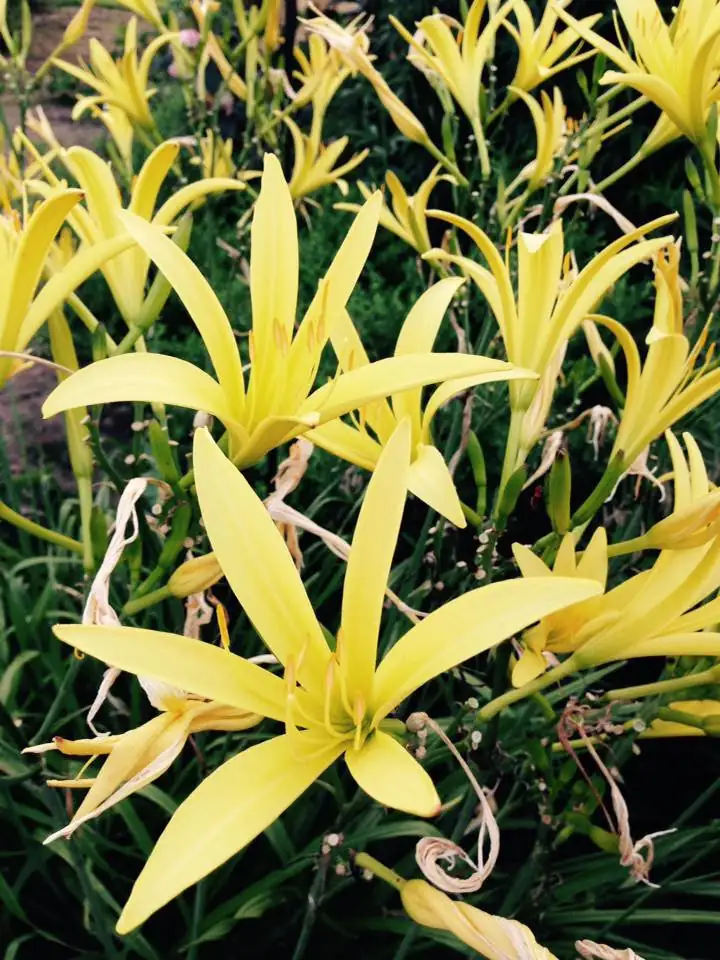
Notably, while most daylilies bloom during the day, some unique cultivars save their show for the night, often accompanied by captivating fragrances. These nocturnal bloomers add a mysterious allure to gardens, offering a different kind of floral spectacle under the moonlight.
Daylilies in Culture and Cuisine
In Chinese culture, daylilies symbolize motherhood and are known as “forget-worry grass,” believed to help alleviate anxiety. This symbolism highlights the plant’s association with maternal love and the idea of setting aside worries, a sentiment that has resonated through generations.
In the culinary world, daylilies offer more than just visual appeal. The buds and flowers are a staple in Asian cuisine, adding flavor and nutrition to soups and stir-fries. However, it’s crucial to ensure they are pesticide-free and correctly identified before consumption, as some people may experience mild digestive upset.
Fun Facts to Bloom Your Mind
- Despite each flower’s brief existence, a single scape can host multiple blooms, ensuring a continuous display of color.
- The tawny daylily, often found on roadsides, earned its nickname “ditch lily” due to its resilient nature and tendency to thrive in less-than-ideal conditions.
- With their robust root systems, daylilies are excellent for erosion control, often used to stabilize slopes and embankments.
Caring for Your Daylilies
For those looking to cultivate these low-maintenance marvels, daylilies require minimal effort:
- Sunlight: Aim for full sun to partial shade, with at least six hours of direct sunlight.
- Watering: Once established, they are drought-tolerant but bloom best with regular watering.
- Fertilization: A balanced fertilizer in early spring can boost growth, but daylilies aren’t heavy feeders.
In conclusion, daylilies are a testament to nature’s adaptability and beauty, offering a perfect blend of charm and resilience. Whether you’re a beginner gardener or an experienced horticulturist, these plants promise to bring joy with their vibrant display and intriguing quirks. So next time you spot a daylily, take a moment to appreciate the wonder of its fleeting bloom and the rich tapestry of history and hybridization that makes it truly unique.