Creating a Harmonious Garden with Oleander: The Art of Companion Planting
Imagine stepping into a garden where every plant seems to be in perfect harmony, each playing a role in a vibrant ecosystem. This is the art of companion planting, where strategic plant pairings not only enhance visual appeal but also promote ecological balance. Today, we dive into the world of Nerium oleander—a plant known for its robustness and beauty—and explore its ideal companions that can transform your garden into a stunning, sustainable haven.
Meet the Oleander: A Mediterranean Marvel
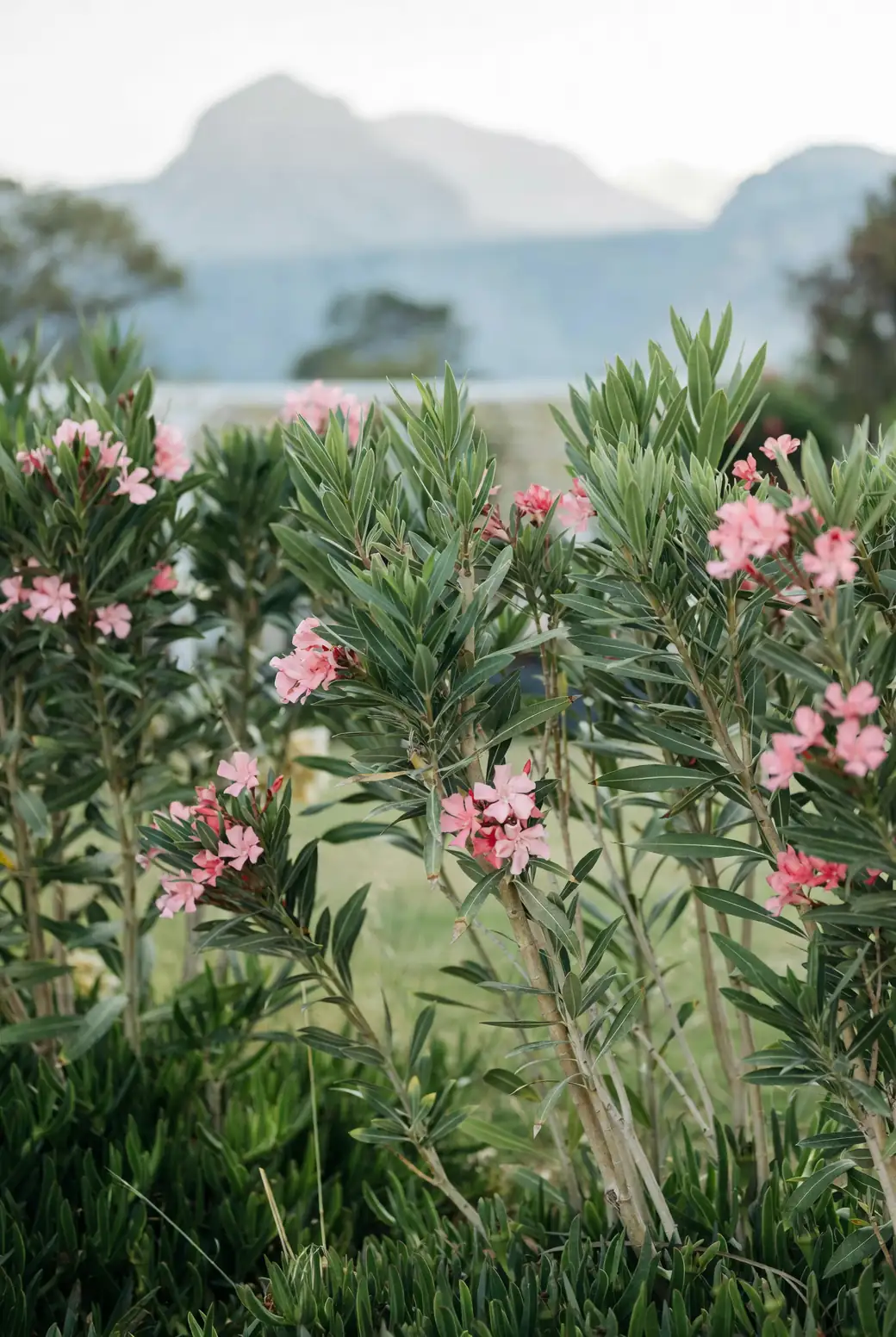
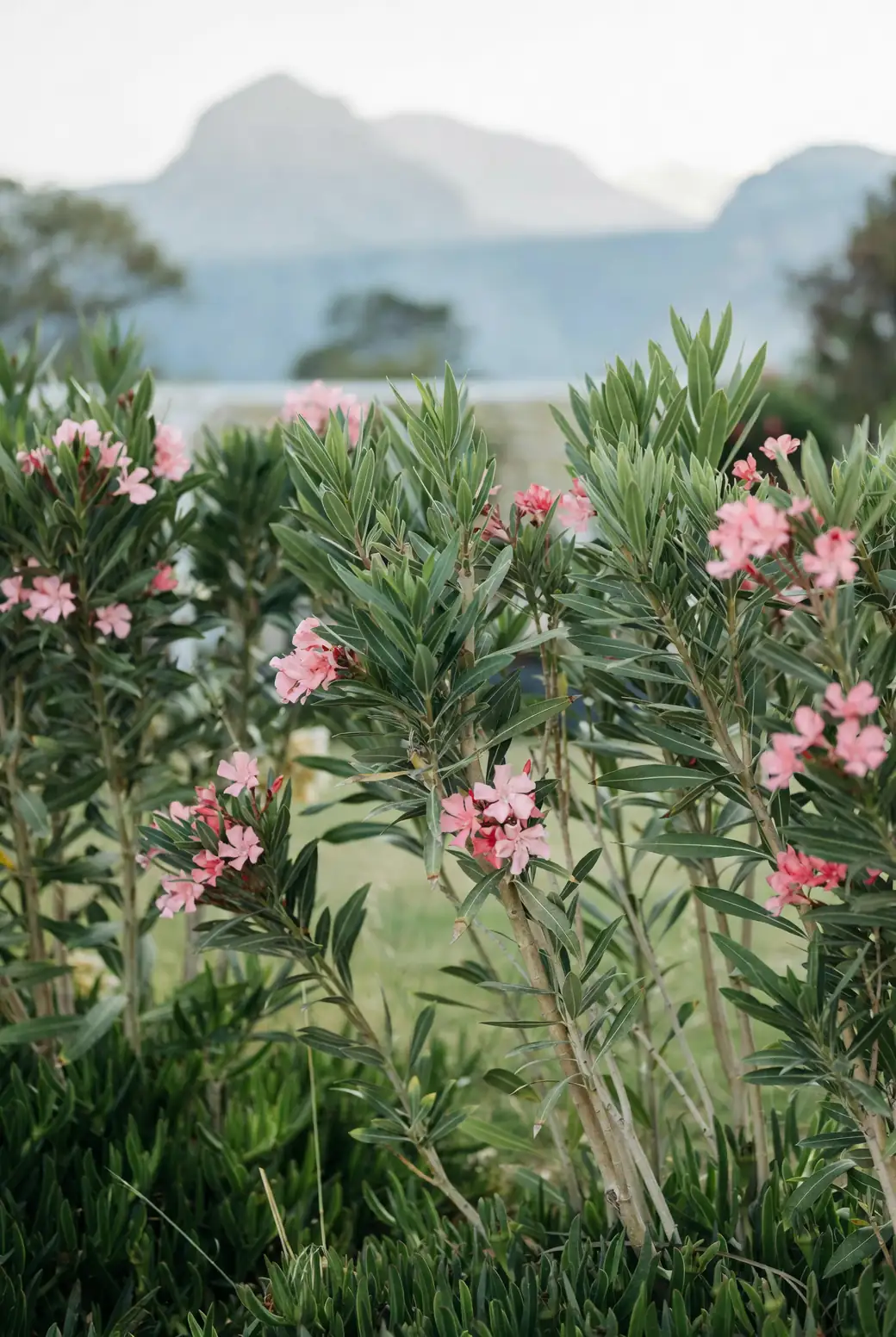
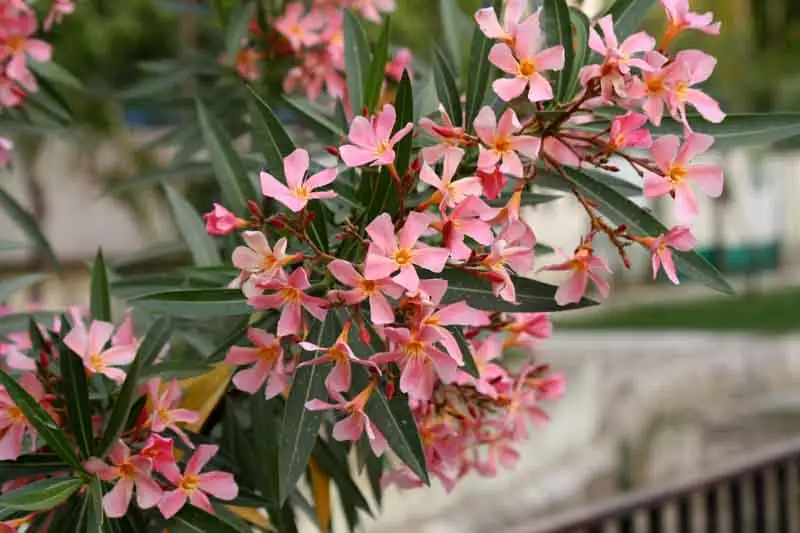
Nerium oleander, also known as oleander, is a Mediterranean native that possesses an enchanting allure. With its evergreen foliage and long-blooming flowers that range from pristine white to deep red, oleander is a staple in gardens that need a touch of resilience and elegance. Its ability to withstand heat, drought, and urban pollution makes it a hero in challenging environments. However, its toxic nature means it should be admired from a distance, making it a perfect candidate for a thoughtfully curated garden space.
Why Companion Planting?
Before we delve into specific plant pairings, let’s explore why companion planting with oleander is a brilliant idea:
- Soil Health: Oleander, while hardy, can deplete soil nutrients over time. Companion plants can help replenish these nutrients, ensuring a healthy growth environment.
- Pest Management: Some companions naturally deter pests, reducing the need for chemical interventions.
- Aesthetic Harmony: The right companions can enhance oleander’s beauty, creating a garden that is visually stunning and ecologically harmonious.
Perfect Partners for Oleander
Lavender
Lavender is a match made in heaven for oleander. With its fragrant purple blooms, lavender not only adds a splash of color but also acts as a natural aphid deterrent. Both plants thrive in sunny conditions and well-drained soil, making them ideal partners in crime.
- Benefits: Deterrent to aphids, attracts pollinators like bees and butterflies.
Rosemary
Rosemary is another sun-loving plant that pairs beautifully with oleander. Its aromatic foliage serves as a protective barrier against pests, while its minimal water needs align perfectly with oleander’s drought tolerance.
- Benefits: Pest repellent, complements oleander’s growth conditions.
Lantana
If you’re looking to add a vibrant pop of color, lantana is your go-to. Its bold, bright blooms attract beneficial insects, creating a balanced garden ecosystem. Lantana’s resilience in drought conditions makes it a steadfast companion.
- Benefits: Attracts beneficial insects, natural pest deterrent.
Salvia
Salvia brings both color and resilience to the garden. Known for attracting pollinators, salvia complements oleander by drawing in bees and butterflies, which enhances the garden’s vibrancy.
- Benefits: Pollinator magnet, drought-resistant.
Yarrow
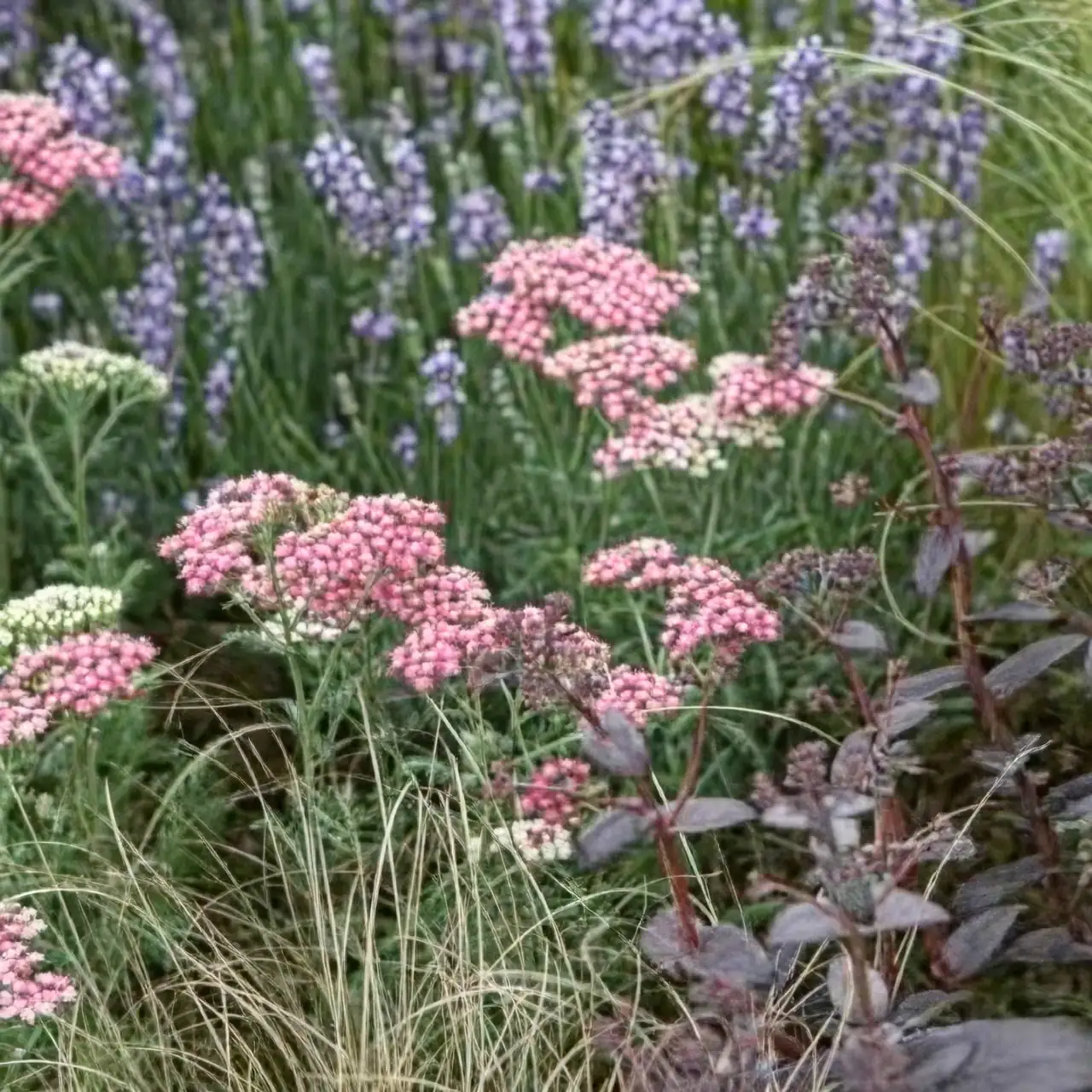
Yarrow provides a textural contrast with its feathery foliage and varied hues. It’s not just a pretty face; yarrow enriches soil quality and attracts helpful insects, making it a valuable asset to any garden.
- Benefits: Soil enrichment, attracts beneficial insects.
Agapanthus
Agapanthus, with its striking blue or white blooms, offers structural contrast to oleander’s lush foliage. Both plants share a love for sun and well-drained soil, ensuring they thrive together.
- Benefits: Structural contrast, similar growing conditions.
Designing Your Garden
When designing your garden, consider the placement of each plant to maximize benefits. Place lavender and rosemary closer to pathways to enjoy their fragrance. Use lantana and salvia to create focal points that draw the eye across the garden. Interplant yarrow and agapanthus to add depth and dimension.
A Word on Safety
While oleander’s beauty is undeniable, remember its toxic nature. Always wear gloves when handling the plant and ensure it’s kept out of reach from children and pets. This caution allows you to enjoy its beauty responsibly.
Conclusion: A Symphony of Flora
By choosing the right companions for oleander, you can create a garden that is not only visually captivating but also ecologically balanced. Each plant plays its part, contributing to a thriving, harmonious ecosystem. So, gather your gardening tools, select your plants, and watch as your garden transforms into a living symphony of color and life. Happy planting!