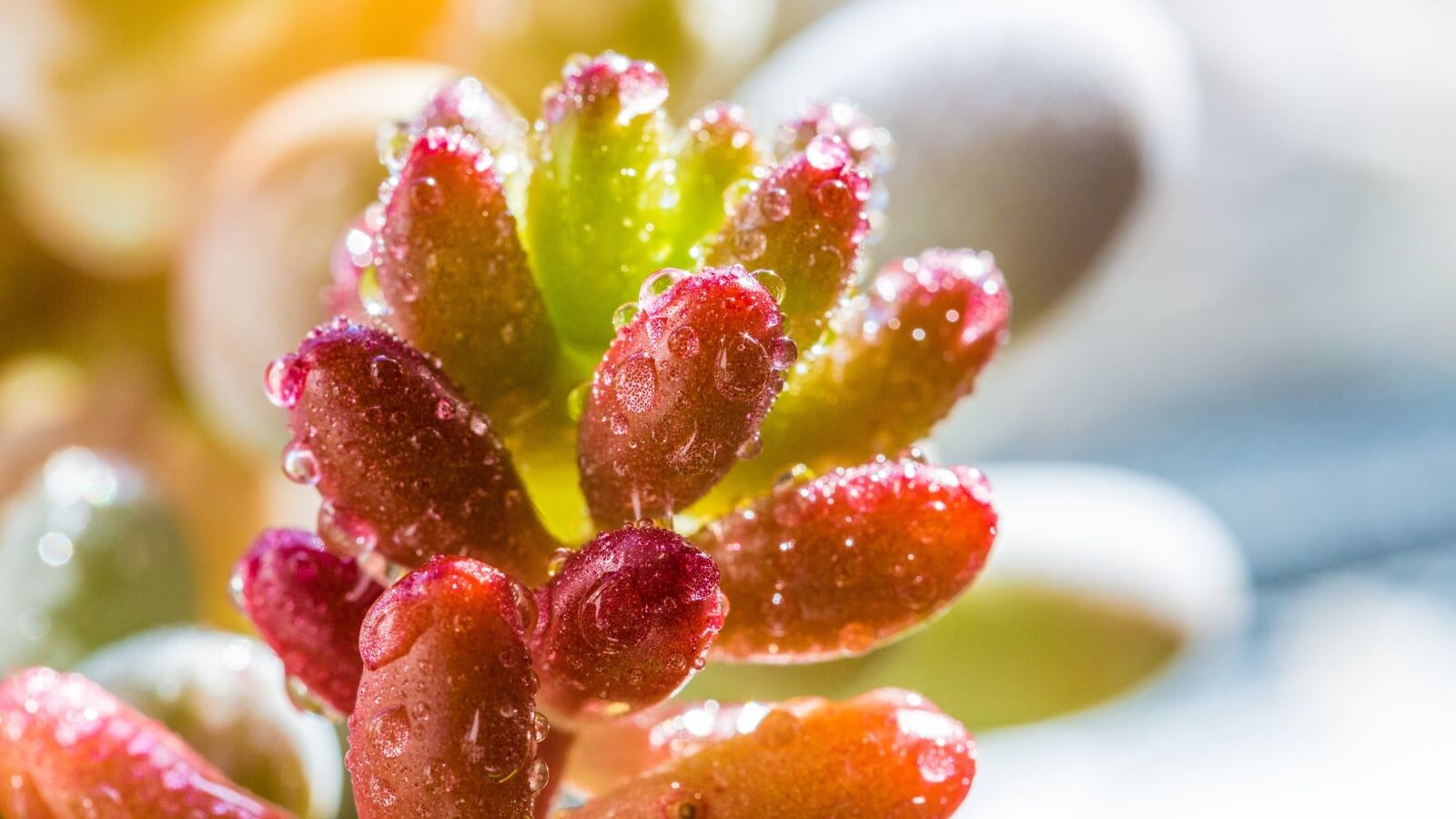
If you garden where winters never bite, Sedum rubrotinctum—better known as the Jelly Bean Plant—can be your most cheerful, low-fuss groundcover. Think of it as living confetti: plump, glossy “beans” that flush from green to coppery red in strong light, spilling over stones and softening edges with an effortless, sun-loving grin. This playbook shows you how to build drainage-first beds, read your microclimates like a pro, and pair companion textures for color that doesn’t clock out when summer ends.
Meet Sedum rubrotinctum, your jelly-bean groundcover
- Identity: Sedum rubrotinctum (Crassulaceae), aka Jelly Bean Plant, Pork and Beans, Christmas Cheer Sedum
- Origin: Mexico
- Habit and size: Low, mounding stems that sprawl and trail with age; about 10–20 cm (4–8 in) tall and 20–45 cm (8–18 in) wide over time
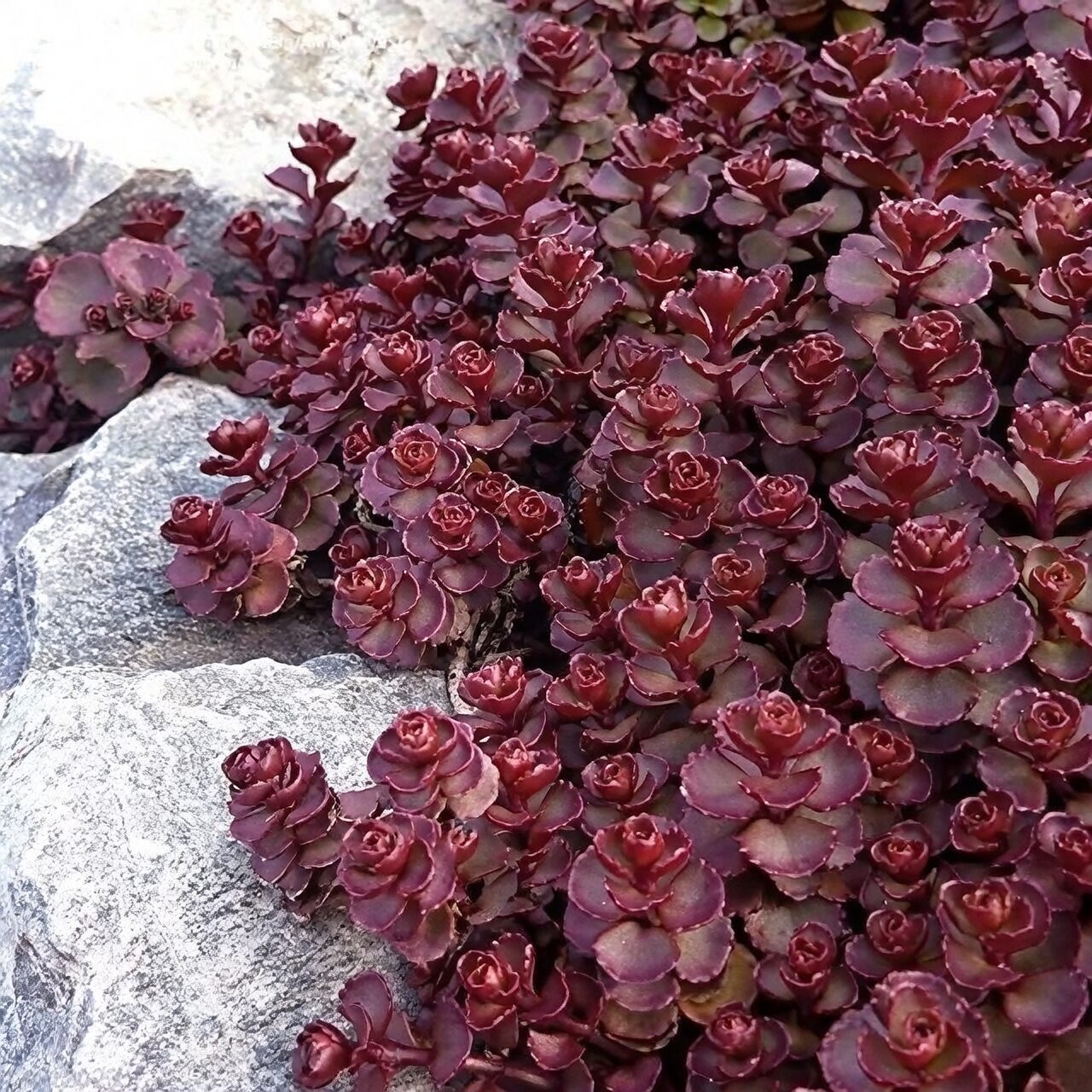
- Color magic: Green in softer light; tips—and often whole leaves—turn coppery red to reddish-brown in strong sun, especially with warm days and cooler nights
- Flowers: Small, starry yellow clusters, typically from winter into spring
- Big caveat: Not frost-hardy; best outdoors year‑round in warm, dry climates (approximately USDA Zone 10–11). Elsewhere, use containers and winter protection.
The groundcover playbook for frost-free zones
1) Drainage-first bed building
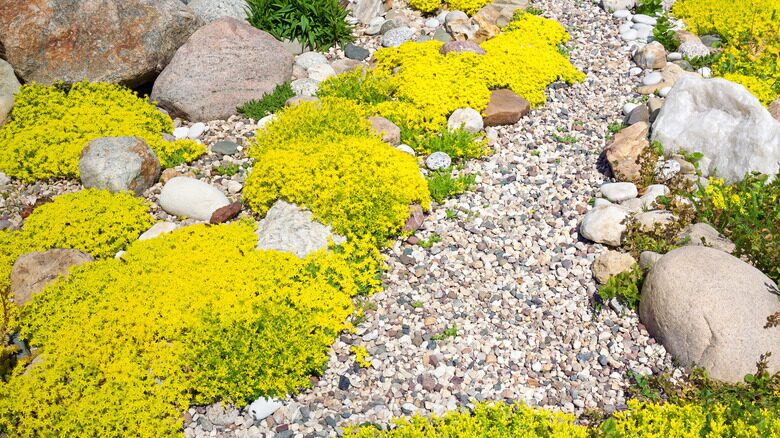
Jelly Bean Plant is tough but draws a hard line at “wet feet.” Good drainage is your insurance policy.
- Test percolation
- Dig a 20–25 cm (8–10 in) hole and fill with water. If it’s not gone within 30–45 minutes, you need to raise the grade or amend aggressively.
- Shape the site
- Build low, free-draining berms or mounded ribbons 10–20 cm (4–8 in) high.
- Aim for a gentle slope so water never pools around stems.
- Mix for success
- In‑ground beds: Work in coarse grit like pumice, perlite, scoria, or sharp sand at a generous rate (at least 30–50% by volume in the top 15–20 cm/6–8 in).
- Containers/crevices: Use a very fast-draining succulent mix. A simple, reliable recipe is potting soil cut 1:1 with coarse sand/grit/perlite/pumice.
- Finish with mineral mulch
- Top-dress 1–2 cm of gravel or crushed rock. It speeds drying at the crown, deters rot, and spotlights the plant’s color.
- When soil is heavy clay
- Don’t fight it at grade. Build raised beds, stack rocks to create pockets, or grow in containers sunk slightly into the ground for a natural look—always with open drainage holes.
2) Heat-smart exposure
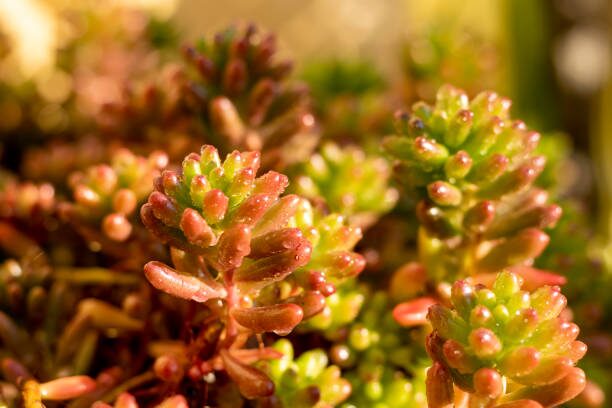
This sun-lover rewards you with tighter growth and richer reds when you get the exposure right—without roasting it.
- Sunlight sweet spot
- Bright light to full sun is ideal. Provide several hours of direct sun, especially morning. In very hot midsummer, offer light midday shade—particularly near heat-reflective walls or behind glass.
- Acclimate
- Move plants into stronger sun gradually over 10–14 days to prevent sunburn.
- Air matters
- Choose breezy spots and avoid persistently humid corners. Good airflow keeps foliage clean and reduces fungal spotting.
3) Planting technique (step-by-step)
- Space plants 20–30 cm (8–12 in) apart for a quick quilt of coverage; go to 30–45 cm (12–18 in) if you’re patient or plan to infill with cuttings later.
- Set crowns level with surrounding soil; don’t bury stems.
- Water once to settle roots, then let the mix dry well before the next drink. After establishment, keep on the dry side—this plant is sensitive to overwatering.
4) Irrigation rhythm in the landscape
Water thoroughly, then wait until the soil has dried out well (almost completely) before watering again.
- Spring: roughly every 2 weeks after dry-down
- Summer: much drier; water lightly only after a full dry-out; protect from extreme heat
- Autumn: moderate; often every 2 weeks after dry-down; light boosts red tones
- Winter: minimal—about monthly in bright, dry conditions; keep above 5°C (41°F)
Tip: Frequent leaf drop plus wrinkling and a soft stem base usually signals rot from excess moisture. Unpot, trim rot, let cuts callus, and replant into fresh, gritty mix.
Design for year-round color and texture
The color calendar
- Winter to spring: Starry yellow flowers sparkle over dense beans—perfect in sheltered courtyards and along sunny paths.
- Spring to early summer: Fresh green growth knits into a tight mat when light is strong.
- Autumn: The big show. Warm days plus cool nights flip the red switch for dramatic blushing.
- High summer: Maintain morning sun and light midday shade in very hot regions to preserve color without scorch.
Companion textures that make Jelly Beans pop
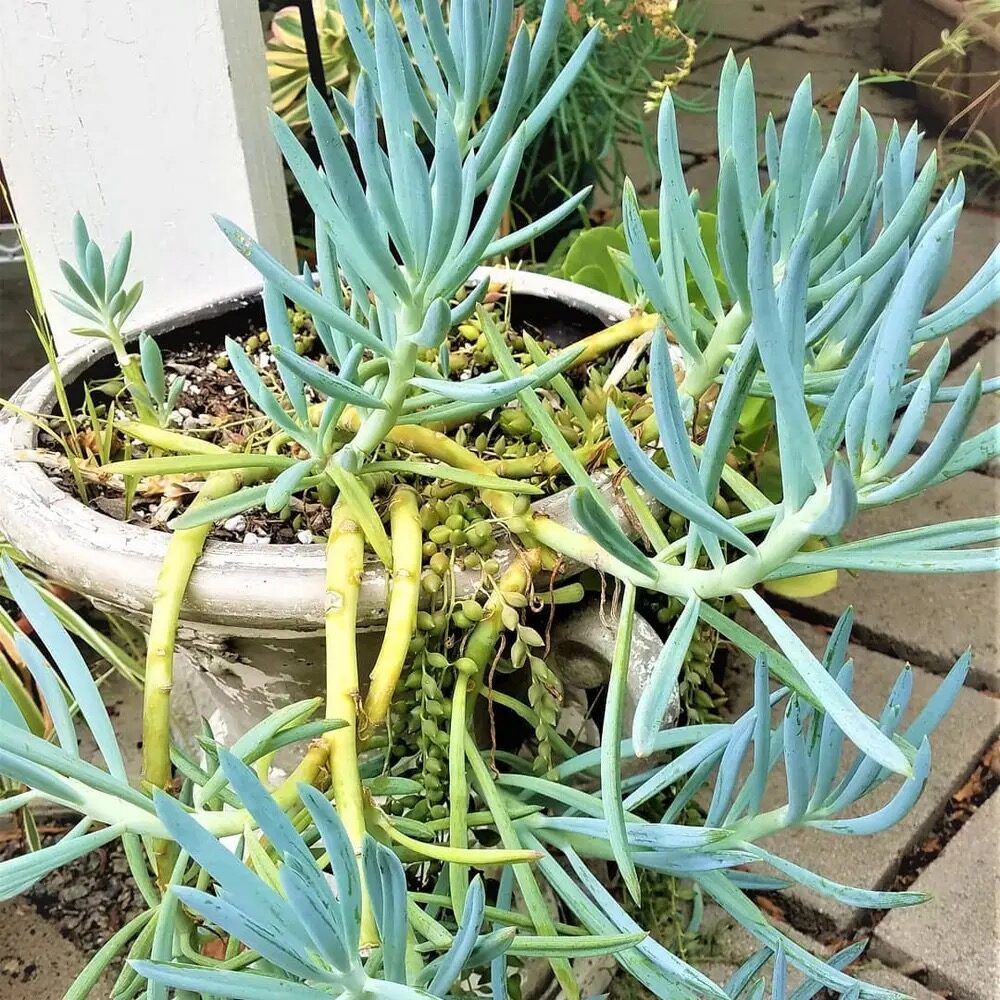
Think contrast: red-and-green beads against silver carpets, blue chalks, and architectural spikes. Choose drought-tolerant, sun-loving partners for frost-free, dry climates.
- Silvery/blue foils (low and mounding)
- Curio repens/serpens (Blue Chalk Sticks)
- Dymondia margaretae for a thin silver-green mat
- Graptopetalum paraguayense (Ghost Plant) for pale rosettes
- Rosette gems (mid-height)
- Echeveria hybrids (cool-toned rosettes)
- Aeonium (winter growers; great structure and seasonal color—site with light midday shade in hot spells)
- Graptoveria and Sedeveria forms echo Sedum’s habit but with bolder rosettes
- Spiky accents (punctuation marks)
- Compact Aloes (e.g., Aloe ‘Blue Elf’)
- Dyckia and Hechtia for armored, sun-tolerant drama
- Flowering tapestries
- Delosperma and Lampranthus (ice plants) for rivulets of neon blooms—both relish sharp drainage
- Hardscape partners
- Warm-toned gravel, chunky lava rock, and stacked boulders create micro-terraces and heat banks that intensify red coloration while keeping crowns dry.
Avoid thirsty perennials and aggressive spreaders that trap moisture. Keep irrigation zones separate if mixing with plants that prefer regular water.
Layout recipes
- Sunny curb strip (low water)
- Drifts of Sedum rubrotinctum on 25 cm centers
- Silver ribbon of Dymondia along the hard edge
- Blue Chalk Sticks as a soft, repeating exclamation
- Mineral mulch throughout; a few flat stones for foot access
- Courtyard bowl (container cluster)
- “Thriller”: Aloe ‘Blue Elf’ at center
- “Fillers”: Echeveria rosettes around
- “Spillers”: Jelly Bean Plant tumbling over the rim, interplanted with Ghost Plant cuttings
- Use a very fast-draining mix and a pot with generous drainage holes
- Pocketed slope (erosion-savvy)
- Stagger fist-sized rocks to form run-off baffles
- Plant Sedum cuttings above each rock’s upper edge so crowns stay high and dry
- Thread in Delosperma for bloom runs and a few Aeonium for winter architecture
Propagate to carpet faster
This species is famously easy to multiply—perfect for filling gaps affordably.
- Leaf propagation
- Place healthy leaves on dry, gritty mix; they root and form plantlets. Provide bright light and just a whisper of moisture.
- Stem cuttings
- Take 5–7 cm (2–3 in) tips in spring or autumn; let cuts callus, then insert into dry-to-slightly-moist mix. Expect roots in about 10–21 days under warm, bright conditions.
Plant three to five small cuttings in a single hole for an instant “mini-clump” that reads full from day one.
Maintenance made breezy
- Pruning and grooming
- Trim leggy or bare stems to keep mounds tight; handle gently—leaves pop off easily (use them for propagation).
- Feeding
- Light hand only: monthly, spring through early autumn, with diluted balanced or low‑nitrogen succulent fertilizer. Heavy nitrogen = weak, stretched growth.
- Repotting (for container carpets)
- Refresh every 1–3 years in spring or sooner if drainage declines. Always use a gritty, fast-draining mix.
Troubleshooting and pest watch
- Overwatering/poor drainage
- Symptoms: sudden leaf drop, wrinkling, soft stem base
- Fix: Unpot, remove rot, let wounds callus, replant in a grittier mix, and water less often.
- Sunburn
- Bleached or crispy patches after sudden full sun. Acclimate gradually.
- Pests
- Aphids and scale may appear, especially on new growth. Treat early with insecticidal soap or horticultural oil and improve airflow.
- Humidity issues
- Persistent humidity and wet foliage can invite spotting. Space plants, maintain airflow, and water at the base early in the day.
Climate notes for success
- Temperature comfort: Best growth around 13–18°C (55–64°F); keep above ~5°C (41°F). Avoid frost.
- Humidity: Prefers dry air with good ventilation.
- Placement: Sun-splashed rock gardens, open gravel beds, sunny patios and balconies, and, in frost-free dry zones, as a low groundcover.
Safety with pets and people
Toxicity isn’t consistently documented for Sedum rubrotinctum. Treat it as potentially mildly irritating if ingested. Keep out of reach of pets and small children, and seek medical or veterinary advice if ingestion occurs.
Symbolism in the landscape
Gardeners often link the Jelly Bean Plant with resilience and enduring affection—it bounces back from a single fallen leaf. In design, that spirit translates into generous plantings that “share themselves,” knitting empty ground into a living tapestry over time. It’s the friendly neighbor of the succulent world: easy to pass along, quick to recolor with the seasons, and steadfast through long, dry spells.
—
With sharp drainage, heat-smart exposure, and a chorus of contrasting companions, Sedum rubrotinctum becomes more than a filler—it’s the rhythmic ground beat that makes a frost-free garden sing, 12 months a year.