The Enigmatic Opium Poppy: A Quirky Glimpse into Papaver somniferum
If there ever was a plant that could hold a double life, it has to be the opium poppy, known scientifically as Papaver somniferum. Imagine a plant that’s as comfortable on a pastry as it is in a pharmacy—and even on the battlefield! The opium poppy juggles roles as a beloved garden beauty, a culinary delight, and a controversial medicinal powerhouse. Let’s dive into some intriguing tidbits about this multifaceted marvel.
A Blossom with a Past
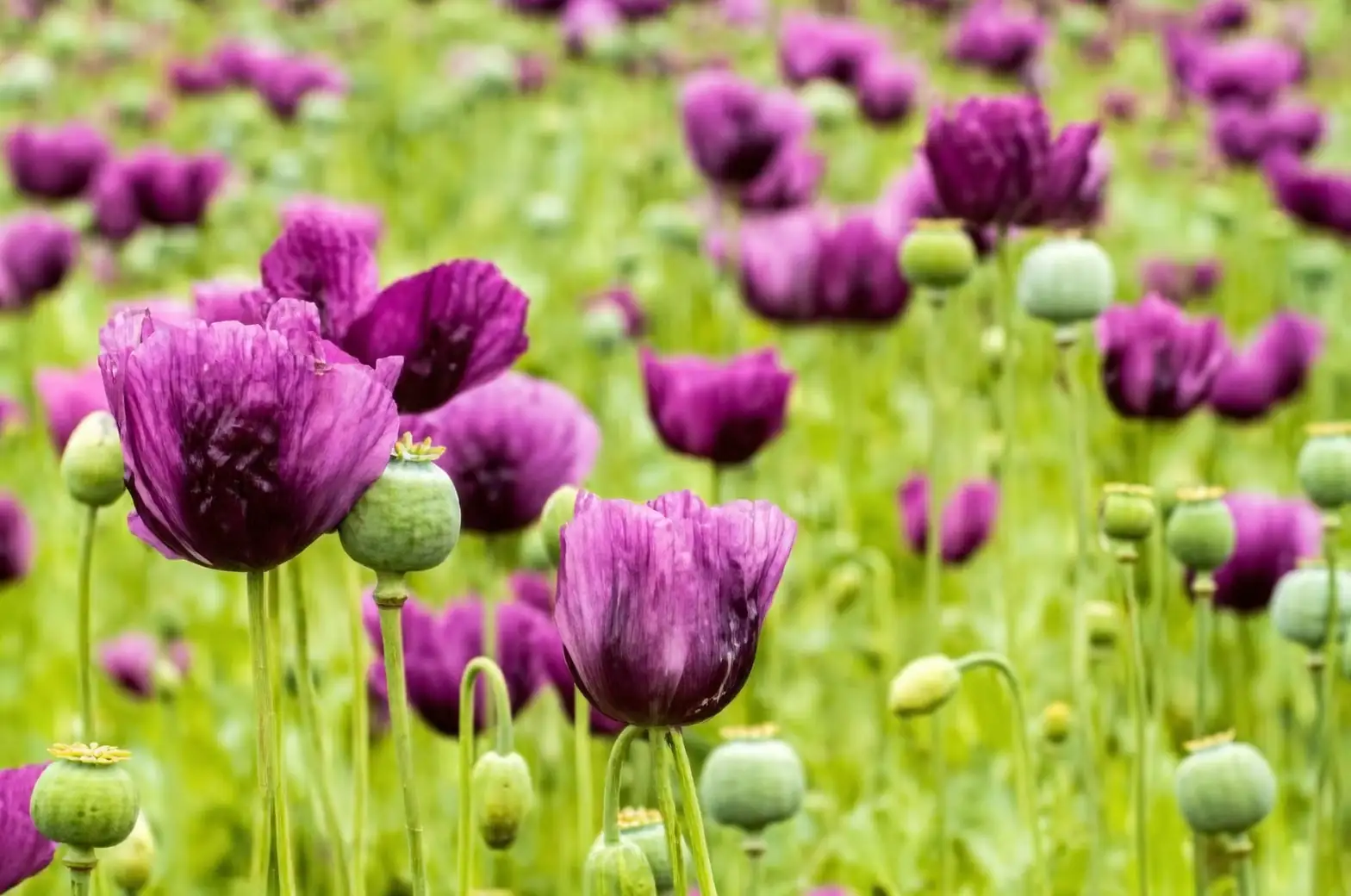
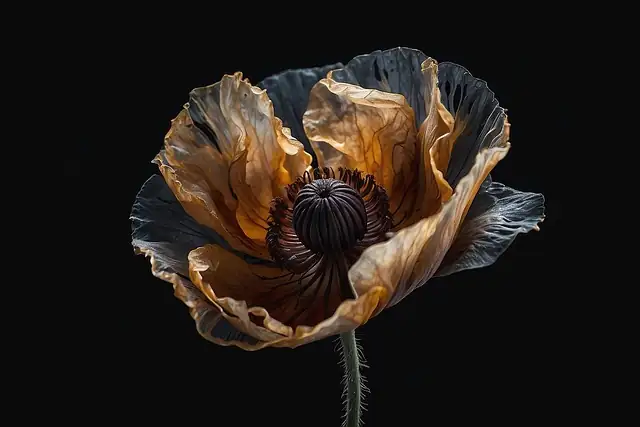
Did you know that the opium poppy has been around long enough to have witnessed the rise and fall of empires? Scholars trace its cultivation back to ancient Mesopotamia, around 3400 BCE, where it was cherished as the “joy plant” for its narcotic properties. Its vivid, tissue-paper-like blooms, ranging in sunset hues from red to purple, have made it a garden favorite for centuries. But don’t be fooled by its delicate appearance—this plant is as hardy as they come, enduring cool climates with ease.
Seeds of Joy… and Legal Caution
Here’s a quirky fact: a single opium poppy seed pod can hold up to 2,000 tiny seeds! These seeds are the poppy’s culinary claim to fame, gracing bagels, muffins, and more. They’re entirely non-narcotic, packed with flavor, and safe to eat. Yet, even these innocent-seeming seeds have a notorious reputation; consuming them in large quantities can sometimes result in false positives on drug tests. So if you’re planning to indulge in a poppyseed bagel before that big interview, maybe think twice!

The legality of growing opium poppies is as complex as their chemistry. While the seeds themselves are legal to buy and consume, cultivating the plant for its opium is a different story. In many places, it’s illegal or strictly regulated, so always check local laws before letting these beauties bloom in your backyard.
Garden Stars and Medical Marvels
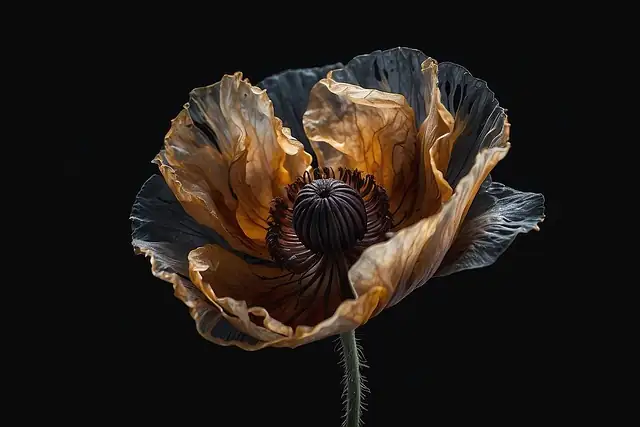
With their striking flowers and ornamental seed pods, opium poppies add a touch of drama to gardens. They’re resistant to deer and rabbits, thanks to their bitter taste and toxic nature in all parts except the seeds. Yet, this toxicity is also what makes them invaluable in medicine. Opium poppies are the natural source of alkaloids like morphine and codeine, essential for pain relief and sedation. This dual nature of beauty and danger has long fascinated cultures worldwide.
The Language of Poppies
In the language of flowers, poppies often symbolize sleep, peace, and remembrance. The iconic red poppy, in particular, has become a global emblem of remembrance for fallen soldiers, inspired by the poignant World War I poem “In Flanders Fields.” It’s a symbol of resilience, emerging from the war-torn landscapes as a reminder of hope and beauty amidst chaos.
Fun Facts and Folklore
- The Sleepy Connection: The Latin name somniferum literally means “sleep-bringing,” tying back to the plant’s sedative properties.
- From Oz to Reality: The famous poppy field scene in “The Wizard of Oz” nods to the plant’s association with sleepiness and dreams.
- Culinary Giants: The Czech Republic is a top producer of culinary poppy seeds, proving that these seeds are more than just a sprinkle on your pastries—they’re a national treasure.
Growing Your Own (Legally, of Course)
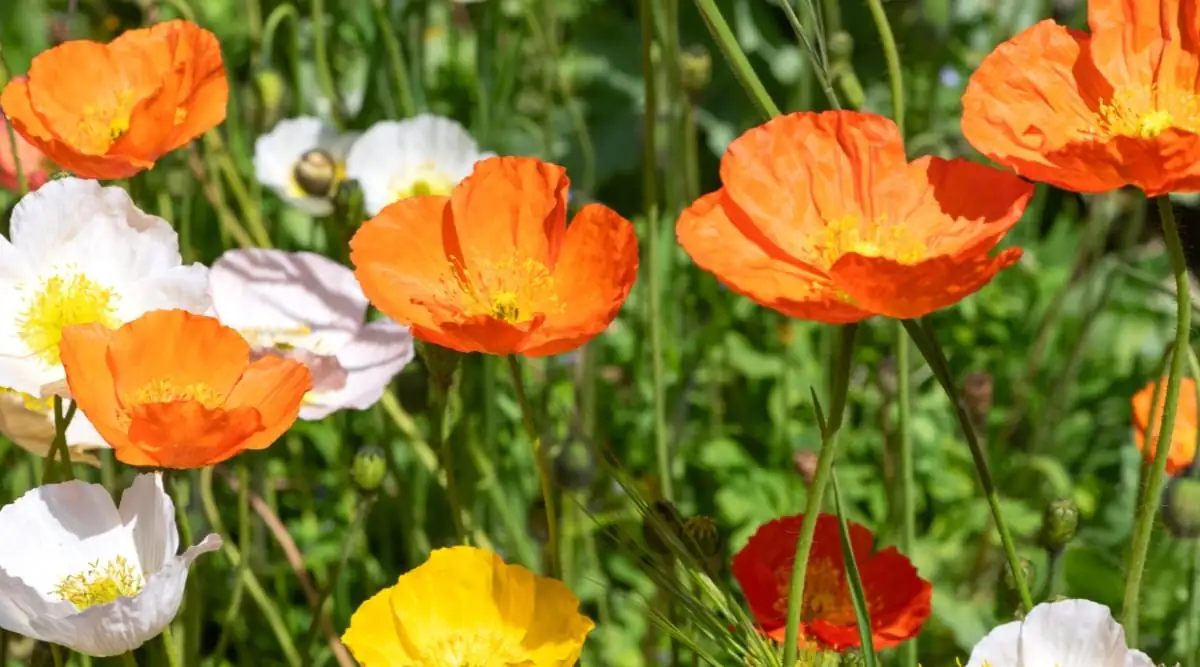
For those inspired to grow poppies, there are legal alternatives that offer similar visual appeal without the legal headaches. Consider varieties like the Iceland poppy (Papaver nudicaule) or the California poppy (Eschscholzia californica) for a splash of color in your garden.
Whether you admire its blooms, savor its seeds, or respect its medicinal prowess, the opium poppy remains a fascinating plant that continues to captivate and inspire. It’s a testament to nature’s complexity, where beauty and function intertwine in the most unexpected ways. So next time you bite into a poppyseed muffin, remember the history and mystery packed into each tiny seed!