
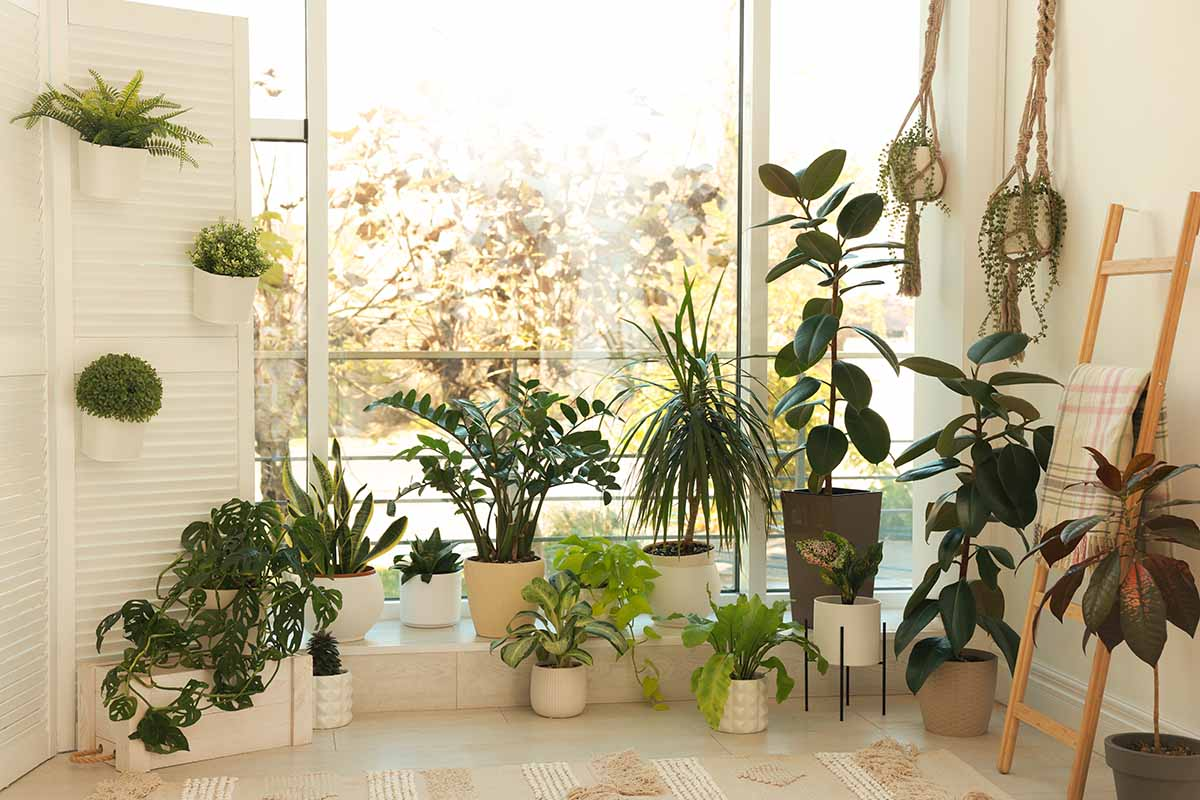
As the seasons change, so do the needs of your beloved houseplants. Just like us, plants adapt to the subtle shifts in their environment, and understanding these changes is key to keeping your indoor garden lush and thriving all year round. Let’s dive into some practical tips to ensure your plants are happy, healthy, and ready to face whatever the weather brings.
Light Levels: The Sun’s Journey and Your Plants
Plants are like little solar panels, soaking up light to fuel their growth. As the days get longer in spring and summer, your plants will bask in the increased sunlight. Here’s how you can help them make the most of it:
- Spring and Summer: Rotate your plants regularly to ensure even growth and prevent them from getting leggy as they reach for the light. Light-loving plants might enjoy a sunny spot near the window, while shade-preferring ones can stay a bit further back.
- Fall and Winter: With shorter days and less natural light, consider using grow lights to supplement their needs, especially for those in darker areas of your home.
Temperature and Humidity: Creating the Perfect Climate
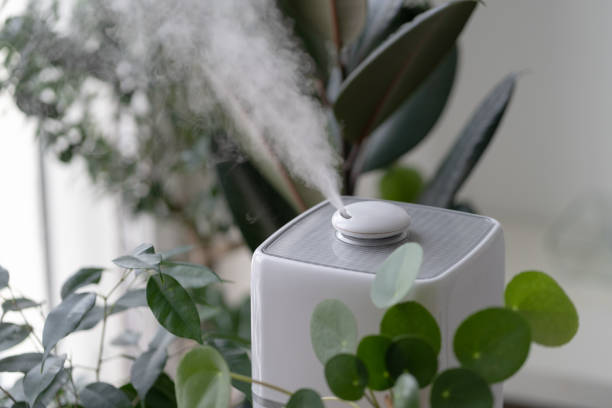
Temperature and humidity levels fluctuate with the seasons, affecting how much water your plants need and their overall health.
- Summer: The warmer months can dry out the air, so keep an eye on your plants’ soil moisture. You might need to water more frequently, but always check the soil first to avoid overwatering.
- Winter: Indoor heating can significantly drop humidity levels, so consider using a humidifier or placing a tray of water near your plants to keep the air moist. Remember, most plants prefer temperatures between 60-75°F.
Dormancy: When Your Plants Need a Break
Many plants enter a dormancy phase during fall and winter, slowing down their growth to conserve energy. This is perfectly normal and nothing to worry about.
- Signs of Dormancy: Reduced growth, leaf drop, or a pause in flowering can all be signs of dormancy. Resist the urge to fertilize during this time, as it can disrupt their natural cycle.
- Caring for Dormant Plants: Keep watering to a minimum and ensure they have a comfortable, draft-free spot to rest.
Photoperiod Sensitivity: The Dance with Daylight
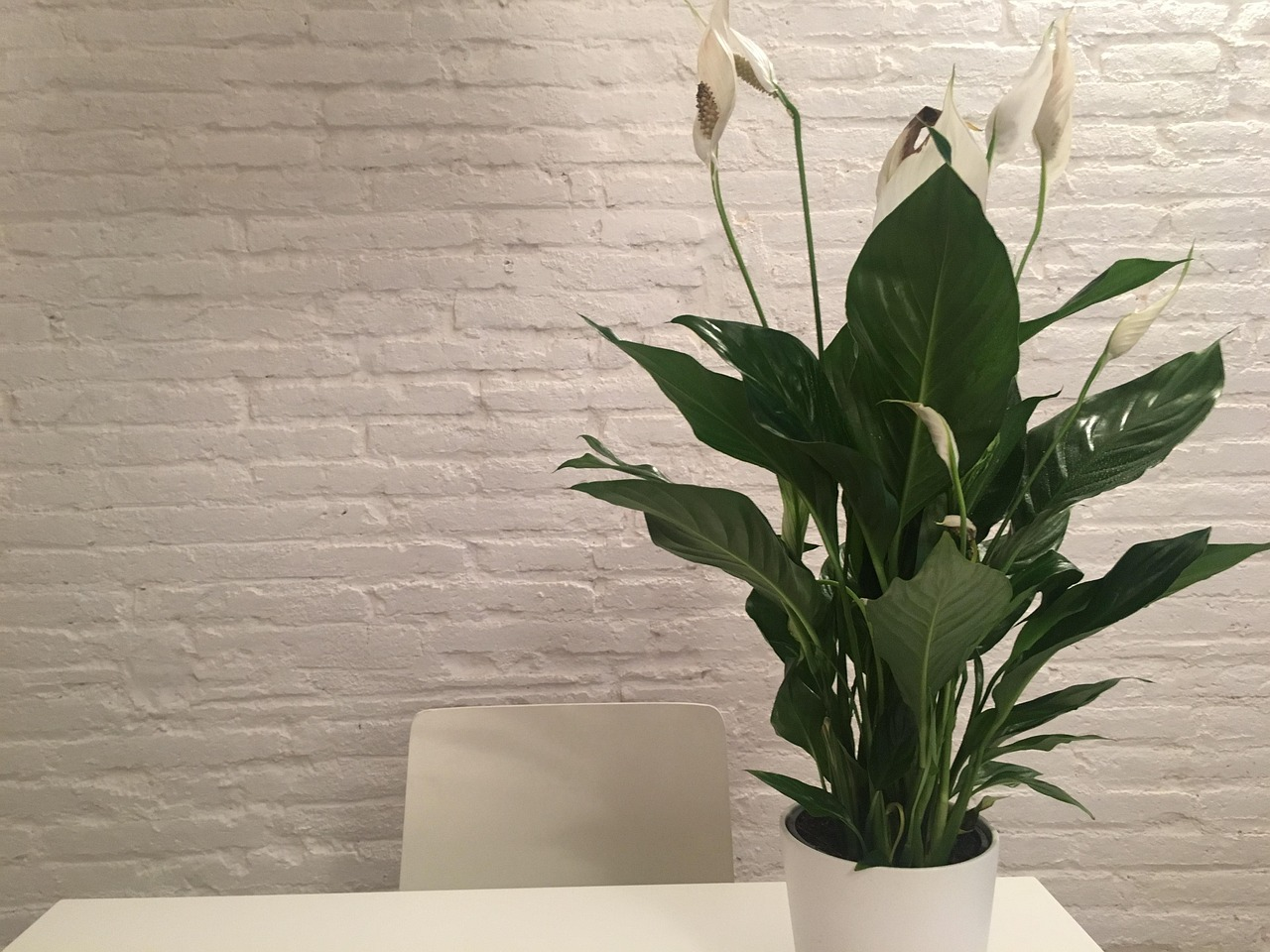
Plants are incredibly attuned to changes in daylight duration, a phenomenon known as photoperiodism. This sensitivity dictates crucial life stages like flowering and growth.
- Adjusting to Changes: As the days shorten, some plants might shed leaves or pause growth. Don’t panic; this is a natural response to reduced light.
- Boosting Mood with Plants: During the dreary winter months, consider adding mood-boosting plants like Peace Lilies or Lavender to your space. They not only brighten up your home but can also improve your mood.
Common Mistakes and How to Avoid Them
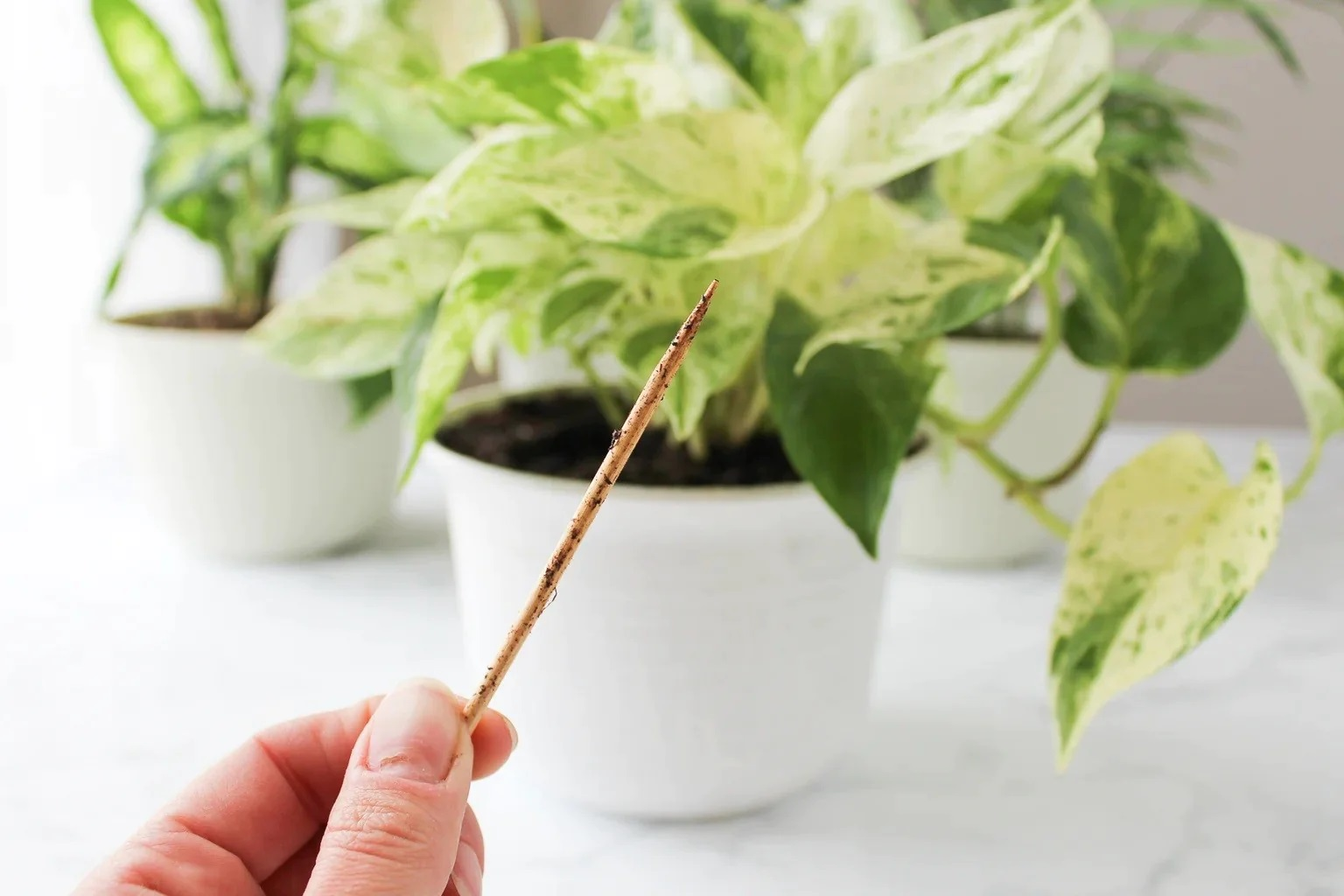
- Overwatering in Winter: With less light and reduced growth, plants need less water. Always check the soil moisture before watering.
- Ignoring Humidity: Especially in winter, it’s easy to overlook humidity levels. Use a hygrometer to monitor and adjust as needed.
By tuning into these seasonal signals and adjusting your plant care routine, you can ensure your green companions flourish no matter the time of year. Remember, a little seasonal care can go a long way in keeping your indoor jungle vibrant and healthy!