Imagine a plant that thinks winter is optional, smells like a tiny luxury perfume lab, shrugs at deer, multiplies quietly, and… is a terrible teammate in mixed bouquets. Meet Narcissus tazetta—the paperwhite narcissus—your cheerful, sciencey shortcut to winter bloom therapy.
The Quirks That Make Paperwhites Irresistible
1) Low to no chilling: the “instant” daffodil
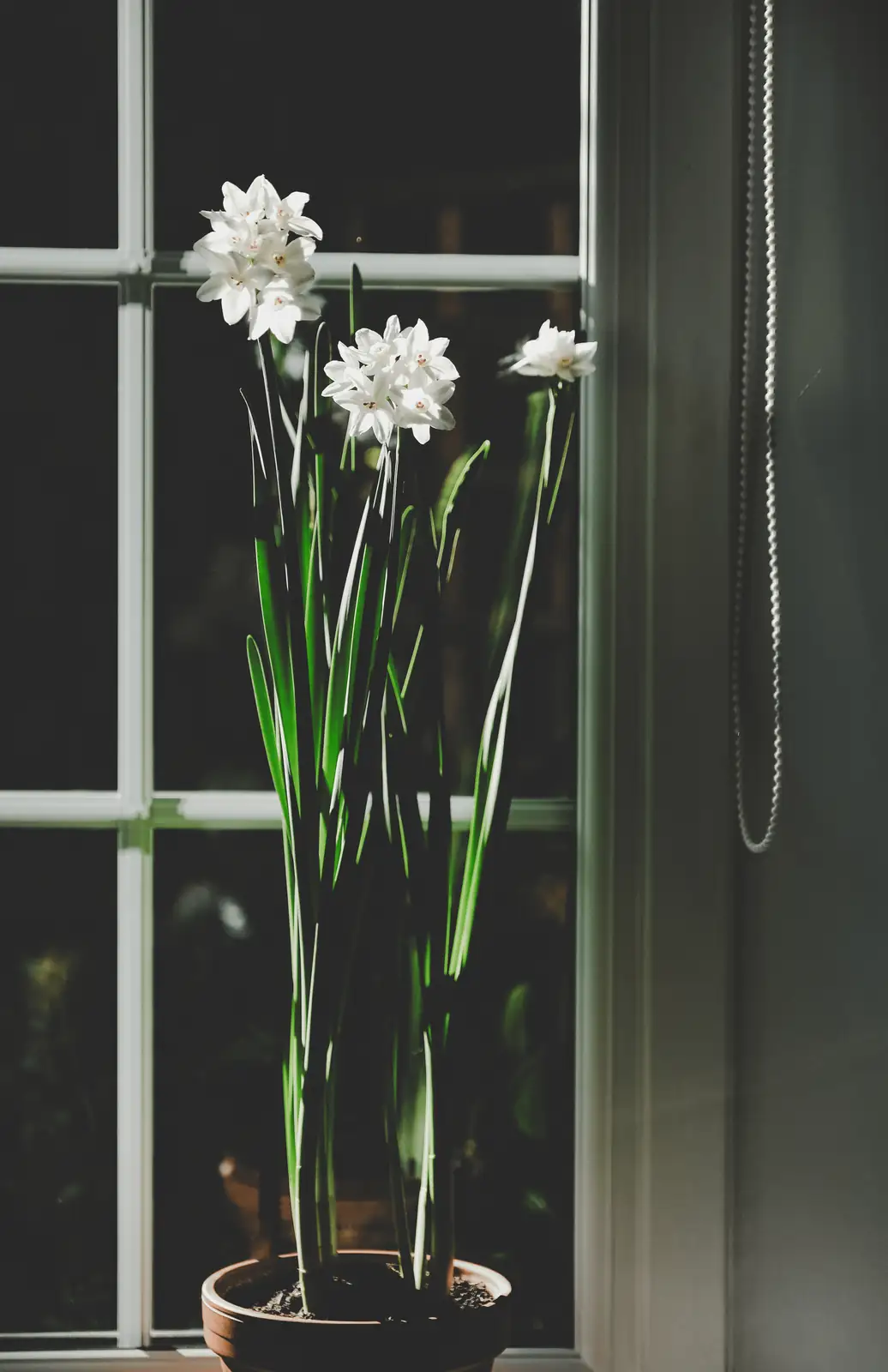
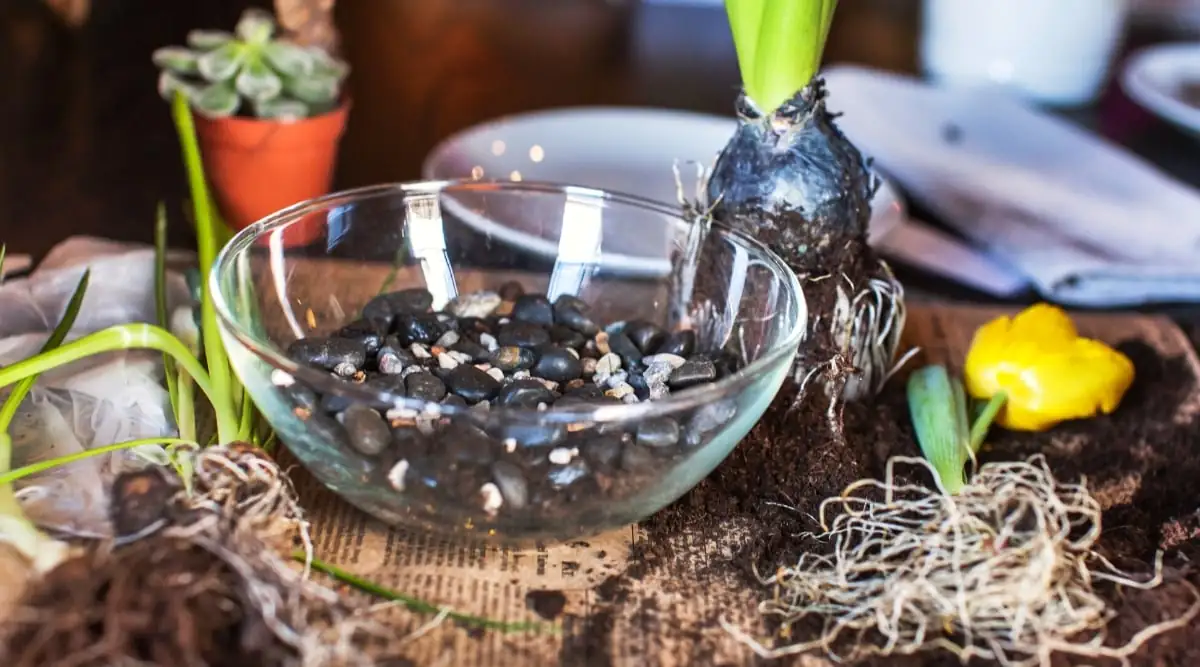
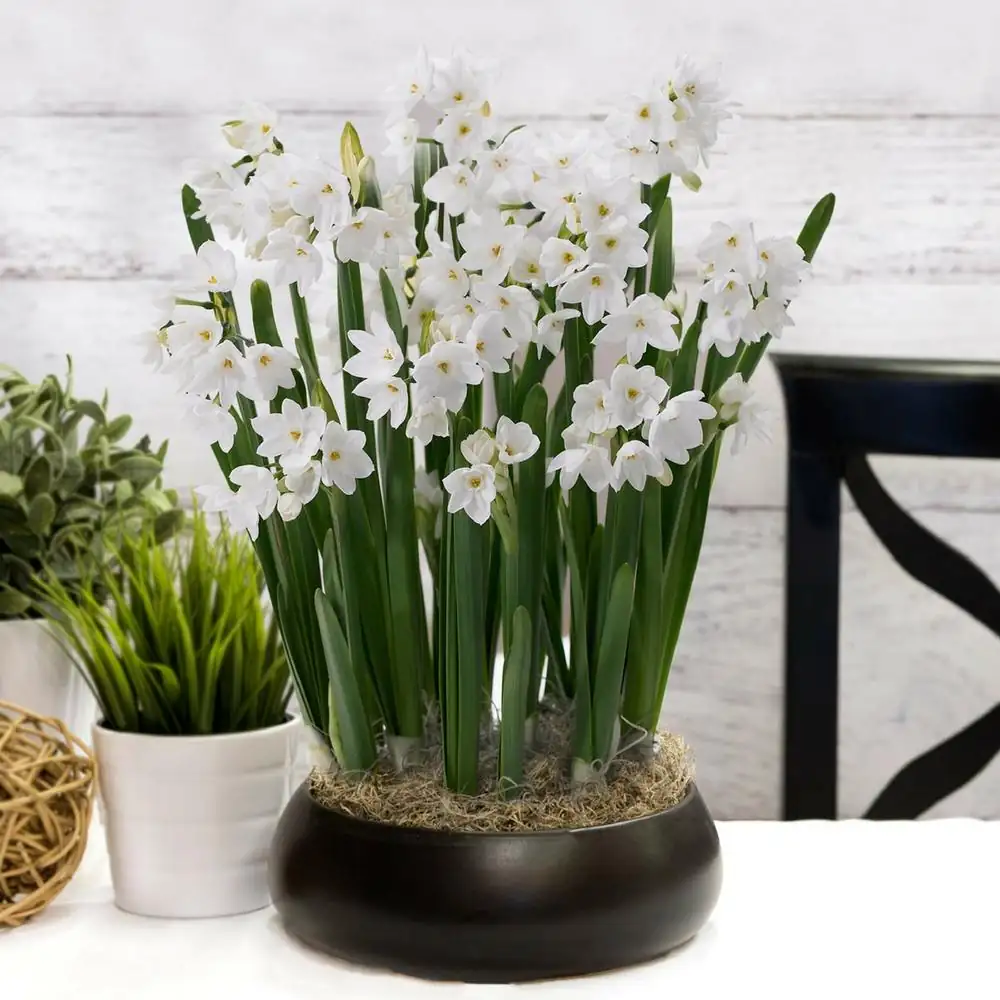
Most daffodils insist on a solid cold spell before blooming. Not this one. Tazetta-type paperwhites are famous for flowering indoors with little to no chilling. Pop firm bulbs into a shallow bowl of pebbles and water (or a pot with free-draining mix), give bright light and cool air, and you often get flowers in roughly 4–6 weeks.
- Polyanthus habit: Each stem carries a cluster of many flowers (the tazetta name hints at a “little cup” in the center).
- Indoors, success is simple: lots of light + cool temperatures. Warm, dim rooms = floppy stems.
Science-ish angle: Tazettas form flower primordia readily and have a minimal vernalization requirement, so they switch from “bulb to bloom” quickly in cool-bright conditions.
2) A powerhouse perfume (love it or… step back)
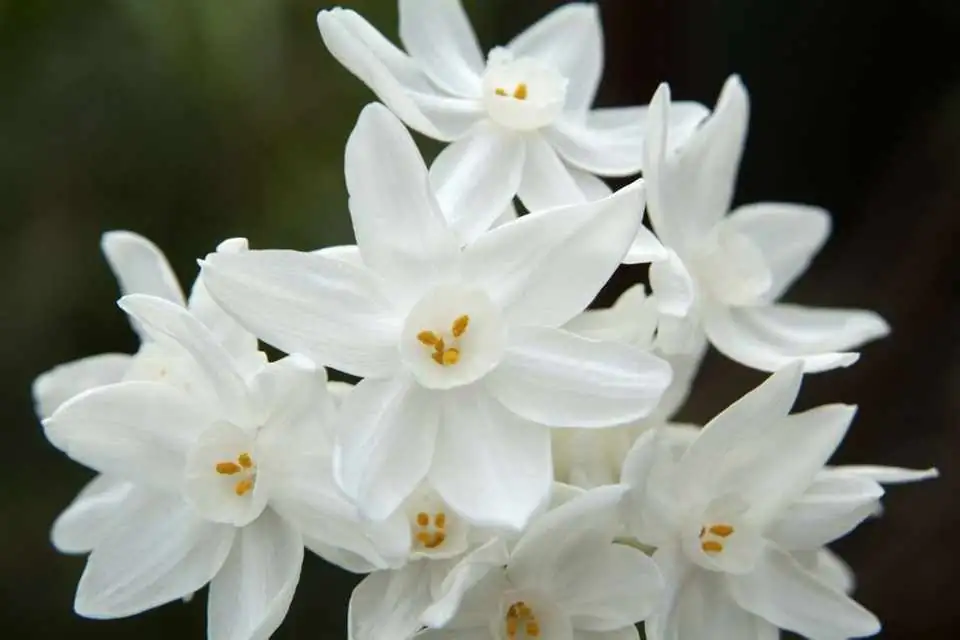
Paperwhites have a room-filling scent—sweet, spicy, sometimes musky. Many adore it; a few find it intense. Cultivars in the “paperwhite” set (famous picks include Ziva within the tazetta group) are particularly fragrant.
- Keep them cool (about 10–20°C / 50–68°F) to extend bloom and keep fragrance fresh rather than cloying.
- Ventilation helps tame the intensity without losing the charm.
3) Deer-resistant by design
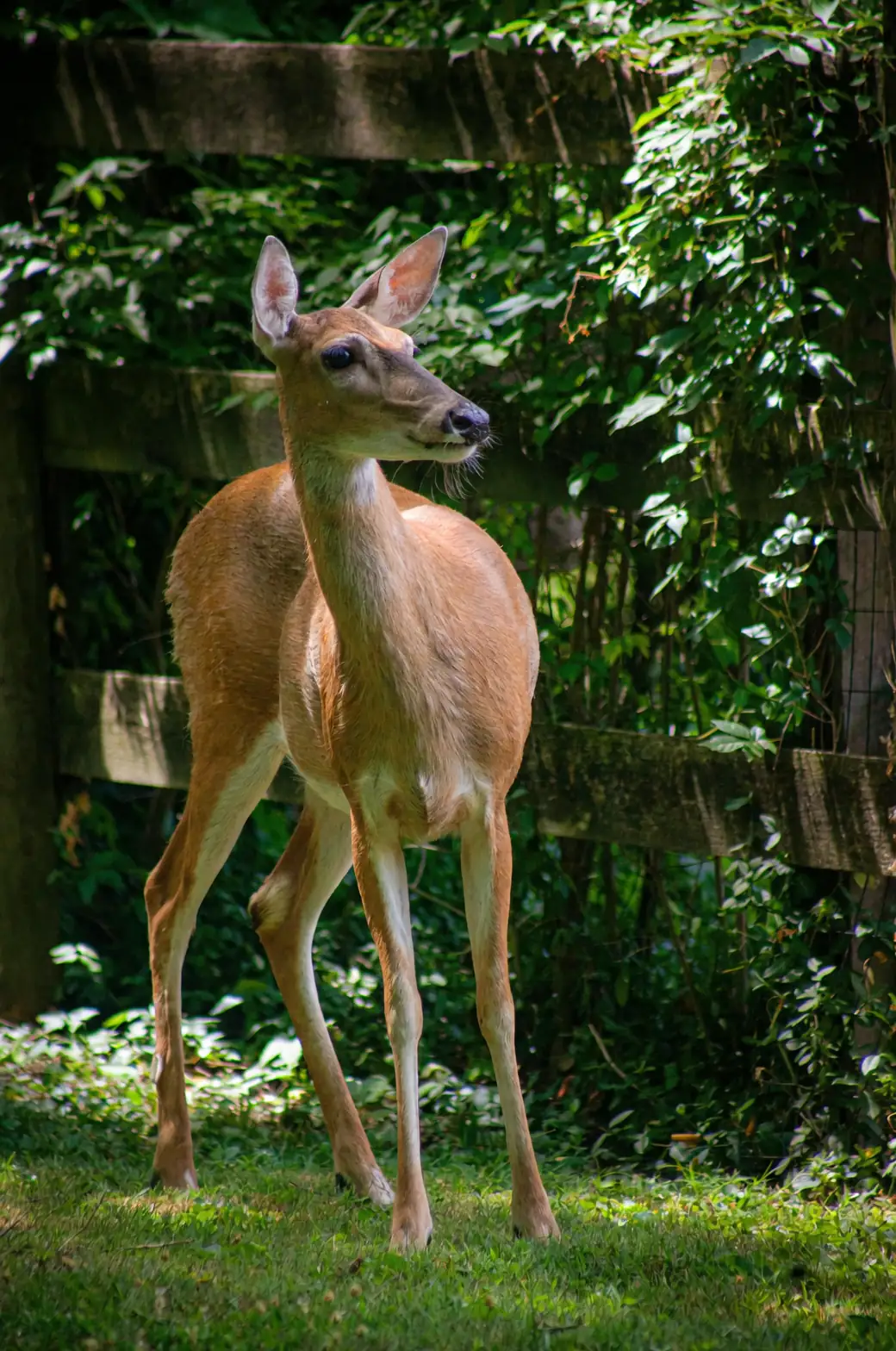
Deer give paperwhites a hard pass. The plant’s natural alkaloids (including lycorine) taste bitter and can be toxic, so wildlife generally won’t snack on them.
- Translation for gardens: excellent in mild-climate borders and naturalized drifts where deer are a headache.
- Important caveat: what deters deer can harm pets and people—especially the bulbs. Keep them out of reach.
4) Naturalizes with offsets—small bulbs, big colony
Tazettas are clump-forming. Over time, each bulb produces offsets that expand into a tidy patch.
- Division basics:
- When clumps get crowded or blooms dwindle, lift and divide during dormancy.
- Small offsets often need 2–3 years to reach flowering size.
- Long-term vigor tip: After flowering, leave the foliage until it yellows naturally (often 6–8 weeks). Those leaves recharge the bulb for next year.
5) The vase party foul: why they don’t “play nice” with others
Daffodil/paperwhite sap is loaded with mucilage and bioactive compounds that can shorten the life of other cut flowers by gumming up stems and impeding water uptake.
- The fix:
- Condition stems alone in clean water for 6–12 hours.
- Don’t recut after conditioning (that reopens the sap flow).
- Then you can add them to mixed arrangements—or keep them gloriously solo.
How to get a stellar indoor show
Water culture (the classic winter bowl)
- Container: a shallow, stable bowl or vase; pebbles or gravel for anchoring.
- Placement: bulbs pointy side up, nestled so they’re steady.
- Water level: roots in water; bulb base just at or slightly above the waterline (keep most of the bulb dry).
- Light and temperature: brightest window you have; cool air is your friend (about 5–15°C / 41–59°F for compact, sturdy stems).
- Hygiene: refresh water frequently—more often early on—keep the container spotless.
Pro tip: Tall, narrow vases or supportive containers help keep stems upright if your space runs warm.
Potting in mix
- Soil: a free-draining bulb blend (think potting mix plus grit).
- Water: keep barely moist until growth takes off; never waterlog.
- Light: bright light to full sun indoors; aim for ~6 hours of strong light daily.
- Room temps: 10–20°C (50–68°F). Avoid sustained heat above 25°C (77°F).
Flop-fighting checklist
- Keep them cool and brilliantly lit.
- Rotate pots for even light.
- Group bulbs closely for mutual support or add discreet twiggy stakes.
- Keep away from radiators and hot air vents.
After bloom—keep or compost?
- For a one-and-done display: compost responsibly (not where pets dig).
- To keep bulbs:
- Snip spent flowers but keep leaves until fully yellow.
- Bright light during the leaf phase; a light, balanced feed helps recharge.
- Let bulbs dry down for summer dormancy in a cool, airy spot.
Outdoors in mild climates
- Hardiness: best in USDA Zones ~8–10/11 (varies by form and winter wet). Many tazettas are damaged below about -5°C (23°F).
- Site: sun to bright partial shade with excellent drainage.
- Planting: in groups for impact; allow space for clumps to expand.
- Water: regular moisture in growth, drier in dormancy (summer).
Safety, pests, and general robustness
- Toxicity: all parts are toxic, especially the bulbs. Ingestion can cause drooling, nausea, vomiting, diarrhea, and more severe symptoms in large doses. Keep away from children, dogs, and cats. Sap may irritate sensitive skin—gloves help.
- Toughness: mostly easy-going. Biggest risks are rot from stale water/overwatering and weak stems from warmth + low light.
- Common issues: bulb/crown rot if too wet, blue mold on stored bulbs, occasional aphids. Good airflow and hygiene prevent most problems.
Fast facts at a glance
- Botanical: Narcissus tazetta (Amaryllidaceae), aka paperwhite, tazetta narcissus, bunch-flowered daffodil, Chinese sacred lily.
- Habit: bulbous perennial; active in cool seasons, summer dormant.
- Size: typically 20–45 cm (8–18 in) tall indoors.
- Bloom: winter to spring, with clusters of starry, scented flowers.
Flower language and cultural notes—what the blooms “say”
- Renewal and new beginnings: Paperwhites arrive just when winter feels longest, bringing the promise of spring to a windowsill.
- East Asian tradition: In China (水仙, “water fairy”), they’ve been winter favorites for centuries, especially around the Lunar New Year. Their easy water-bowl culture and the art of carving/training leaves and stalks into elegant forms turned them into symbols of good fortune and a thriving home.
- The Narcissus myth: In Western lore, the tragic tale of Narcissus links the flower to themes of self-reflection and self-love. White forms often suggest purity; yellow daffodils are widely tied to joy and friendship.
Meaning, distilled: a plant that bridges winter’s quiet with the promise of what’s next—lucky, fresh, and a touch introspective.
Quick start checklist (indoors)
- Choose firm, heavy bulbs without mold or soft spots.
- Plant close together in pebbles (roots wet, bulbs dry) or in a gritty potting mix.
- Give maximum light and cool air; avoid heaters.
- Expect bloom in about 4–6 weeks.
- To keep bulbs: deadhead, let leaves mature, feed lightly, then rest them dry.
If you like your winters bright, fragrant, and just a little bit magical, Narcissus tazetta delivers—no cold stratification, no deer drama, and just enough science-y quirk to keep plant lovers smiling.