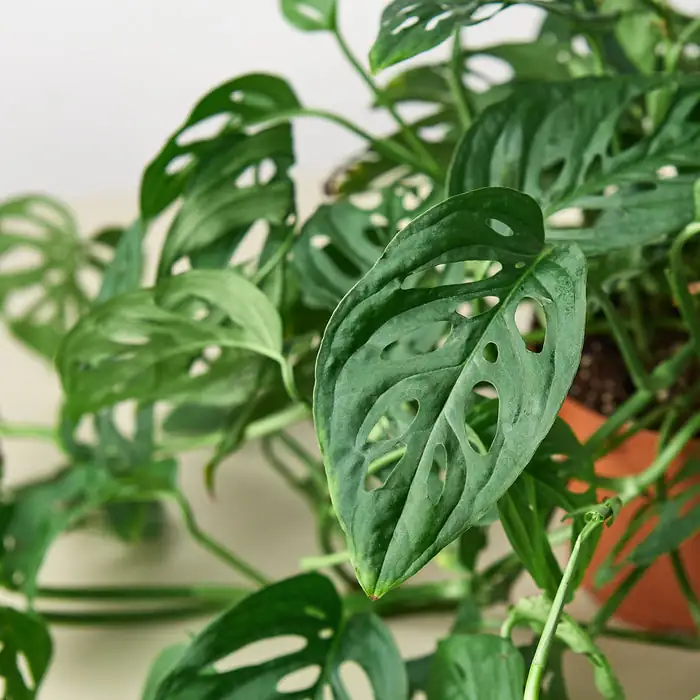
Imagine walking into your living space, greeted by the lush greenery and unique charm of a Monstera adansonii, often affectionately known as the Swiss Cheese Vine. Its glossy leaves, punctuated by natural holes, add a touch of the tropical rainforest right to your home. But what if, instead of vibrant green, you start noticing an unwelcome hint of yellow creeping over those beautiful leaves? Don’t panic! Let’s unravel the mystery behind yellowing leaves in this beloved plant and explore how you can restore your Monstera adansonii to its prime.
Why Are My Monstera Adansonii Leaves Turning Yellow?
Yellowing leaves are like your plant’s way of waving a little flag, signaling that something in its environment needs tweaking. While one yellow leaf here or there is natural, a cluster of yellow leaves often indicates a deeper issue. Let’s dive into some common culprits.
Overwatering: The Usual Suspect
One of the most common reasons Monstera adansonii leaves turn yellow is overwatering. Imagine your plant’s roots sitting in a soggy soil swamp—it’s not a happy scenario. Overwatering can suffocate the roots, leading to root rot, which is a primary cause of leaf yellowing.

- Solution: Check the top 2.5–5 cm (1–2 inches) of soil; it should feel dry before you water again. Ensure your pot has good drainage to prevent water from pooling at the bottom. Remember, your Monstera prefers a moist, not wet, environment.
Underwatering: The Other Side of the Coin
Conversely, if you’re forgetting to water your Monstera, its leaves may also turn yellow as a sign of distress. Without adequate moisture, the plant can’t transport nutrients effectively.
- Solution: Establish a regular watering routine, adjusting based on seasonal changes. In warmer months, water about once a week, and in cooler months, every two to three weeks. Always water deeply, allowing excess to drain away.
Light Levels: Finding the Sweet Spot
Monstera adansonii thrives in bright, indirect light. Too little light can lead to yellow leaves as the plant struggles to photosynthesize efficiently.
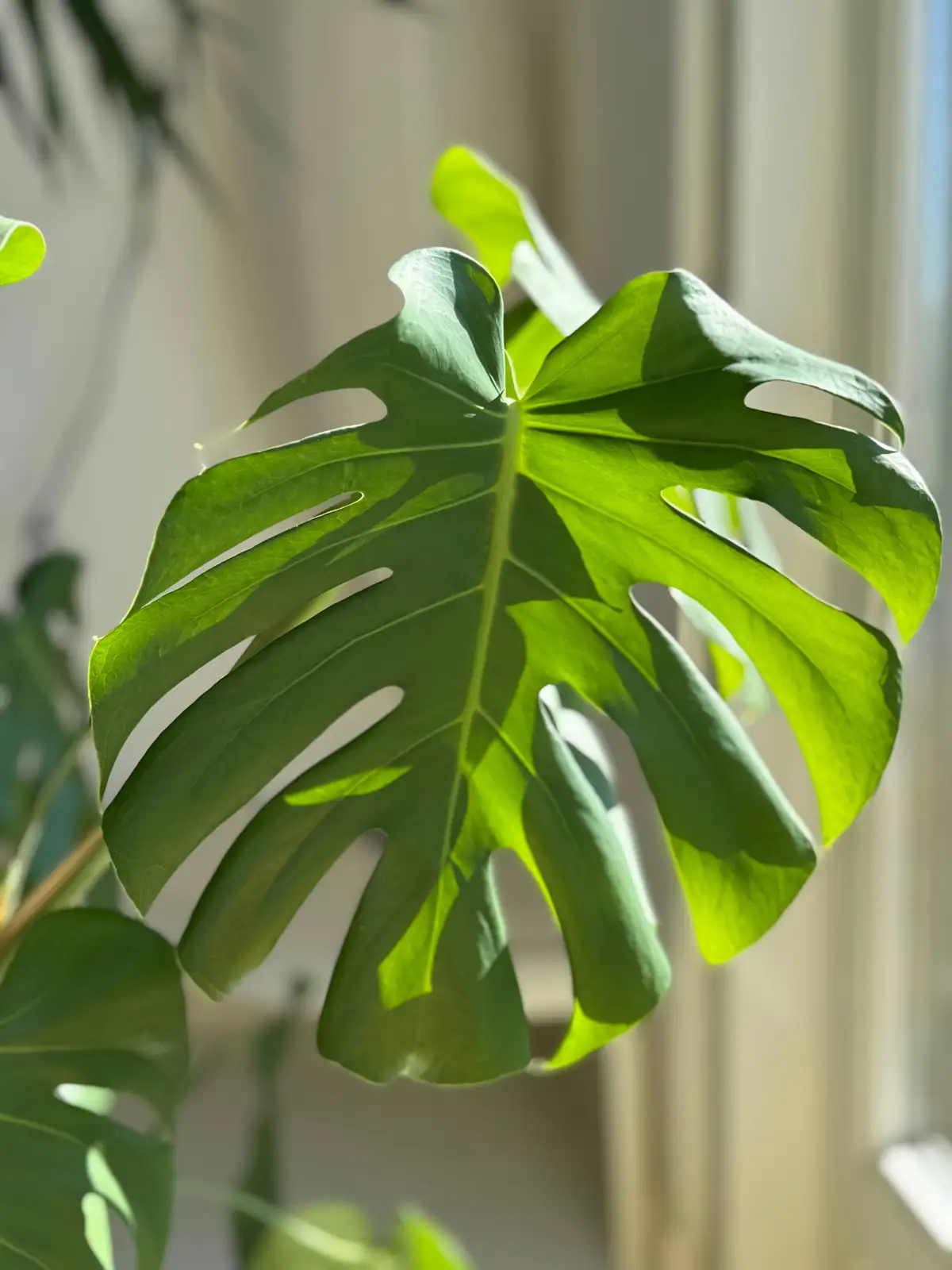
- Solution: Position your plant near a north-facing window or slightly back from an east or west window to bask in filtered sunlight. If it’s too dim, consider moving it to a brighter spot.
Nutrient Deficiencies: A Need for Balance
A lack of essential nutrients, particularly nitrogen, can cause yellowing. Nitrogen is crucial for chlorophyll production, which keeps leaves green and healthy.
- Solution: During the growing season, feed your Monstera with a balanced liquid fertilizer diluted to half strength. This ensures it gets the nutrients it needs without risking fertilization burn.
Preventative Measures: Keep Your Plant Thriving
Ideal Conditions
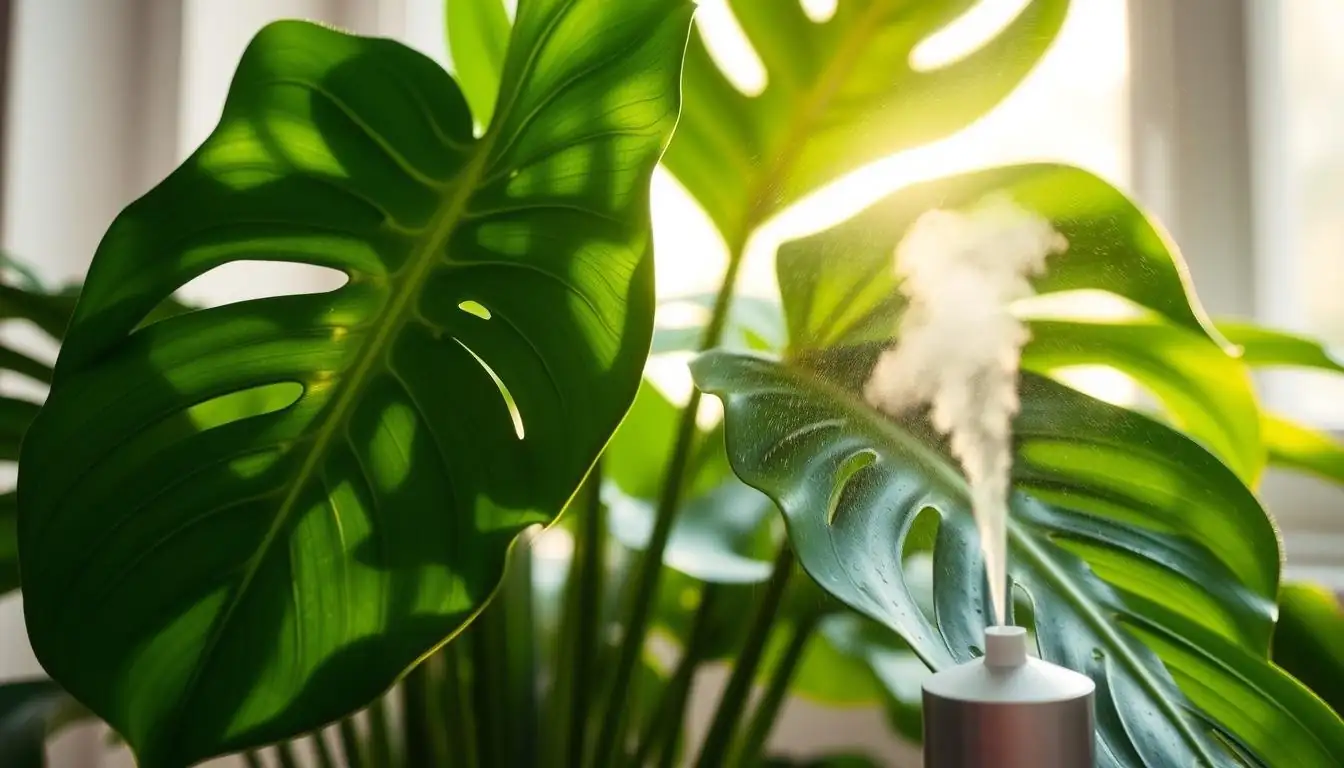
- Humidity: Aim for humidity levels around 50% or higher to mimic its natural habitat. Use a humidifier or a pebble tray to increase humidity if your home is dry.
- Temperature: Maintain indoor temperatures between 18–27°C (65–80°F). Avoid placing your plant near drafts or heat/cooling vents.
Soil and Repotting
Use a well-draining, airy mix such as a blend of coco coir or peat with perlite and orchid bark. This setup ensures proper aeration and prevents root rot. Consider repotting every 2–3 years or when you notice roots crowding or emerging from drainage holes.
Conclusion
A yellow leaf doesn’t spell disaster; it’s a gentle nudge from your Monstera adansonii that something isn’t quite right. By adjusting watering habits, ensuring proper lighting, and providing balanced nutrition, you can return your plant to its vibrant glory. Embrace the detective work—your Monstera will thank you with lush, holey leaves that bring a slice of the rainforest into your home. Happy plant parenting!