Mastering the Art of Pruning Wisteria sinensis for a Flourishing Bloom
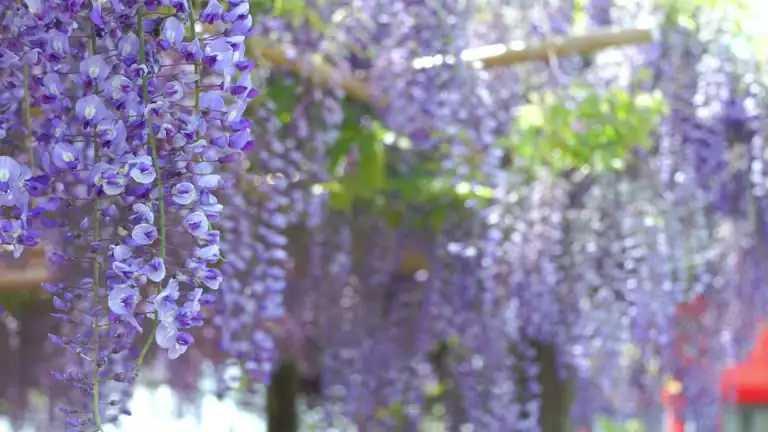
If your garden dreams include cascading purple waterfalls and sweet fragrances wafting through the air, then Wisteria sinensis, or Chinese Wisteria, is your ticket to a romantic paradise. But, like all great romances, this relationship requires a bit of work—particularly in the pruning department. Fear not! With some expert guidance, you’ll be well on your way to a blooming success story.
Why Prune Wisteria sinensis?
Wisteria sinensis is the vigorous climber of the plant world, known for its ability to scale heights of up to 30 feet and develop thick, woody stems reminiscent of tree trunks. Left unchecked, it can become a tangled mass of leaves, overshadowing its own spectacular blooms. Pruning is essential to control this growth, direct its energy into producing more flowers, and prevent it from overwhelming structures or nearby plants.
When to Prune
Timing is everything when it comes to pruning wisteria. The key is a dual approach:
- Winter Pruning (January-February): During its dormant season, cut back last year’s growth by at least half, leaving a few buds per stem. This encourages the formation of flowering spurs and sets the stage for a breathtaking bloom.
- Summer Pruning (July-August): After the spring bloom, trim back new shoots to about six inches (15 cm), maintaining the shape and controlling excess growth. This helps concentrate energy into forming flower buds rather than foliage.
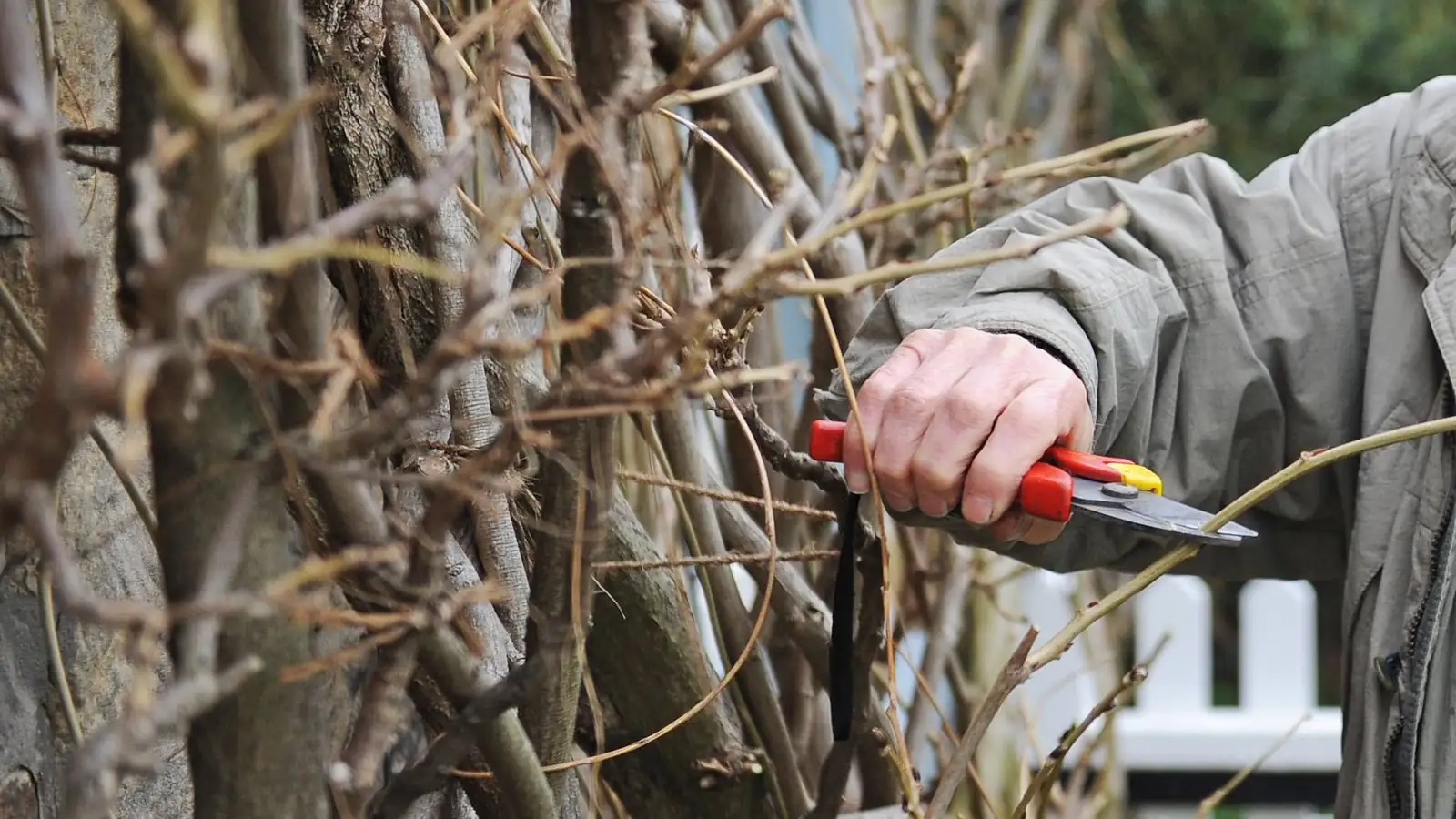
How to Prune Like a Pro
Think of pruning as a sculptor chiseling away to reveal a masterpiece. Here’s how to wield your shears with confidence:
- Identify the Targets: Focus on the long, wispy shoots that have sprouted since the last prune. These are the energetic tendrils that need taming.
- Cut with Precision: For summer pruning, trace each shoot back to its base and count five or six buds (or leaves). Cut just above the bud, ensuring your cut follows the leaf’s natural direction.
- Tackle the Seed Pods: Remove any long stems with old seed pods to keep the plant tidy and focused on future blooms.
- Maintain Airflow: In winter, cut back to two or three buds on each shoot, clearing away old, tangled growth to enhance air circulation and sun exposure.
- Mind the Base: Regularly remove suckers—the unwanted shoots that emerge at the base—as well as any dead or damaged stems.
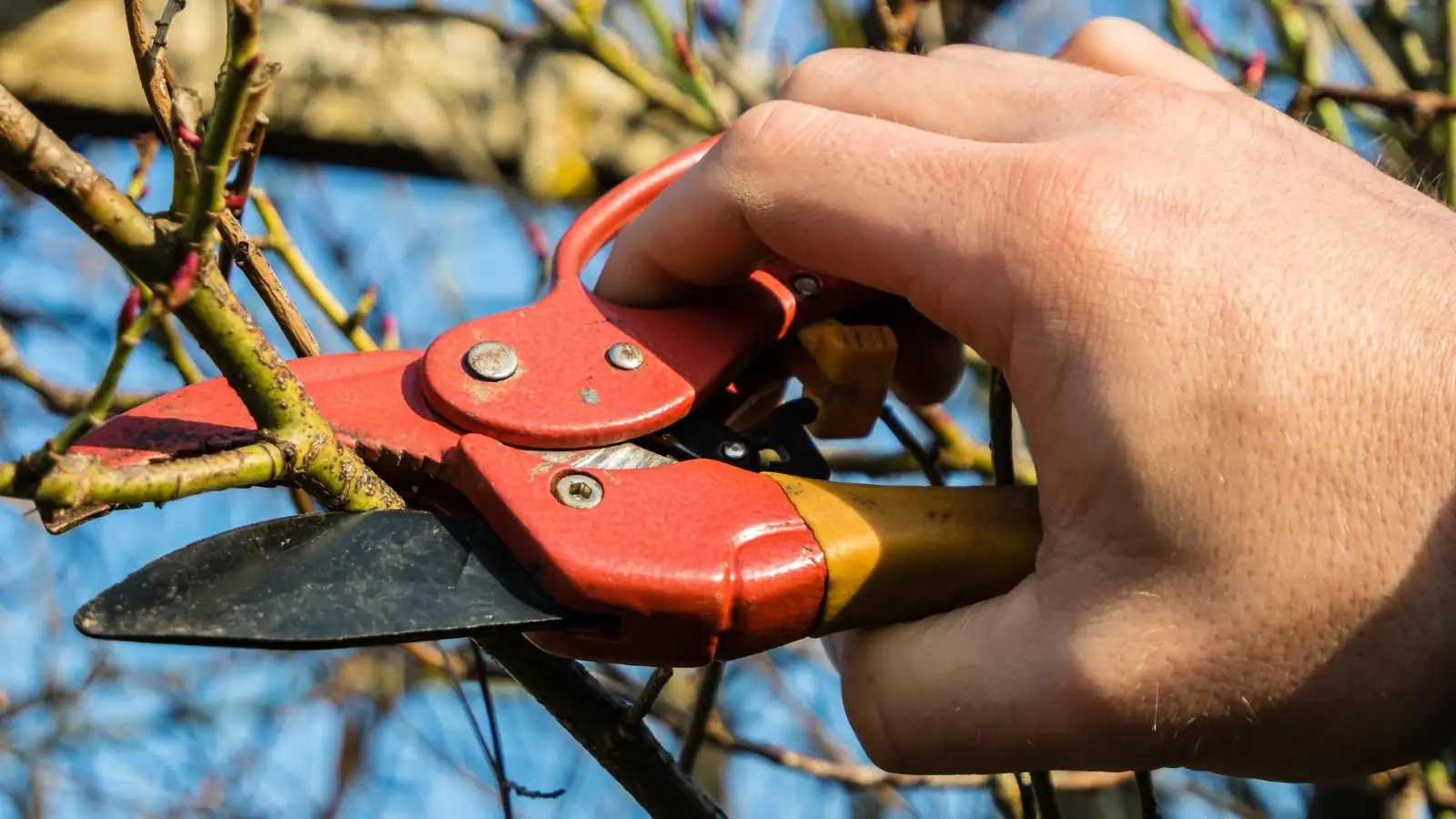
Pruning Tips and Tricks
- Safety First: Ensure you’re using sharp, clean tools to make clean cuts and reduce the risk of disease.
- Stay on Top of It: Regular attention prevents wisteria from becoming unmanageable. It’s easier to prune a little twice a year than to wrestle with a giant!
- Compost Wisely: Wisteria cuttings break down quickly, so toss them into your compost to recycle nutrients back into the garden.
Beyond Pruning: Supporting Your Wisteria
A sturdy support structure is crucial for wisteria’s heavy, twisting vines. Consider a robust arbor or pergola to showcase its beauty while preventing damage to buildings or trees. Remember, this plant is a powerhouse—give it room to grow!
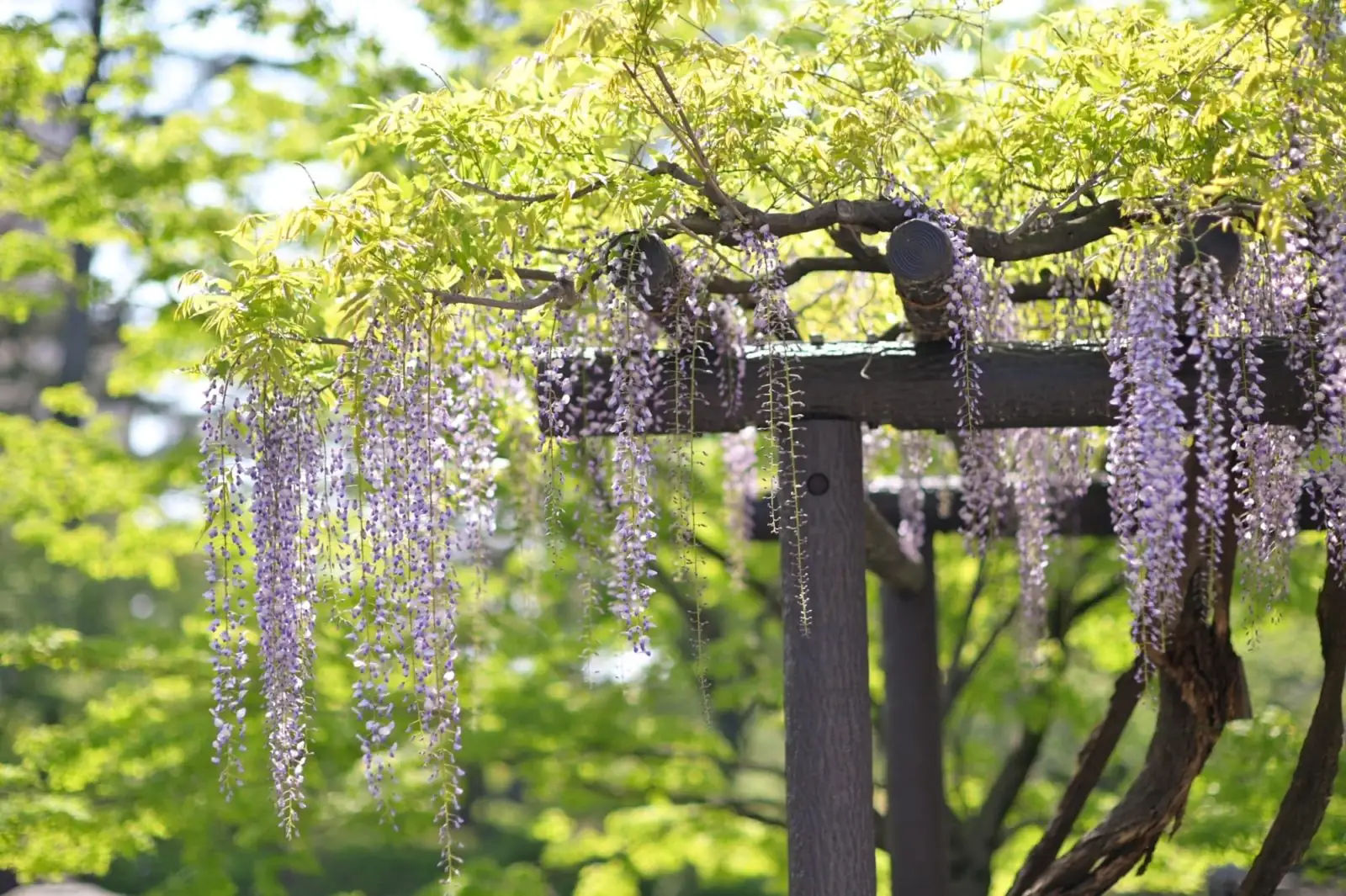
The Poetry of Wisteria
Wisteria’s enchanting blooms have inspired poets and artists for centuries. In Japan, wisteria viewing is a cherished tradition, and tales abound of lovers united by the vine’s enduring embrace. This vine symbolizes romance, patience, and longevity, mirroring its ability to thrive for generations.
Common Questions
Why isn’t my wisteria blooming?
- It could be too young, receiving insufficient sunlight, or over-fertilized with nitrogen. Ensure it gets at least six hours of sun, and focus on phosphorus-rich fertilizers.
Is wisteria invasive?
- In North America, Chinese and Japanese wisteria can be invasive. If you’re concerned about aggressive growth, consider American Wisteria (Wisteria frutescens) as a native, less vigorous alternative.
Embrace the wisteria journey—pruning isn’t just a chore; it’s a conversation with nature, shaping your garden’s story one cut at a time. With dedication and a bit of flair, your Wisteria sinensis will reward you with a breathtaking cascade of blooms, year after year.