
When it comes to gardening, one of the trickiest tasks is knowing how much and how often to water your plants. It becomes even more challenging when you factor in the fluctuating conditions of rainy and hot seasons. Fear not, though! With a few practical tips, you can ensure your plants remain healthy and vibrant year-round.
Understanding Plant Needs in Different Seasons
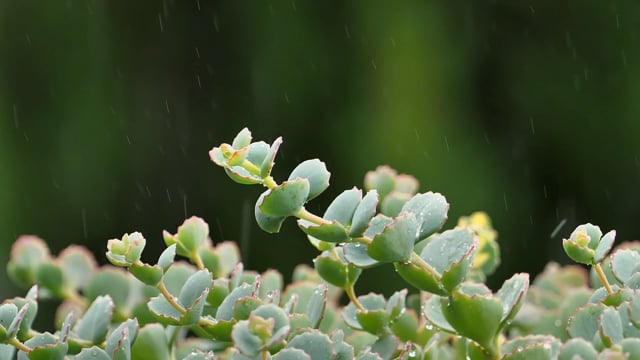
Rainy Season: Embrace Nature’s Bounty
During the rainy season, Mother Nature takes the lead in watering your garden. However, too much of a good thing can be harmful. Here’s how to manage:
- Check Drainage: Ensure your garden has good drainage to prevent waterlogged roots, which can lead to root rot. If your pots or garden beds are retaining too much water, consider adding sand or gravel to improve drainage.
- Monitor Rainfall: Keep an eye on the weather forecast. If it’s been raining heavily, you might not need to water at all. A rain gauge can be a handy tool to measure how much water your plants are getting naturally.
- Adjust Watering for Potted Plants: Container plants, due to their limited soil volume, might still need some attention. Check the top inch of soil; if it feels dry, a light watering might be necessary despite the rain.
Hot Season: Combat the Heat
Hot weather can be particularly taxing on your plants. As temperatures rise, so does the need for strategic watering:
- Water Early or Late: Aim to water your plants either in the early morning or late afternoon. This reduces evaporation and ensures the water reaches the roots rather than just evaporating off the surface.
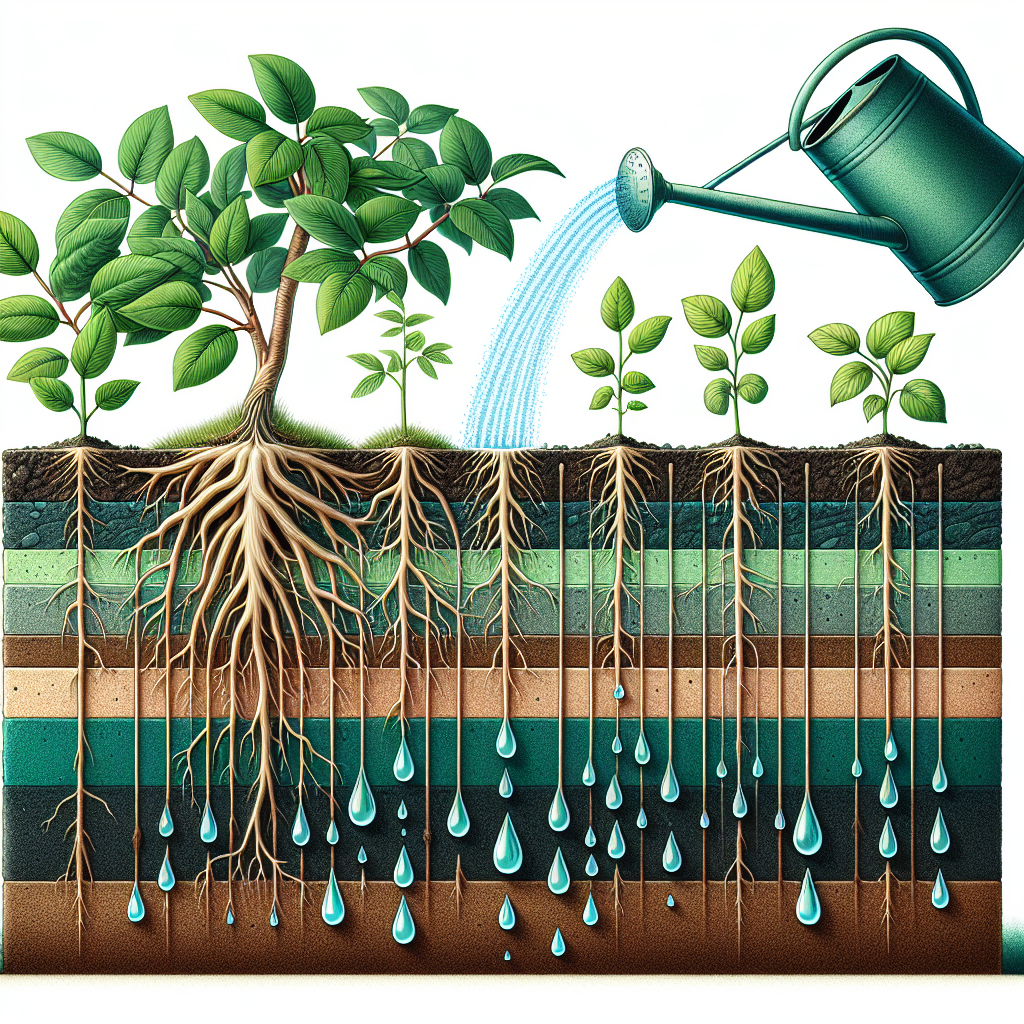
- Deep Watering: Instead of frequent shallow watering, opt for deep watering. This encourages roots to grow deeper into the soil, making plants more drought-resistant. A general rule is to ensure the water penetrates 6 to 12 inches into the soil, depending on its type.
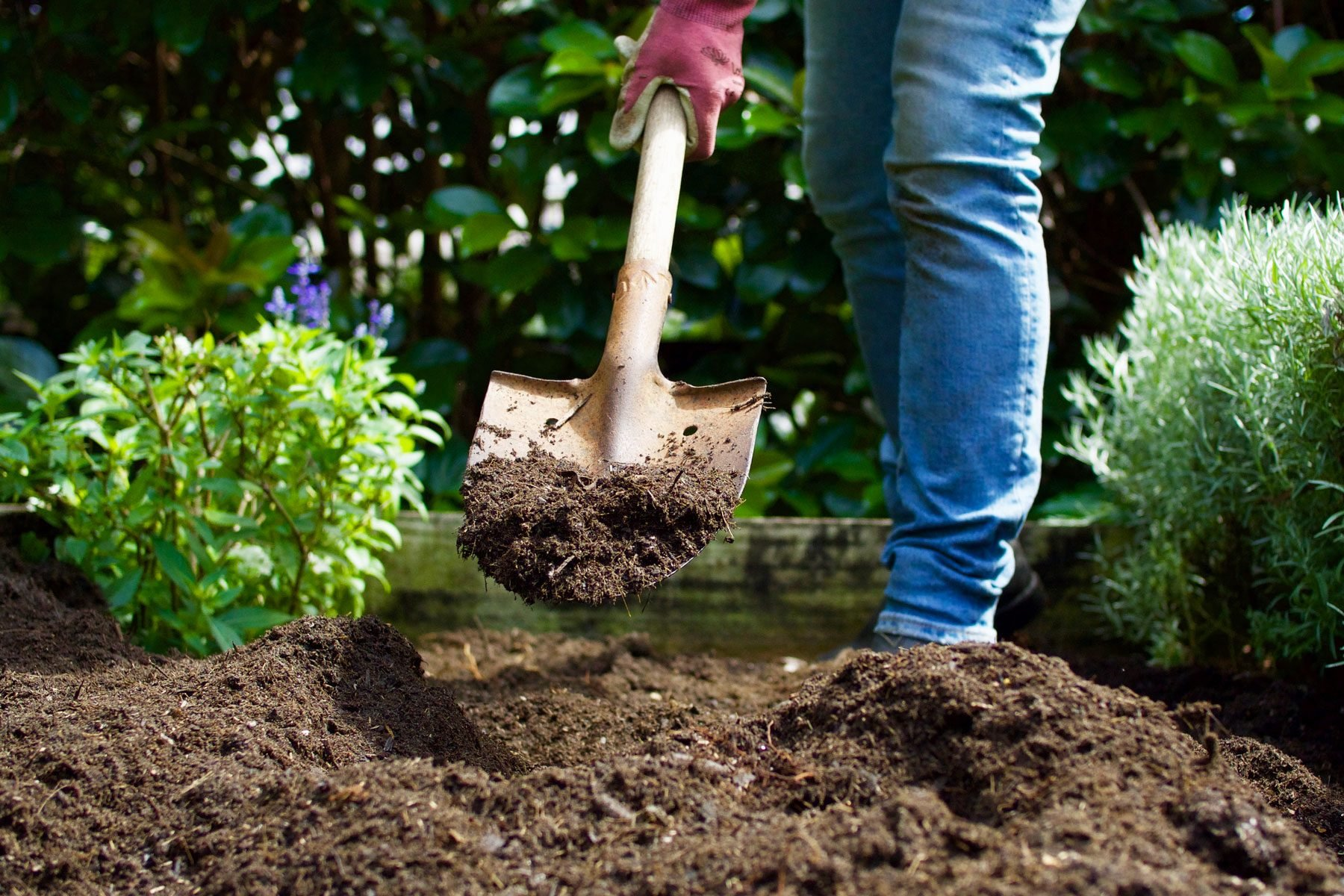
- Mulching Magic: Apply a layer of mulch around your plants to help retain moisture, cool the soil, and reduce water evaporation. Materials like straw, wood chips, or compost work well.
Common Watering Mistakes
Even seasoned gardeners can make mistakes. Here are some pitfalls to avoid:
- Overwatering: It’s a common mistake to overwater, especially in hot weather. Remember, plants can only use so much water, and excess can lead to diseases.
- Inconsistent Watering: Consistency is key. Stick to a routine that meets the needs of your specific plants and the current weather conditions.
- Neglecting Soil Type: Different soil types absorb and retain water differently. Loamy soil, for example, retains moisture well, while sandy soil drains quickly. Adjust your watering practices accordingly.
Final Thoughts
Watering your plants during rainy and hot seasons can be a balancing act, but with these tips, you’ll be well-equipped to keep your garden thriving. Remember that plants are living organisms with different needs, so observe them closely and adjust your practices as required. Happy gardening!