Fragrant, bright, and famously easy to bloom indoors, Narcissus tazetta (the classic paperwhite 水仙) is also wonderfully generous when it comes to making more of itself. Whether you simply split clumps at dormancy or you’re ready to try basal‑plate cuts and twin‑scaling for a bumper crop of baby bulbs, this masterclass walks you through timing, sterile technique, step‑by‑step methods, and realistic timelines to flowering size.
Meet Narcissus tazetta in 30 seconds
- What it is: A bulbous perennial in the Amaryllidaceae, native to the Mediterranean region and cherished worldwide—especially in East Asia—for winter-to-spring bloom and sweet perfume.
- Habit: Cool-season growth, winter–spring flowering, summer dormancy; forms clumps via offsets over time.
- Indoors vs. outdoors: A star of indoor forcing (often flowers in 4–6 weeks). Outdoors, it’s best in mild climates (roughly USDA Zone 8–10/11), with bright light and excellent drainage.
- Look: Upright stems topped with clusters of small, starry, strongly fragrant white blooms, often 3–20 per stem depending on selection and bulb size.
Propagation decision tree (choose your adventure)
- Easiest, most reliable: Divide offsets during dormancy. Clonal, quick, and tidy. Small offsets usually need 2–3 years to reach flowering size.
- Fast multiplication, a bit technical: Basal‑plate cutting and twin‑scaling. Produces many bulblets in a single season; expect 2–4(–5) years to first flowers depending on aftercare.
- Patience project: Seed. Genetic variation, but slow—often 5–6 years to bloom.
Tip: Paperwhites/tazettas famously flower without a long cold period, but advanced bulblet‑making (basal‑plate/scale methods) benefits from a brief pre‑chill before you cut (details below).
The calendar that makes it work
- Winter to early spring: Enjoy blooms. Keep plants cool (about 10–20°C / 50–68°F) and very bright to avoid floppy stems.
- After flowering (6–8 weeks): Let leaves stay until they yellow naturally. This recharges the bulbs.
- Late spring to summer: Reduce watering; allow dormancy in a dry, airy place.
- Dormant season (late summer to autumn): Divide offsets or start basal‑plate/twin‑scaling. This is your propagation window.
- For indoor forcing: Start “new” bulbs in bowls/pots anytime autumn–winter; flowers often in 4–6 weeks.
Sanitation is everything: your clean‑room checklist
- Wear gloves: Narcissus sap can irritate skin; the bulbs are toxic if ingested. Keep away from pets and children.
- Sterilize blades and cutting surfaces: Wipe with 70% isopropyl alcohol, flame‑sterilize, or soak tools 10 minutes in a 10% bleach solution, then rinse and dry.
- Use clean media and containers: Fresh, free‑draining mix for pots; new or well‑washed perlite/vermiculite for bulblets; scrub bowls if using water culture.
- Keep air moving: Ventilation deters mold; avoid damp, stagnant conditions.
- Cull ruthlessly: Discard any soft, moldy, or black‑spotted bulbs or scales.
Method 1: Offset division during dormancy (beginner‑friendly)
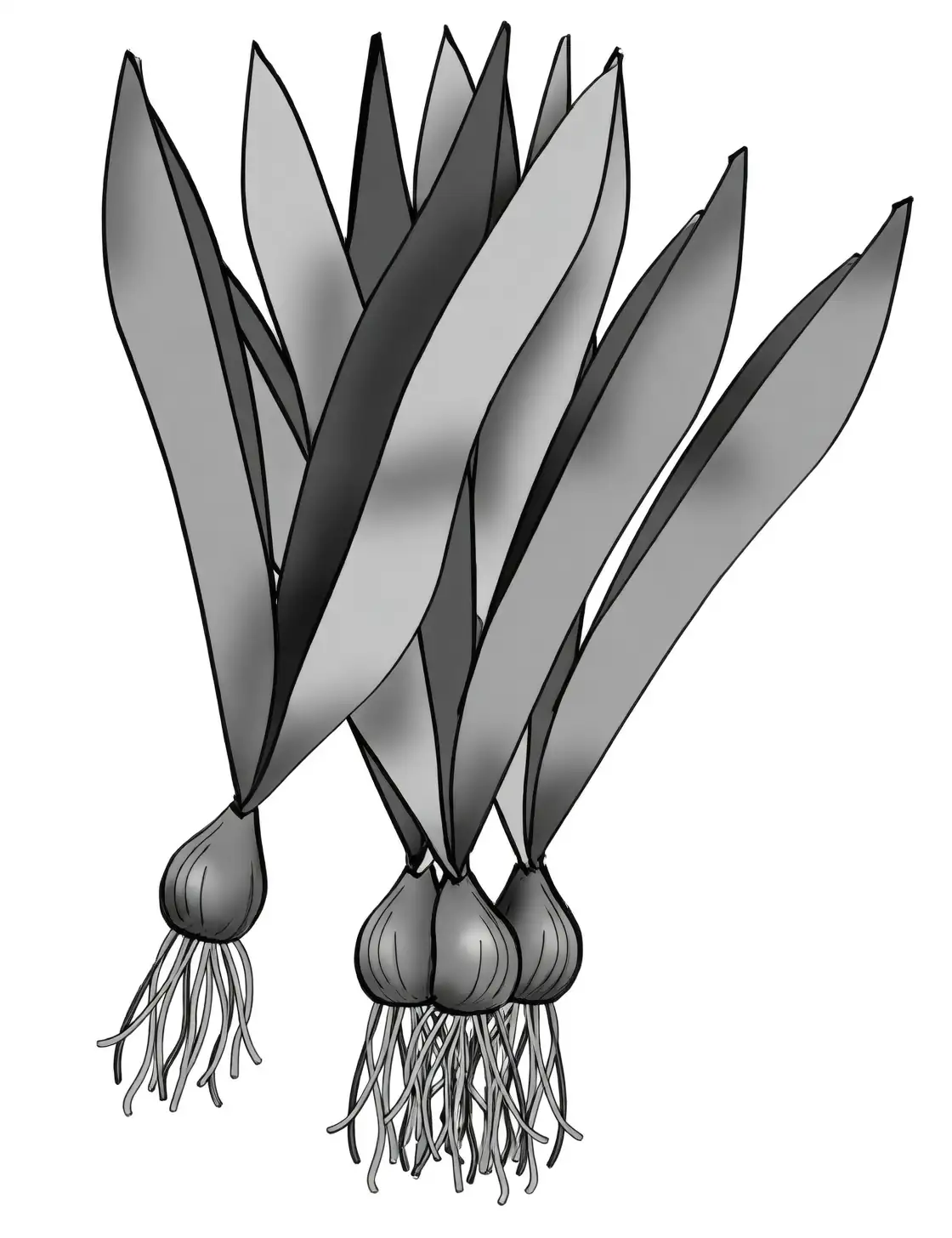
When to divide: During dormancy—after foliage has yellowed and dried, typically late spring–summer in most regions.
How to:
- Lift the clump: Loosen the soil, lift gently, and cradle bulbs to avoid bruising.
- Tease apart: Separate daughter offsets from the mother bulb by hand. Keep basal plates intact.
- Grade by size:
- Flowering next season: Large, firm offsets nearly the size of small walnuts.
- Grow‑on stock: Small offsets; they usually take 2–3 years to reach flowering size.
- Replant or store:
- Replant immediately in a free‑draining bulb mix, or
- Store dry, cool, and airy until autumn. Label by size/date.
- Planting depth and spacing:
- In pots: Free‑draining mix (about 2 parts potting mix to 1 part grit). Keep just barely moist in cool conditions.
- In mild‑climate gardens: Choose bright light and excellent drainage; space to allow 10–20 cm clump spread over time.
Aftercare:
- Keep cool and bright during growth.
- Water sparingly at first; never waterlog.
- Feed lightly during active growth if you plan to keep bulbs long term.
Timeline to bloom:
- Large offsets: Often flower the following season.
- Small offsets: Usually 2–3 years to first flowers.
Method 2: Basal‑plate cuts and twin‑scaling (produce many bulblets)

Best for: Quickly multiplying a favorite clone. Requires careful hygiene and patience.
Pre‑chill (recommended for tazetta scaling):
- Place sound, firm bulbs at 4–10°C (39–50°F) for 4–8 weeks. This primes tissues and improves bulblet initiation.
You’ll need:
- Sterile scalpel/knife, fresh vermiculite or perlite, sealable bags or lidded boxes, fungicidal dust (e.g., sulfur), labels, 70% isopropyl alcohol.
Step‑by‑step (twin‑scaling style):
- Prepare: Sterilize tools and set up a clean workspace. Wear gloves.
- Trim bulb: Remove old roots and the dry tunic. Leave a clean, white bulb.
- Expose basal plate: Slice a thin disc from the basal plate to create a flat working surface.
- Quarter the bulb: Cut lengthwise through the nose (tip) into quarters, then eighths if the bulb is large.
- Make “twin‑scales”: From each segment, cut pairs of adjacent scales kept together by a sliver of basal plate (this is where bulblets will form).
- Dust and bag: Dust lightly with fungicide. Place in a barely moist (not wet) mix of sterilized vermiculite/perlite in labelled bags or boxes.
- Incubate warm and dark: 20–28°C (68–82°F) in darkness with gentle airflow outside the bags. Avoid free water; aim for just humid.
- Wait, then check: In about 8–12 weeks (2–3 months), tiny bulblets form at the basal‑plate edge of each twin‑scale.
- Pot‑up phase: Once bulblets show roots and a small growing point, plant them shallowly in a gritty bulb mix in community trays. Keep cool (about 10–20°C / 50–68°F) and bright.
- First growing season: Keep evenly moist, never soggy. No heavy feeding needed; a light, balanced feed during active growth is fine if you’re keeping long term.
- Dormancy and grow‑on: Allow foliage to yellow, then keep dry and airy over summer. Pot on and space out as bulblets enlarge over years 2–3.
Timeline to bloom:
- Bulblet formation: ~2–3 months after incubation starts.
- First flowers: Commonly in 2–4 years with steady, cool‑bright culture (some may take up to 5 years).
Optional variation—basal‑plate notching to induce offsets on intact bulbs:
- Make several shallow V‑notches into the basal plate without slicing the bulb apart. Dust with fungicide, then plant shallowly in a sterile, gritty mix and keep warm/dark for several weeks. New offsets form around the base. Grow on as for bulblets.
Aftercare that builds big blooms

- Light: Bright light to full sun. Indoors, aim for at least ~6 hours of strong light to keep growth sturdy.
- Temperature: Cool‑to‑mild (10–20°C / 50–68°F). Cooler rooms (5–15°C / 41–59°F) give compact, long‑lasting displays.
- Water: Evenly moist, never waterlogged. In bowls of pebbles, keep water just at or slightly below the basal plate—roots in water, bulb mostly dry—and refresh frequently.
- Feeding: For short-term displays, fertilizer is optional. For keepers, a light, balanced feed during active growth helps recharge bulbs. Avoid high nitrogen.
- Post‑bloom leaf care: Do not cut green leaves; let them yellow naturally over 6–8 weeks. This directly sizes next year’s flowers.
What to expect: flower size, stem stature, and floret count
- Stems: Typically 20–45 cm tall in pots/bowls (can be taller with warmth/low light—keep cool and bright).
- Individual blooms: Usually small and starry in tazetta forms, commonly around 2–4 cm across.
- Floret count per stem: Highly cultivar‑ and bulb‑size‑dependent; clusters often range from 3 up to 20.
- Bigger bulbs = bigger show: Larger, heavier bulbs usually carry more flower stems and more florets per umbel.
Troubleshooting propagation
- Bulb/crown rot: Most often from warmth + excess moisture. Use free‑draining media, cool temps, and sterile tools. Remove any soft tissue promptly.
- Blue mold on stored bulbs: Keep storage dry, cool, and airy; discard affected bulbs.
- Aphids on leaves/scape: Rinse with water or treat early; they can vector viruses.
- Bulb pests (mites, narcissus fly, nematodes in some regions): Start with clean stock, practice strict hygiene, and inspect stored bulbs regularly.
Safety first
- All parts—especially bulbs—are toxic to humans and pets (lycorine and other compounds). Ingestion can cause vomiting, diarrhea, drooling, and abdominal pain. Wear gloves if sap irritates your skin, and keep bulbs out of reach of children, dogs, and cats.
- Cut‑flower tip: Narcissus sap can shorten the life of other cut flowers. Condition daffodil stems in water separately before mixing in arrangements.
A note on symbolism (花语) and meaning
Narcissus has long symbolized renewal and new beginnings—perfect for a winter bloom that hints at spring. In East Asian New Year traditions, 水仙 also signals good fortune and a thriving home, often trained into elegant living sculptures. Western “flower language” layers on meanings of purity (white blooms), joy (yellow daffodils), and, via the Greek myth of Narcissus, self‑reflection or self‑love. These symbolic readings are cultural stories rather than botanical facts—but they’re part of why this plant feels so at home on festival tables and hopeful windowsills.
Quick reference: propagation timelines
- Divide offsets at dormancy: straightforward; small offsets need ~2–3 years to bloom.
- Basal‑plate/twin‑scaling:
- Pre‑chill: 4–8 weeks at 4–10°C.
- Incubate: 20–28°C in dark; bulblets form in ~8–12 weeks.
- Grow‑on to flowers: commonly 2–4 years with good culture.
- From seed: typically 5–6 years to first flowers.
Grow cool and bright, keep things clean, and let the leaves do their work after bloom—those three habits turn one fragrant winter treasure into many.