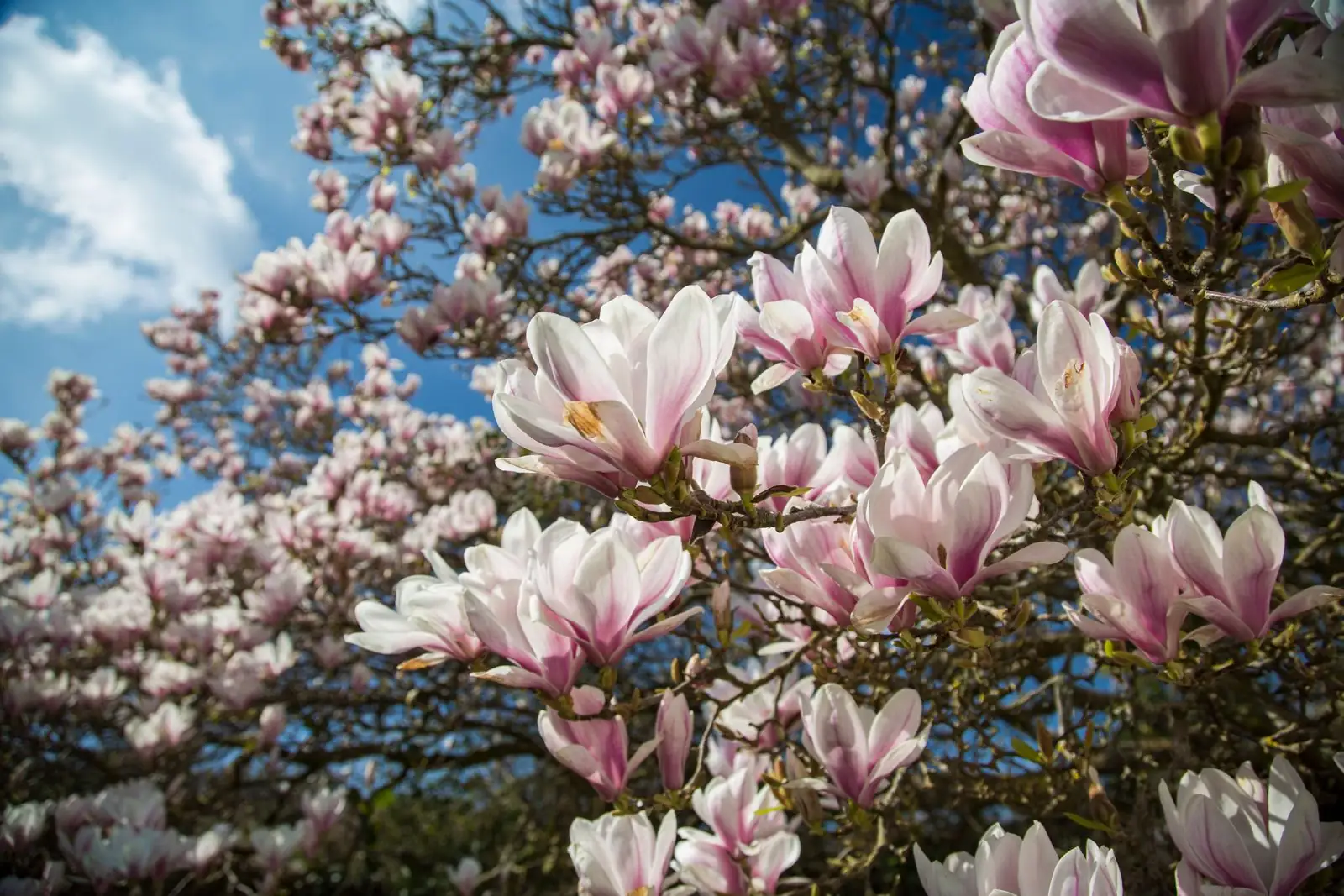
Magnolias—the ancient botanical wonders with blooms that captivate gardeners and nature enthusiasts alike—are not just a visual delight but also a bit of a puzzle when it comes to keeping them healthy. These iconic trees and shrubs, which have graced our planet for over 100 million years, are sometimes besieged by various pests and diseases. If you’re a proud owner of a magnolia or planning to become one, knowing what might ail your tree and how to troubleshoot effectively is key to keeping it in tip-top shape.
Common Magnolia Pests: The Unwanted Guests
Magnolia trees, with their elegant flowers and glossy leaves, can sometimes become the irresistible target of a variety of pests. Here’s a closer look at the usual suspects:
Magnolia Scale
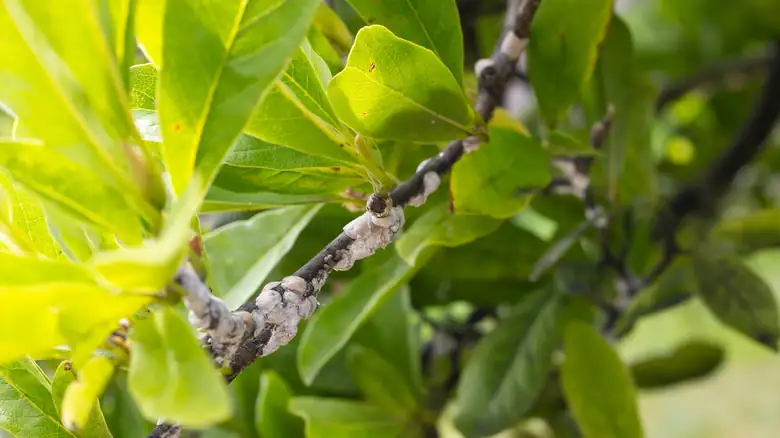
Imagine a tiny invader that can cover branches like miniature barnacles. Magnolia scale (Neolecanium cornuparvum) is one of the largest scale insects found in the United States, and it’s particularly fond of making magnolias its host. These scales feed on the tree’s sap, leading to weakened growth and a sticky residue known as honeydew, which can attract sooty mold.
Troubleshooting Tips:
- Manual Removal: For small infestations, gently scrub the scales off with a soft brush.
- Horticultural Oils: Apply dormant oil in late winter to suffocate overwintering scales.
- Beneficial Insects: Encourage natural predators like lady beetles to keep scale populations in check.
Aphids and Mealybugs
These pests are like tiny vampires, sucking the life out of your magnolias. Aphids and mealybugs leave behind honeydew as well, which leads to sooty mold—a cosmetic problem that can be unsightly.
Troubleshooting Tips:
- Neem Oil: A natural insecticide that can deter these pests.
- Water Spray: A forceful spray of water can dislodge aphids from the plant.
- Companion Planting: Consider planting species that attract aphid predators, like lacewings.
Diseases: When Things Go Fungal
Magnolias can also fall victim to several diseases, most of which are fungal in nature. Understanding the symptoms and treatment options can help you act swiftly.
Leaf Spot Diseases
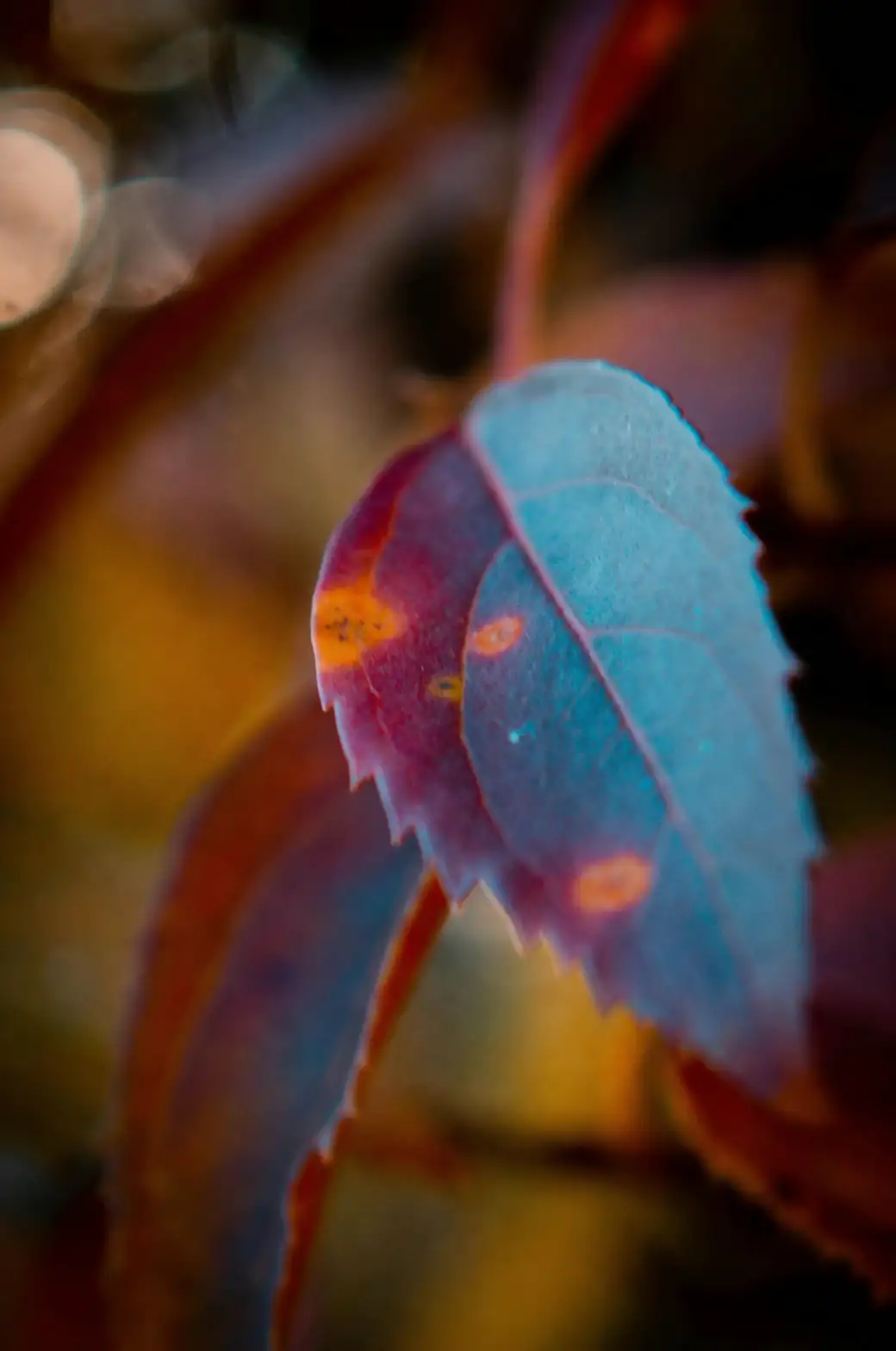
Magnolia leaf spots are often caused by fungi such as Phyllosticta, Cladosporium, and Septoria. These spots appear as purple or black lesions on leaves, which can spread and become larger over time.
Troubleshooting Tips:
- Cultural Controls: Remove and destroy affected leaves to prevent the spread of spores.
- Good Air Circulation: Ensure proper spacing of plants to reduce humidity and moisture on leaves.
- Chemical Control: Apply fungicides like Daconil or Mancozeb during early shoot growth.
Powdery Mildew
This disease leaves a white, powdery coating on magnolia leaves, often in humid conditions. It can stunt growth and reduce flowering.
Troubleshooting Tips:
- Prune for Airflow: Trim back dense foliage to improve air circulation.
- Use of Fungicides: Apply sulfur-based fungicides at the first sign of mildew.
- Avoid Overhead Watering: Water at the base to keep leaves dry.
Root Rot
Caused by poor drainage, root rot can be a silent killer. It affects the roots, making the tree susceptible to other stressors.
Troubleshooting Tips:
- Improve Drainage: Amend soil with organic matter to enhance drainage.
- Water Wisely: Ensure soil is consistently moist but not waterlogged.
- Mulching: Apply mulch to retain moisture while keeping roots cool.
Prevention: The Best Medicine
An ounce of prevention is worth a pound of cure, especially with magnolias. Here are some general tips to keep your tree thriving:
- Site Selection: Plant magnolias in locations with full sun to partial shade and shelter from strong winds.
- Soil Preparation: Use fertile, well-drained soil with a slightly acidic to neutral pH.
- Water Management: Water deeply and regularly, adjusting during droughts to maintain consistent soil moisture.
- Pruning Practices: Prune sparingly and only within recommended windows to avoid stressing the tree.
Magnolias are truly remarkable trees that have stood the test of time. By understanding and addressing the common challenges they face, you can enjoy these ancient wonders in full bloom, season after season. Whether it’s the noble Southern Magnolia or the charming Star Magnolia, a little care and attention will ensure that your magnolia remains a majestic focal point in your garden.