
When it comes to measuring light, not all meters are created equal. If you’ve ever been puzzled about the difference between lux meters and light meters, you’re not alone. These handy tools are often used interchangeably but serve distinct purposes. Let’s dive into the nitty-gritty of these devices and see how they fit into your light-measuring toolkit.
Understanding the Basics: Lux Meters and Light Meters
At a glance, both lux meters and light meters help measure light intensity, but they do so in different contexts and for different purposes. Think of them as two sides of the same coin—each valuable in its own right but serving different ends.
Lux Meters: Seeing Through Human Eyes
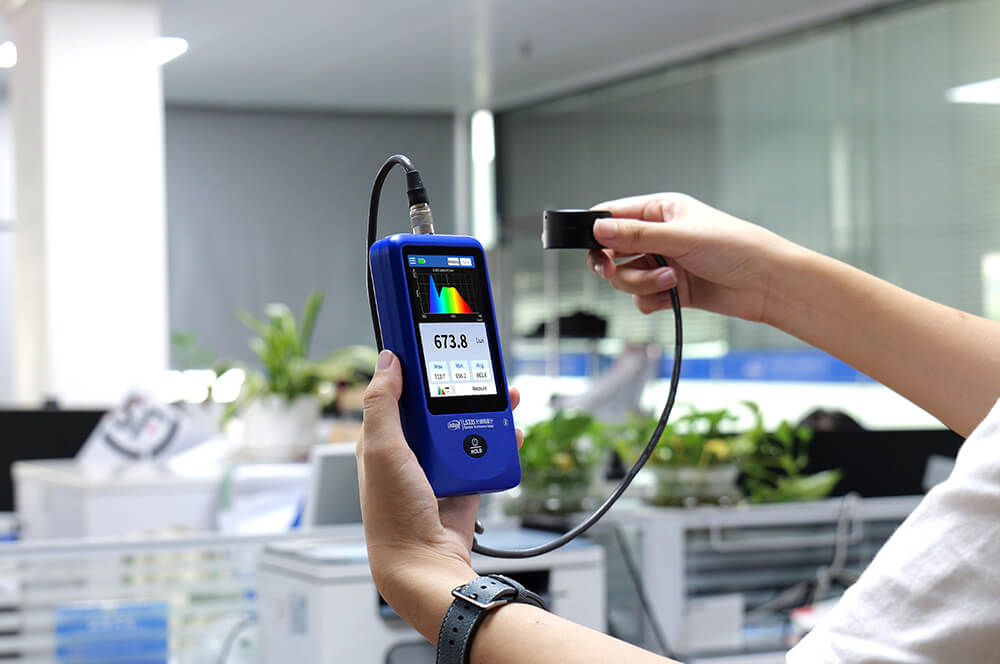
A lux meter, often called a lumen meter, measures illuminance in lux, which is the unit of luminous flux per square meter. In layman’s terms, it tells you how much light is hitting a surface, as perceived by the human eye. This makes lux meters particularly useful in settings like offices, classrooms, or any environment where human comfort and visibility are key considerations.
- When to Use a Lux Meter: If you’re an architect or work in interior design, you might use a lux meter to ensure that lighting conditions meet recommended standards for human activities. For example, reading or detailed workspaces typically require about 500 lux.
- Common Pitfalls: One common mistake is using a lux meter to assess plant lighting. Since plants don’t see light in the same way humans do, this can lead to inaccurate assessments for horticultural purposes.
Light Meters: A Broader Spectrum
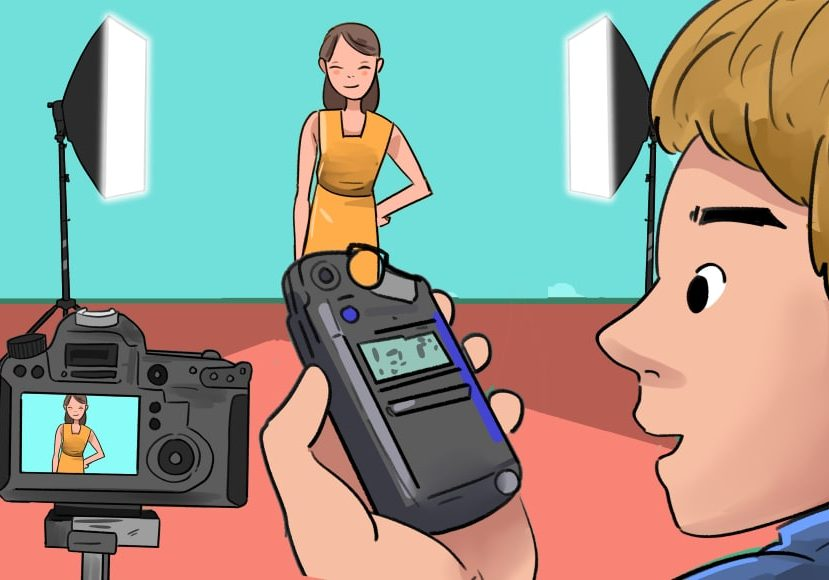
The term “light meter” is a bit broader and can refer to any device that measures light intensity. However, in photography and cinematography, a light meter often measures exposure settings based on the light available in a scene. These meters help photographers and filmmakers determine the optimal shutter speed and aperture for capturing well-exposed images.
- When to Use a Light Meter: If you’re a photographer, a light meter is your best friend for achieving the perfect exposure. Whether shooting a portrait or capturing a sunset, a light meter helps ensure your images aren’t too dark or overly bright.
- What to Watch Out For: Not all light meters are created equal. Some are designed specifically for photography, while others might be used in architectural lighting design. Understanding your specific needs will guide you to the right tool.
The Key Takeaway: Use the Right Tool for the Job
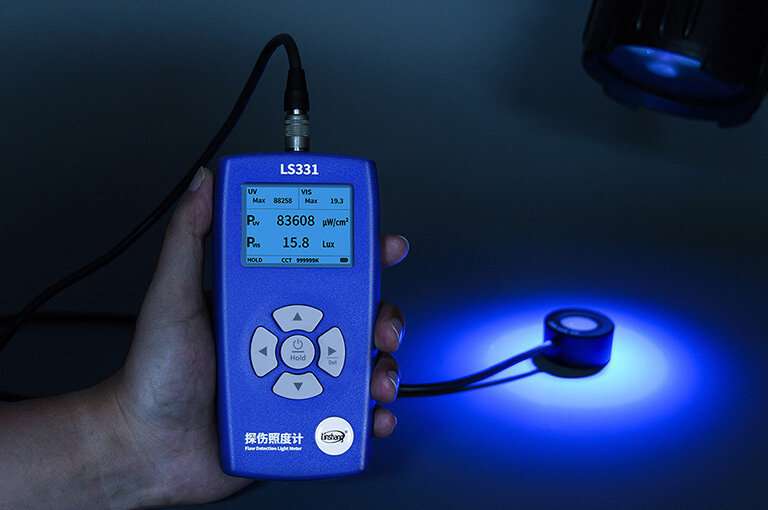
While both lux meters and light meters measure light, the key is to match the tool to the task. If you’re focused on human-centric environments, a lux meter is your go-to device. For artistic or detailed technical work like photography, a light meter will serve you better.
In summary, understanding the difference between these meters can save you time and improve the quality of your work, whether you’re designing a space or capturing the perfect shot. When in doubt, refer back to their primary functions, and you’ll be well on your way to mastering the art of light measurement!