
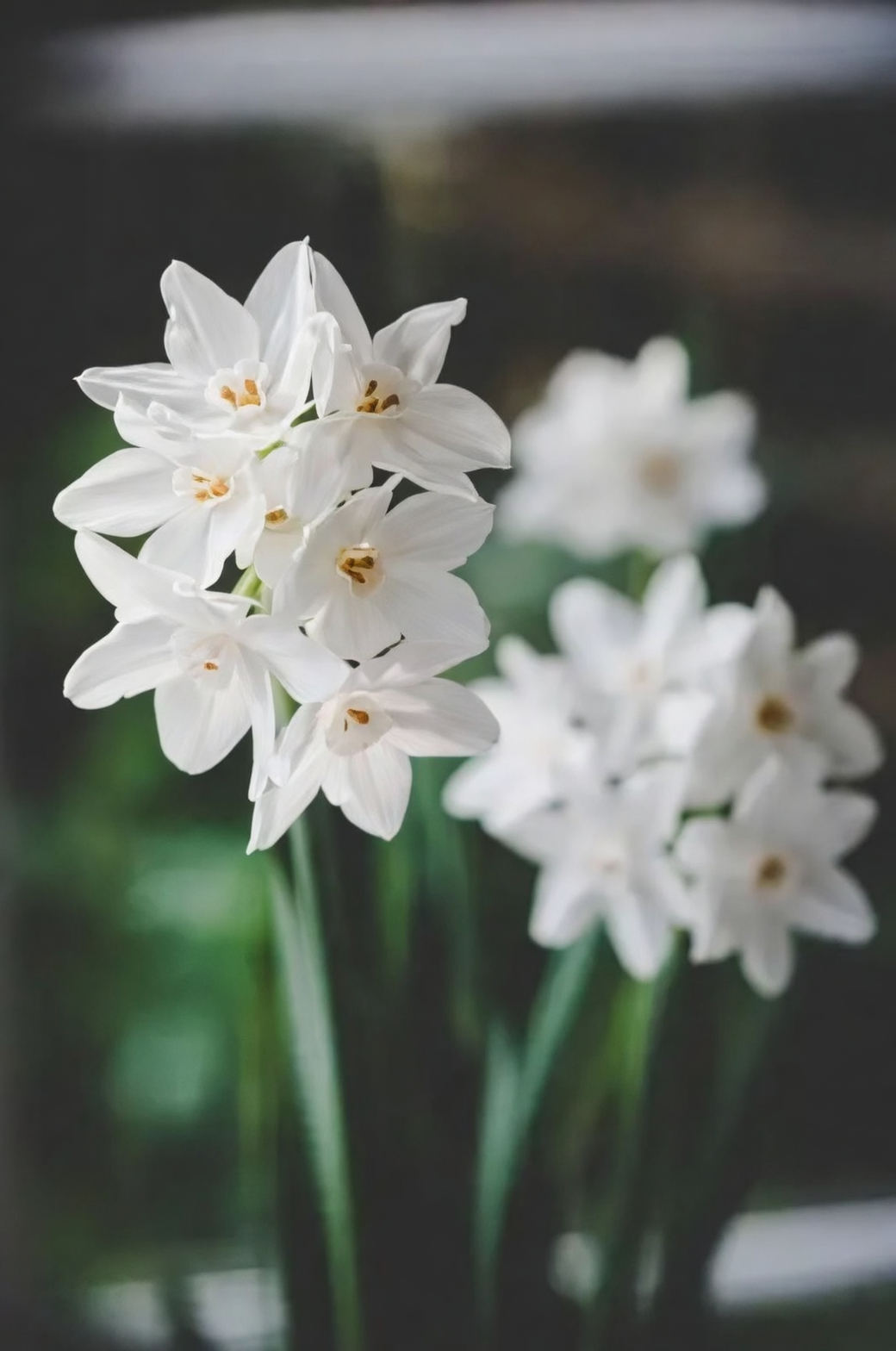
Fragrant, elegant, and fast to bloom, Narcissus tazetta (paperwhite narcissus, 水仙) is the quintessential “winter daffodil” that brings spring indoors in 4–6 weeks. But here’s the part many gift tags don’t mention: it’s toxic—especially the bulbs. With a few smart strategies, you can enjoy the perfume and keep everyone safe.
Meet the plant (and the risk)
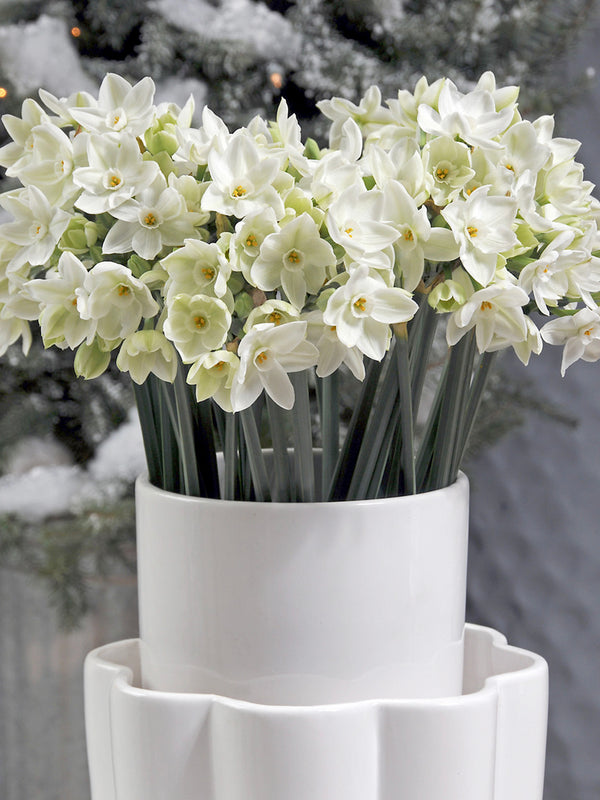
- What it is: A bulb-forming daffodil in the Amaryllidaceae family, native to the Mediterranean and beloved in East Asia for Lunar New Year displays.
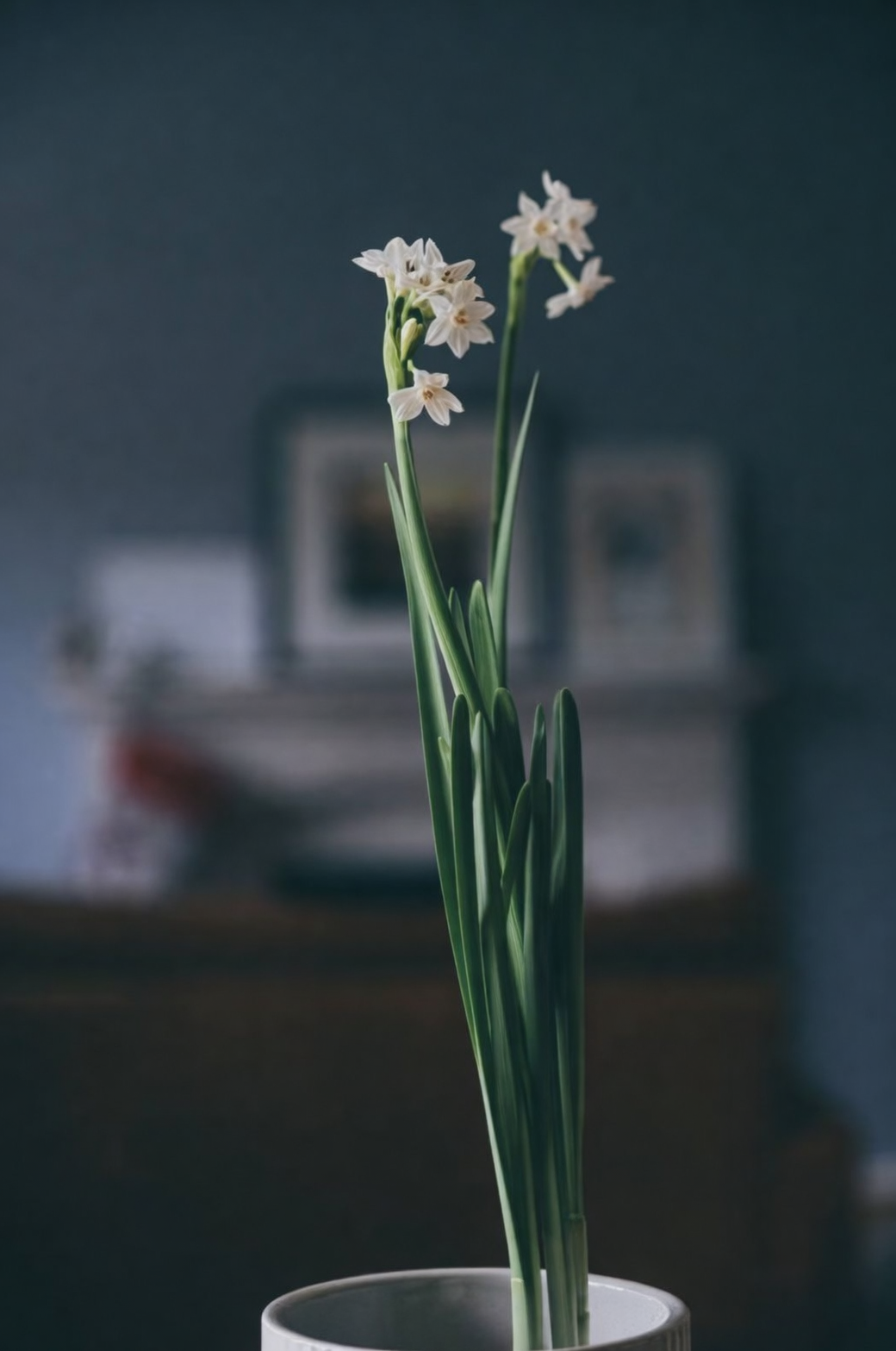
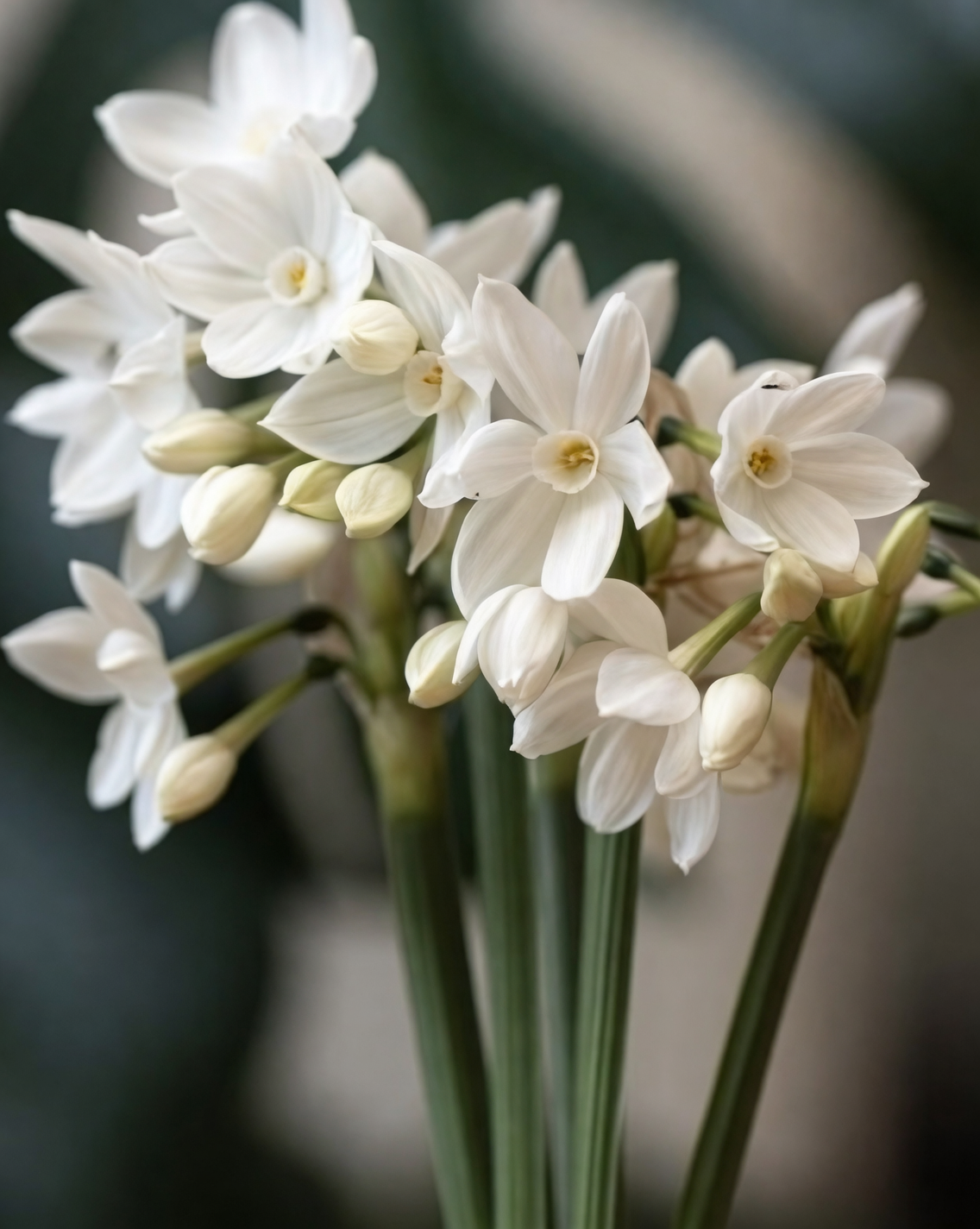
- How it grows: Upright stems with clusters of starry, usually white, intensely fragrant blooms; narrow, strap-like leaves arise from fat, papery bulbs.
- Best indoors when: Kept bright and cool (about 50–68°F/10–20°C; cooler = sturdier stems and longer bloom).
- The hazard: All parts are toxic—bulb most of all. Compounds include lycorine and other alkaloids, plus irritating calcium oxalate crystals in the sap. Ingestion can cause drooling, nausea, vomiting, diarrhea, and abdominal pain; larger doses may lead to more severe symptoms. Skin can be irritated by sap, especially on sensitive hands.
Toxicity, plainly explained
Think of paperwhites as delicious-looking but inedible candy. The plant’s chemical armor protects it from being eaten in nature—and can upset pets and people.
- Toxic parts: All parts; bulbs are the most concentrated source.
- Key culprits: Lycorine (a potent emetic), other amaryllid alkaloids (e.g., galantamine, narciclasine, scillaine) and calcium oxalate crystals (sharp “raphides” that irritate mouth/skin).
- Typical symptoms (humans and pets):
- Mild to moderate: drooling, mouth irritation, nausea, vomiting, diarrhea, stomach cramps.
- Severe or high-dose exposures: lethargy, tremors, abnormal heart rhythm, low blood pressure, respiratory issues. Rare complications can involve kidneys in pets.
- Timing: Symptoms may begin within minutes but can be delayed for several hours.
Important: Vase/bowl water can carry irritating sap—don’t let children or pets drink it.
Safe placement strategies (pretty and protected)
Before you pot or force bulbs
- Store bulbs in a clearly labeled, sealed container away from food, snacks, and curious hands. Never mix or store near onions/shallots.
- Inspect bulbs: firm, heavy, no mold or soft spots.
Indoors: where to enjoy, not endure
- Light and temperature: Bright east/south window, cool room (41–59°F/5–15°C is ideal for compact growth). Avoid radiators and hot air vents.
- Height and access:
- Place arrangements on high, stable shelves, inside glass-front cabinets, or on window ledges inaccessible to kids/pets.
- Do not set bowls on coffee tables, low consoles, or near pet perches, food bowls, litter boxes, or dog beds.
- Make the display tamper-resistant:
- Use a heavy, wide-bottomed container that won’t tip.
- Choose large river stones (too big to swallow) to nest bulbs; avoid small pebbles or gel beads.
- Stretch a discreet wire grid or florist “chicken wire” across the bowl rim so paws can’t dig.
- Slip a hurricane vase/cylinder around the pot to both support stems and create a “nose guard.” Vent daily for airflow to reduce condensation.
- Water culture safety:
- Keep water shallow—roots in water, bulb base mostly dry.
- Refresh frequently (clean water, clean container) and cover the water surface with stones so no one can drink it.
Pet-savvy deterrents for shelves and sills:
- Cats dislike citrus peels (replace often), double-sided tape on the ledge, or a motion-activated air puff near the display.
- Keep plants off or far from cat trees and window routes; close doors when you’re not home.
Outdoors (mild climates)
- Plant where drainage is excellent and pets can’t dig—behind low fencing or with a layer of hardware cloth 1–2 inches below the soil surface to deter bulb excavation.
- Label the area and avoid planting in dog run zones.
Keep stems sturdy to prevent tip-overs
- Cool, bright conditions are the simplest “anti-flop.”
- Staking: tuck slim stakes (twigs, chopsticks) and loosely tie stems with soft twine.
- Tall, clear vessels can act as both container and support.
- Some growers use a diluted alcohol technique to shorten stems; if you try this, keep the solution locked away from kids/pets and never leave alcohol-treated water accessible.
Handling sap without the ouch
- Wear gloves if you have sensitive skin—daffodil sap can cause “daffodil itch.”
- After cutting, carving, or dividing bulbs (a traditional practice with Chinese Sacred Lily forms), rinse away sticky sap and let cuts dry and callus in a ventilated, lightly shaded spot before bright placement.
- Wash hands and tools with soap and water; avoid touching your eyes.
- If sap contacts skin: wash thoroughly. If it gets in eyes: flush with clean water for 15 minutes and seek medical advice if irritation persists.
Cut-flower caution
- Daffodil sap shortens the life of other cut flowers. Condition stems separately in clean water for several hours before mixing in a bouquet.
- Keep vases out of reach, and never let pets drink vase water.
If someone (or a pet) nibbles—what to do
Stay calm, act quickly, and get expert guidance.
Humans
- Remove any plant material from the mouth; rinse with water.
- Give small sips of water. Do not induce vomiting.
- Call Poison Control (U.S. 1-800-222-1222) or your local equivalent. Seek urgent care if the person is a child, pregnant, elderly, has underlying conditions, or shows severe symptoms (persistent vomiting, severe abdominal pain, fainting, breathing difficulty, heart palpitations).
- For skin/eye exposure: rinse as above; seek care if the reaction is significant.
Information to provide:
- Exact plant (Narcissus tazetta/paperwhite), part eaten (leaf/flower vs bulb), estimated amount and time since exposure, age/weight of the person.
Pets (cats and dogs)
- Remove plant matter from the mouth. Rinse the mouth gently with water if safe to do so.
- Prevent further access to the plant or water bowl containing plant sap.
- Contact your veterinarian or an animal poison control service immediately (ASPCA Animal Poison Control Center, U.S.: 888-426-4435).
- Do not induce vomiting unless a vet instructs you to do so.
Watch for:
- Drooling, pawing at the mouth, vomiting, diarrhea, lethargy, tremors, abnormal heart rate, breathing changes. Symptoms may appear within minutes or be delayed for hours.
Bring a sample/photo of the plant and note how much was eaten.
Disposal and post-bloom safety
- After flowering, if you won’t keep the bulbs: seal spent bulbs and any loose bulb scales in a bag and discard in a pet-proof trash bin.
- If keeping bulbs: let foliage yellow naturally in bright light so bulbs recharge; store dry, cool, clearly labeled, and out of reach during dormancy.
Flower language—beauty with a backstory
- Renewal and new beginnings: Paperwhites are winter’s promise of spring; in East Asia, 水仙 symbolizes good fortune and prosperity during the Lunar New Year, often trained into elegant living sculptures.
- The Narcissus myth: Western “self-love” associations trace to the Greek tale of Narcissus enthralled by his reflection. It’s a reminder that symbolism comes from stories we tell, not the plant’s biology—so enjoy the meaning, but treat the bulb with respect.
At-a-glance safety checklist
- Label and lock away bulbs before planting.
- Display high, stable, bright, and cool—never near heat or pet routes.
- Use heavy containers, large stones, and grids/cloches to block access.
- Keep water shallow, clean, and covered; pets and kids must not drink it.
- Wear gloves if sap irritates your skin; wash hands and tools afterward.
- Know the emergency steps and keep poison control numbers handy.
Enjoy Narcissus tazetta for what it does best—perfuming the room and heralding fresh starts—while keeping the “no nibbling” rule non-negotiable. With smart placement and a bit of foresight, you’ll have a safe, stunning winter show.