
Bold leaves, calm habits—and a sap you want to respect. Dieffenbachia seguine (often called Dumb Cane or Leopard Lily) is a striking, cane-stemmed houseplant that thrives in bright, indirect light and lends rooms an instant, tropical poise. With a little know‑how about its calcium oxalate crystals—and some smart placement and pruning habits—you can enjoy its lush foliage safely around family, pets, and guests.
Meet Dieffenbachia seguine at a glance
- Family: Araceae (aroids)
- Common names: Dumb Cane, Dieffenbachia, Leopard Lily
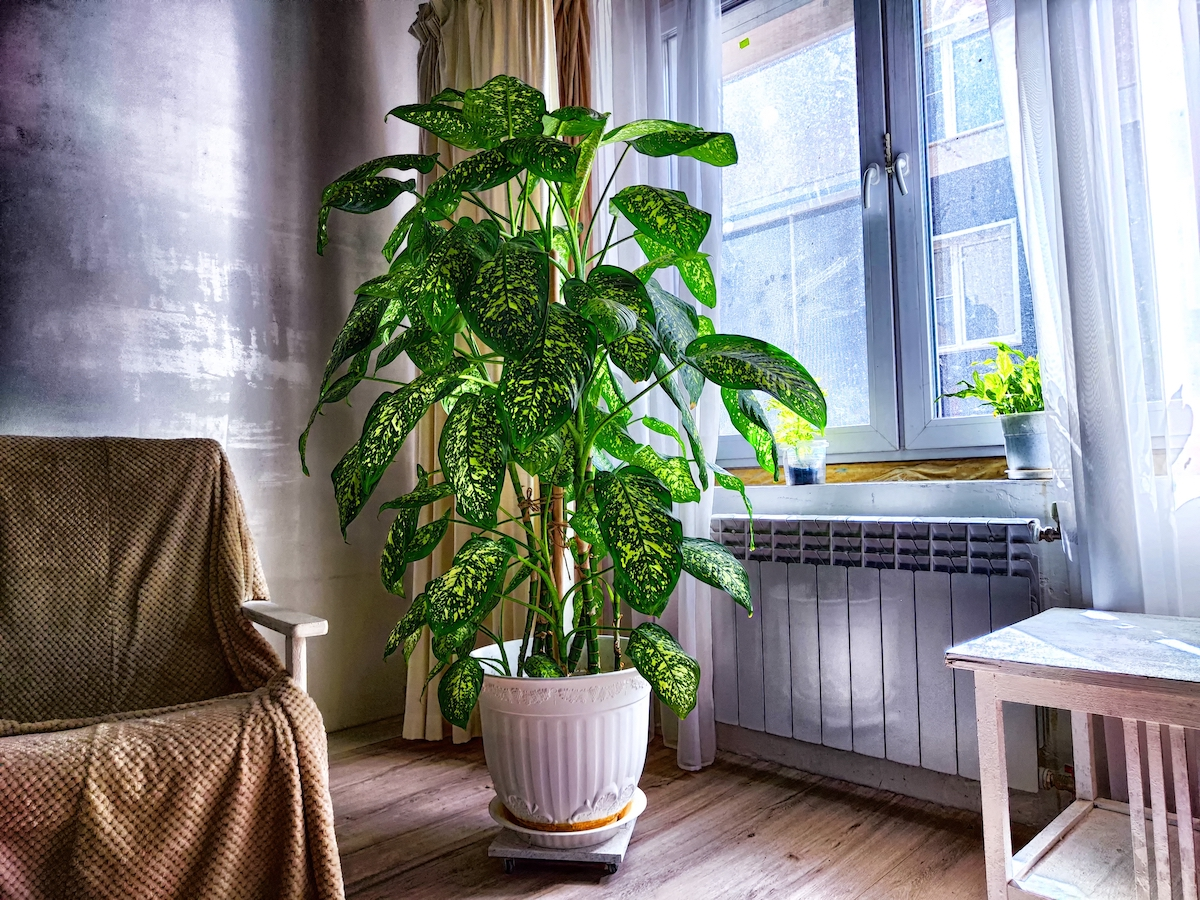
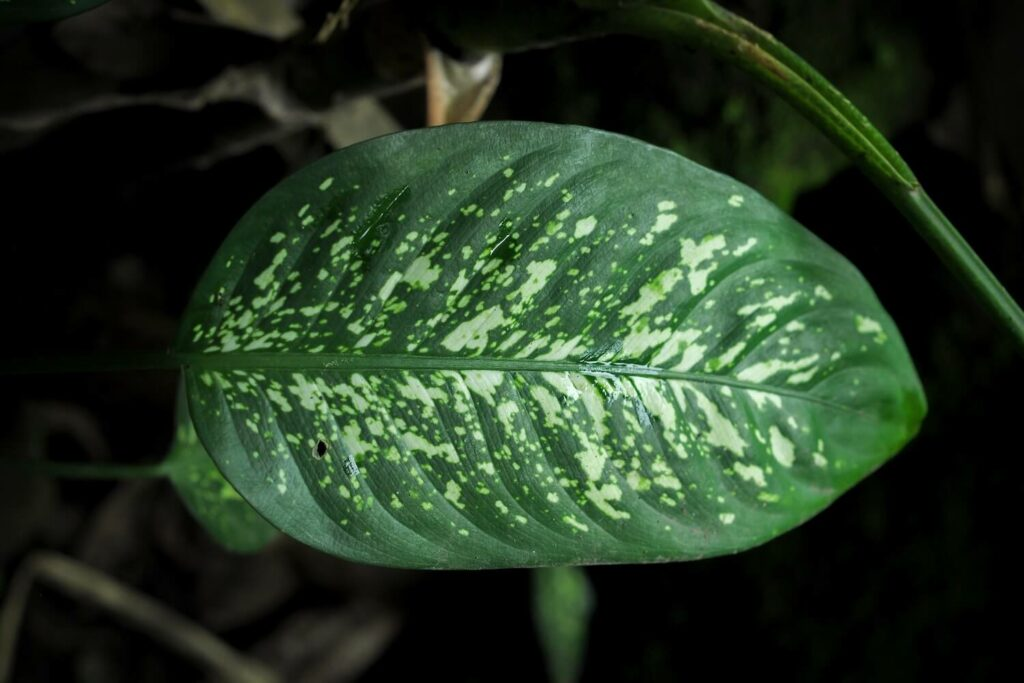
- Look: Big, glossy green leaves splashed with cream to pale yellow; upright, cane-like stems
- Size indoors: Commonly 3–5 ft; can reach 3–10 ft over time with great care
- Light: Bright, indirect is ideal; tolerates shade but avoid harsh direct sun
- Comfort zone: Warm, draft-free rooms (about 65–75°F / 18–24°C); enjoys moderate to higher humidity
- Great placement ideas: A bright living room, office, or entry, near an east/north window or set back from a sunny window with sheer curtains
Why this beauty can make you “dumb” for a while
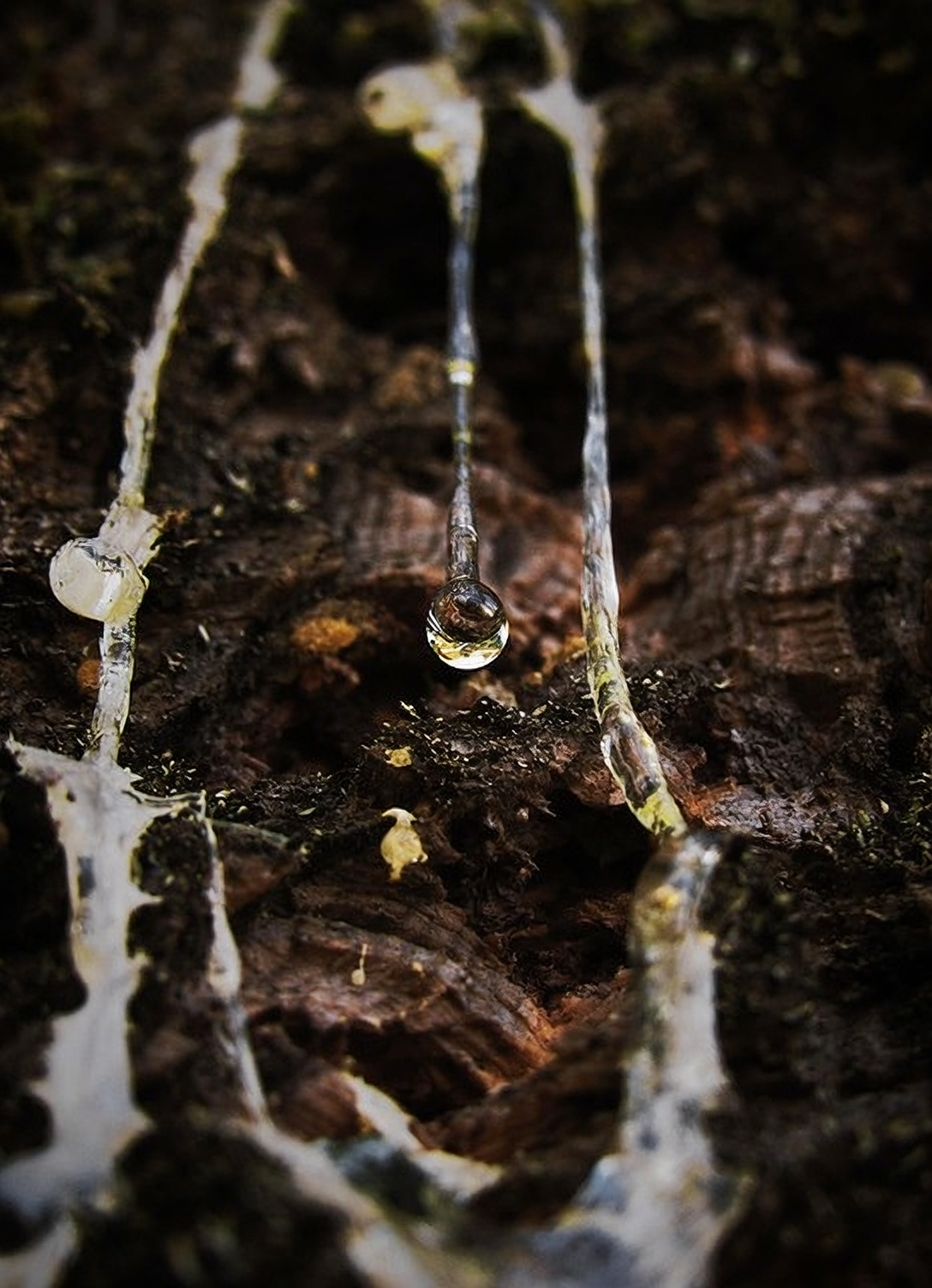
“Dumb Cane” isn’t an insult; it’s a cautionary nickname. All parts of Dieffenbachia contain tiny, needle‑like calcium oxalate crystals called raphides. When leaves or stems are chewed, these crystals can:
- Pierce the delicate lining of the mouth and throat (a mechanical “micro‑splinter” effect)
- Trigger sudden burning pain, drooling, and swelling of lips, tongue, and throat
- Make speaking and swallowing temporarily difficult (the origin of the name “Dumb Cane”)
The sap can also irritate skin and, especially, eyes. Most exposures are very painful but short‑lived with prompt first aid. Serious breathing problems are uncommon but require immediate medical help.
Smart, out‑of‑reach placement
Think of placement as your first line of prevention—easy, invisible, and effective.
- Elevate and separate:
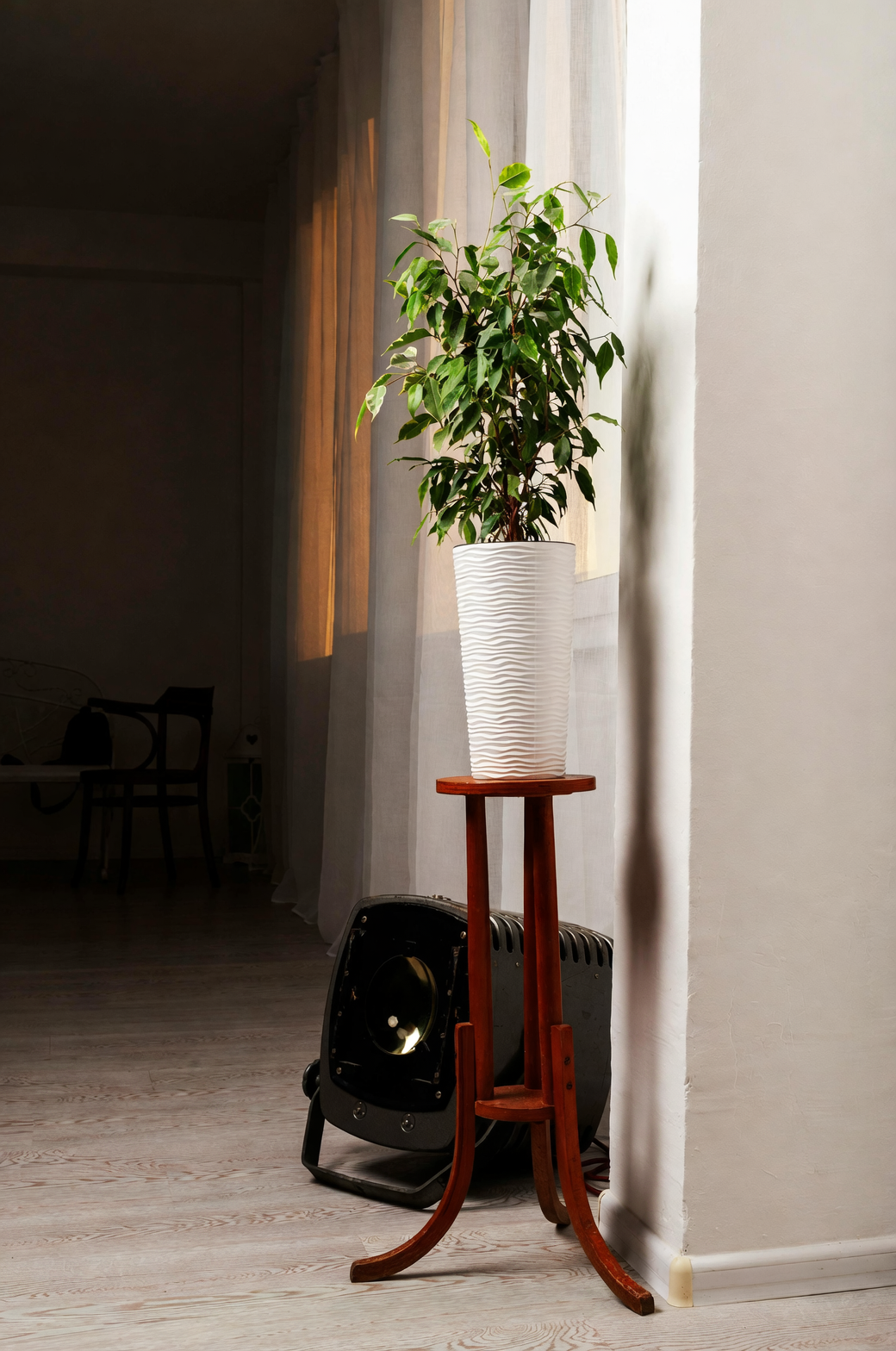
- Park the plant on a sturdy stand or shelf out of a child’s or pet’s reach.
- Avoid spots that pets use as springboards (window sills, stair rails, sofa backs).
- Choose a calm corner:
- Place where the plant won’t be bumped: not beside play zones, narrow halls, or busy entryways.
- Light the safe way:
- Near an east or north window, or behind sheers on a bright south/west exposure to avoid leaf scorch and keep variegation vivid.
- Consider a “plant room” or office:
- A door or baby gate is a simple safety upgrade if you have curious chewers.
Hands-on care, hands protected
Whenever you cut, stake, repot, or handle broken leaves and canes, use protection.
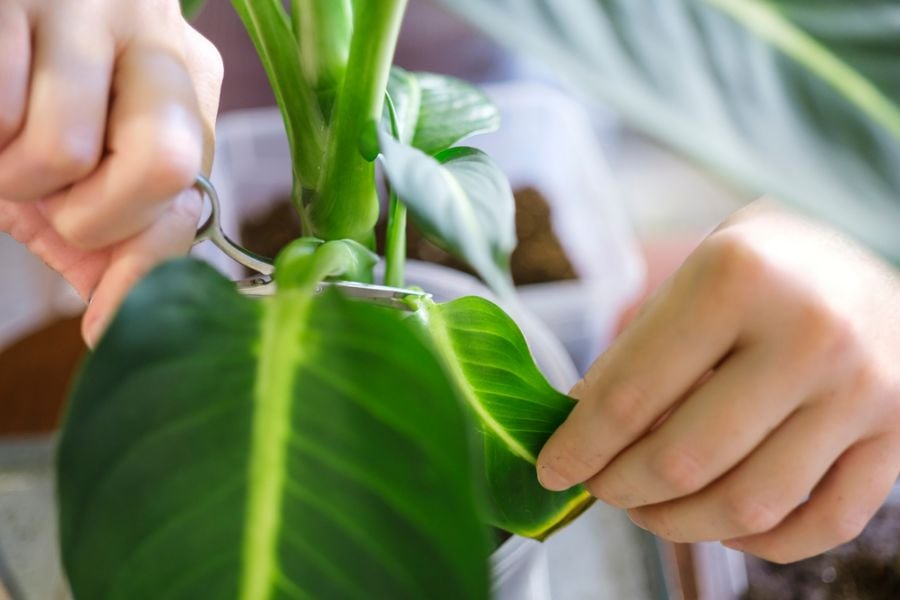
- Wear gloves (nitrile or latex) when pruning or taking cuttings; long sleeves help too.
- Use clean, sharp tools; wipe blades before and after with soapy water, then dry.
- Keep fingers away from your face; wash hands thoroughly after you finish.
- Dispose of trimmings in a sealed bag so pets can’t “investigate.”
Sap spills happen—here’s the calm cleanup
- On skin:
- Rinse with running water and mild soap for 15 minutes. Do not scrub hard.
- In eyes:
- Remove contact lenses and flush with clean, lukewarm water for 15 minutes, blinking often.
- On surfaces:
- Blot sap with paper towels, then wash with warm, soapy water. Rinse and dry.
- On clothing:
- Rinse the spot under cold water, then launder normally.
- Around kids/pets:
- Keep them away from the area until you’ve finished cleaning and the surface is dry.
First aid you can follow with confidence
If a person chews or ingests a piece
- Gently remove any plant material from the mouth.
- Rinse the mouth with cool water.
- Soothe with something cold and creamy (ice cream, yogurt) or ice chips to ease burning.
- Do not induce vomiting.
- Seek expert guidance:
- In the U.S., contact Poison Control at 1-800-222-1222 or via webchat for tailored advice.
- Elsewhere, call your local poison information center or healthcare provider.
If sap gets on skin
- Wash with soap and running water for 15 minutes. Most burning resolves quickly.
If sap gets in eyes
- Flush with clean water for 15 minutes and seek medical care—eye exposures deserve prompt attention.
If a pet chews the plant
- Remove plant bits from the mouth and offer fresh water.
- Expect drooling, pawing at the mouth, and possible mouth swelling.
- Contact your veterinarian or a pet poison helpline promptly for next steps. Avoid home remedies unless a professional advises them.
Red flags—seek urgent medical/vet care now if:
- Breathing becomes noisy, difficult, or there’s fast-spreading swelling of the tongue or throat
- Persistent, severe pain or drooling doesn’t settle after initial care
- Any eye exposure causes ongoing pain or vision changes
- Very young children, older adults, or pets show escalating symptoms
Everyday care that also reduces risk
- Keep it sturdy: A well-rooted plant in a stable, heavy pot is less likely to tip and snap canes.
- Prune proactively: Remove yellowing leaves before they tear and drip sap unexpectedly.
- Water wisely: Keep the mix evenly moist but never soggy; let the top 1–2 inches dry between waterings. Healthy foliage is less likely to break.
- Mind the microclimate: Warmth and gentle humidity (50%+) make for resilient, crisp leaves that you’re less likely to handle roughly.
Myth‑busters, names, and a note on symbolism
- Not that “mother‑in‑law’s tongue”: That common name belongs to Sansevieria/Dracaena trifasciata, a different plant. Dieffenbachia’s well‑established common name is “Dumb Cane.”
- Why the nickname stuck: The temporary speech difficulty after chewing is memorable—and cautionary.
- Symbolism: Indoors, Dieffenbachia is often a simple emblem of lush, tropical abundance. In some Brazilian folk traditions, it’s said to help ward off negative energy—more cultural color than botanic science, but a reminder of why dramatic foliage captures the imagination.
Quick safety checklist
- Bright, indirect light; keep warm and away from drafts
- Place out of reach of children and pets
- Wear gloves for pruning/propagating; wash hands and tools after
- Clean sap from skin/eyes/surfaces promptly
- Know first aid and when to call a medical professional or veterinarian
With a thoughtful placement plan and glove-on care moments, you can let Dumb Cane do what it does best: stand tall, look spectacular, and bring the room to life—safely.