

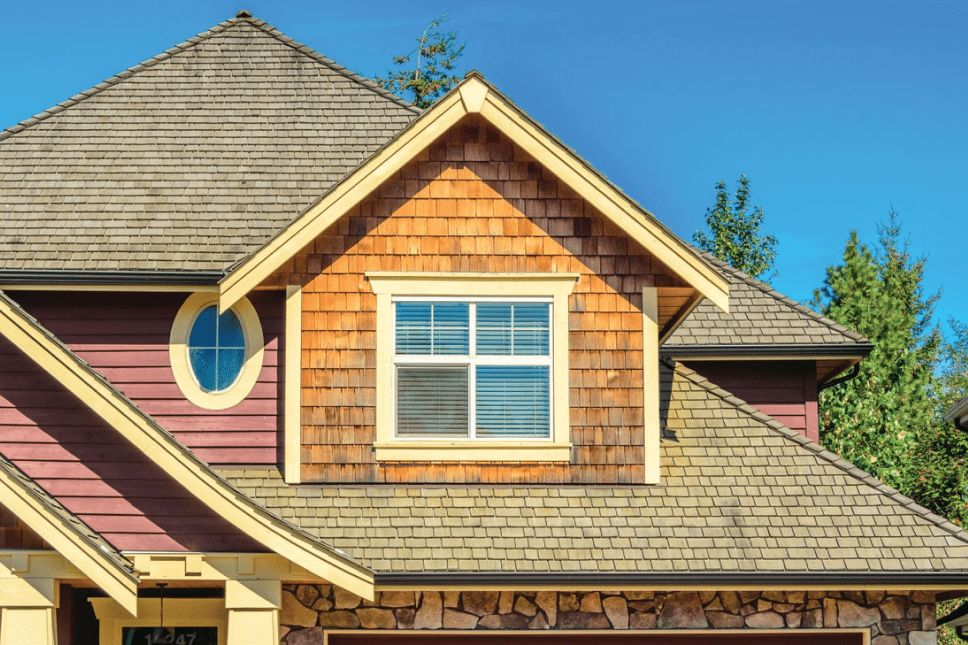
When it comes to home design, the orientation of your windows isn’t just a detail—it’s a game-changer. Whether you’re a homeowner planning a remodel or a plant lover seeking the perfect spot for your greenery, understanding how sunlight interacts with your windows can transform your living space. Let’s dive into how each window direction—north, south, east, and west—affects the light and warmth in your home.
North-Facing Windows: A Cool and Consistent Companion
North-facing windows are like the steady friend who’s always there for you. They don’t get direct sunlight, which means they offer a soft, consistent light throughout the day. This can be great for rooms where even lighting is key, such as art studios or home offices. Your space will feel cooler, which is a blessing in summer, but it might mean higher heating bills in winter. To keep the warmth in, consider using insulated curtains or energy-efficient window treatments.
Quick Tips:
- Best for: Home offices, studios, and rooms with sensitive artwork.
- Watch out for: Cold drafts in winter—insulation is your friend.
South-Facing Windows: Sun Lovers Rejoice
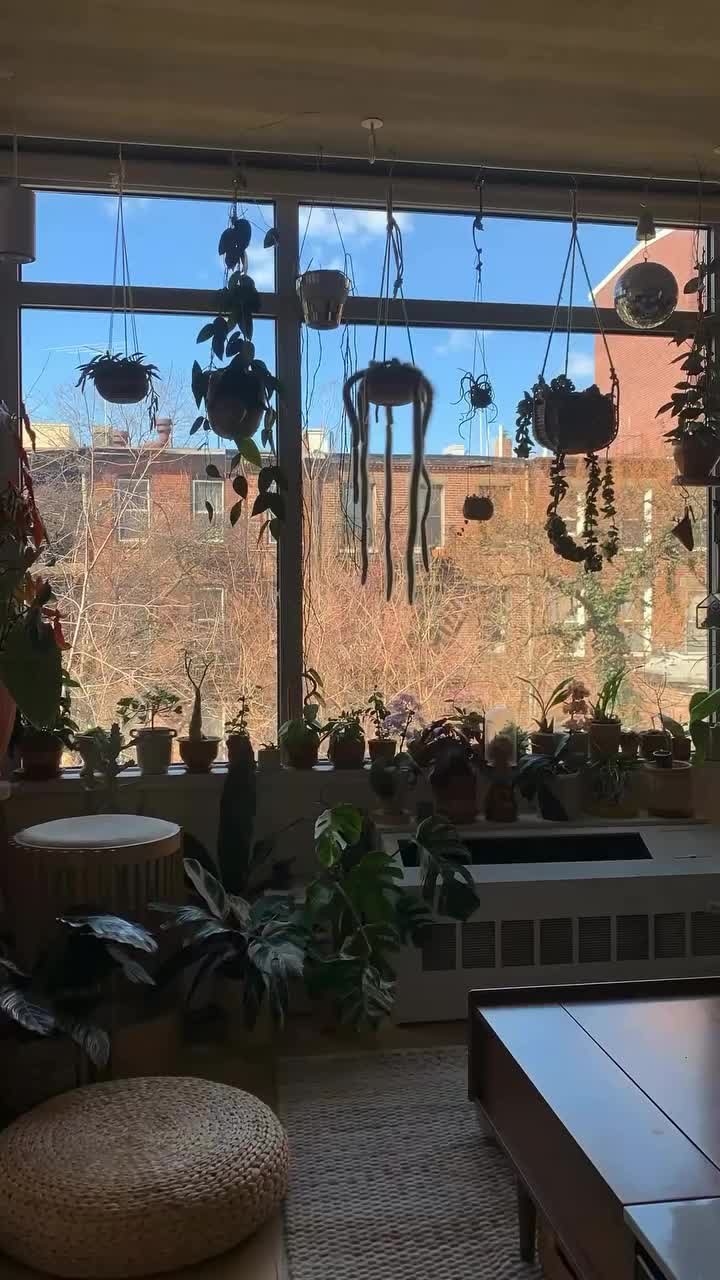
South-facing windows are the sun worshippers’ delight. They bask in sunlight all day, making them perfect for living rooms, kitchens, and any space where you want to harness natural heat. This is ideal during chilly winters when you want to reduce heating costs. However, in summer, these windows can turn your home into a sauna. To mitigate this, use shades or blinds and consider installing energy-efficient glass.
Quick Tips:
- Best for: Living spaces, kitchens, and sun-loving plants.
- Watch out for: Overheating in summer—shading solutions can help.
East-Facing Windows: Morning Glory
Think of east-facing windows as your personal morning coffee, brightening up your day as the sun rises. They flood your home with gentle, invigorating light, making them ideal for breakfast nooks or bedrooms. By afternoon, they cool off, which can help keep rooms comfortable without extra cooling costs.

Quick Tips:
- Best for: Breakfast areas and bedrooms for a bright start.
- Watch out for: Limited light in the afternoon—plan activities accordingly.
West-Facing Windows: Evening Warmth
If evening relaxation is your thing, west-facing windows offer an inviting glow as the sun sets. They’re perfect for living rooms and entertainment spaces where you can enjoy those warm, golden hours. However, be prepared for potential overheating and glare during summer afternoons.

Quick Tips:
- Best for: Living rooms and spaces for evening gatherings.
- Watch out for: Afternoon heat and glare—consider light-filtering blinds.
Tailoring Your Space
Understanding window orientation can help you make thoughtful decisions about room function and comfort. Whether you’re optimizing for natural light, energy efficiency, or plant care, knowing how the sun interacts with your windows is key. By strategically using shades, blinds, and window treatments, you can enhance the ambiance and efficiency of your home.
Remember, the sun rises in the east and sets in the west, so plan your spaces to make the most of this natural cycle. Happy decorating!