
What do a leaf used as a strategic cover-up, a fruit packed with hidden flowers, and a handful of ancient scriptures have in common? The common fig, Ficus carica, has threaded modesty, knowledge, fertility, and prosperity through Mediterranean religion and literature for millennia—and those meanings now flavor modern East‑Asian flower language and even feng shui. Here’s how those symbols grew, ripened, and keep traveling.
The plant behind the legend: Ficus carica in brief
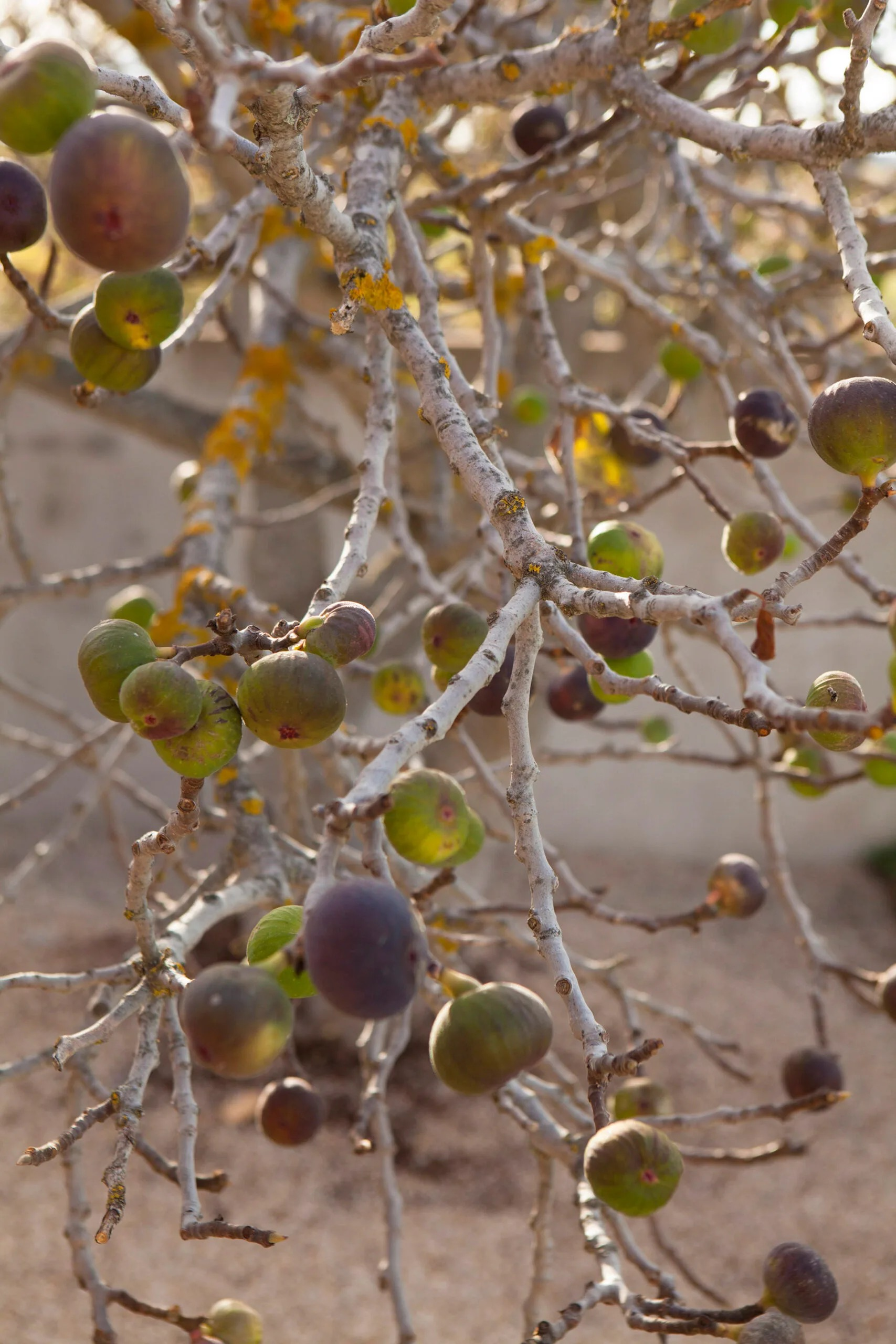
Native to the Mediterranean and parts of Western and Southern Asia, the common fig is a deciduous, fruiting fig—more orchard than houseplant—built for sun and heat. Unlike its tropical Ficus cousins, it drops its leaves in winter and surges back in spring. Its most famous trick? What we call the “fig” is a syconium—an inside-out flower chamber where tiny blooms are hidden from view and later ripen into the sweet fruit. No wonder poets and priests saw mysteries in it.
- Habit: A robust, branching tree or large shrub about 3–9 m tall.
- Light and climate: Loves full sun and long, warm summers; typically hardy in USDA Zones 7–10.
- Cultivation: Easy, drought-tolerant once established, container-friendly, and often self-fertile; many varieties can even produce two crops (an early breba and a later main crop)—a natural emblem of abundance.
That quiet botanical magic is the perfect preface to the fig’s symbolic life.
How the fig’s symbolism took root in the ancient Mediterranean
Modesty: the fig leaf as a cultural fig leaf
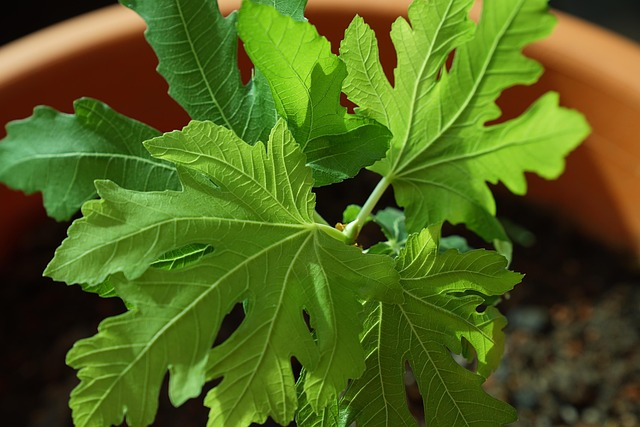
The world’s most famous cover-up belongs to a fig. In the Genesis story, Adam and Eve sew fig leaves to clothe themselves after gaining moral awareness. From biblical text to Renaissance sculpture, the fig leaf became shorthand for modesty—and even for the uneasy dance between innocence and self-consciousness. The leaf’s bold, hand-shaped lobes made it the artist’s go-to censor bar; literature followed.
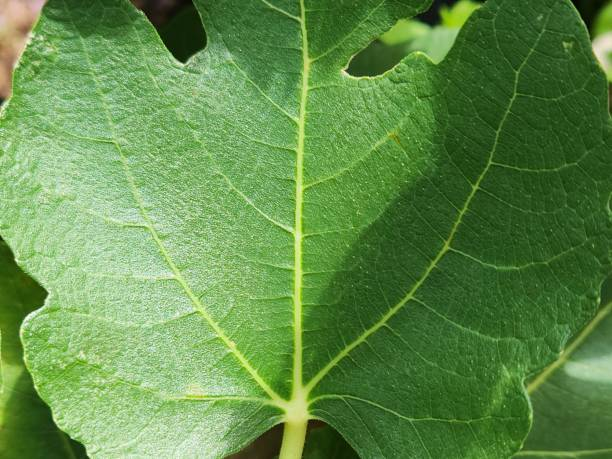
Beneath that visual gag runs a serious theme: modesty as a social virtue and a reminder that knowledge carries responsibility. In other words, the leaf conceals—but it also confesses.
Knowledge and moral awareness: a tree in sacred texts
Figs and fig trees turn up across the sacred literature of the Mediterranean and Western Asia, almost always yoked to moral insight and providence.
- Hebrew Bible: Fig trees stand for a well-ordered life and divine provision—“each under his vine and fig tree” evokes peace, security, and the good land’s bounty. In Deuteronomy, figs number among the seven sacred species that signal the Promised Land’s richness.
- New Testament: Jesus’ references to budding or barren fig trees read like living parables about discernment, timing, and accountability—a horticultural mirror for ethical knowledge.
- Later Near Eastern texts: The pairing of “fig and olive” as emblems of sustenance and spiritual favor echoes across the region, reinforcing the fig as a sign of provision and wisdom.
When a culture needs a compact image for “right living guided by understanding,” the fig tree—productive, generous, and seasonally instructive—fits perfectly.
Fertility, prosperity, and the orchard of plenty
Few fruits telegraph abundance like a fig. A single syconium is packed with hundreds of tiny seeds; an established tree can shower a household with two generous harvests per year. Ancient Greeks and Romans celebrated figs as everyday luxuries and staples—feasts, offerings, and agriculture all braided together. In Mediterranean imaginations:
- Fertility: The fig’s seed-studded flesh and womb-like interior (those hidden flowers!) made it a natural emblem of fecundity.
- Wealth and well-being: A fruiting fig by your home signaled land security, sufficiency, and the peaceful conditions necessary for prosperity.
- Continuity: Year after year, figs return on old wood and new growth—an easy metaphor for family lines, tradition, and steady increase.
Together, modesty (leaf), knowledge (text), fertility and prosperity (fruit) formed a complete symbolic set: a life ordered by wisdom that bears real, material goodness.
East‑Asian “hua yu” for figs: a borrowed bouquet with local flair
In modern Chinese and broader East‑Asian contexts, flower-language (花语, hua yu) lists often assign Ficus carica meanings such as abundance, harvest, peace, and prosperity. These resonate beautifully with the fig’s Mediterranean scriptural and literary heritage—and that’s no accident.
- A late arrival, early meanings: The common fig spread east via trade routes, and its symbolism piggybacked on the stories that traveled with it—especially the Biblical and Mediterranean associations of bounty and peace.
- The name tells a tale: In Chinese, the fig is called 无花果—“fruit without flowers.” It’s a delightful misdirection; in botany, the fig’s flowers are simply hidden inside the syconium. That botanical oddity dovetails with the global theme of knowledge concealed within.
- Modern compilations: Contemporary hua yu guides and gift lists often synthesize global traditions. For figs, their East‑Asian attributions of abundance/harvest/peace largely echo older Mediterranean ideals—localized but clearly inherited.

What does that mean in practice? When you give someone figs in East‑Asia today, you are, in effect, handing them a Mediterranean blessing translated for a modern audience: may wisdom guide you; may your home be peaceful; may your tables be full.
Feng shui with a sun-lover: practical and symbolic tips
One common mix-up: people often confuse the common fig (Ficus carica) with the fashionable indoor fiddle-leaf fig (Ficus lyrata). They behave very differently. Ficus carica is deciduous, loves intense sun, and fruits best outdoors.
- Best placements
- Outdoors: South-facing balconies, patios, or sunny courtyards are ideal. In feng shui terms, placing a thriving, fruiting fig where light and warmth gather supports themes of prosperity and life-force.
- Indoors (with caution): If you must bring a potted fig inside, choose a bright, south-facing window and accept leaf drop in winter. Think of it symbolically as release and renewal—what falls away now returns in season.
- Symbolic accents for low-light homes
- Use fig motifs (framed leaves, ceramics, textiles) or a bowl of fresh/dried figs in dining areas to signal hospitality and abundance without fighting plant biology.
- A small container fig near the threshold between indoors and a sunny balcony can “bridge” spaces—good chi, good light.
Horticultural reality strengthens the symbolism: a well-sited fig that reliably fruits is living proof of provision and good stewardship. Poor light yields a struggling plant—and mixed messages.
Gifting figs: what you’re really saying
The fig’s message can be tailored beautifully to the occasion.
- Fresh or dried figs
- Meaning: Abundance, sweet rewards, and the peace of a well-provisioned home.
- Pair with: Tea or cheese for a hospitable flourish; a note wishing 丰收 (bountiful harvest) and 平安 (peace).
- Fig jam or preserves
- Meaning: Prosperity saved wisely—sweetness that lasts through lean seasons.
- A potted fig tree (for balconies, patios, gardens)
- Meaning: Long-term prosperity, knowledge in practice (caring, pruning, timing), and family continuity.
- Add a simple care card: full sun (6–8 hours), regular water while establishing, good drainage, and gloves when pruning (the milky sap can irritate skin). Keep pets away from leaves and unripe fruit.
- Artful fig-leaf motifs
- Meaning: Modesty with wit; a nod to the ancient stories that balance wisdom with humility.
If the recipient lacks sun or lives in a cold climate, opt for edible gifts or art rather than a live plant—symbolism should be supportive, not burdensome.
A short, sweet botanical interlude: the “inside‑out flower” as a metaphor
The fig makes a philosopher out of anyone who slices one open. Those tiny, hidden flowers maturing in a protected chamber recast the fruit as a classroom on wisdom:
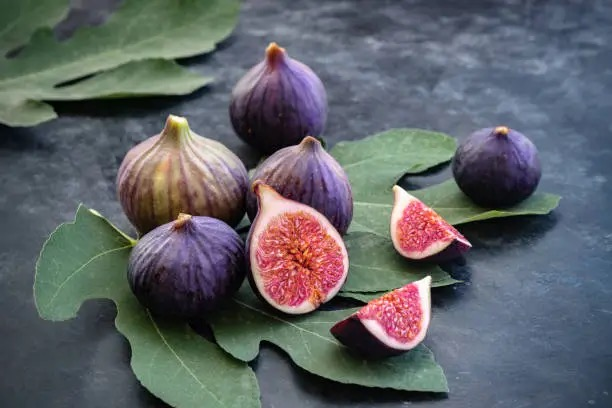
- Modesty: What’s essential is not always on display—just as the fig leaf conceals, the fig fruit reveals only when you’re ready to look within.
- Knowledge: Understanding can be hidden in plain sight, ripening out of view until the right season.
- Fertility and prosperity: When the time is right, a fig offers multitudes—seed after seed of future harvests, twice in a good year.
In other words, Ficus carica doesn’t just symbolize a good life; it demonstrates one—rooted, seasonal, generous.
Quick cues for gardeners who like their symbols alive
If the cultural story has whetted your appetite for fruit you can pick:
- Sun and heat: Aim for 6–8 hours of direct sun. A south-facing wall adds helpful warmth.
- Containers welcome: Choose a large pot with sharp drainage; repot or root-prune as needed.
- Watering wisdom: Keep moisture consistent during fruit swell; never let roots sit soggy.
- Pruning and sap: Prune in late winter; the milky latex can irritate skin—gloves on.
- Varieties to love: ‘Brown Turkey’ (adaptable), ‘Celeste’ (reliable), ‘Chicago Hardy’ (cold-tolerant), ‘Black Mission’ (rich flavor), ‘Kadota’ (great for preserves).
Let the tree teach: patience in spring, generosity in summer, gratitude in fall, rest in winter.
The enduring message of the fig
Across centuries, the common fig has carried a coherent bundle of meanings: modesty that tempers pride, knowledge that guides action, and fertility that blossoms into prosperity and peace. East‑Asian hua yu has adopted and refreshed these themes, turning a Mediterranean inheritance into a cross‑cultural blessing. Place a fig tree where light gathers, share figs at the table, or tuck a fig leaf into your art—and you join a long tradition that understands this humble fruit as a living parable of a life well lived.