

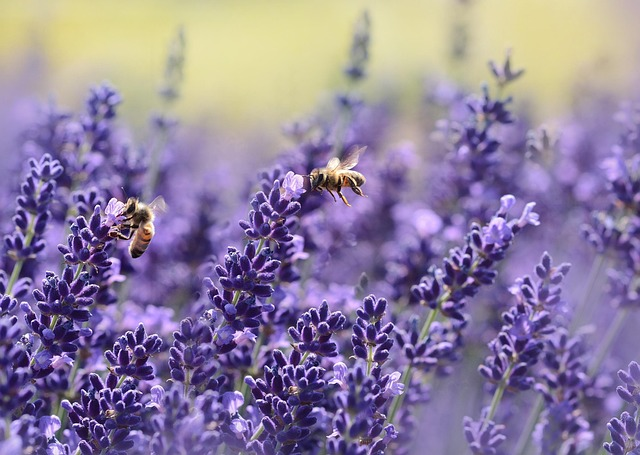
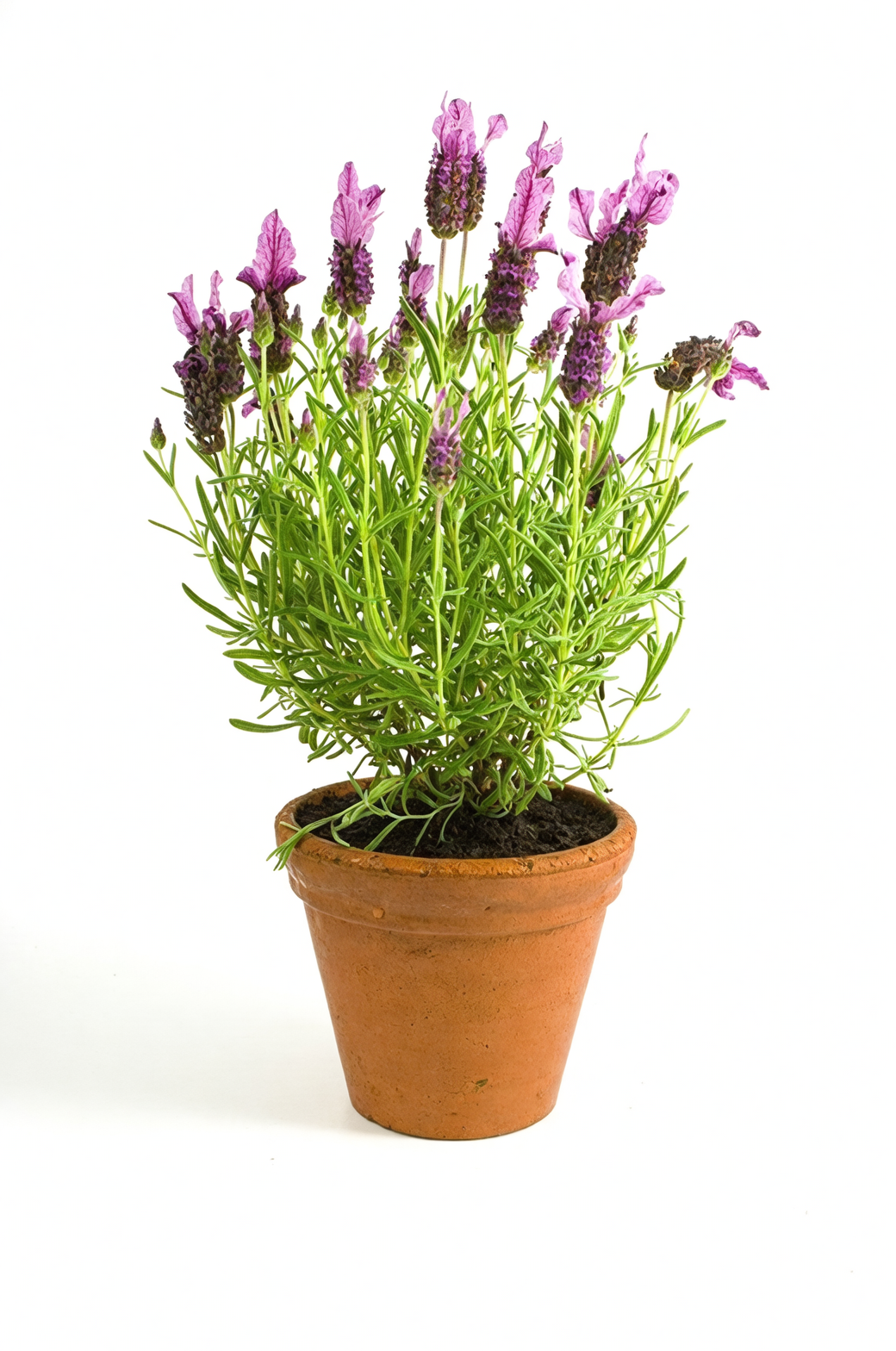
Perched on the sun-drenched slopes of the Mediterranean, Lavandula angustifolia, known to many as English Lavender, waves its purple spikes in the breeze, releasing a cloud of calming, aromatic bliss. This hardy, drought-tolerant plant, with its silvery foliage and fragrant flowers, is a gardener’s delight—bringing both beauty and utility to any garden space. But, like even the most stoic of plants, lavender is not entirely invincible. It faces its fair share of pests and diseases. Fear not, for with a little know-how and vigilance, your lavender can thrive, filling your garden with its signature scent and charm.
Common Pests and How to Deal with Them
Despite its reputation for being a tough customer, lavender can occasionally draw in unwanted guests. These pests seldom spell disaster for a healthy plant, but they do require some attention.
Spittle Bugs
Have you ever noticed frothy white blobs on your lavender? These are the handiwork of spittle bugs, also known as frog hoppers. While these critters might make your lavender look like it’s had a run-in with a cappuccino machine, they are more of a cosmetic nuisance than a serious threat. To evict these squatters, a strong jet of water from your garden hose can do wonders, washing away both the bugs and their unsightly spittle.
Whiteflies
These tiny, powdery pests are like the paparazzi of the insect world—small, persistent, and often found lurking on the undersides of leaves. Whiteflies feed on plant sap, leading to reduced vigor and yellowed foliage. In severe cases, their sticky honeydew can encourage sooty mold. Combatting whiteflies can be tricky, as they are resistant to many insecticides. Introducing natural predators, like the Delphastus pusillus beetle, can help control their numbers naturally and effectively.
Aphids
Aphids are the tiny green or black sap-suckers that gardeners everywhere love to hate. While they might cluster around new growth and flower spikes, a simple spray of insecticidal soap or a blast of water can often keep them in check. Encouraging beneficial insects like ladybugs can also help maintain balance.
Diseases to Watch Out For
Lavender is generally robust, but poor conditions can lead to diseases that require intervention to prevent extensive damage.
Root Rot
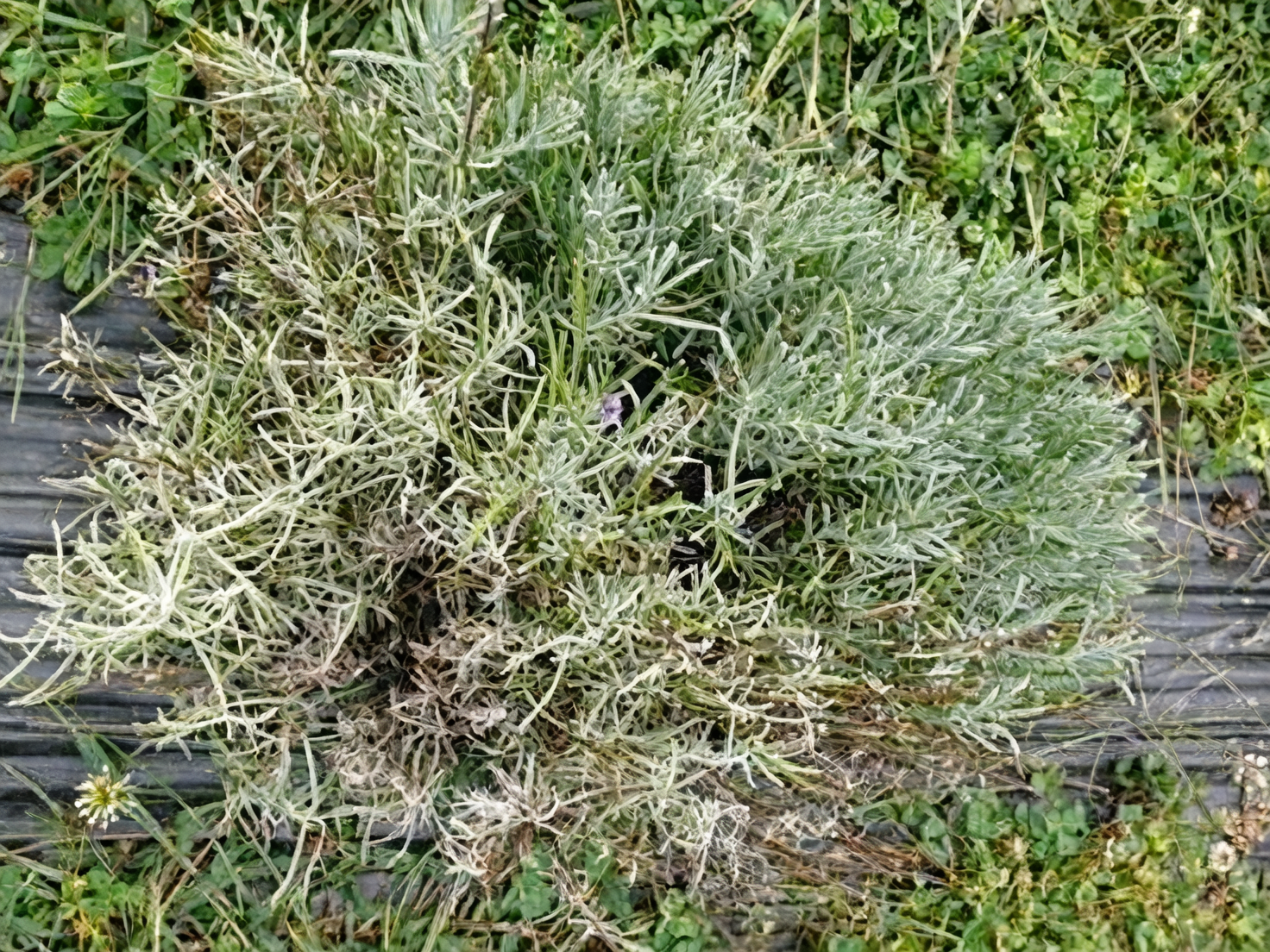
Root rot is a silent killer, often striking when lavender is grown in poorly draining soil or overwatered conditions. This disease can cause the roots to decay, leading to a wilting plant that’s beyond saving. To prevent root rot, ensure your lavender is planted in fast-draining soil and avoid waterlogged conditions. If you suspect root rot, it’s best to remove the affected plant to prevent the disease from spreading.
Alfalfa Mosaic Virus (AMV)
This sneaky virus causes bright yellow patches on the leaves and can twist young shoots. It’s primarily spread by aphids but can also hitch a ride on pruning tools. Unfortunately, once a plant is infected, the best course of action is removal to prevent further spread. Maintaining good garden hygiene and controlling aphid populations are key preventative measures.
Keeping Your Lavender Happy and Healthy
Sun, Soil, and Space
Lavender thrives in full sun with at least six to eight hours of sunlight daily. It prefers loose, sandy, or gritty soil with excellent drainage. Remember, lavender doesn’t like wet feet! Additionally, giving your plants plenty of space ensures good air circulation, reducing the likelihood of fungal issues.
Pruning and Maintenance
Regular pruning helps maintain lavender’s shape and encourages new growth. After flowering, deadhead spent blooms and lightly trim the plant. Avoid cutting into old, woody stems, as they may not resprout well. In colder regions, leave a bit more growth going into winter for added protection.
Smart Watering
Lavender is drought-tolerant once established, so let the soil dry out between waterings. In containers, ensure good drainage to prevent root rot and yellowing leaves.
By keeping these tips in mind, you can ensure that your lavender remains a resilient and fragrant cornerstone of your garden. With the right care, Lavandula angustifolia will continue to enchant and soothe, offering its timeless beauty and aroma to all who wander by.