Lantana camara: Not Just a Pretty Face in Your Garden
—
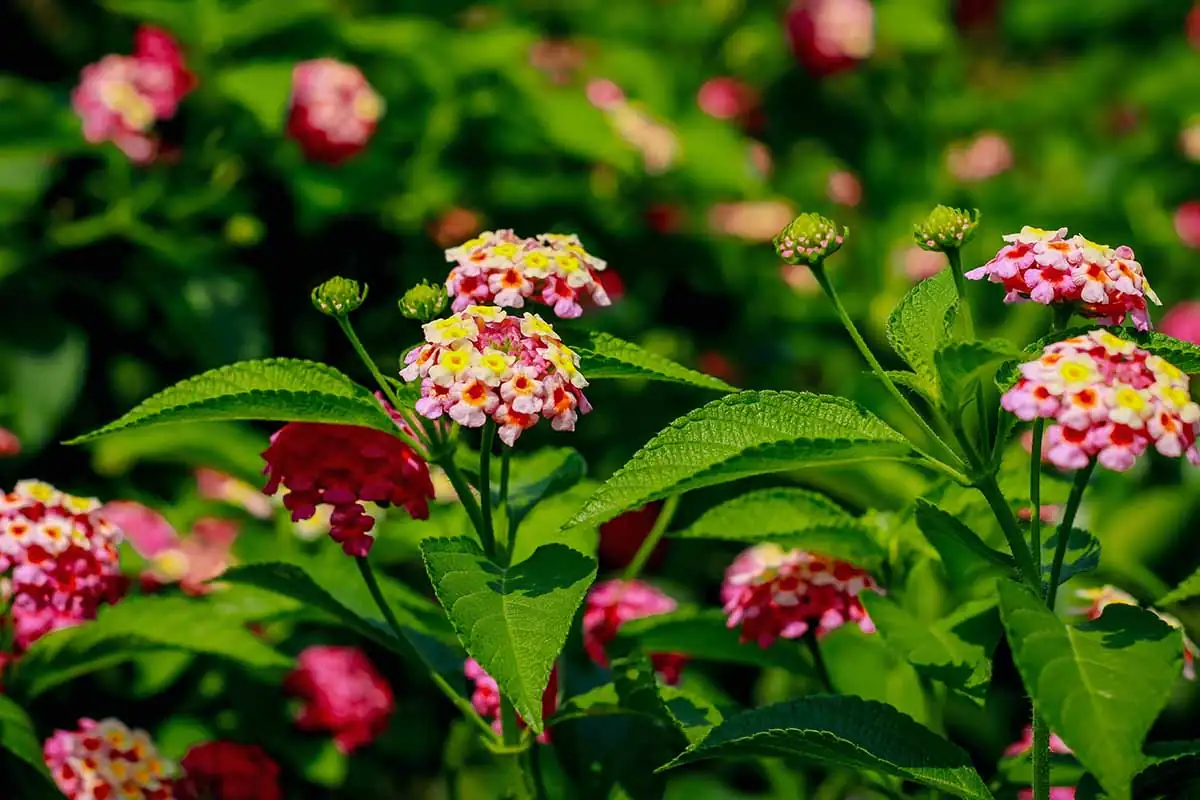
When you think of garden showstoppers, Lantana camara, known affectionately as the “Spanish Flag” or “Wild Sage,” might come to mind. Renowned for its vibrant, color-changing blooms and the delightful flutter of butterflies it attracts, lantana is a garden favorite. But beyond its dazzling appearance, this plant is a true garden warrior, offering benefits that extend beyond mere aesthetics. Let’s delve into how this colorful shrub can become your garden’s unsung hero in erosion control and companion planting.
Lantana’s Erosion Control Superpowers
Imagine your garden as a dynamic landscape painting, with every plant playing a role to enhance its beauty and health. On a slope or in an area prone to erosion, lantana can be the brushstroke that holds everything together. Its robust root system is like nature’s glue, preventing soil from washing away during heavy rains. Picture it as a team of tiny anchors, each root working tirelessly to keep your garden in place.

Lantana’s ability to thrive in poor, sandy, or rocky soils makes it particularly suited for challenging landscapes. Plant it on slopes or erosion-prone spots, and watch as it forms a dense, spreading mat that not only holds the soil but also decorates it with a riot of color. This resilience is why lantana often symbolizes adaptability and resilience in the language of flowers.
The Perfect Companion Plant
Every garden is a community, a carefully curated neighborhood where each plant has a role. Lantana plays the role of the friendly neighbor, welcoming pollinators like butterflies and hummingbirds with open arms—or in this case, open blooms. Its ability to attract these beneficial visitors makes it a fantastic companion for fruiting plants and vegetables, boosting pollination and, ultimately, your garden’s productivity.
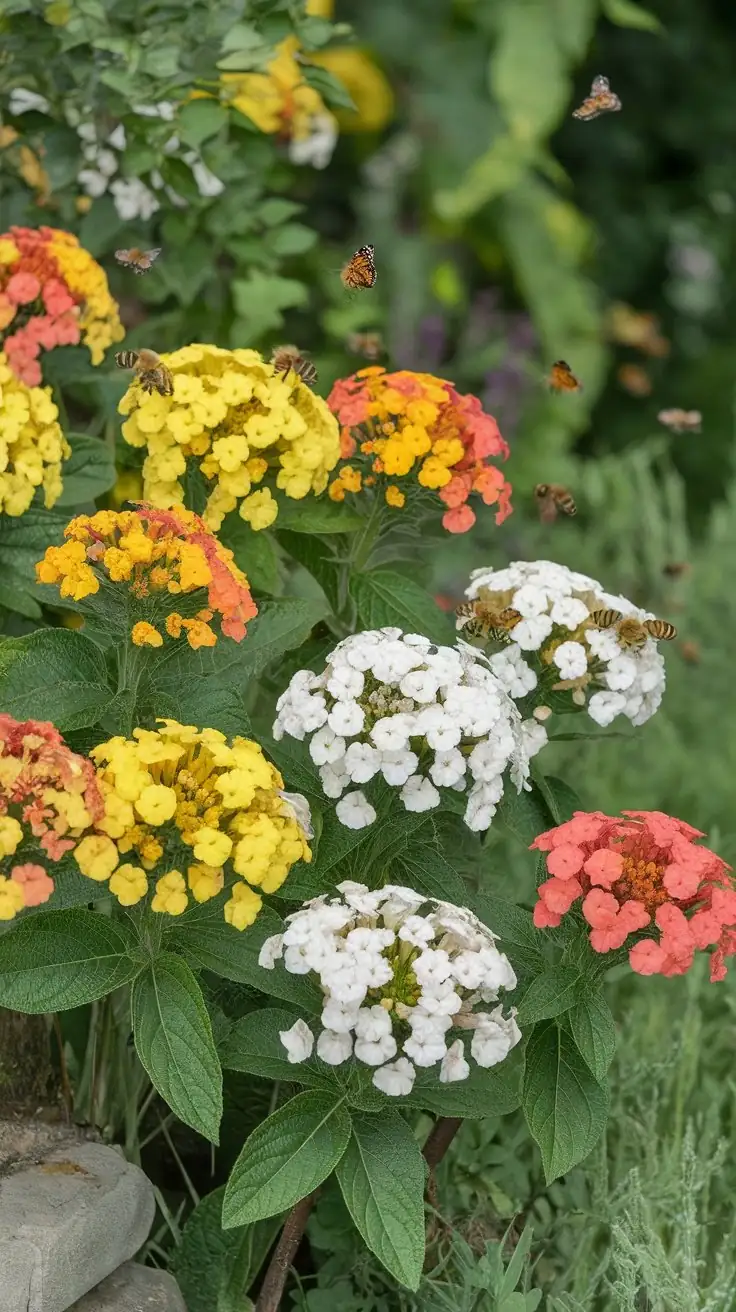
Moreover, lantana’s aromatic foliage can act as a natural deterrent to some pests, offering a protective barrier to more vulnerable plants. Its scent might not win the affection of every gardener—it’s somewhat pungent—but it can persuade deer and rabbits to find their meals elsewhere. In this way, lantana can act as the watchdog of your garden, standing guard over your precious blooms and crops.
Growing Lantana: Tips for Success
Sunlight and Soil: For lantana to perform its magic, position it in full sun where it can bask in at least 6–8 hours of direct light daily. It’s not a fussy eater, thriving in well-draining soil, whether it’s sandy, rocky, or moderately fertile. Its tolerance for poor soil conditions makes it a versatile choice for many garden settings.
Watering and Care: While lantana is drought-resistant, it appreciates a deep drink of about 2.5 cm (1 in) of water per week. Allow the soil to dry out between waterings to prevent root rot, especially in containers. Think of it like giving lantana a hearty brunch rather than constant snacks—keep it satisfied but not soggy.
Fertilization and Pruning: Lantana is a light feeder. Too much fertilizer can result in an overgrowth of foliage at the expense of flowers. A balanced, modest feeding in spring is often sufficient. Prune in early spring to encourage bushiness and a cascade of blooms; a light summer trim keeps it tidy and productive.
A Word of Caution
As enchanting as lantana is, it comes with a cautionary tale. This plant is toxic to pets and livestock if ingested, particularly the unripe berries, so it’s wise to plant it where curious noses and mouths can’t reach. In some regions, its invasive nature has earned it a reputation as a noxious weed, so always check local guidelines before planting.
Conclusion
In the ever-evolving canvas of your garden, Lantana camara is more than just a splash of color. It’s a steadfast ally in erosion control, a promoter of biodiversity, and a protective companion to its fellow plants. By understanding and harnessing its strengths, you can transform your garden into a thriving ecosystem where beauty and functionality coexist. So the next time you admire those vibrant lantana blooms, remember: they’re not just a pretty face, but the backbone of a healthy, resilient garden.