
If you grow Syngonium podophyllum for those creamy splashes and minty marbling, light is the lever that keeps the show going. Variegated Arrowhead Vines are generous plants—but they’re honest, too. Give them truly bright, indirect light and they’ll reward you with crisp contrast. Let them languish in dim corners and they’ll quietly abandon their white. Park them in harsh sun and they’ll bleach. Here’s your practical playbook to nail the sweet spot.
Light is everything for variegation
- The white parts of variegated leaves have little to no chlorophyll, so the plant needs more overall light to stay vigorous.
- Bright, indirect light is ideal; partial shade is tolerated but can reduce variegation.
- Avoid harsh direct sun, which can scorch and “bleach” leaves—especially the white areas.
Where to put your plant: window-by-window
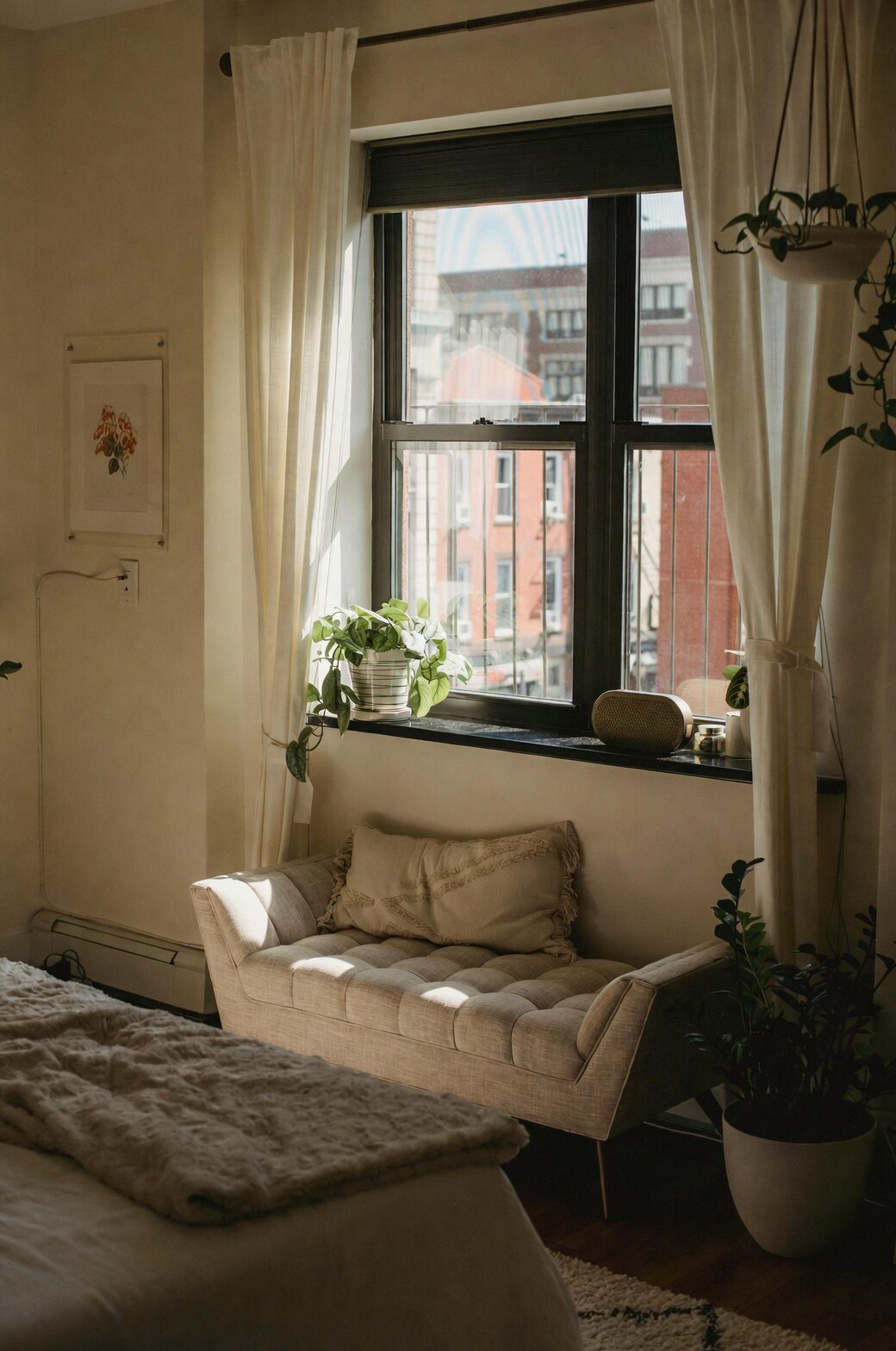
East and north windows: the easy winners
- East windows: Gentle morning sun plus bright, indirect light for the rest of the day. This is prime lighting for variegated forms.
- Placement: 0–60 cm (0–2 ft) from the glass is usually perfect. If the morning sun is intense in summer, add a sheer curtain.
- North windows: Soft, consistent brightness without blazing rays.
- Placement: 0–30 cm (0–1 ft) from the glass. If the room is deep or shaded outdoors, scoot it right onto the sill.
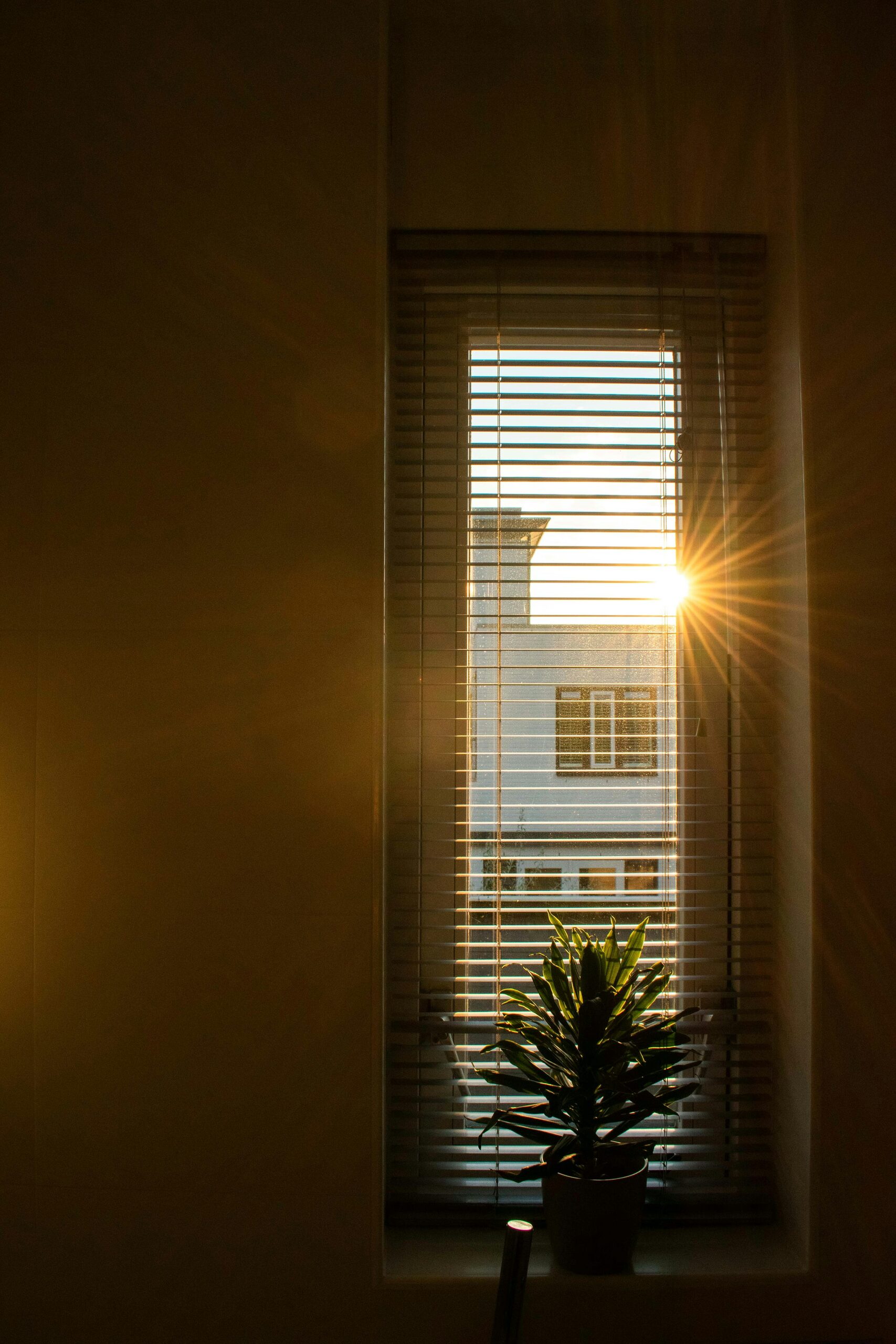
South and west windows: use a filter and some space
- West windows bring hot afternoon sun; south windows deliver long, intense exposure. Both can crisp variegated leaves without filtering.
- Use sheer curtains (or frosted film) to diffuse. You’re aiming for bright, indirect—not sunbathing.
- Behind a sheer: 30–90 cm (1–3 ft) from the window.
- Without a sheer: set back 0.9–1.8 m (3–6 ft) so the plant sees sky-brightness but not the direct beam.
- Watch summer afternoons closely; you may need a second layer of sheer or an extra step back in heat waves.
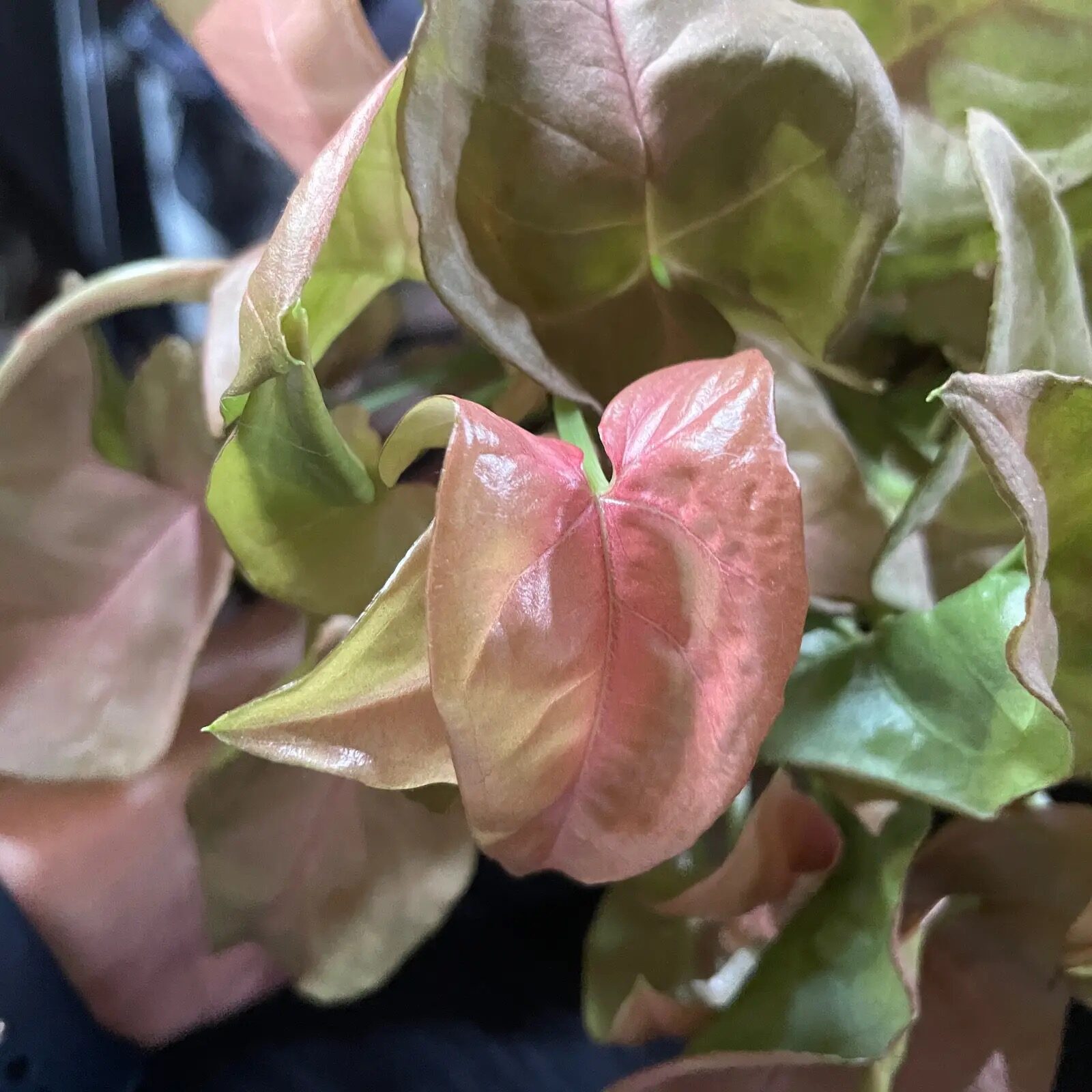
No great windows? Fake the sun gracefully
- A small LED grow light can deliver “forest-canopy bright” without glare.
- Aim for roughly 10,000–20,000 lux on the leaves (about 100–200 µmol/m²/s PPFD) for 10–12 hours daily.
- Keep the fixture 25–45 cm (10–18 in) above the canopy and raise it as the plant grows to avoid hotspots.
Distance rules you can trust
- East window: 0–60 cm (0–2 ft); allow only gentle morning rays, filtered if strong.
- North window: 0–30 cm (0–1 ft); move even closer in winter.
- South/west with a sheer: 30–90 cm (1–3 ft).
- South/west without a sheer: 0.9–1.8 m (3–6 ft) set back, with no direct midday/afternoon sun striking leaves.
- Seasonal tweak: inch the plant closer in autumn–winter; step it back and/or add sheers in late spring–summer.
Tip: Clean the window glass every few months—dust can steal more light than you think. Rotate the pot weekly for even growth.
Quick diagnostics: bleaching vs. reversion
When something changes in the leaves, decide fast which issue you’ve got—then fix the light.
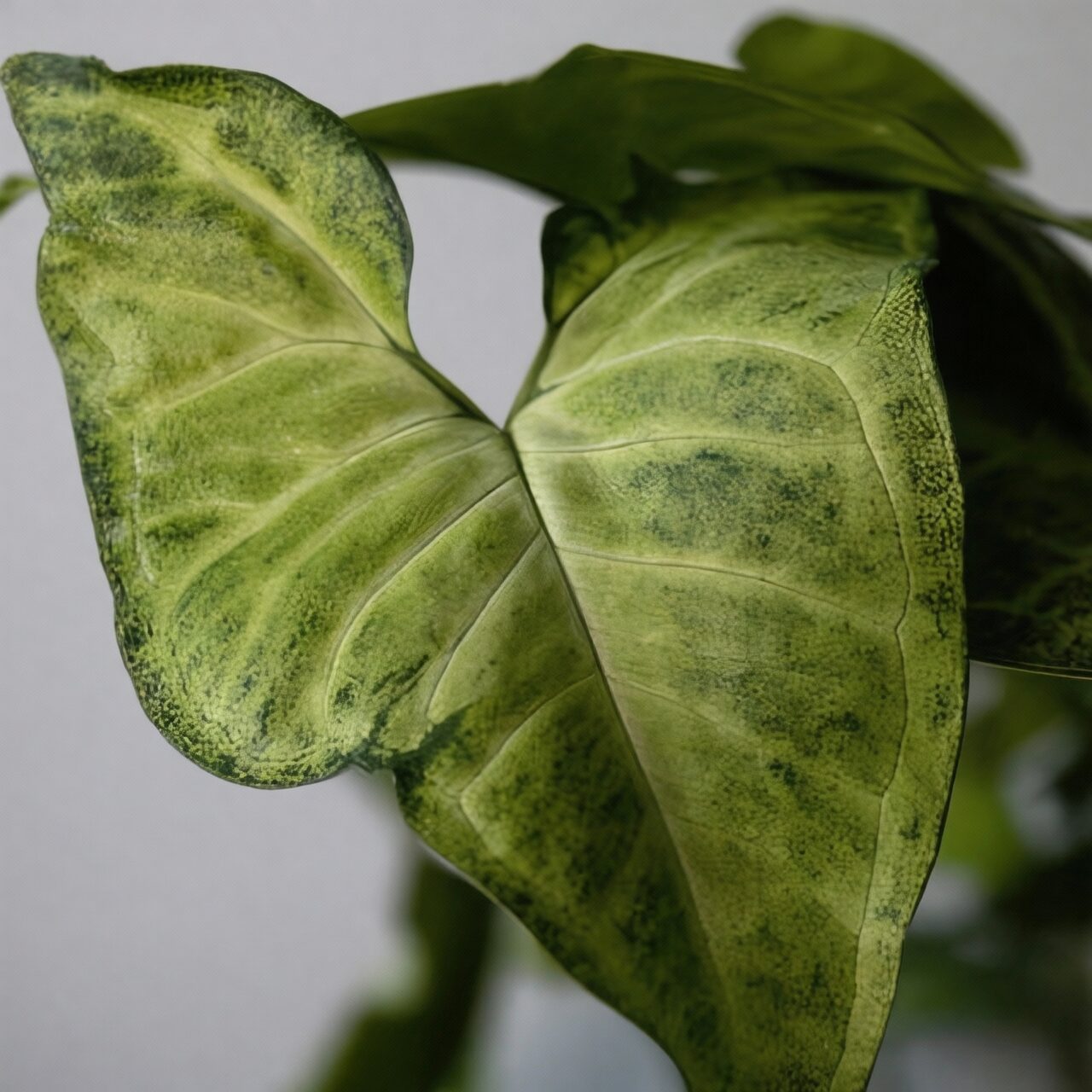
Bleaching/scorch (too much direct sun)
- Look for:
- White or pale, translucent patches that later turn tan/brown and papery, especially on white sections.
- Crisped edges on the sun-facing side; leaves may feel hot at midday.
- Unchanged variegation pattern on new leaves, but damaged tissue on exposed ones.
- Do this:
- Add a sheer curtain or move the plant 30–90 cm (1–3 ft) farther from the window.
- Avoid direct midday/afternoon rays; keep only soft morning sun at most.
- Trim only fully crisped areas for appearance; the plant can live with minor scars.
Reversion (too little light)
- Look for:
- New leaves emerging mostly green, with shrinking or missing white areas.
- Longer internodes, smaller leaves, and a stretched, leggy outline.
- Slower growth despite adequate water and nutrients.
- Do this:
- Move to a brighter spot: east or very close to a north window; or closer behind a sheer on a bright south/west.
- If a particular vine is producing only green leaves, prune just above a node that last showed good variegation to encourage patterned regrowth.
- Keep conditions stable—don’t overfertilize trying to “force” variegation. Light, not feed, drives it.
Fast light checks you can do in 60 seconds
- Hand-shadow test at midday:
- Crisp but not razor-edged shadow = bright indirect (ideal).
- Very soft, fuzzy shadow = medium light (okay, but watch for reversion).
- No shadow = too dim for lasting variegation.
- Phone lux app:
- 10,000–20,000 lux on the leaves = dependable variegation retention.
- 3,000–8,000 lux = maintenance mode; watch for slow fade.
- Spikes above ~40,000 lux on bare leaves indoors usually mean direct sun—filter it.
- Touch test:
- If leaves feel noticeably warm to the touch in the afternoon, they’re probably sun-exposed. Filter or step back.
Seasonal and situational tweaks
- Summer: Afternoon sun intensifies—add a sheer or increase distance on west/south exposures.
- Winter: Daylength drops—move closer to the window or add a low-watt grow light to hold variegation.
- After repotting or hard pruning: Keep light bright but indirect while the plant regains balance.
- Dust patrol: Wipe leaves monthly to boost photosynthesis and discourage pests.
Style your plant for better light use
- Train it up a moss pole or stake for tidier, upright growth and better leaf exposure to indirect light.
- Pinch occasionally to prevent self-shading and keep a full, bushy silhouette.
- Group with other humidity-loving aroids near bright windows; just avoid letting taller neighbors block its light.
Safety side note
- Like many aroids, Arrowhead Vine contains insoluble calcium oxalate crystals. Keep it away from pets and children, and wear gloves if you’re sap-sensitive.
A short note on symbolism (the “flower language” of Arrowhead Vine)
You’ll often see Syngonium linked with growth, adaptability, and fresh beginnings—a neat fit for a plant that morphs from simple arrow-shaped juvenile leaves to more lobed adult foliage as it climbs. While this “flower language” isn’t rooted in formal botany or ancient lore, it’s a modern houseplant tradition that reflects how the plant behaves: quick to establish, easy to shape, and always ready to push new shoots in the right conditions. If you’re gifting one, it quietly says “new chapter, steady growth.”
Bottom line: For variegated Syngonium, east and north windows win the day; south and west need a sheer and distance. Keep the light bright and indirect, and you’ll keep those creamy patterns bold without flirting with burn. Bright light sustains the pattern; filtered light protects the tissue—that’s the whole game.