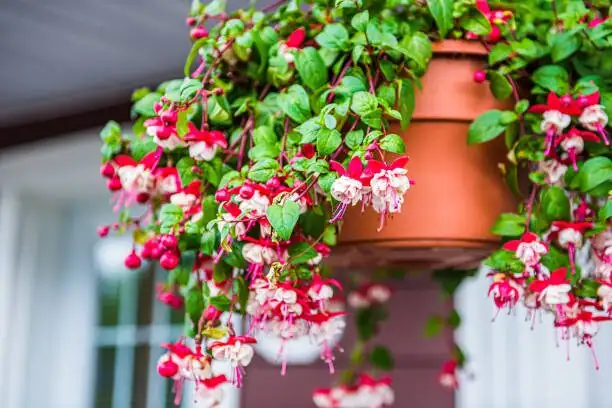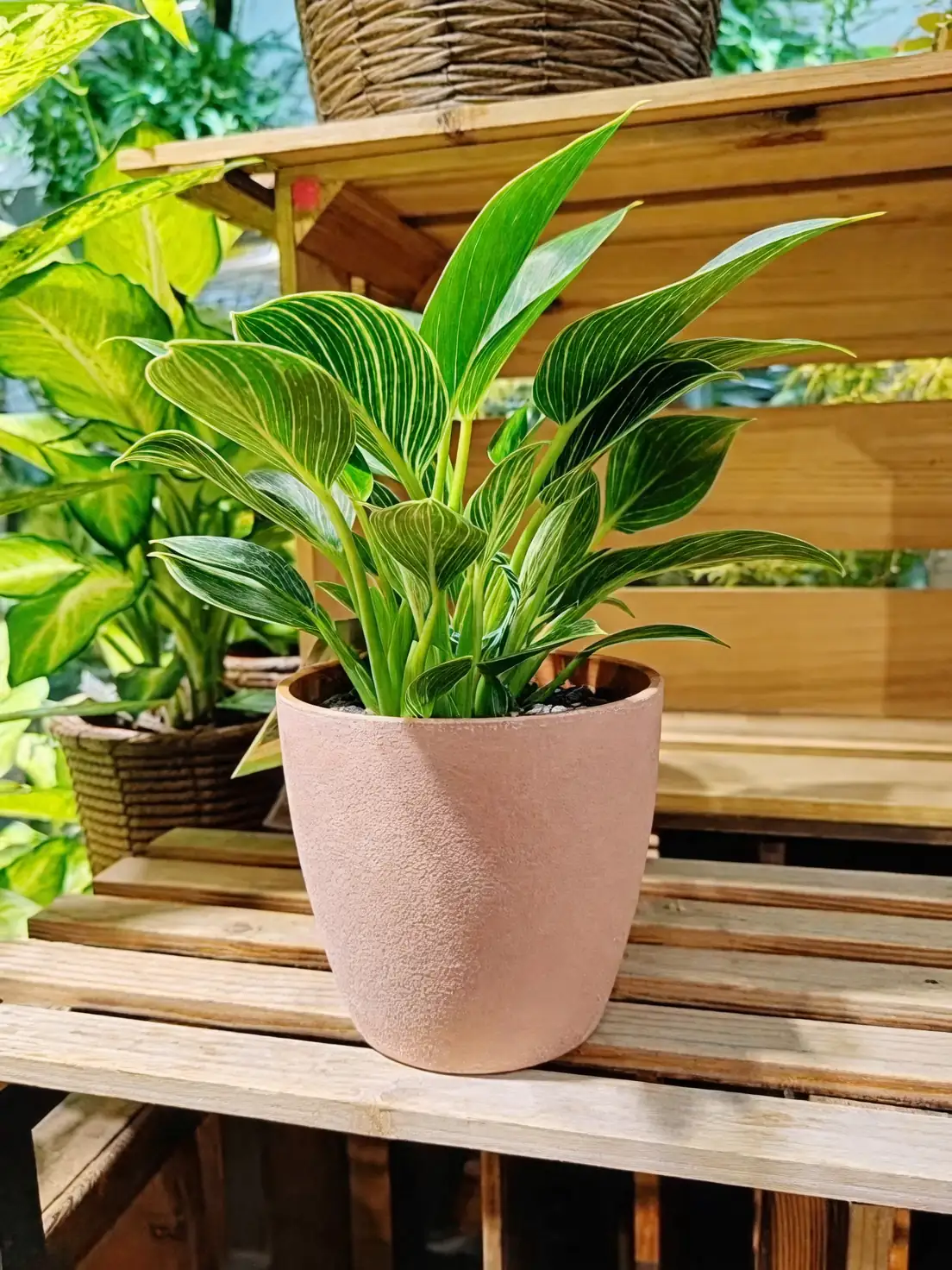
When it comes to keeping our houseplants happy, one of the biggest challenges is ensuring they get enough humidity, especially if they hail from tropical climates. But should you turn to misting or invest in a humidifier? Let’s dive into the impact of these methods on plant humidity and how to best use them to create a lush indoor garden.
Understanding Plant Humidity Needs
Most houseplants, such as Philodendrons and Pothos, thrive in humidity levels between 60% and 90%, similar to their native tropical environments. However, indoor conditions, especially during winter, often fall short of this, leading to dry air that can cause leaf edges to brown and plants to stop growing. Thus, maintaining adequate humidity is crucial for plant health.
Misting: The Quick Fix with Limited Impact
Misting is a popular technique among plant enthusiasts, primarily because it’s simple and gives the illusion of a lush, dewy environment. However, the effects of misting are fleeting. Water droplets briefly increase the local humidity around the plant, but this evaporates quickly, offering little long-term benefit.
Common Mistakes in Misting:
- Over-misting: Spraying too often can lead to water-soaked leaves, promoting rot and disease.
- Direct misting: Misting directly onto leaves can cause water to pool and increase the risk of fungal issues.
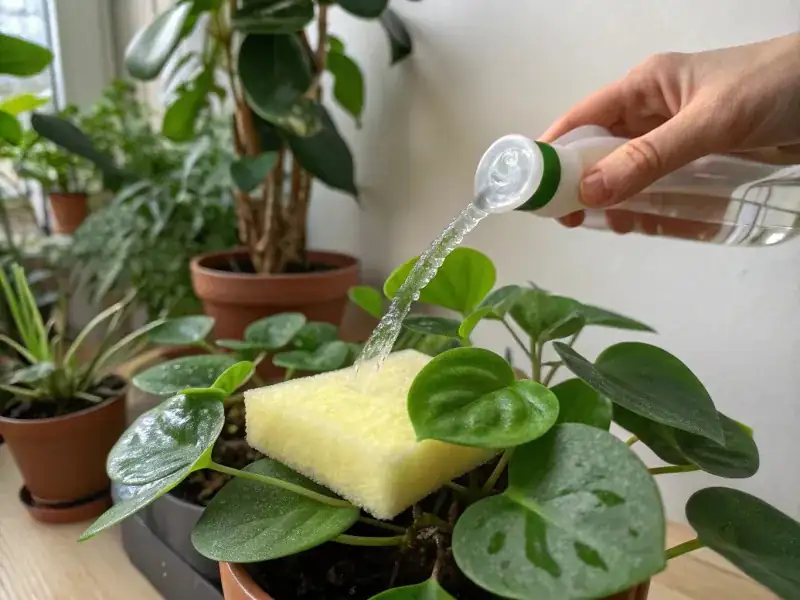
When and How to Mist:
- If you choose to mist, do it in the morning to allow leaves to dry during the day.
- Aim the mist around the plant, not directly on it, to minimize water sitting on leaves.
Humidifiers: The Consistent Solution
For a more reliable and sustained increase in humidity, humidifiers are your best bet. Unlike misting, humidifiers release a fine mist that can maintain higher humidity levels over hours or even days, depending on the device. This consistent moisture is what tropical houseplants crave and can significantly improve their growth and health.
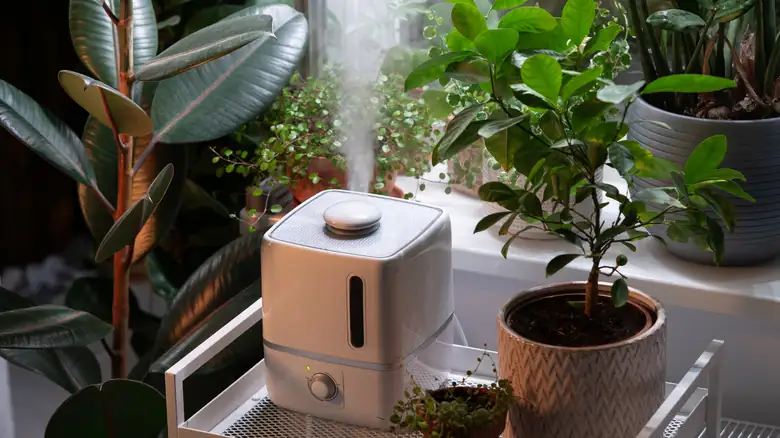
Benefits of Using a Humidifier:
- Consistent Humidity: Maintains steady humidity around 50-80%, ideal for most tropical plants.
- Even Coverage: Raises humidity for multiple plants in a room, ensuring all your green buddies benefit.
Tips for Using a Humidifier:
- Place the humidifier near your plants but not directly next to them to prevent over-saturation.
- Clean your humidifier regularly to avoid mold and bacteria buildup.
Other Practical Strategies
If a humidifier isn’t an option, consider these alternatives:
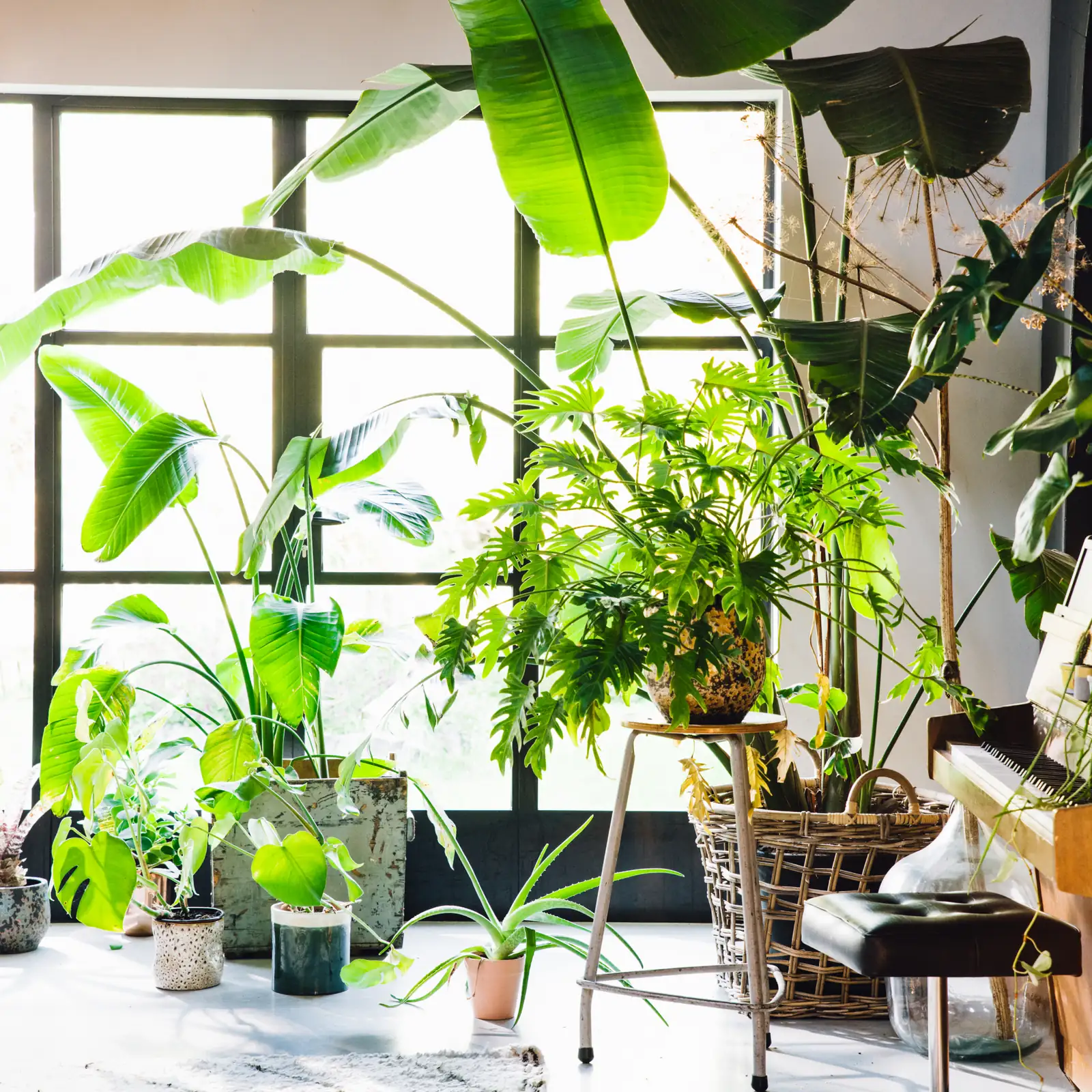
- Grouping Plants Together: This can create a microclimate, as plants release moisture through transpiration.
- Humidity Trays: Place a tray with pebbles and water under your plant pots; as the water evaporates, it adds humidity.
- Bathroom Placement: If your bathroom has good lighting, it can be a naturally humid spot for your plants.
Conclusion: Finding the Right Balance
While misting offers a quick, albeit temporary, increase in humidity, a humidifier provides a more consistent and effective solution, especially for plants that are humidity-sensitive. Evaluate your plant needs, your available space, and your commitment to maintenance when choosing the best method. By understanding these options, you can keep your indoor jungle thriving all year round!