
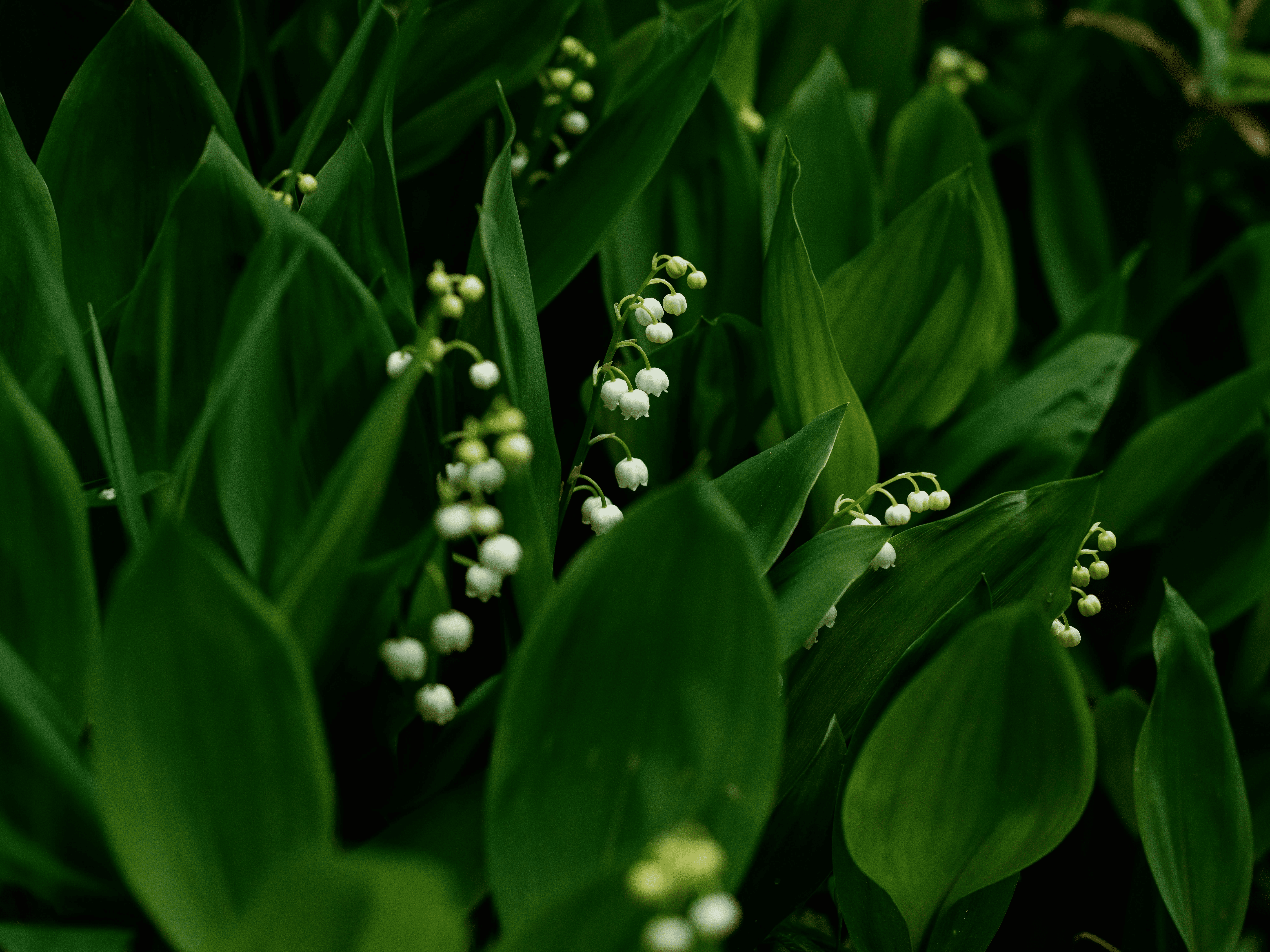
The Lily of the Valley, with its dainty, nodding white bells and sweet perfume, is a beloved resident of many gardens. But even the most cherished plants can face challenges. If your Convallaria majalis plants are feeling under the weather, fear not! Let’s explore practical solutions to common pests and diseases, ensuring your Lily of the Valley thrives like a woodland fairy tale.
The Usual Suspects: Pests and Diseases
In the garden world, Lily of the Valley is usually quite the hardy performer. However, a few pesky pests and diseases can occasionally interrupt its serene beauty. The good news? These issues are manageable with a little know-how and timely intervention.
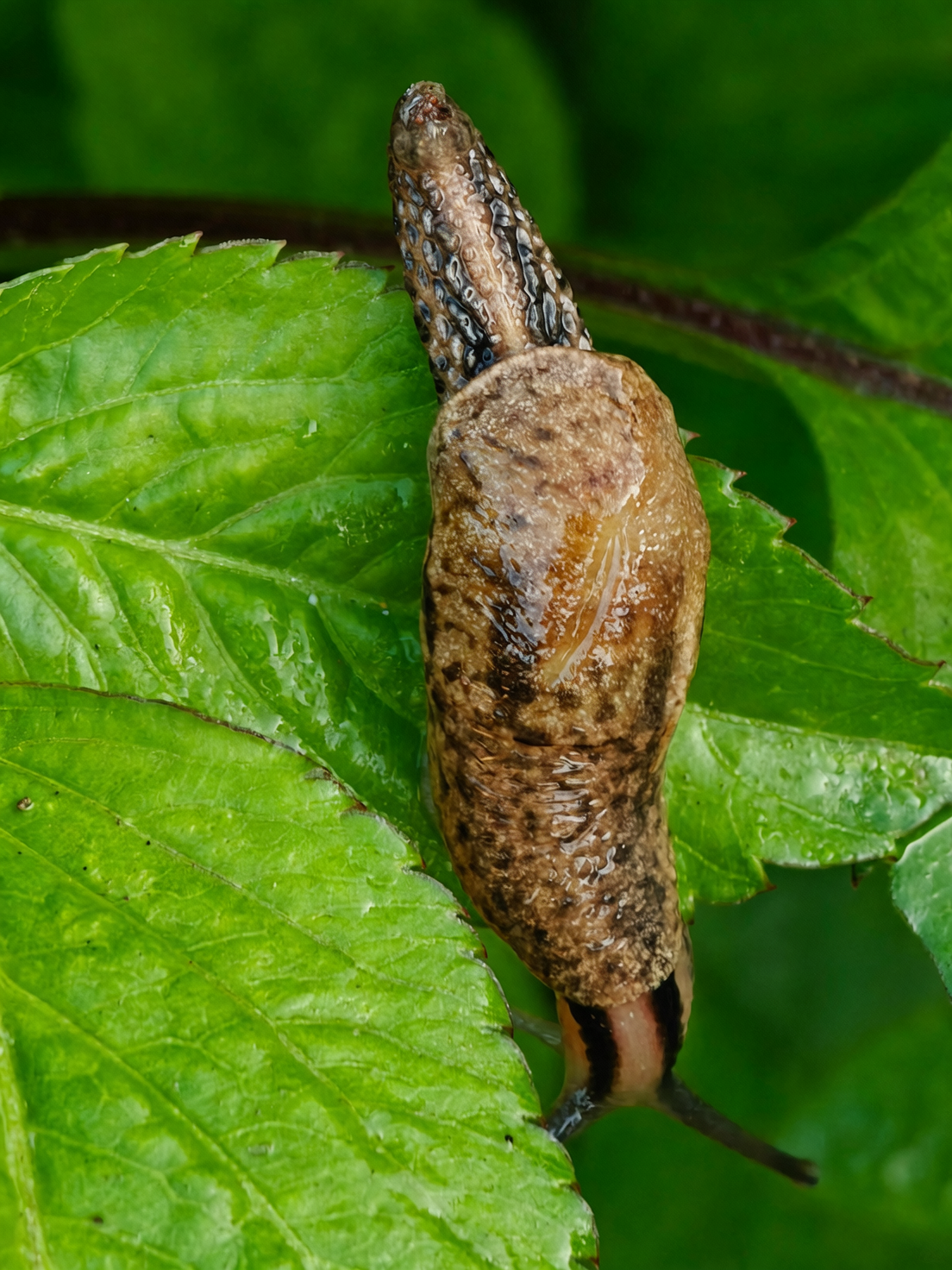
Slugs and Snails: The Nighttime Nibblers
These slimy creatures love to munch on the leaves of Lily of the Valley, leaving unsightly holes. To combat them, try the following:
- Handpicking: Head out at dusk or dawn with a flashlight and remove slugs and snails by hand.
- Barriers: Use crushed eggshells or copper tape around your plants to deter these mollusks.
- Natural Predators: Encourage birds and beetles that feast on slugs by providing habitats.
Aphids: The Sap Suckers
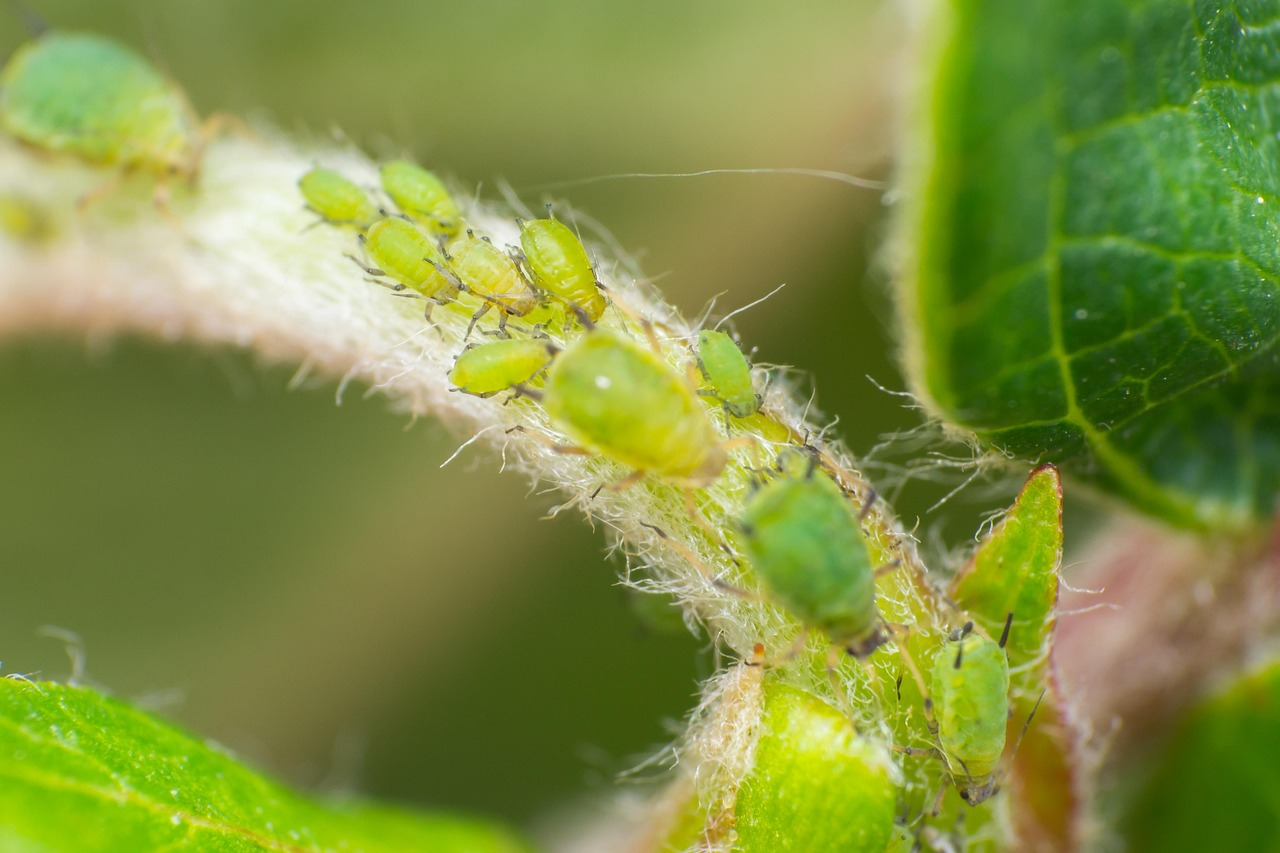
Aphids can sometimes be found on Lily of the Valley, sucking the sap and weakening the plant. Here’s how to manage them:
- Water Spray: Blast them off with a strong jet of water. This method is simple yet effective.
- Neem Oil: Apply neem oil, a natural pesticide, to keep aphid populations in check.
- Companion Planting: Grow plants like marigolds nearby, which can repel aphids.
Fungus Among Us: Common Diseases
Lily of the Valley can fall prey to several fungal diseases, especially when growing conditions are less than ideal. Here’s how to keep them at bay:
Leaf Spot and Anthracnose
These fungal infections manifest as spots on leaves, often turning them brown and unsightly.
- Water Wisely: Avoid overhead watering which leaves foliage wet. Instead, water the soil directly.
- Improve Airflow: Thin out crowded plants to promote airflow, reducing humidity around the leaves.
- Fungicides: In severe cases, a fungicide may be necessary. Look for a product suitable for ornamental perennials.
Rust: The Leaf Tarnisher
Rust appears as yellow patches with orange-brown spores. It thrives in moist conditions.
- Promote Dryness: Ensure plants have space for air circulation and avoid wetting leaves.
- Fungicide Application: Apply a fungicide early to prevent the spread of rust.
Crown and Root Rot: The Silent Killers
These are often due to overly wet conditions or poor drainage.
- Soil Matters: Amend soil with organic matter to improve drainage. Ensure containers have adequate drainage holes.
- Less is More: Water sparingly during dormant periods and ensure soil is only moist, not soggy.
Keeping It Safe: Practical Considerations
While tending to your garden, remember that every part of the Lily of the Valley is highly toxic. Always keep curious children and pets at a safe distance. Consider wearing gloves when handling plants, and wash your hands afterwards.
The Language of Flowers: A Symbol of Return and Renewal
The Lily of the Valley is steeped in rich symbolism, often associated with purity, humility, and the return of happiness. In France, sprigs are exchanged on May 1st as a gesture of good luck. This tradition speaks to the plant’s enduring charm and hopeful message—a perfect token of spring’s renewal.
By managing pests and diseases with these practical solutions, your Lily of the Valley can continue to enchant the senses with its delicate beauty and intoxicating scent. With a little love and attention, these plants will flourish, bringing a touch of woodland magic right to your garden. Plant with care, and watch your efforts blossom into picturesque patches of fragrant blooms.