Mastering the Art of Boxwood Propagation: Tips for Success
Boxwood, known scientifically as Buxus spp., is the stalwart of the garden world, much like the trusted paintbrush of a seasoned artist. This classic evergreen shrub brings structure and elegance to landscapes, from the manicured parterres of grand estates to the cozy corners of cottage gardens. If you’re enchanted by the idea of cultivating boxwoods without emptying your wallet, then learning to propagate them from stem cuttings and seeds is your gateway to a lush, verdant paradise.
The Beauty of Boxwood
Before diving into propagation, it’s worth appreciating what makes boxwood so beloved. With its dense, compact growth and year-round greenery, boxwood is the canvas upon which garden dreams are painted. Its small, glossy leaves and ability to be shaped into hedges, spheres, or whimsical creatures make it a versatile choice for any garden style. But beyond its aesthetic appeal, boxwood is also deer-resistant and adaptable, thriving in a range of conditions from full sun to partial shade.
Propagation from Stem Cuttings
When to Take Cuttings
Timing, as any good chef or gardener will tell you, is everything. For boxwood, the best time to take cuttings is midsummer to early fall when new growth is just beginning to harden. This ensures the cuttings are vigorous enough to root successfully but not so mature that they resist new growth.
The Cutting Process
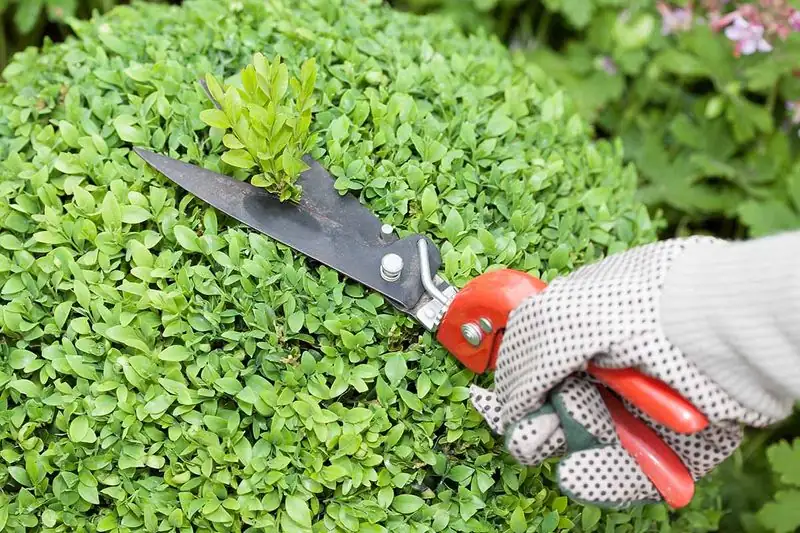
Here’s a step-by-step guide to transforming a single boxwood plant into a hedge’s worth of greenery:
- Gather Your Tools: You’ll need a sharp knife or pruners, a jar of water, and a low-fertility, well-draining growing medium. A rooting hormone is optional but can increase your chances of success.
- Select and Cut: In the early morning, when the stems are plump with moisture, cut 4- to 6-inch lengths from healthy, fresh growth. Avoid stems that show signs of damage or disease.
- Prepare the Cuttings: Strip the leaves from the lower half of each cutting and optionally scrape one side of the stem to encourage rooting. Dip the cut end in rooting hormone if desired.
- Plant the Cuttings: Insert the prepared cuttings into the growing medium, ensuring good contact. Multiple cuttings can be placed in a single pot without overcrowding.
- Create a Humid Environment: Cover the pots with a plastic bag or place them in a greenhouse to maintain high humidity, which is crucial for rooting.
- Patience is Key: Rooting can take several weeks. Keep the medium moist and provide bright, indirect light.
Propagation from Seeds
While taking cuttings is the more popular method, growing boxwood from seeds offers its own rewards, especially if you’re patient and enjoy the process of nurturing plants from their earliest stages.
Collecting and Sowing Seeds
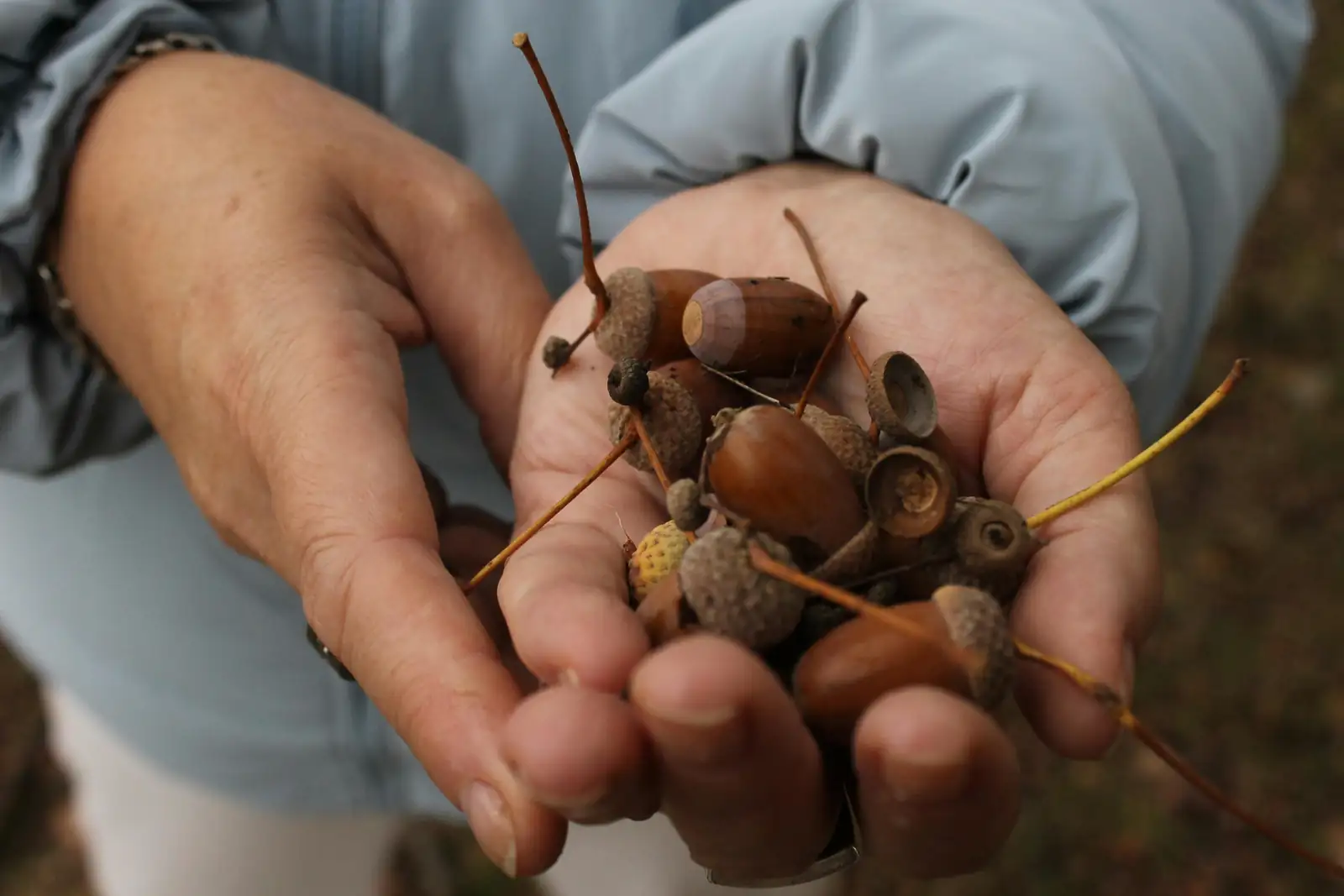
- Seed Collection: Boxwood seeds can be collected in late summer once the flowers have set seed. They require a period of cold stratification—mimicking winter conditions—to germinate successfully.
- Stratification: Place seeds in a container with moist sand or peat moss and refrigerate for about a month.
- Sowing and Care: After stratification, plant the seeds in a well-draining potting mix. Keep them moist and provide warmth and light to encourage germination.
Troubleshooting Common Issues
Even with the best techniques, propagation can come with challenges. Here are some common issues and their solutions:
- Cuttings Not Rooting: Ensure your cuttings are taken from healthy plants and that they’re not too young or too old. Adjust humidity and check that the medium stays moist but not waterlogged.
- Seed Germination Problems: Ensure seeds have undergone proper cold stratification. If germination rates are low, try scarifying the seed coat slightly to assist with water uptake.
Tips for Long-Term Success
- Choosing the Right Location: Once your new boxwoods are established, plant them in a site with well-drained soil and some protection from harsh winter conditions.
- Pruning and Maintenance: Regular pruning helps maintain shape and encourages healthy growth. Avoid heavy pruning in late fall to prevent new growth that could be damaged by winter cold.
Boxwood propagation is more than just a gardening task; it’s a rewarding journey from stem or seed to a thriving, sculptural centerpiece in your garden. With a little patience and the right techniques, your garden can echo the timeless elegance of historic landscapes, full of the enduring beauty only boxwood can bring. So grab your pruners or seed packets and let the propagation begin!