
The Art of Propagating Saffron: A Guide to Maximizing Crocus sativus Flower Yield
Imagine a field of vibrant purple flowers, their delicate stigmas bearing the essence of luxury and history. This is the realm of Crocus sativus, more commonly known as the saffron crocus. Its allure lies not just in its striking appearance but in the precious spice it yields—saffron, the world’s most expensive spice by weight. Cultivating this prized plant isn’t just a gardening task; it’s an art form that combines timing, technique, and a touch of patience. If you’re ready to embark on this colorful journey, let’s dive into the intricacies of propagating Crocus sativus to maximize your floral bounty.
Understanding Crocus sativus
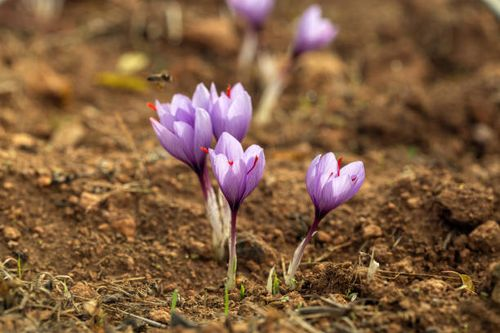
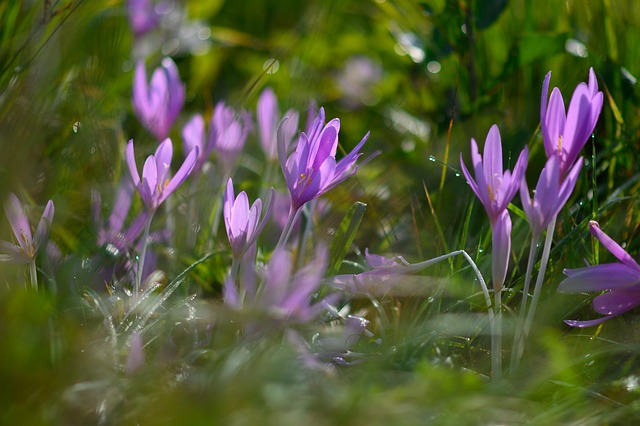
First things first, let’s get acquainted with our star plant. Crocus sativus belongs to the Iridaceae family and is native to the Mediterranean region, Southern Europe, and parts of Asia Minor. This autumn-blooming perennial is celebrated for its lilac to purple flowers, each harboring three vibrant crimson stigmas—the treasure troves of saffron.
Growth and Seasonal Rhythm
Crocus sativus is a master of seasonal rhythm. Unlike most plants that bloom in spring or summer, this unique crocus sets the stage for its show-stopping bloom in autumn, typically from late October to early November. It thrives in cool, mild conditions and is happiest in full sun, although it can tolerate partial shade.
Propagation: The Key to a Flourishing Saffron Harvest
Saffron crocus doesn’t produce viable seeds, so its propagation relies entirely on corm division. These bulb-like storage organs are your ticket to multiplying your saffron plants. Here’s how you can ensure your corms lead to a flourishing saffron harvest.
Choosing the Right Corms
- Size Matters: When selecting corms, size is crucial. Larger corms, about 3 cm (1.2 in) in diameter, generally promise more flowers in the first year. Opt for firm, plump corms with intact papery skins and avoid any that are soft or moldy.
- Timing is Everything: Plant your corms in late summer to early fall. This timing ensures they establish roots and are ready to bloom once autumn arrives.
Planting Techniques
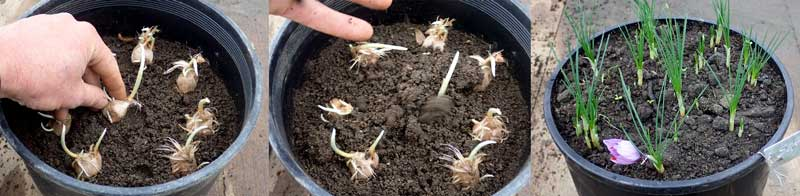
- Depth and Spacing: Plant corms 5–10 cm (2–4 in) deep and about 10 cm (4 in) apart. This spacing allows each plant enough room to thrive without overcrowding.
- Soil Selection: Saffron demands excellent drainage. A sandy loam soil with moderate fertility, slightly acidic to neutral pH, is ideal. Avoid heavy clay soils where water tends to linger.
Dividing and Replanting
Every 4–6 years, it’s beneficial to divide congested clumps to keep flowering robust. Here’s how you can do it:
- Lift Corms: Carefully dig up the corms after the flowering season, typically when the foliage begins to yellow and die back.
- Separate Offsets: Gently separate the new cormlets from the mother corm. These offsets are your new generation of saffron crocus.
- Replant: Refresh the planting area or choose a new well-drained site to plant the separated corms. Remember to incorporate a bulb fertilizer or bone meal to give them a good start.
Navigating Environmental Challenges
Growing saffron is not without its challenges. Here are some tips to overcome common obstacles:
- Temperature Sensitivity: While Crocus sativus tolerates cold down to about -10°C (14°F), extreme cold can damage corms. In USDA Zones colder than 6, consider growing them in pots that can be sheltered during harsh winters.
- Humidity and Watering: Moderate humidity is ideal, and keeping corms dry during summer dormancy is crucial. Overwatering, especially in warm conditions, can lead to corm rot.
The Future of Saffron Propagation
With growing interest in saffron cultivation, innovative propagation techniques are emerging. In vitro culture methods, for example, offer potential for large-scale corm production, which could address the limitations of traditional propagation.
A Cultural and Historical Tapestry
Saffron isn’t just a spice; it’s a symbol woven into the fabric of history and culture. In Greek mythology, the transformation of the youth Crocus into the flower symbolizes love and loss, while Persian legends celebrate saffron as a gift of heroism. Its associations with happiness, devotion, and prosperity are echoed in its use across religious and cultural ceremonies worldwide.
Final Thoughts
Cultivating Crocus sativus is a rewarding endeavor that combines horticultural skill with a dash of historical intrigue. By mastering the art of corm selection, planting, and care, you can enjoy a bountiful saffron harvest and a garden graced by the enchanting blooms of this storied plant. Whether you’re drawn to the culinary allure of its stigmas or the simple joy of watching it bloom, saffron crocus invites you to partake in a timeless tradition. Happy planting!