

Imagine a living paintbox that glows with yellow, orange, and fire-red leaves—then imagine tiny hands and curious paws drawn to touch it. That, in a nutshell, is life with croton (Codiaeum variegatum): dazzling, dramatic, and a little bit diva. The good news? With smart placement and a few safety habits, you can enjoy that technicolor foliage while keeping kids and pets out of harm’s way.
Why croton is toxic—and what that means at home
Croton is in the spurge family (Euphorbiaceae), the same clan as poinsettia. Like many euphorbs, it contains a milky latex-like sap. That sap and other plant tissues can irritate skin and eyes and are toxic if chewed or swallowed by humans or pets.
- What’s in it: Natural irritants (diterpenes) are concentrated in the sap, bark, and roots and are present throughout the plant.
- For people: Sap exposure may cause redness, itching, or dermatitis; eye exposure can sting and irritate. Ingestion can cause mouth/throat irritation and stomach upset.
- For pets: Toxic to cats and dogs if chewed; expect drooling, mouth irritation, vomiting, and diarrhea. Keep it strictly out of reach of animals.
- Severity: Croton is not typically lethal for pets or people, but it can cause real discomfort and a distressing mess. Prevention is far better than emergency cleanup.
If anyone (two- or four-legged) chews the plant or gets sap on skin/eyes, remove access, rinse skin with soap and water (or flush eyes with clean water), and contact a medical professional or veterinarian for guidance.
Sap-smart handling: simple habits that make a big difference
You won’t notice the sap until you prune, repot, or accidentally snap a leaf. Plan ahead:
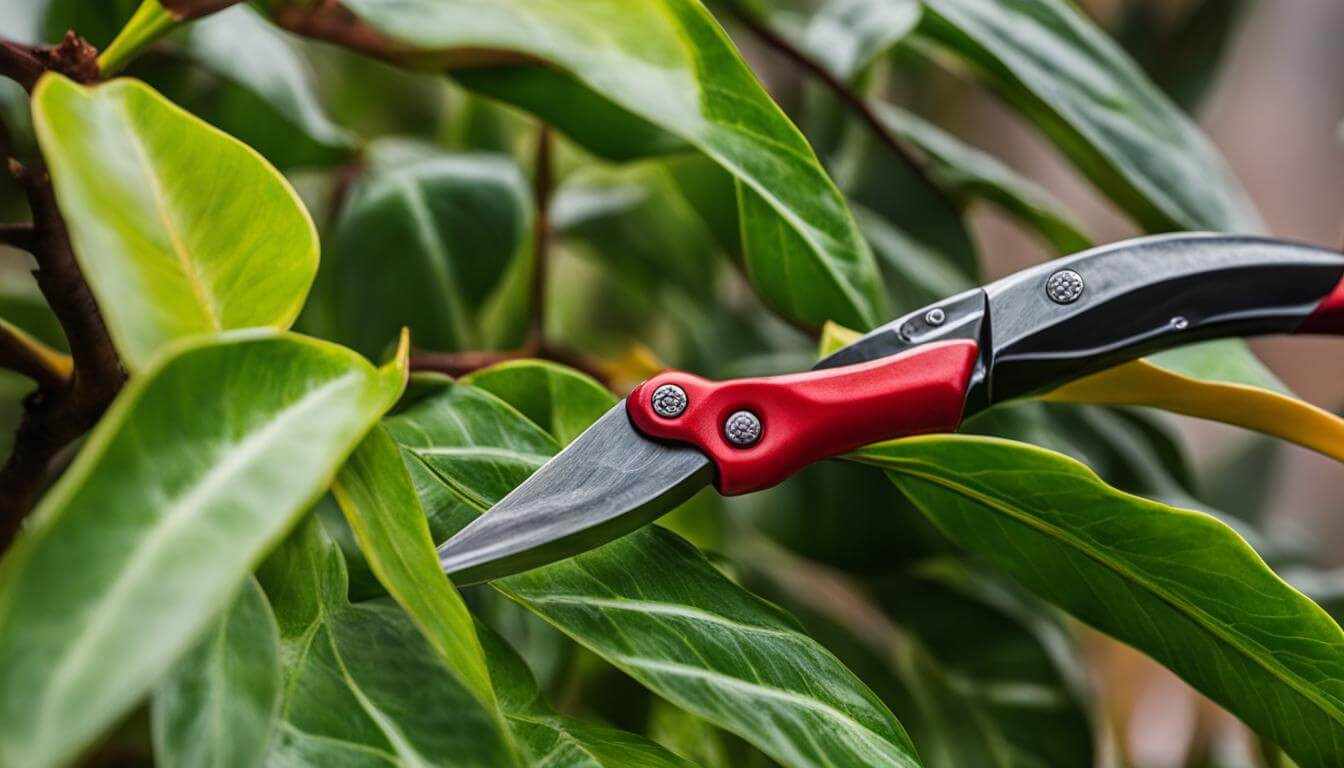
- Suit up: Wear nitrile or latex gloves for pruning, repotting, or propagation. Long sleeves help if you’re sensitive.
- Tool care: Use clean, sharp pruners; wipe sap from blades and disinfect after use.
- First aid: If sap contacts skin, wash with soap and lukewarm water. If it gets in your eye, flush gently with clean water for 10–15 minutes.
- Tidy cuts: When taking stem cuttings, let the cut end dry briefly to reduce sap bleed, then pot.
- Laundry note: If sap gets on clothing, rinse promptly; wash normally.
Designing for safety: where to place croton so it shines (and no one chews it)
Think like a stylist and a safety officer. Croton loves bright, filtered light, steady warmth, and moderate-to-high humidity. That makes bathrooms, warm kitchens, and sunlit living rooms great backdrops—if you add smart barriers.
Best microclimates indoors
- Bright bathrooms: Warm and humid—perfect for lush color. Place on a high shelf or in a closed glass-front cabinet.
- Kitchens with filtered sun: East or bright west windows, away from traffic and cook heat. Use a tall, weighted plant stand tucked behind a peninsula.
- Living rooms: Near an east/south/west window with sheer curtains for filtered light, far from heater/AC blasts.
Target conditions:
- Light: Bright, indirect light; brief gentle sun is fine. Too little light = greener leaves.
- Temperature: 59–85°F (15–29°C); keep it above 59°F (15°C) indoors to prevent leaf drop.
- Humidity: Aim for 50–70%. Use a humidifier or pebble tray; mist only if your home’s conditions don’t cause leaf spotting.
Kid-proof and pet-proof placement strategies
Mix and match these to suit your home:
- Wall-mounted shelves with lips: Install high, sturdy shelves anchored to studs. Add a front lip so toys (or curious paws) can’t nudge the pot off. Leave no “launch pads” nearby for cats.
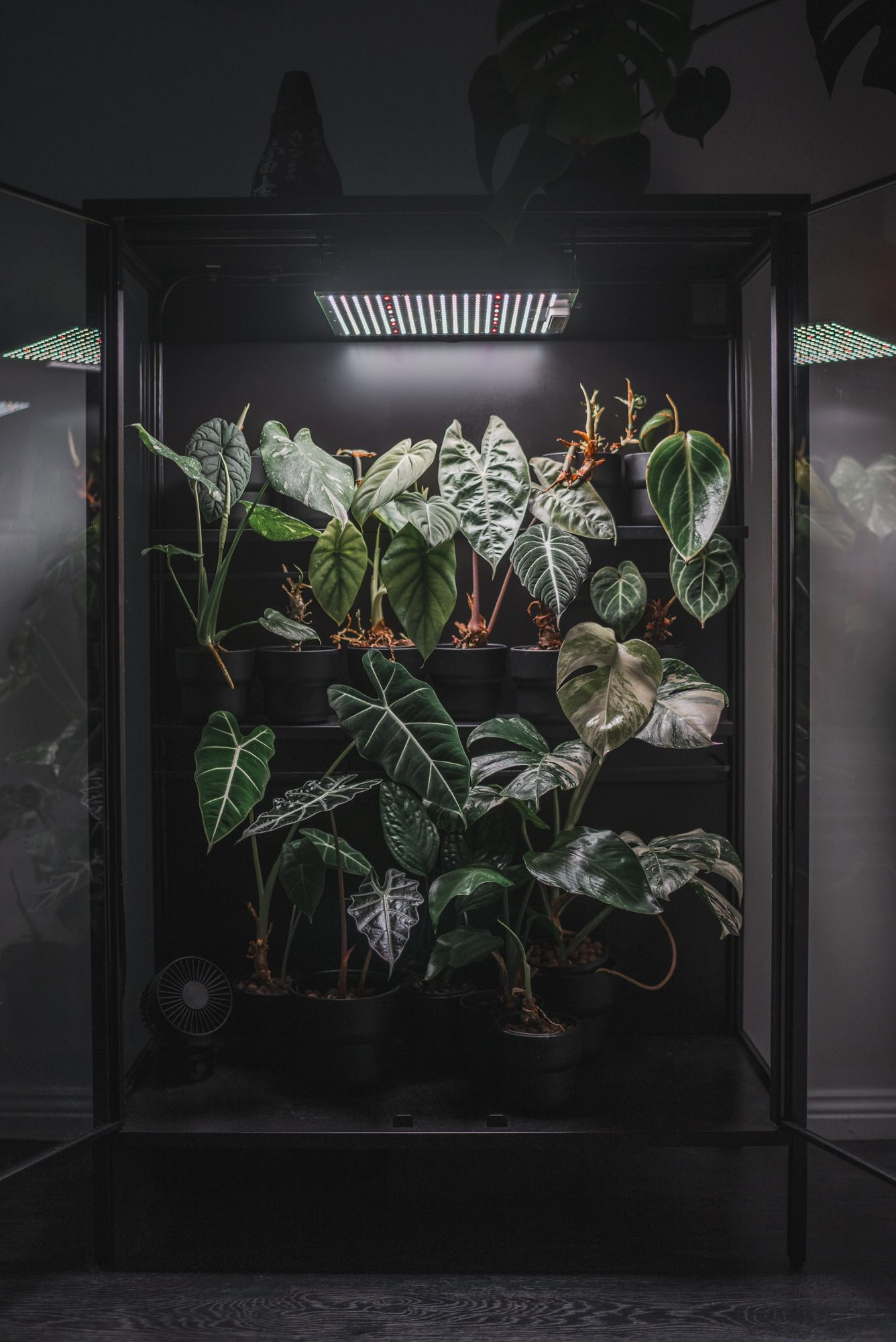
- Closed display cabinets (“greenhouse cabinets”): Glass or acrylic cabinets with vents protect kids/pets and stabilize humidity—great for croton’s color. Add childproof latches.
- Tall, weighted plant stands: Choose heavy bases and strap large pots with museum gel or discreet Velcro ties. Position in a quiet corner, not along play or chase routes.
- Console tables with barriers: Place croton against a wall on a console with a raised back edge or rail. Above it, mount a simple acrylic guard to deter reach.
- Floating window ledges: Deep, weight-rated ledges at shoulder height or higher block access and deliver light. Ensure they’re well away from furniture cats can use to jump.
- Room dividers and screens: Use a decorative screen to create a “plant zone” behind it—ideal for open-plan spaces.
- Indoor pet gates and pens: Create a no-go zone in one bright room where croton and other sensitive plants can live undisturbed.
What to avoid:
- Low tables, floor planters, or wobbly stands in high-traffic areas
- Near cribs, play mats, feeding stations, or litter boxes
- Windowsills with easy access routes for cats
Pro tip: For multi-pet households, the most reliable solution is a closed cabinet or truly inaccessible high shelf. Cats can and will jump.
Outdoor use (warm climates only)
Croton is frost-tender and best outdoors year-round mainly in USDA Zones 11–12. If used on balconies or patios:
- Keep it behind rail planters or in screened sections out of pet/kid reach.
- Bring containers indoors before temperatures dip—prolonged chill causes leaf drop and stress.
Choose the right cultivar and container for safer styling
- Compact cultivars for shelves and cabinets: Look for smaller, upright forms (often sold as “Gold Dust,” “Mammy,” “Petra,” or similar) that top out smaller indoors.
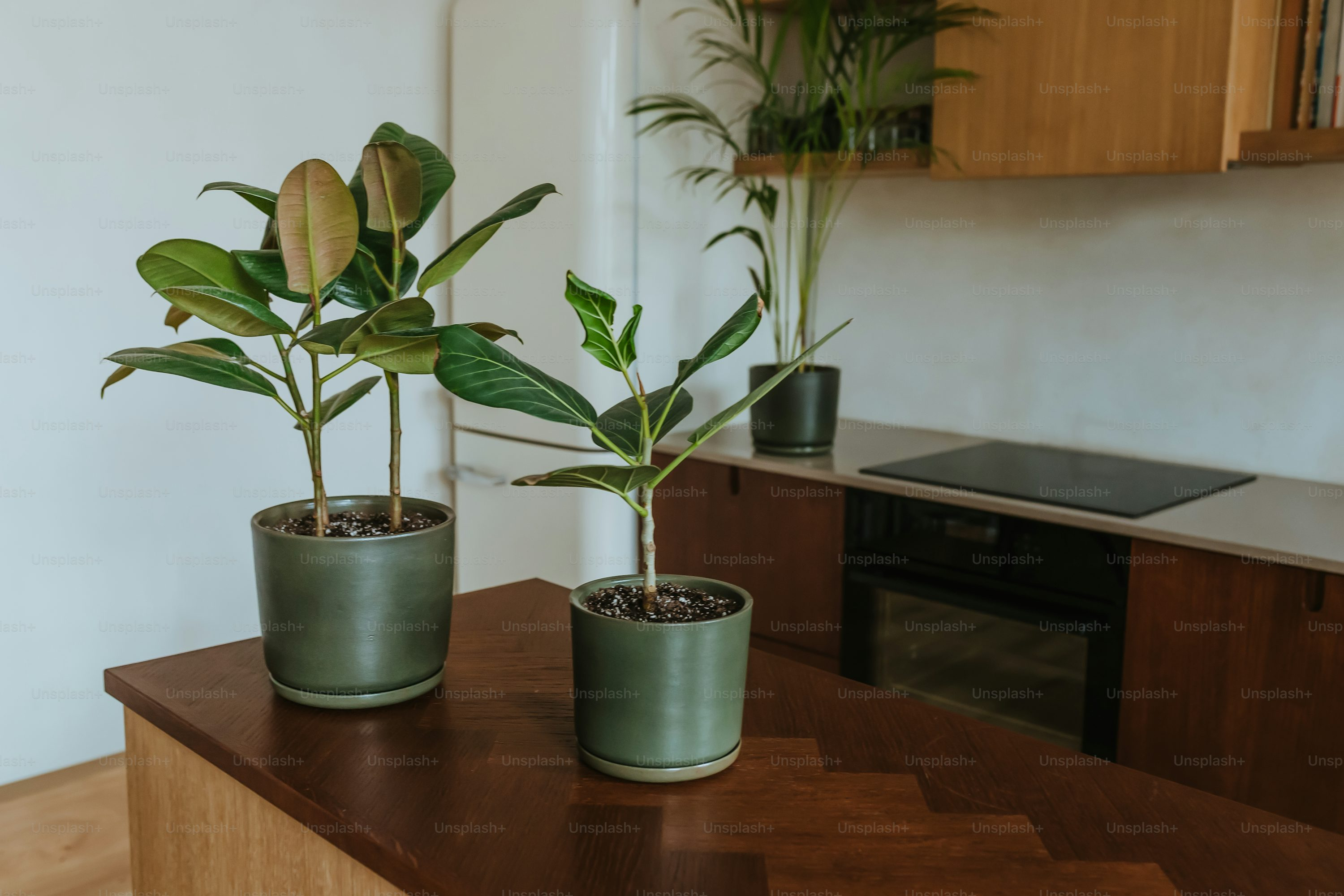
- Stable, enclosed planters: Choose ceramic or fiberstone pots with weight and a snug saucer. Self-watering inserts can reduce spills and drop-by sink trips.
- Sizing: Indoors they’re typically 12–36 inches tall, sometimes up to ~5 feet over time. Plan placement that still works as it grows.
Care that keeps the color blazing (and leaves on the plant)
Healthy croton = less leaf drop to tempt pets.
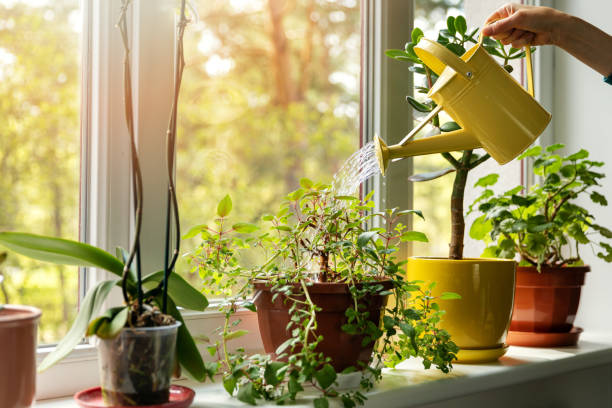
- Watering: Keep the mix evenly moist, never soggy. In spring–fall, water when the top 0.5–1 inch (1–2.5 cm) dries; in winter, let the surface dry and water less often. Use lukewarm water.
- Humidity: 50–70% is a sweet spot; use a humidifier, pebble tray, or plant grouping. Misting is optional—skip if it causes spotting.
- Feeding: During spring–fall, use a balanced liquid fertilizer either every 2 weeks at label rate (or half-strength if sensitive) or every 4–6 weeks at half-strength. Ease off in winter.
- Light tune-up: If leaves turn mostly green, move to brighter filtered light. Shield from harsh midday sun that can scorch or dull color.
- Drafts are the enemy: Keep away from AC vents, heaters, and door drafts to prevent abrupt leaf drop.
- Pruning: Early spring is best. Trim just above a node to encourage bushiness, and don’t remove more than about one-third at a time. Wear gloves—sap can irritate skin.
Common hiccup:
- Sudden leaf drop? Usually a stress signal—cold, low humidity, over/underwatering, or moving the plant. Stabilize conditions and be patient; new growth often follows.
House rules: keeping everyone safe
- Out of reach, always: Treat croton like medications—displayed, but not accessible.
- Clean as you go: Promptly remove fallen leaves and wipe sap drips. Keep the area tidy so pets don’t “forage.”
- Train and distract: Offer cats legal greens (cat grass) and provide vertical perches away from the plant zone. Reward ignoring the plant.
- Tools on lockdown: Store pruners and fertilizers out of reach.
Emergency contacts:
- If a pet chews croton, remove any plant matter, offer water, and call your vet or a pet poison helpline.
- If sap contacts eyes/skin, flush/clean and seek medical advice if irritation persists.
Styling ideas that double as safeguards
- The jewel-box effect: Place croton in a glass-front cabinet with a matte-black pot and warm, indirect grow light for museum-worthy impact—and a built-in barrier.
- Color echo: Pair croton’s reds and golds with artwork or textiles across the room to pull the eye up and away from reach zones.
- Plant trio, one star: Flank croton with two pet-safe companions (e.g., Boston fern, spider plant) on a high console. The safe plants soften the display; the croton takes center stage behind a rail.
Quick reference care and placement checklist
- Light: Bright, filtered; a little gentle sun helps color.
- Temp: Keep warm and steady; aim above 59°F (15°C).
- Humidity: 50–70% (humidifier > misting).
- Water: Evenly moist, not soggy; never let sit in water.
- Safety: Gloves for pruning; place out of reach; use shelves, cabinets, and weighted stands.
- Pests: Watch for spider mites, scale, mealybugs, and thrips—early treatment with insecticidal soap or horticultural oil works well.
Symbolism, thoughtfully
Croton is often associated with transformation and creativity—fitting for a plant whose leaves literally shift color as they mature. In gifting or home symbolism, it’s a lively emblem for fresh starts, bold ideas, and abundance. While not a traditional “flower language” staple, its modern meaning springs from the visual drama and change it brings to a room—an upbeat note for new homes, studios, or any space ready for a colorful chapter.
—
Bottom line: croton can be both safe and spectacular. Give it bright, warm, humid conditions; handle the sap with care; and stage it on shelves, in cabinets, or on sturdy stands with thoughtful barriers. You’ll get all that painterly foliage—and none of the nibbling drama.