Uncovering the Symbolism of Mimosa pudica: A Celebration of Shyness and Politeness
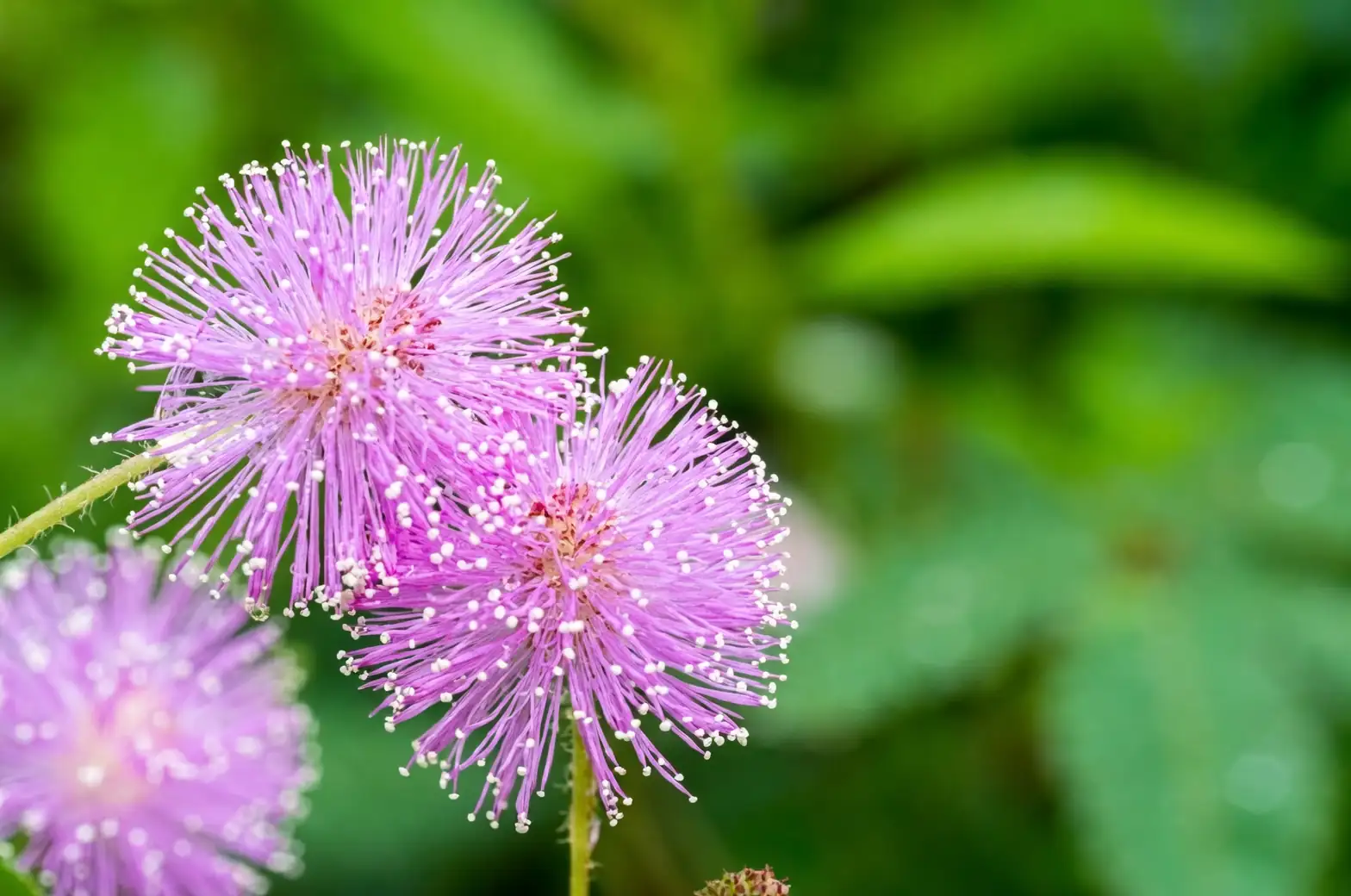
Imagine a plant that blushes at the slightest touch, a botanical marvel that embodies the very essence of shyness and politeness. Enter Mimosa pudica, also known by charming aliases like the Sensitive Plant, Humble Plant, and Touch-Me-Not. This fascinating member of the Fabaceae family is not only a spectacle of nature’s ingenuity but also a symbol of cultural richness and profound meanings.
The Enchanting Behavior of Mimosa pudica
Mimosa pudica captivates us with its unique thigmonastic movements. Picture its fern-like leaves folding inward, drooping as if bashful, at the mere brush of a finger or a warm breeze. This dramatic response, a defense mechanism to deter herbivores and conserve water, has intrigued botanists and storytellers alike for centuries. During the night, its leaves close up in a graceful dance known as nyctinasty, only to reopen with the dawn, much like a curtain rising to greet a new day.

Cultural Significance and Symbolism
Shyness and Sensitivity
Across cultures, Mimosa pudica is celebrated for its sensitivity and modesty. In East Asia, particularly in China and Japan, the plant symbolizes shyness and humility. It resonates with Confucian ideals, serving as a metaphor for appropriate reserve and gentle demeanor, especially among young women. This tender symbolism extends to the Japanese hanakotoba, where it represents secret or platonic affection—feelings cherished quietly within the heart’s confines.
Warm Friendship and Politeness
In the language of flowers, Mimosa pudica embodies the warmth of friendship. It is a playful reminder to approach life with gentleness and consideration. When gifted, it serves as a silent yet profound message to cherish and nurture relationships with care.
A Plant of Many Names and Uses
Mimosa pudica’s aliases—Action Plant, Sleepy Plant, and Shameplant—reflect its many intriguing characteristics. Beyond its ornamental appeal, it has been used in traditional medicine across its native and naturalized ranges, often cited in folk remedies for its soothing properties.
Moreover, as a legume, Mimosa pudica plays a crucial role in nitrogen fixation, partnering with symbiotic bacteria to enrich the soil. This ability to thrive in nutrient-poor conditions underscores its resilience and adaptability, traits that are metaphorically celebrated in various cultural narratives.

Lessons from the Sensitive Plant
Mimosa pudica’s touch-sensitive nature invites us to ponder our own responses to the world. Just as the plant gracefully folds to protect itself, we too can learn to navigate life’s challenges with sensitivity and awareness. It reminds us that sometimes, the most powerful response is a gentle retreat, a moment to pause and reflect.
Fun Facts and Final Thoughts
- Nature’s Performer: Mimosa pudica’s leaf movements are not only triggered by touch but also by vibrations, temperature changes, and even a puff of air.
- A Global Citizen: Originally from the Caribbean and South America, Mimosa pudica has spread across tropical regions worldwide, earning a spot in gardens and scientific studies alike.
- A Scientific Muse: Its fascinating movements have made it a classic subject in research on plant behavior and stimulus response.
In essence, Mimosa pudica is more than just a plant—it’s a living narrative of shyness, politeness, and the beauty of sensitivity. As you care for or observe this gentle botanical wonder, consider the lessons it imparts about life, love, and the subtle power of a modest response.