

Breeze past a pot of False Aralia and you’ll hear luck whispering through lace. Those finely cut, feather-like leaves sway with a poised, tropical calm—exactly the kind of presence people love to invite into a home or office. In Chinese culture, this plant carries a reputation for ushering in prosperity and ease. But why this species, and why the “good-luck” tag? The answer lies in language, evergreen vitality, and thoughtful placement—more than in any showy bloom.
What’s in a name? The lucky puns behind Fú-lù tóng (福禄桐)
- 福 (fú) means blessing or good fortune.
- 禄 (lù) refers to official salary, status, and prosperity.
- 桐 (tóng), used here as part of the plant’s Chinese name, is a homophone for 通 (tōng), meaning “to flow, to pass through, to be unimpeded.”
Put it together and 福禄桐 hears like 福禄通—“fortune and prosperity flow through.” That auspicious echo is a classic example of Chinese homophonic wordplay. It’s why the plant is a popular congratulatory gift for new homes, offices, and shop openings: a living wish that blessings and opportunities arrive smoothly.
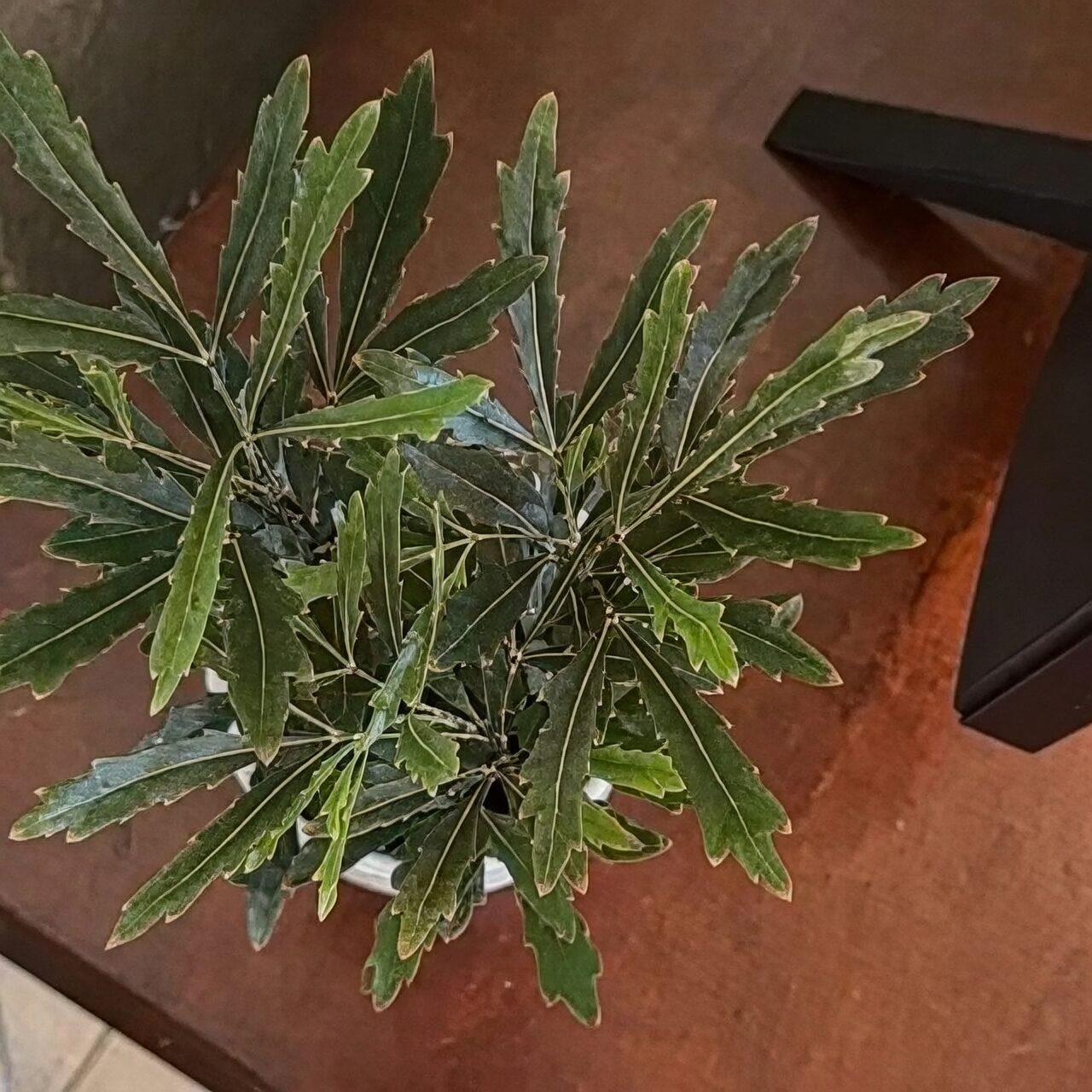
There’s also symbolism in its look. As an evergreen with poised, upright stems and dense, feathery foliage, it telegraphs continuity, vitality, and steady growth—visual metaphors for thriving life and rising fortune.
Evergreen vitality, not showy blooms: decoding its “flower language”
Polyscias elegantissima (False Aralia) is grown for its sculptural foliage, not its flowers. Indoors, blooms are uncommon and, when they do appear, they’re small and inconspicuous. So where did its modern “flower language” of prosperity and well-being come from?
- It’s cultural, not floral. The auspicious meanings stem from the Chinese name’s lucky puns and the plant’s evergreen, flourishing habit—rather than from blossoms.
- It’s contemporary folklore. In many communities, “flower language” (花语) expands to include foliage plants, with meanings built from wordplay, color, and form.
In short: the good-luck aura is a marriage of language and living design.
Feng shui placement for prosperity (and plant happiness)
If you follow feng shui, False Aralia is often placed to encourage wealth and smooth progress. Marry those intentions with the plant’s real growing needs to keep both energy and leaves fresh.
- Where to place for symbolism
- Wealth area: Many practitioners favor the southeast corner of a room or home for prosperity.
- Welcome spot: Near an entry (but out of drafts) to “invite” blessings in.
- Career zones: Studies or offices, where upright growth mirrors professional ascent.
- Where to place for plant health
- Light: Bright, filtered light to partial shade; avoid harsh direct sun. In summer, about 70% shade.
- Seasonal indoor positioning:
- Spring/Autumn: East-facing light.
- Summer: Gentler north-facing light.
- Winter: The brightest available spot, often a south-facing window or balcony.
- Drafts and cold: Keep above 13°C (55°F)—cold air causes leaf drop and saps the “lucky look.”
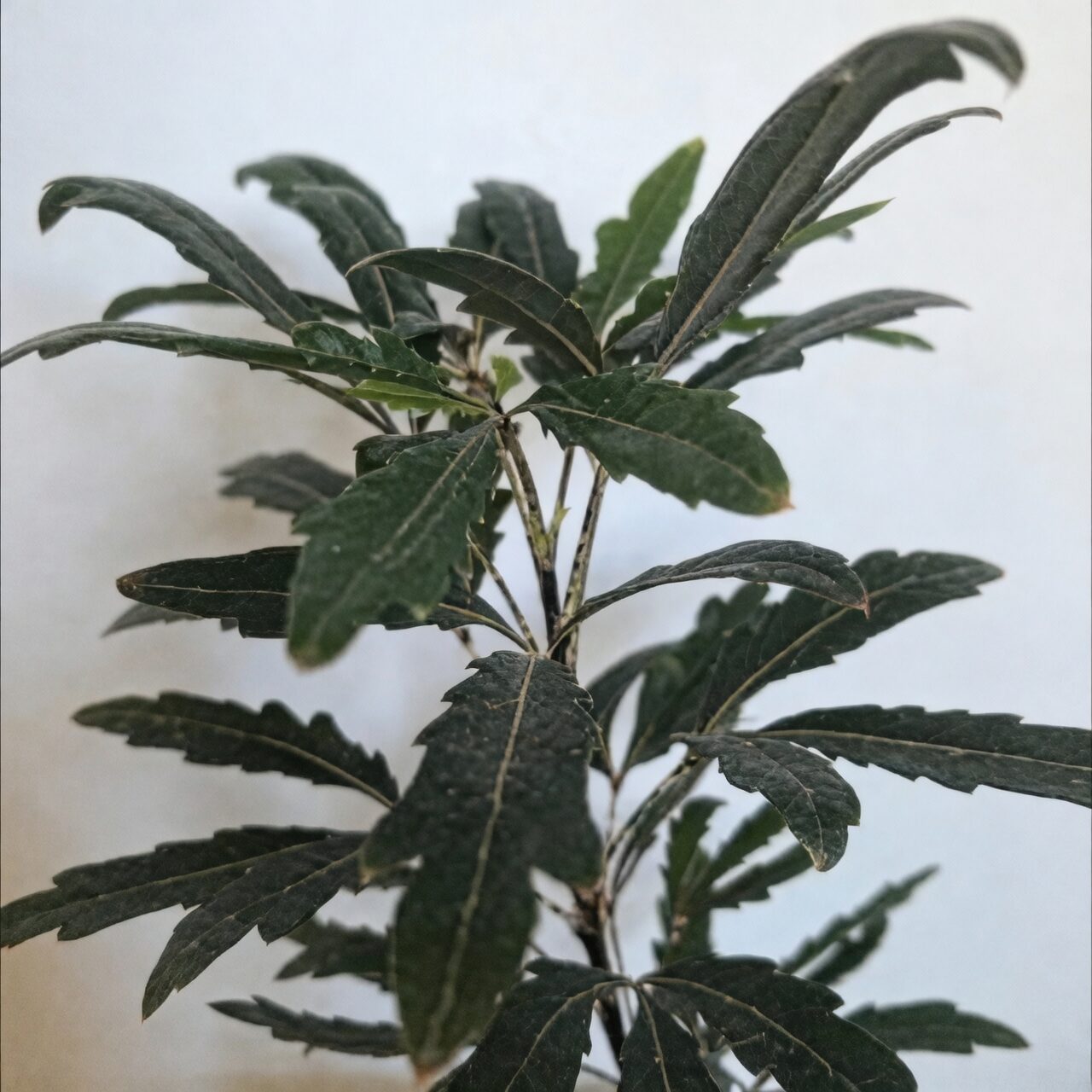
Tip: A well-proportioned, freshly pruned plant radiates a composed, upward energy. Think “rising fortune,” not “leggy ambition.”
Meet the plant: a quick botanical portrait
- Scientific name: Polyscias elegantissima
- Family/Genus: Araliaceae, Polyscias
- Common names: False Aralia, Aralia Elegantissima, Ming Aralia, Schefflera Elegantissima
- Origin: Madagascar
- Habit: Evergreen shrub to small tree; naturally fast-growing and can get leggy if unshaped
- Size:
- Indoors: typically 1–2 m (3–6.5 ft)
- Outdoors, frost-free climates: about 3–6 m (10–20 ft)
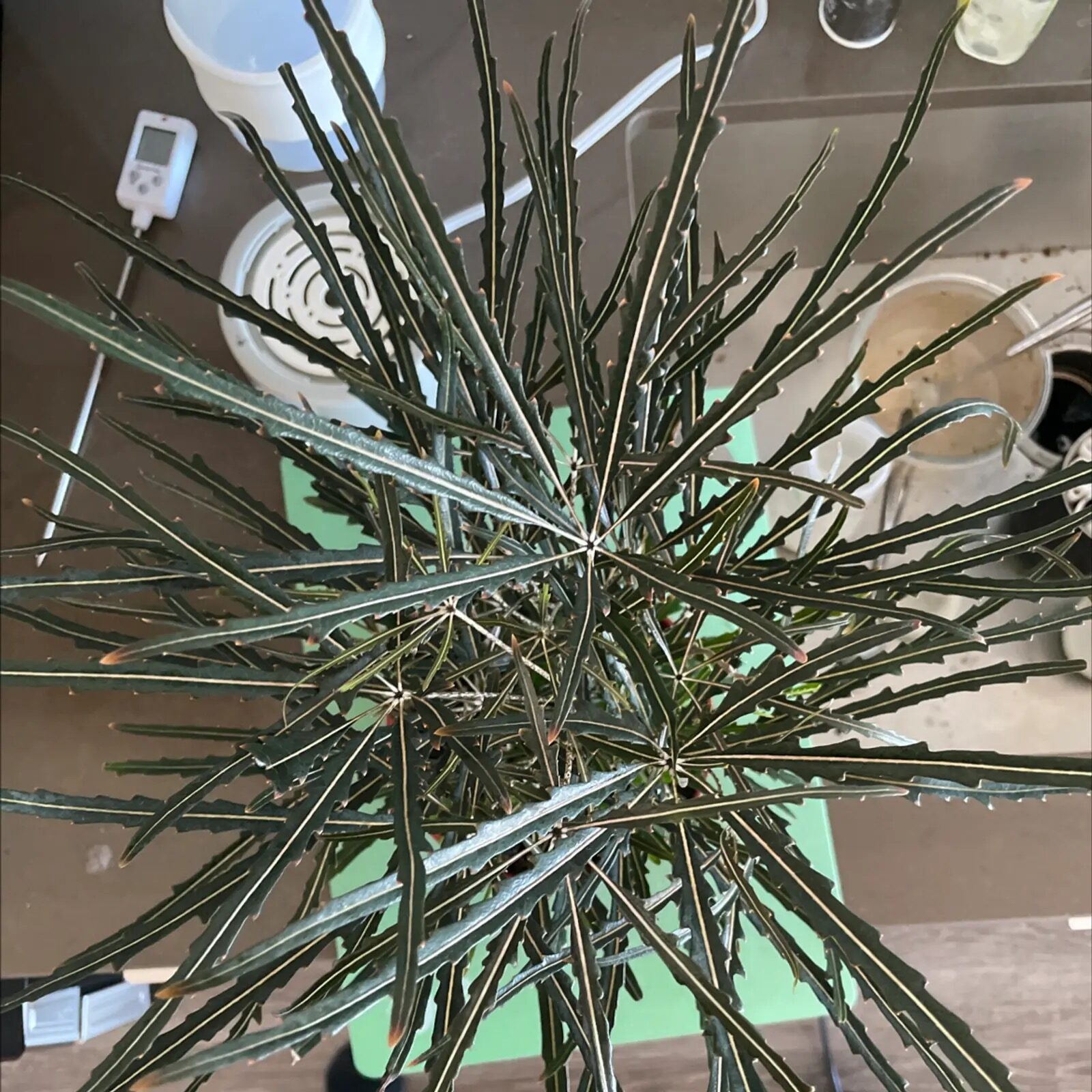
- Foliage: Narrow, deeply cut leaflets that create a fine, feathery silhouette; best in bright, filtered light
- Flowers: Small and inconspicuous, usually in summer; uncommon indoors
Care that keeps the good luck flowing
Light
- Bright, filtered light to partial shade. Avoid strong, direct sun that can scorch the leaf edges.
Temperature and humidity
- Ideal: 20–30°C (68–86°F).
- Keep above 13°C (55°F) in winter; around 8°C (46°F) or below can trigger damage and leaf drop.
- Humidity: Aim for 60%+ when possible. Mist in dry spells and lightly dampen nearby surfaces to boost local humidity.
Watering
- During active growth, keep the potting mix evenly and slightly moist.
- Avoid both waterlogging and wild swings from very dry to very wet.
- Winter: Water less; keep the mix just a touch drier (but not bone-dry for long periods).
Soil and potting
- Use a loose, well-drained mix: peat- or leaf-mold-based potting mix amended with coarse sand.
- Typical starter containers are 15–20 cm (6–8 in) in diameter; step up as the root mass fills out.
Feeding
- Feed monthly in the growing season with a balanced fertilizer (e.g., 20-20-20) or a well-diluted organic liquid feed.
- Pause feeding in winter.
Pruning for form and symbolism
- Lightly shape young plants to encourage a graceful silhouette.
- For older or over-tall plants, harder pruning is tolerated.
- To create a full, bushy crown:
- Early summer: cut stems back by about one-third.
- When new shoots appear, prune again.
- Repeat 2–3 times to promote dense branching.
Repotting and hardiness
- Repot in spring about every 2 years, stepping up one pot size.
- Frost-tender; best suited to approximately USDA Zones 11–12 outdoors.
Propagation
- Stem cuttings in spring: take 10–12 cm (4–5 in) semi-ripe tips, remove lower leaves, and root in very free-draining media (e.g., sand). Keep around 25°C (77°F) with high humidity; rooting often takes 3–4 weeks.
- Also possible: water-rooting, air layering, or seed (germinate at 19–24°C/66–75°F; usually sprout in 3–4 weeks; transplant at ~10 cm/4 in tall).
A simple seasonal calendar
- Spring: Repot (every ~2 years), take cuttings/sow seed; position near an east-facing window.
- Early summer: Prune back by about one-third to spur branching; repeat after new shoots.
- Spring–Autumn: Keep slightly moist, feed monthly; give ~70% shade in high summer; mist during dry spells.
- Winter: Keep above 13–15°C (55–59°F), water less, stop feeding, move to the brightest spot (often south-facing).
Choosing a fortunate specimen
- Look for sturdy stems, a well-balanced shape, and deep green, glossy leaves with no tears, bare patches, or pest signs.
- For variegated forms, choose plants with clean, bright patterning.
- After bringing it home:
- Place in bright, filtered light (an east-facing window with a sheer is ideal).
- Keep temperatures at or above 15°C (59°F).
- Maintain the mix slightly moist and raise humidity to ~60%+.
- Feed lightly only after you see fresh new leaves.
Troubleshooting: when the omens look off
- Sudden leaf drop: Often caused by cold drafts, temperatures below 13°C (55°F), or big swings between very dry and very wet soil.
- Scorched edges: Too much direct sun.
- Sparse, leggy growth: Insufficient light or lack of pruning.
- Pests: Watch for scale and aphids; treat early with insecticidal soap or horticultural oil, repeating as needed.
- Leaf spot: Remove affected leaves, improve airflow, avoid late-day overhead misting, and use an appropriate fungicide if necessary.
Safety note
Toxicity isn’t consistently confirmed across major references. To be safe, treat False Aralia as potentially irritating if chewed. Keep out of reach of children and pets, and wash hands after pruning.
Quick Q&A
- How do I make it bushier and fuller?
Prune in early summer, cutting stems back by about one-third. When new shoots appear, prune again. Doing this 2–3 times encourages branching for a much fuller look.
- What should I do right after bringing it home?
Choose bright filtered light, keep it above 15°C (59°F), maintain slightly moist soil, and boost humidity to ~60%+. Feed lightly once you see new growth.
Bringing the luck home
For symbolism, place your False Aralia where you’ll see and enjoy it—living rooms, bright windowsills, or a serene study. For its health, give bright, filtered light; steady warmth; modest, regular moisture; and an occasional shaping haircut. The result is a plant that looks perpetually “on the rise.” In Chinese, that’s 福禄桐; in any language, it’s the quiet elegance of good fortune made leafy.