Unveiling the Journey of Alocasia macrorrhizos: From Tropical Asia to Your Living Room
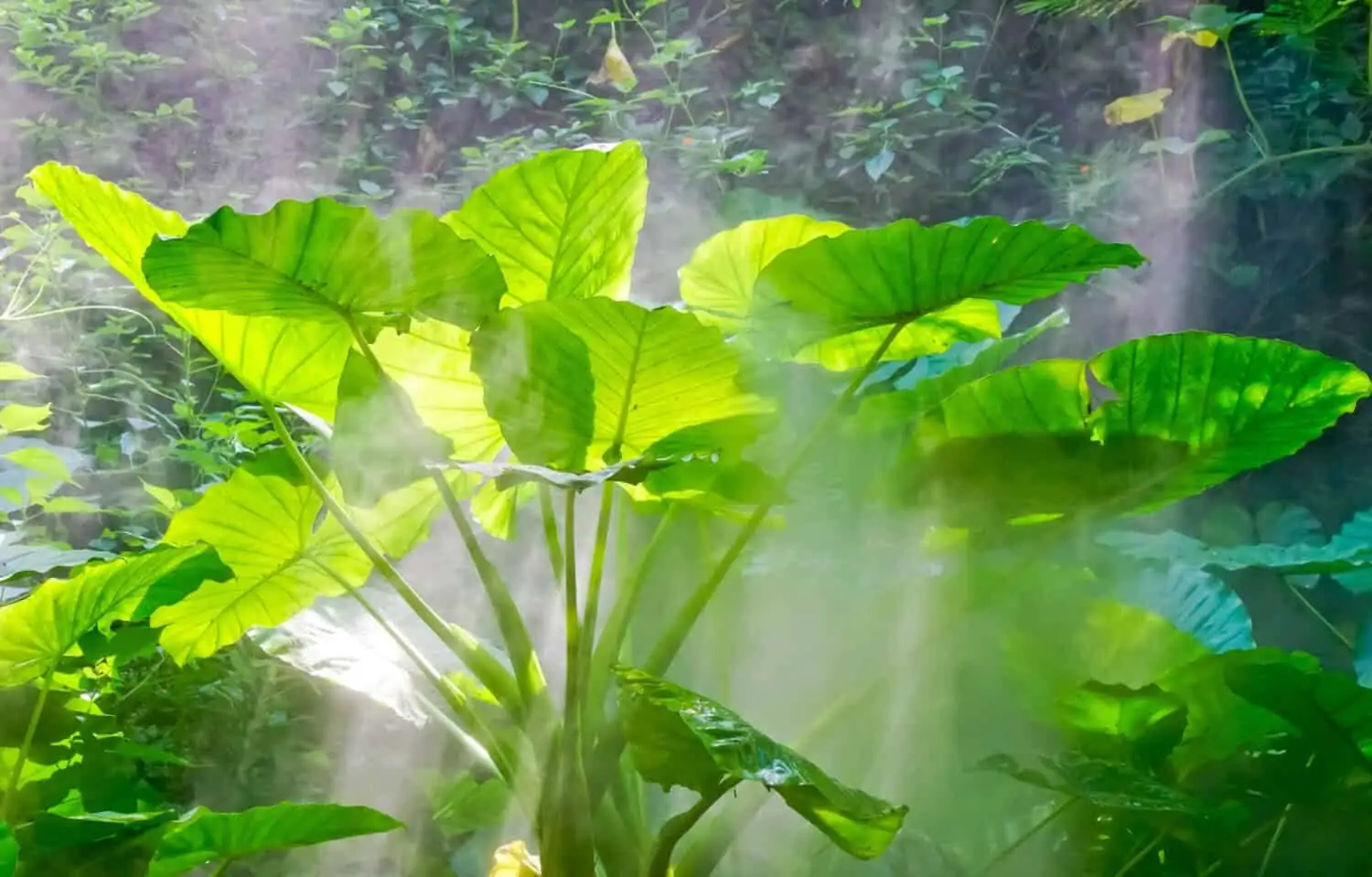
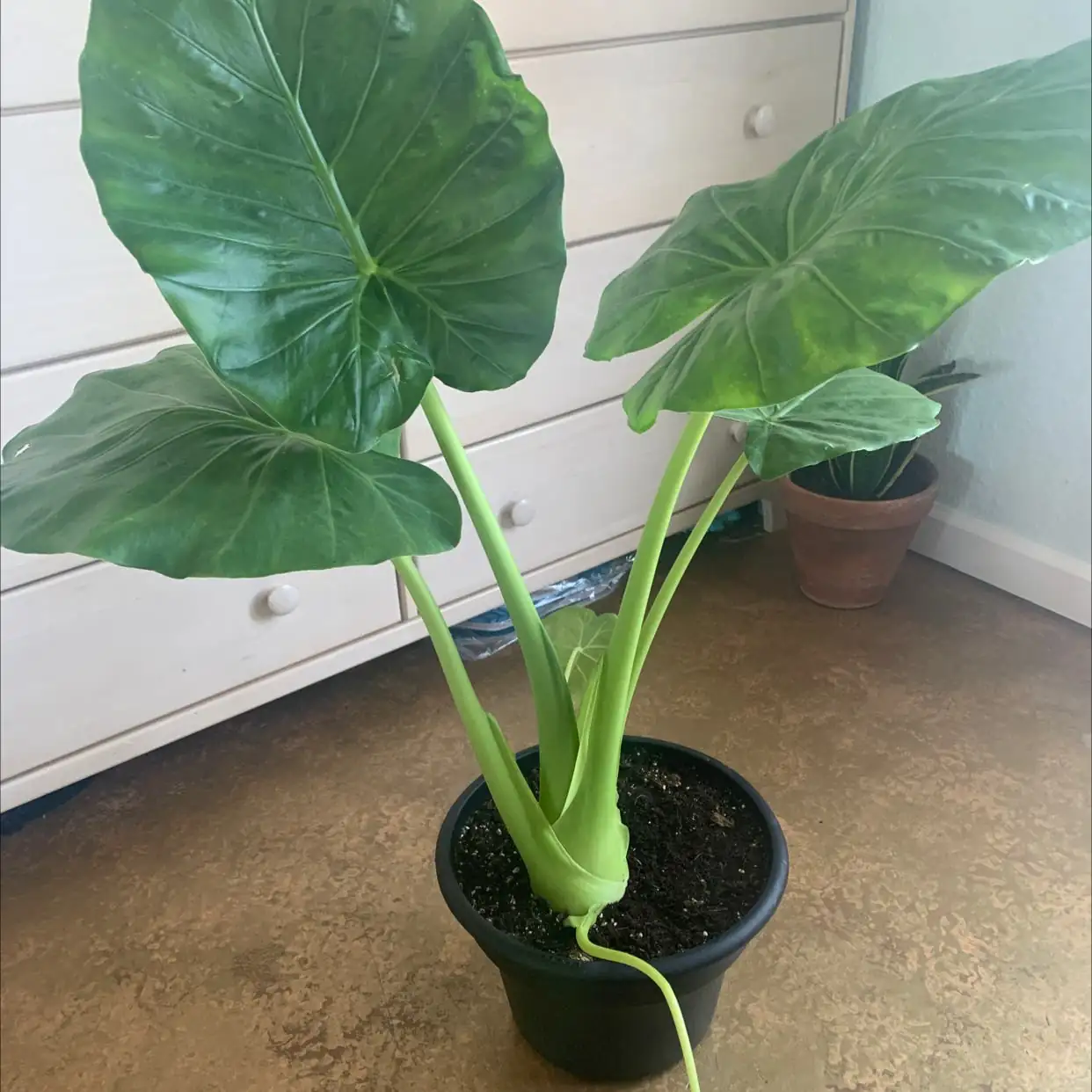
Imagine a plant so grand that its leaves stretch out like the ears of an elephant, providing an instant tropical ambiance to any room. This plant is none other than the Alocasia macrorrhizos, commonly known as the Giant Taro or Upright Elephant Ear. Its path from the lush rainforests of tropical Asia to a coveted spot in your home is a story as fascinating as its striking appearance.
A Botanical Odyssey
Alocasia macrorrhizos hails from the dense rainforests of Maritime Southeast Asia, New Guinea, and the Murray Islands group in the Torres Strait. Over centuries, it has traveled far beyond its native lands. This plant, with its colossal leaves and robust structure, has not only been a staple in tropical landscapes but has also ingrained itself in the cultural tapestry of the regions it has touched.
Historically, the Giant Taro was domesticated in the Philippines, where early Austronesians cultivated it. From there, it spread across Maritime Southeast Asia and Oceania, becoming a vital part of the diet and culture of Pacific Islanders. While primarily grown for its ornamental foliage today, its corms were once a crucial source of starch, akin to how we view potatoes.
The Plant That Commands Attention
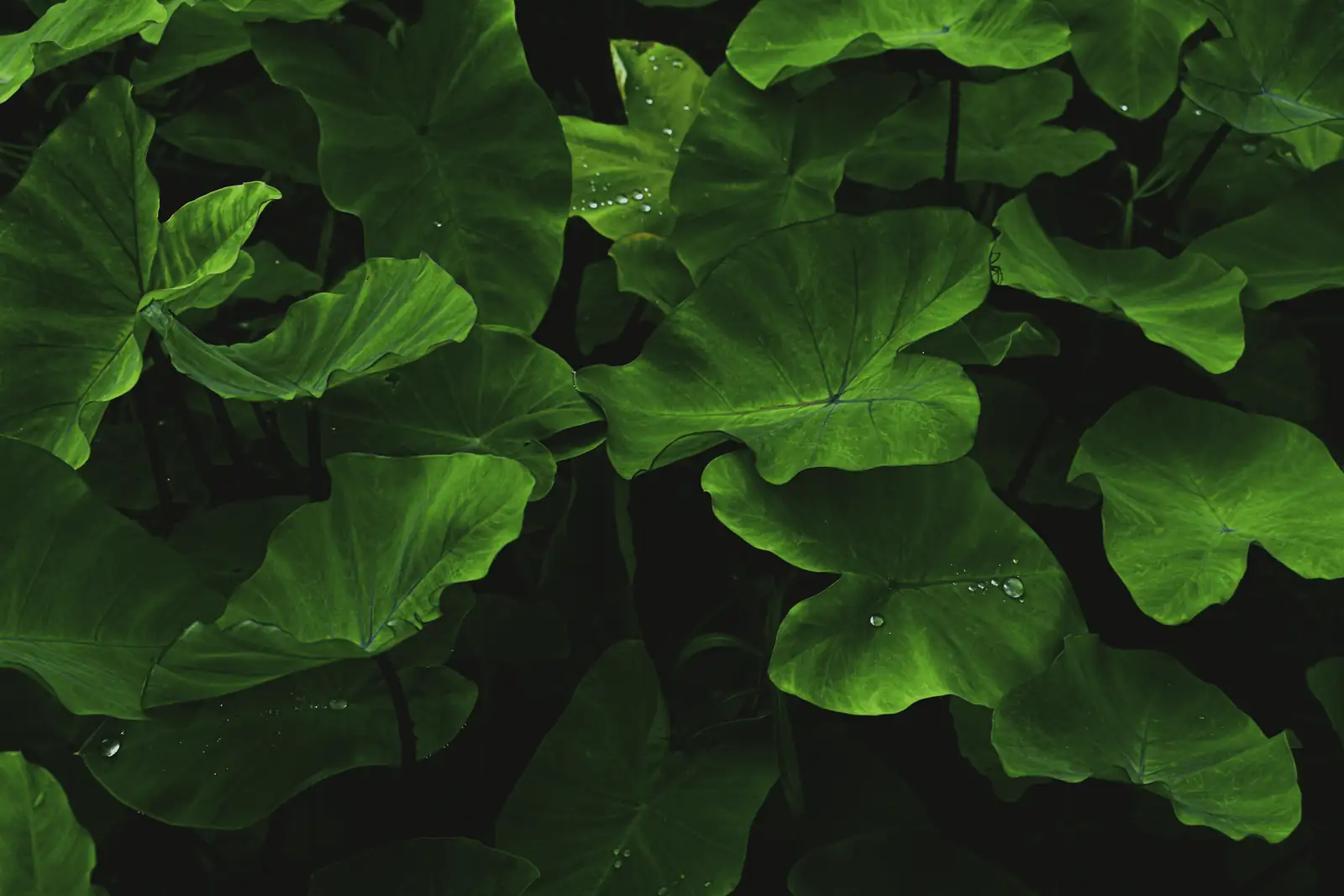
Why has Alocasia macrorrhizos become such a popular houseplant? Its allure lies in its majestic leaves, which can grow up to 6 feet long under optimal conditions. These leaves, with their glossy finish and prominent veining, resemble an artist’s brushstrokes on a vast canvas. Indoors, it typically stands between 4 to 8 feet tall, making it a striking centerpiece.
But beware, its beauty comes with a caveat. The plant’s milky sap contains calcium oxalate crystals, which can irritate the skin and are toxic if ingested. This trait adds a layer of mystery and caution to its care, akin to handling a precious artifact.
Creating the Perfect Habitat
To grow Alocasia macrorrhizos successfully, mimic its natural tropical environment. It thrives in bright, indirect light and high humidity, making it perfect for a sunny bathroom or a living room with filtered light. However, it detests the harsh midday sun, which can scorch its leaves, much like how too much sunburn can damage our skin.
Key Care Tips:
- Light: Bright, indirect light or partial shade.
- Humidity: Prefers 70–80% humidity. Use a humidifier or pebble tray if needed.
- Soil: A rich, moisture-retentive mix that remains airy.
- Watering: Keep the soil evenly moist but not waterlogged. Adjust frequency based on season.
A Symbol of Resilience and Growth
In many cultures, Alocasia macrorrhizos symbolizes resilience and growth due to its ability to thrive in diverse environments and its rapid growth rate. This symbolism makes it an excellent gift for someone embarking on a new journey or overcoming challenges.
The Giant Taro’s Place in Modern Homes
Today, Alocasia macrorrhizos is cherished not just for its beauty but for the sense of tranquility it imparts. As you place it in your home, imagine the journey it has undertaken from tropical forests to become a beloved indoor spectacle. Its grandeur and history remind us of the interconnectedness of nature and culture, making it more than just a plant, but a living piece of history.
Incorporate this giant into your home, and let it inspire you with its story of adaptation and beauty. Whether you’re a seasoned plant enthusiast or a newbie, the Giant Taro offers a lush piece of the tropics, right in your living room.