From Wild to Window: The Journey of Phalaenopsis Orchids
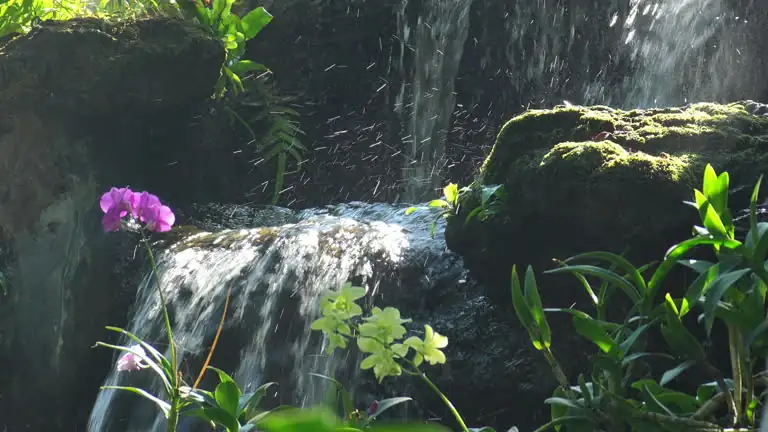
Imagine wandering through the lush, tangled canopies of a tropical jungle, where the air is thick with humidity and the scent of exotic flowers lingers. Here, nestled high among tree branches, are the Phalaenopsis orchids—nature’s masterpiece, often resembling the delicate flutter of a moth. But how did these botanical wonders transition from the wilds of Asia and Australia to the cozy confines of our living rooms?
The Wild Origins of Phalaenopsis
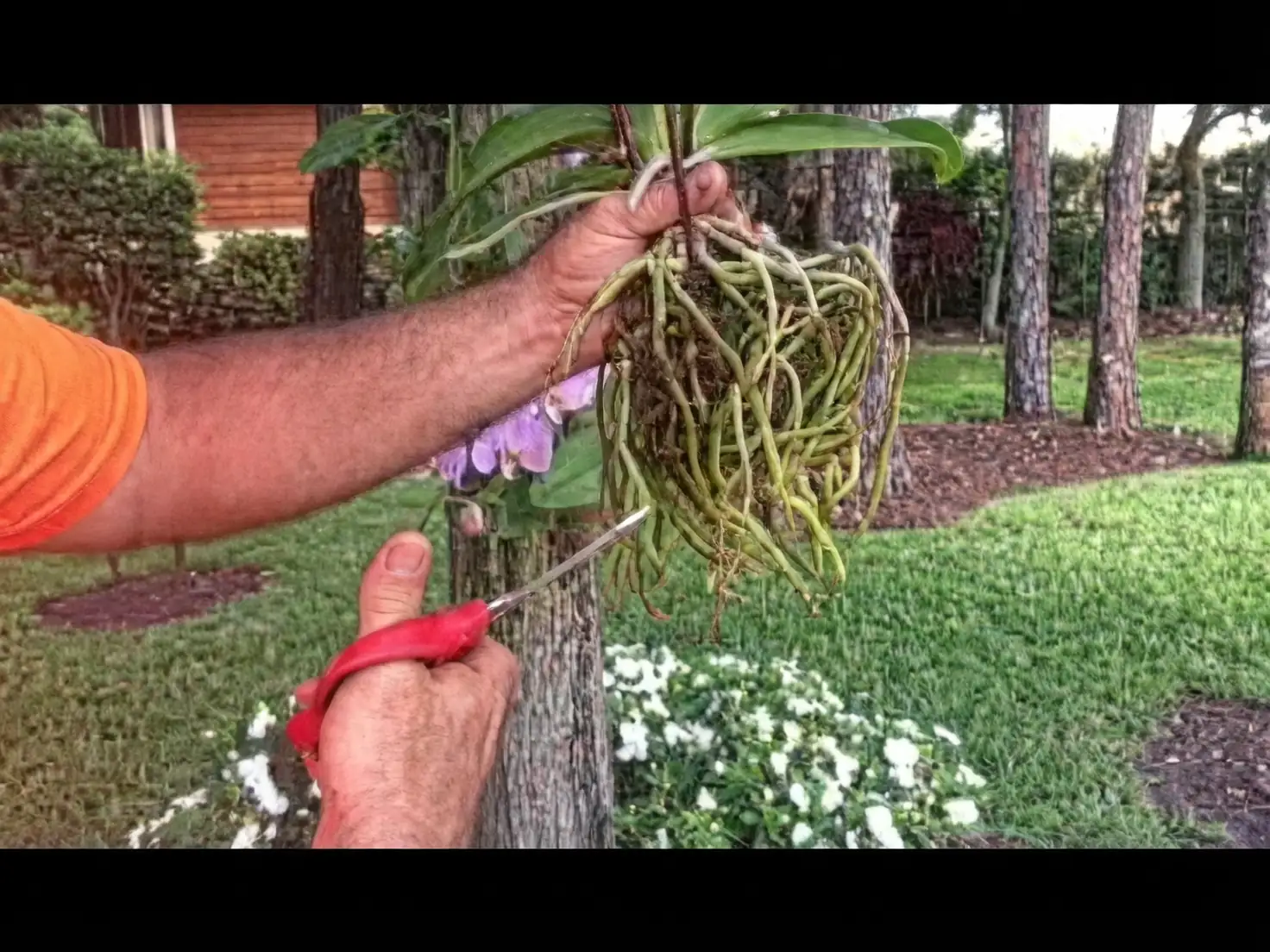
The genus Phalaenopsis, commonly known as the Moth Orchid, is native to the humid, tropical regions of Asia, stretching from the Himalayan foothills to the verdant landscapes of northern Australia and the scattered Pacific islands. These orchids thrive as epiphytes, clinging to the bark of trees with their showy aerial roots, capturing moisture and nutrients from the air—a testament to their adaptability and resilience.
The name Phalaenopsis derives from Greek: “phalaina” meaning moth and “opsis” meaning appearance, aptly describing the way their blooms mimic the graceful flight of moths. This enchanting resemblance first caught the eye of German-Dutch botanist Dr. Karl Ludwig Blume in 1825, who subsequently introduced them to European horticulture.
The Rise of Orchid Mania
Fast forward to 19th-century Europe, where an insatiable fervor for orchids, dubbed “orchid mania,” swept through the continent. These exotic plants became the jewels of collectors’ greenhouses, symbolizing wealth and prestige. The Phalaenopsis orchids, with their elegant, long-lasting blooms, quickly captured the hearts of enthusiasts, shifting from a challenging horticultural endeavor to a beloved staple in gardens and homes.
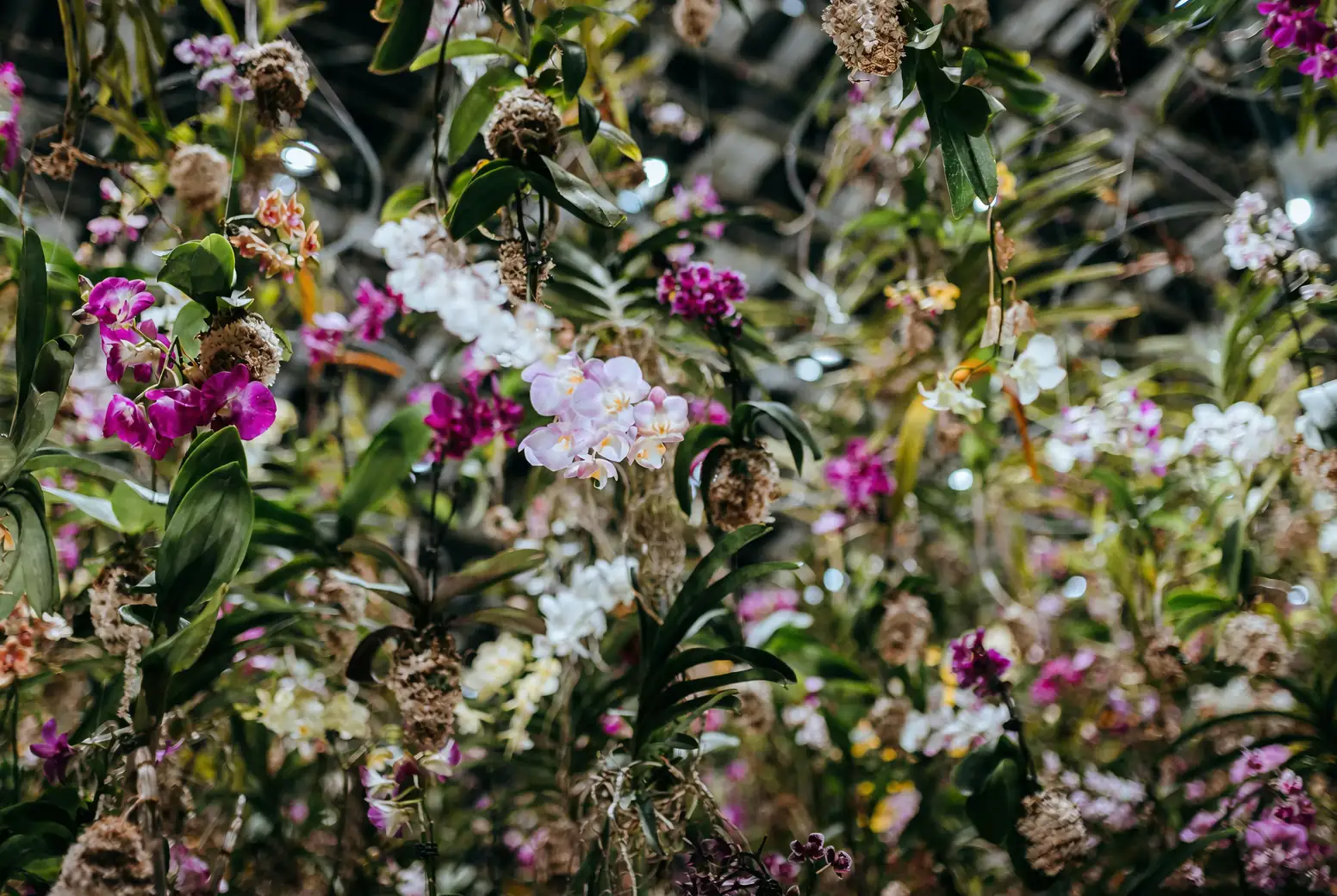
This transition was no small feat. Early cultivation methods posed significant challenges, but advances in horticultural techniques, particularly in light management and feeding, made it possible for these orchids to thrive indoors. Breeding innovations also played a crucial role, enhancing the Phalaenopsis’ robustness and bloom longevity, making them more accessible to novice gardeners.
From Greenhouses to Your Living Room
Today, Phalaenopsis orchids have become synonymous with indoor elegance. Their wax-smooth petals and intricate patterns offer a living tapestry of color—ranging from pure whites to vibrant purples, soft pinks, and even captivating multicolors. Unlike many other orchids, Phalaenopsis are particularly forgiving, capable of thriving in the ambient conditions of most homes.
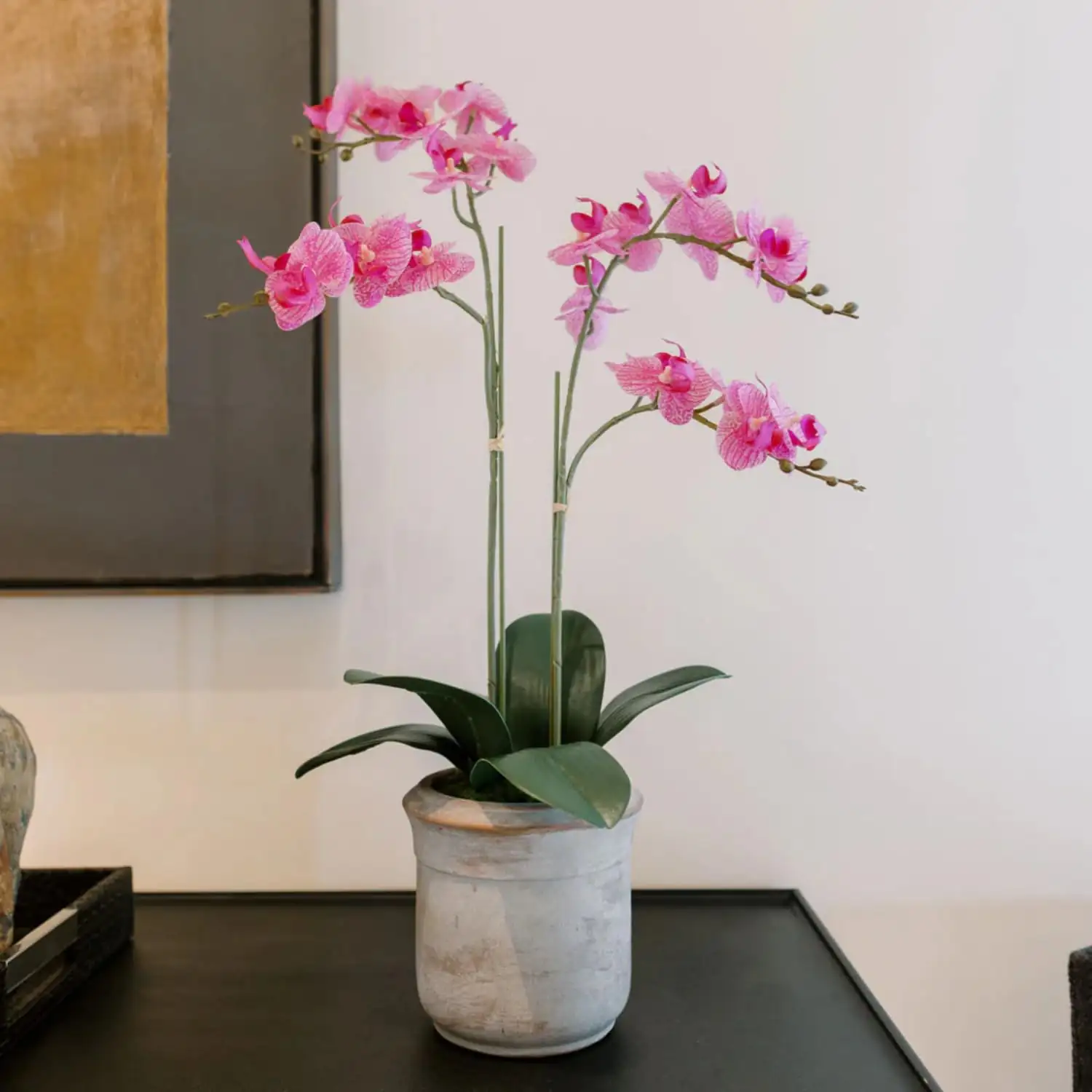
Their care is straightforward yet rewarding. They favor bright, indirect light—imagine the dappled sunlight of their native forest habitat—and flourish in temperatures between 18–27°C (64–81°F). While they enjoy moderate to high humidity, they are adaptable enough to manage in less-than-tropical homes, as long as their roots receive ample air and moisture.
The Language of Orchids
In the world of flowers, orchids hold a special place in the language of love and admiration. Throughout history, they have symbolized beauty, elegance, and luxury. In Chinese culture, orchids represent nobility, friendship, and harmonious relationships. Each bloom tells a story: white for purity and grace, pink for affection and joy, purple for admiration and respect.
Cultivating Your Own Piece of Paradise
For those looking to bring a touch of the exotic into their homes, the Phalaenopsis orchid offers an ideal introduction to the world of orchids. They are not just plants; they are living art pieces that can transform any space into a serene oasis.
When selecting a Phalaenopsis, look for plants with firm, green leaves and plump, healthy roots. Once home, water them thoroughly but infrequently—allow the medium to approach dryness before watering again. This balance prevents the most common pitfalls of orchid care: overwatering and root rot.
Conclusion
From their wild origins in tropical canopies to becoming cherished indoor companions, the journey of Phalaenopsis orchids is a testament to nature’s resilience and beauty. Whether you are a seasoned grower or a curious novice, these captivating orchids offer an opportunity to connect with the natural world and enjoy the simple elegance of a bloom that whispers the secrets of the rainforest.