
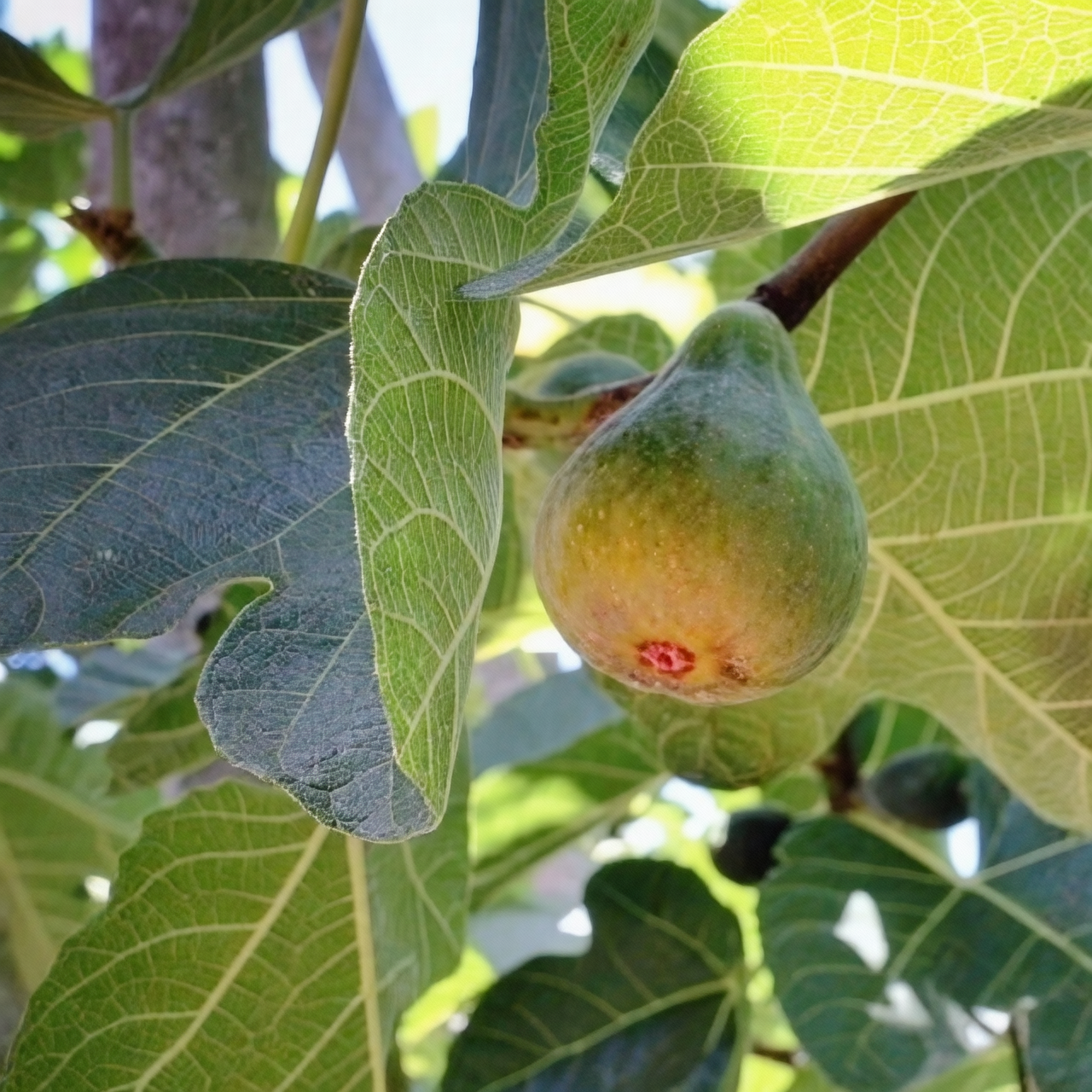
Imagine a warm afternoon under a fig’s broad, lobed canopy. The fruit hangs like little lanterns, some standing proud and firm, others drooping on supple necks with a glisten of nectar at the eye. That’s your cue. With Ficus carica—the Common Fig—learning the signs is everything. Once you can read droop, softness, and the telltale “honey drop,” your harvests transform from merely good to truly unforgettable.
Below, you’ll find a fig whisperer’s guide to ripeness cues, gentle handling and storage, and a clear, practical nutrition compare of fresh vs. dried figs for home harvesters.
Meet Ficus carica in a (fig) shell
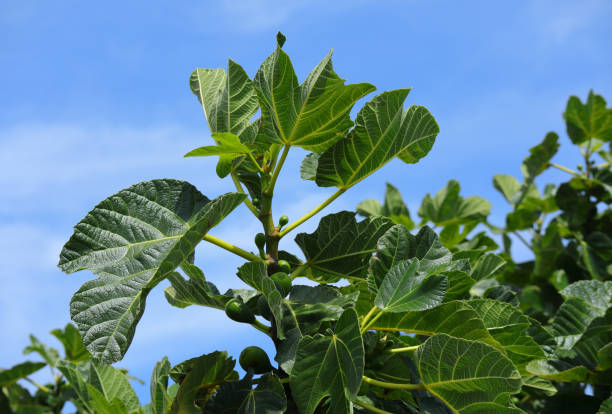
- An ancient, beginner-friendly fruit tree: deciduous, self-fertile, and delightfully forgiving once established.
- Its “flowers” are hidden; figs are syconia—inside-out inflorescences that swell into the sweet fruit we eat.
- Thrives in full sun and warm summers; many cultivars set fruit without pollination. Some produce two crops: an early “breba” on last year’s wood, and a main crop later on new growth.
The language of a ripening fig: droop, softness, and the “honey drop”
Think in senses: sight, touch, scent, and a small taste test if you’re unsure.
Sight: what your eyes should catch first
- Color shift (variety-dependent): Many figs turn brown to purple as they ripen (e.g., ‘Brown Turkey,’ ‘Chicago Hardy,’ ‘Celeste’). Others (e.g., ‘Kadota,’ ‘LSU Gold’) stay greenish when ripe, so don’t rely on color alone.
- The droop: Unripe figs stand out firmly from the branch. As ripening advances, the neck softens and the fruit hangs downward—a relaxed “hanging man” posture.
- Gentle wrinkling or micro-cracks: A lightly rumpled skin can indicate concentrated sugars and peak flavor. Deep splits after rain, however, mean pick promptly to avoid spoilage.
- The “honey drop”: A glistening amber bead at the ostiole (the eye at the fig’s end) often signals high sugars and readiness.
- After harvest cue: Truly ripe figs often detach cleanly. If you see the tree or the fig’s stem bleeding white latex sap at removal, it was likely a bit early.
Touch: how ripe should feel
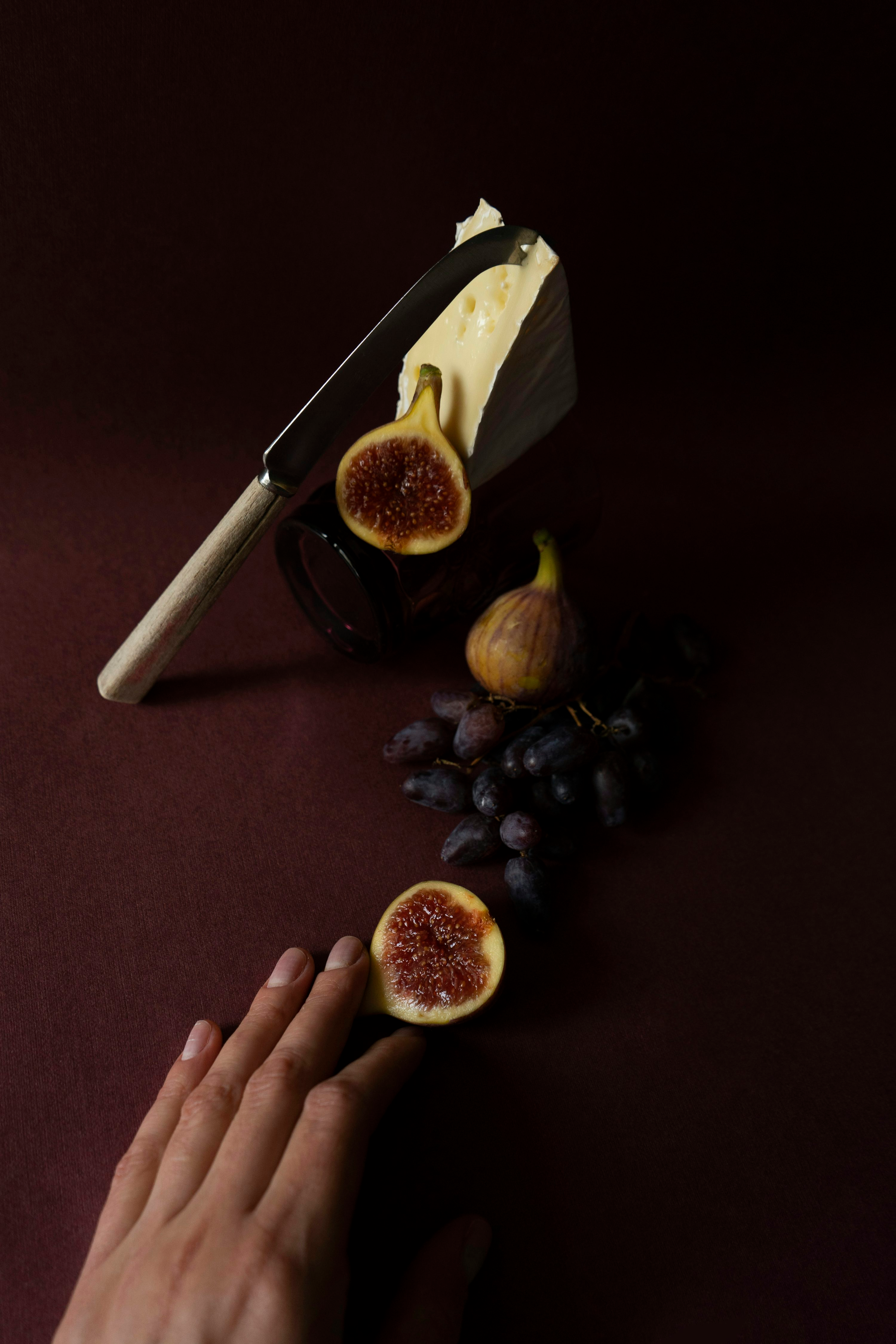
- Press like you would a perfectly ripe peach. A ready fig is soft, with a pliable neck; unripe fruit feels rubbery-firm and springs back.
- The best ones often feel heavy for their size—jammy within.
Scent and taste: the final tie-breakers
- Aroma: Ripe figs smell warm and jammy. Little to no scent often equals not-ready.
- Taste: If you’re in doubt, sample one. Underripe figs taste bland and slightly resinous; ripe figs are lusciously sweet and silky.
Red flags for “too late”
- Fermented or boozy aroma, overly collapsed fruit, visible mold near the eye—these are past peak.
Harvest like a pro
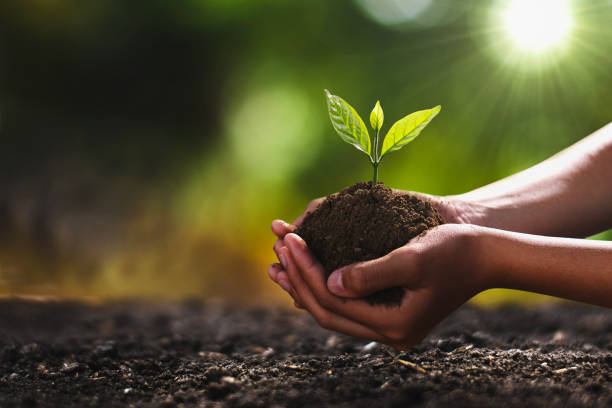
- Check daily in season. Figs can go from “nearly there” to “perfect” in 24–48 hours.
- Pick in the cool of morning. Cradle the fruit in your palm and lift gently up and slightly back; ripe figs should release with minimal effort.
- Honey drop strategy: If a bead appears, you’re usually in the window. In hot, dry weather, waiting another day can deepen flavor—unless birds, insects, or rain threaten.
- Breba vs. main crop: Brebas often ripen earlier and can be larger but may be fewer; main-crop figs come later and often deliver your bulk harvest.
Handling without heartbreak
- Mind the latex: The milky sap from leaves, stems, and unripe fruit can irritate skin. Wear gloves if you’re sensitive and avoid getting sap in your eyes.
- Keep it single-layer: Place just-picked figs in a shallow tray or basket, stem-side up, without stacking. They bruise easily.
- Don’t wash until serving. Moisture shortens their already-brief storage life.
- Shade immediately: Keep harvests out of direct sun to preserve texture and flavor.
Storage: fresh figs are sprinters; dried figs are marathoners
Fresh figs (short-term)
- Refrigerate immediately in a single layer, loosely covered, with good airflow. Ideal fridge temp is cold (about 32–36°F / 0–2°C).
- Eat within 1–3 days. Bring to room temperature before serving for the fullest flavor.
- Freezing: For smoothies and baking, freeze halved figs on a tray, then bag. Expect a softer texture after thawing.
Drying figs (long-term at home)
- Halve or leave small figs whole. Dry in a dehydrator at low heat until leathery-pliable with no surface moisture beads.
- “Condition” after drying: Pack loosely in a clean jar for about a week, shaking daily to equalize moisture. If condensation appears, dry a bit more.
- Store airtight in a cool, dark place for several months; refrigerate or freeze to extend shelf life. Always label with date, and check periodically for off-odors or mold.
Fresh vs. dried figs: the nutrition compare you can use
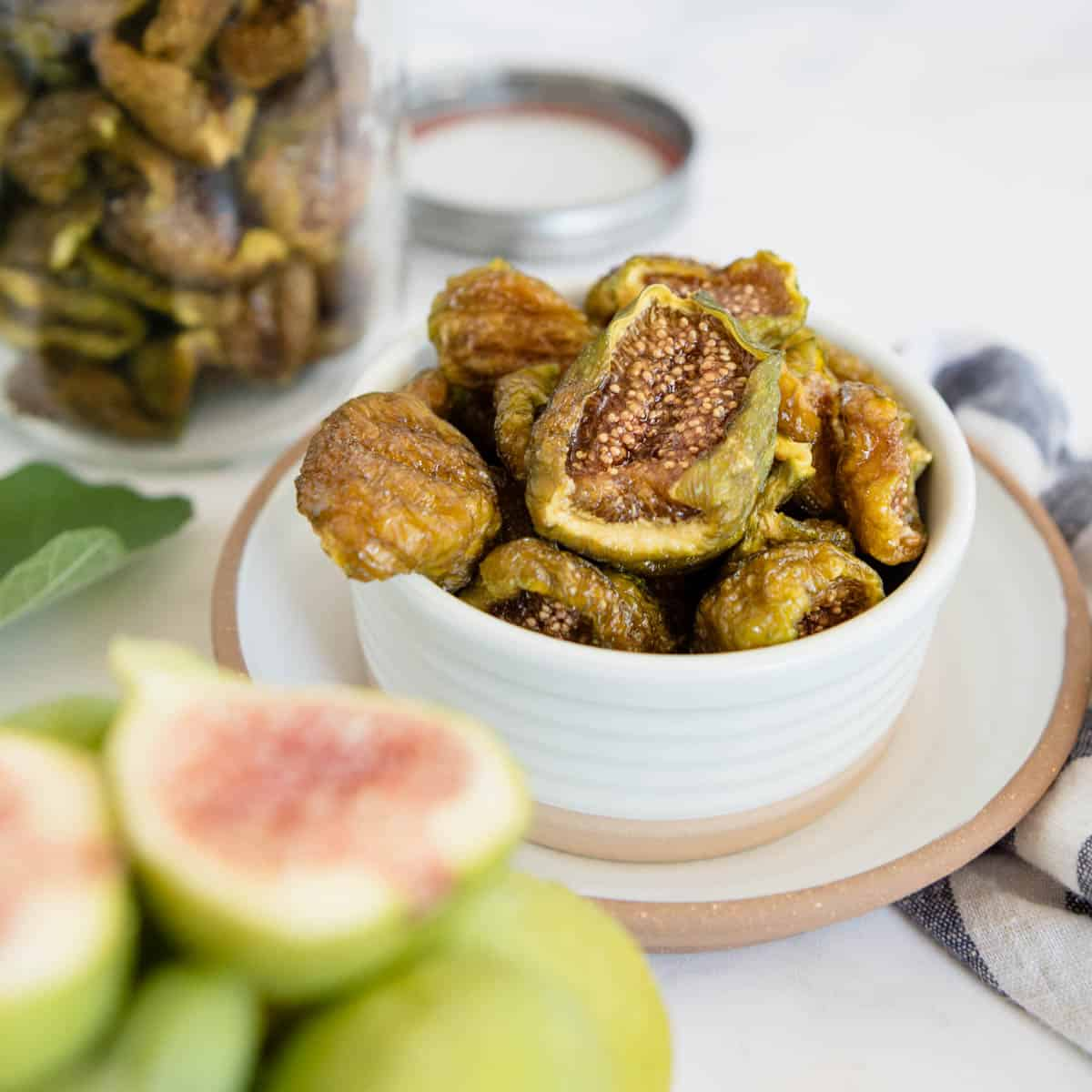
Because dried figs have much less water, their natural sugars, fiber, and minerals are more concentrated by weight.
Per 100 g, approximate nutrition:
- Fresh figs (about 3–4 medium figs):
- ~74 kcal
- ~19 g carbohydrates
- ~3 g fiber
- ~0.3 g fat
- ~0.75 g protein
- Potassium ~242 mg; Calcium ~35 mg; Magnesium ~17 mg
- Dried figs (values vary by brand, typical range per 100 g):
- ~240–260 kcal
- ~60–65 g carbohydrates
- ~9–10 g fiber
- ~0.9–1.2 g fat
- ~3–4 g protein
- Potassium ~650–750 mg; Calcium ~150–170 mg; Magnesium ~60–70 mg
What this means for you:
- Calories and carbs: Dried figs pack about 3–4× the sugars and calories of fresh per 100 g, simply because the water is gone. Great for quick energy; watch portions if you’re tracking sugar intake.
- Fiber: Dried figs roughly triple the fiber per weight—useful for digestion and satiety.
- Minerals: Potassium, calcium, and magnesium are all more concentrated dried. Fresh figs still offer meaningful amounts with the bonus of hydration.
- Hydration and heat: After a hot harvest, fresh figs are refreshing and light. For hikes or training, dried figs are compact, energy-dense fuel.
- Portion pointers:
- Fresh: Enjoy 2–4 figs as a snack.
- Dried: A small handful (about 30 g) makes a satisfying, mineral-rich bite.
Tip: If buying packaged dried figs, check labels. Some brands add sweeteners; many don’t. Choose plain, unsweetened for the pure fig flavor and natural nutrients.
Troubleshooting ripeness and quality
- They color up but won’t soften:
- Check sun and heat—ripening slows in cool spells.
- Thin heavy sets so the tree can size and sweeten the remainder.
- Keep soil moisture steady (especially in containers) while fruit is swelling.
- Fruit splitting after rain:
- Harvest those with micro-cracks before storms.
- Mulch for even moisture; avoid big irrigation swings near ripening.
- Birds and wasps arrive right on cue:
- Net trees early, or grow some “green-when-ripe” cultivars to fool casual raiders.
- Harvest daily once the droop-and-softness stage begins.
Quick variety notes for reading cues
- Color shifters (e.g., ‘Brown Turkey,’ ‘Chicago Hardy,’ ‘Celeste’): Look for color change plus droop, softness, and aroma.
- Green-when-ripe (e.g., ‘Kadota,’ ‘LSU Gold’): Rely on droop, softness, slight wrinkling, and the honey drop—not color.
- Visual bonus sign: Many perfectly ripe figs detach without the stem dripping white latex. If you see latex, it was likely a tad early.
A small cultural note
Figs have symbolized abundance, fertility, and peace for millennia across the Mediterranean and Western Asia. It’s a fitting emblem for a tree that bears generously with very little fuss—and for the quiet luxury of eating sun-warmed fruit right where it grew.
Your fig harvest game plan, in one glance
- Read the droop, feel for peach-like softness, watch for a honey drop.
- Pick in the cool morning; handle with a gentle, single-layer touch.
- Eat fresh figs within a couple of days; dry the rest for long-term, portable sweetness.
- Choose portions to match your goals: fresh for hydration and lightness; dried for fiber, minerals, and energy density.
Grow a fig once, and you’ll wonder how you ever lived without that daily ripeness ritual. A quick squeeze, a glint of amber, a soft lift—and there it is: perfection in the palm of your hand.