The Journey of Buddleja davidii: From Chinese Mountains to Worldwide Gardens
Imagine a plant that embodies resilience and beauty, a magnet for butterflies, and a symbol of hope. This is Buddleja davidii, often known as the Butterfly Bush—a plant with roots tracing back to the serene mountain slopes of central China, now gracing gardens across the globe.
Origins: The Wild Beginnings
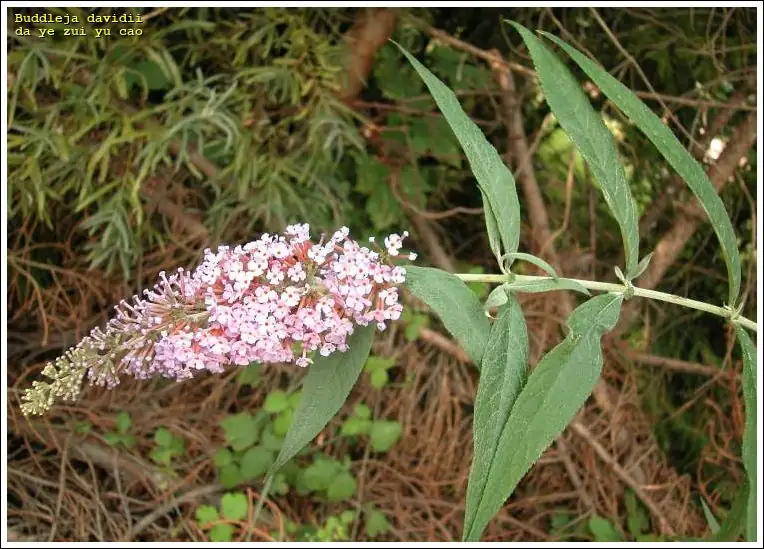
Buddleja davidii is native to the lush landscapes of central China, particularly the Sichuan and Hubei provinces. Here, it thrives in thickets on mountain slopes, forest clearings, and rocky stream banks at elevations ranging from 200 to 2700 meters. Imagine these bushes dotting the rugged terrain, their arching stems and vibrant blooms adding splashes of color against the backdrop of towering peaks.
The plant’s name pays homage to the adventurous spirit of French missionary Père Armand David, who first introduced the species to the Western world in the late 19th century. His explorations in China not only brought back specimens of this fascinating shrub but also opened the door for its global journey.
A Global Traveler: From China to Your Garden
Why has Buddleja davidii become a beloved fixture in gardens worldwide? The answer lies in its captivating characteristics. This deciduous shrub is a vigorous grower, reaching heights of 1.8 to 3.7 meters (6 to 12 feet) and occasionally stretching up to 4.6 meters (15 feet). Its leaves, sage green on top and softly fuzzy beneath, provide a lush backdrop for the plant’s real stars—its flowers.
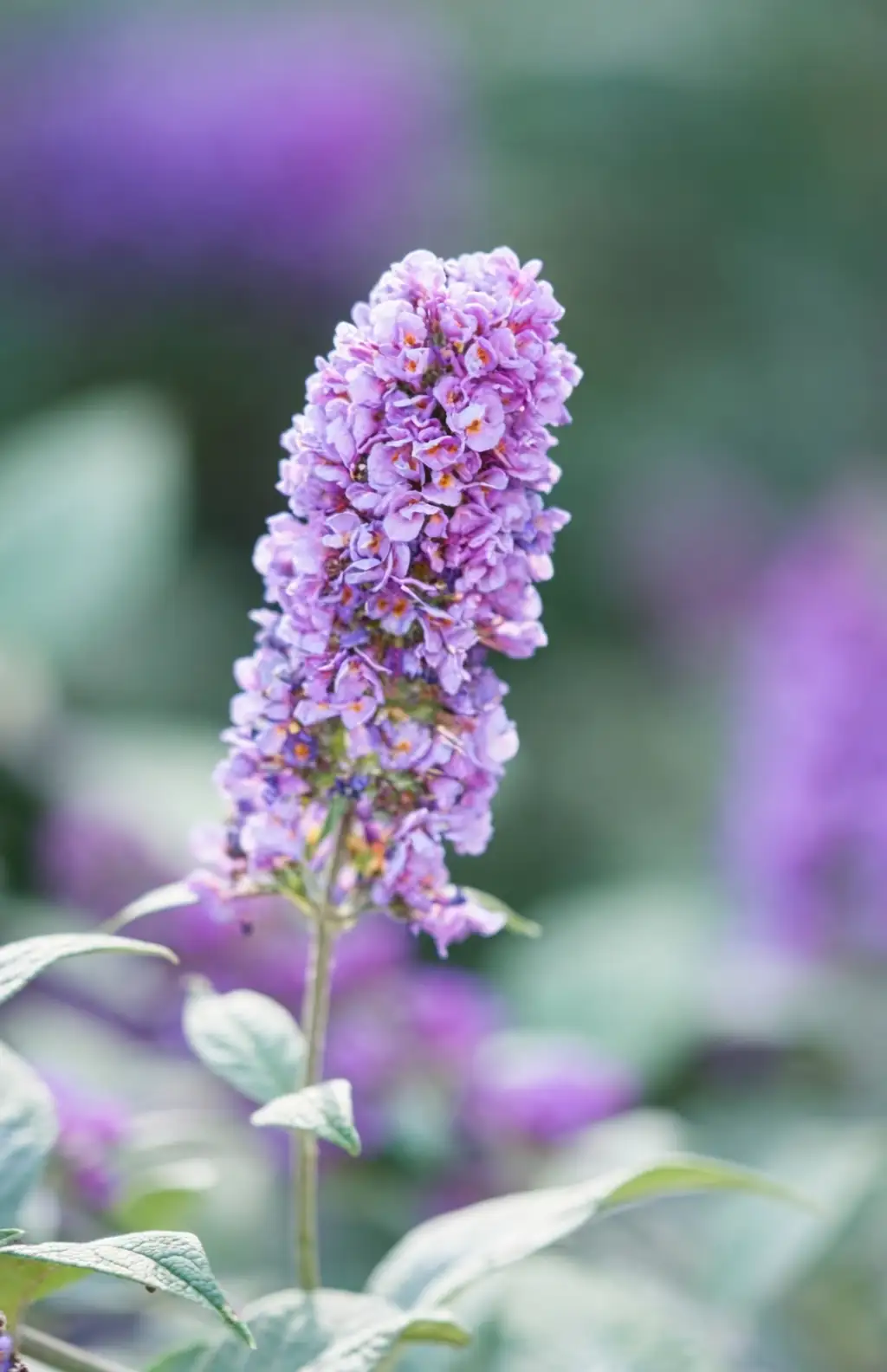
These flowers, arranged in long, cone-shaped panicles, are a sight to behold. Typically lilac to purple with a striking orange eye, they bloom from early summer to fall, often persisting until the first frost. But it’s not just their beauty that captivates; these sweetly fragrant blooms are rich in nectar, drawing in butterflies, bees, and other pollinators like a magnet.
The Butterfly Magnet
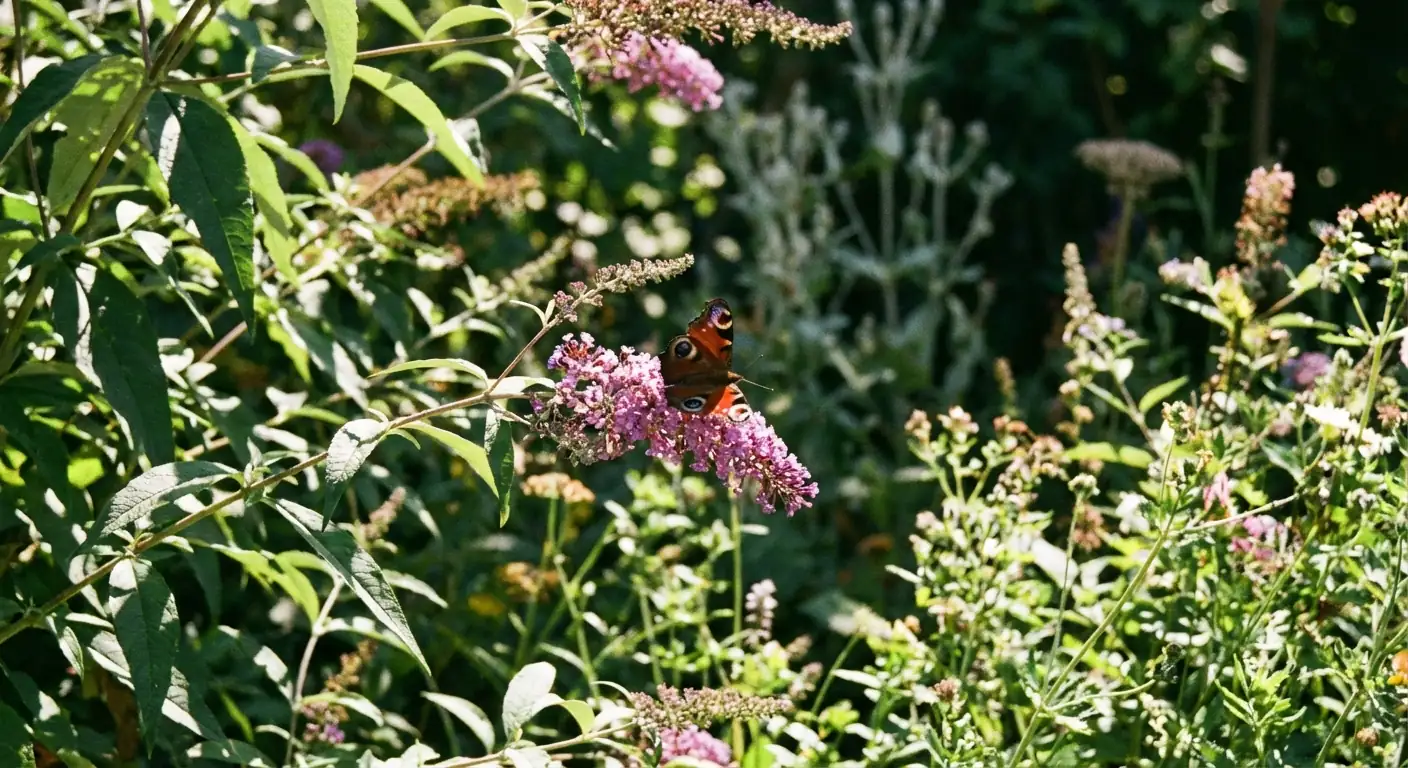
Buddleja davidii is aptly named “Butterfly Bush” for its role in attracting these delicate creatures. While it provides a feast for adult butterflies, it’s important to note that it doesn’t generally support caterpillars. For a truly butterfly-friendly garden, pair it with native host plants that caterpillars need to complete their life cycle.
Symbols of Resilience
The Butterfly Bush is not just a pretty face; it carries a deeper meaning. In the language of flowers, it symbolizes transformation, rebirth, and hope. This symbolism is fitting for a plant that rebounds vigorously even after being cut back, flourishing anew with each passing season.
Its resilience has been historically noted in post-World War II Britain, where it earned the nickname “bombsite bush” for its ability to colonize bomb-damaged lots—turning destruction into beauty.
Cultivation and Care
Cultivating Buddleja davidii is a gardener’s delight, thanks to its forgiving nature. It thrives best in full sun, requiring 6 to 8 hours of sunlight daily. While it prefers well-drained soil with a slightly acidic to neutral pH, it can tolerate clay if drainage is improved.
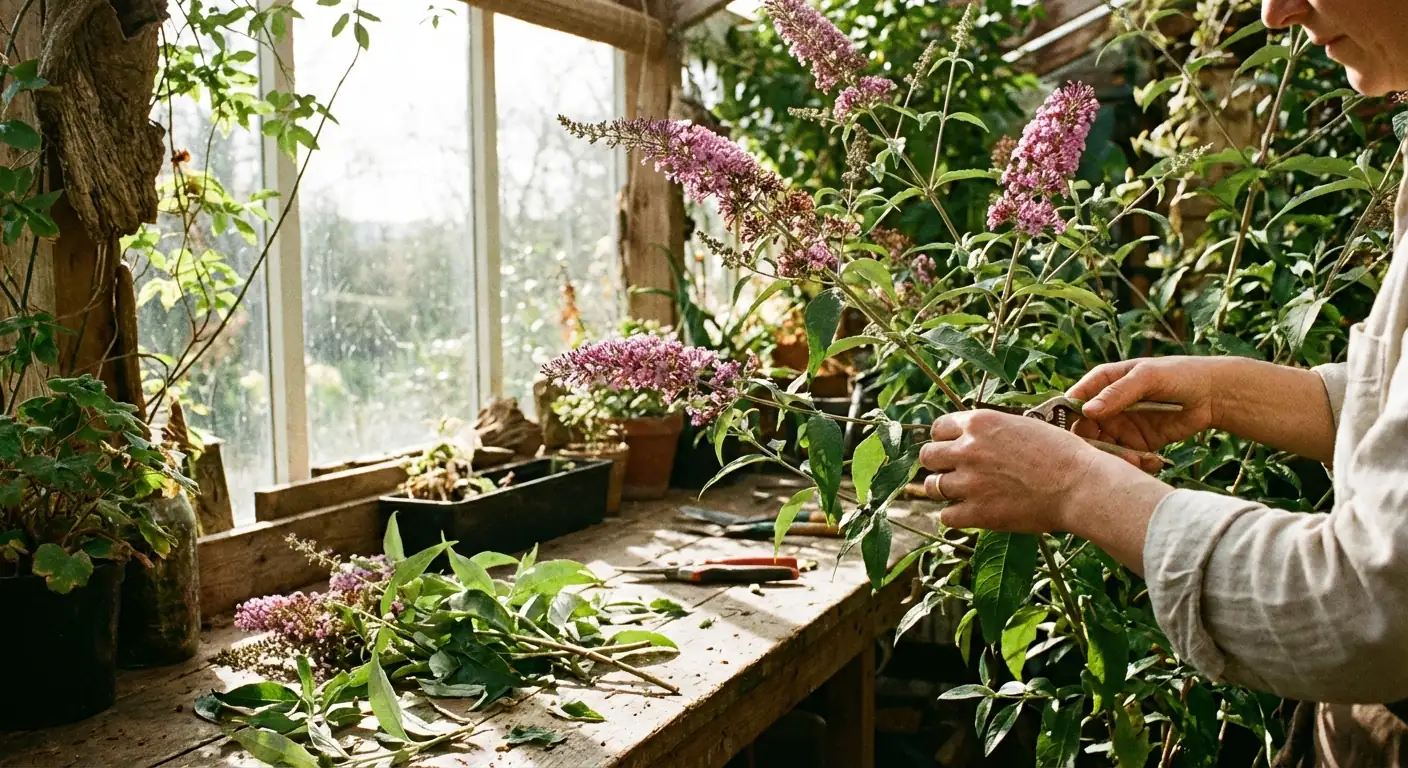
Once established, this hardy plant is drought-tolerant and generally pest-free, although occasional issues with spider mites or nematodes can arise. Pruning in spring encourages vigorous growth and enhances blooming, while deadheading throughout the season prolongs the flower display.
The Invasive Conundrum
Despite its many charms, Buddleja davidii is not without controversy. In some regions, particularly the Pacific Northwest of the United States, it has become invasive, spreading aggressively and outcompeting native flora. Gardeners in these areas are encouraged to choose sterile or seedless cultivars and to diligently deadhead spent blooms to prevent self-seeding.
A Plant with a Mission
Buddleja davidii is more than just a garden favorite. It’s a testament to the power of nature to adapt and thrive across diverse environments. As you cultivate this plant, you’re not just adding beauty to your garden; you’re participating in a global story of exploration, adaptation, and resilience.
So next time you see a Butterfly Bush, remember its journey from the misty mountains of China to gardens worldwide, and appreciate the legacy of transformation and hope it brings with each blooming season.