
From the lush, vibrant rainforests of Central America to the cozy corners of modern homes, Monstera deliciosa has captivated plant enthusiasts worldwide. Known by various names such as the Swiss Cheese Plant, Ceriman, or Mexican Breadfruit, this striking evergreen vine has become a symbol of the contemporary indoor-jungle aesthetic. But how did this tropical beauty make its way from the wild canopies of Panama to your living room?
A Journey Through the Jungle
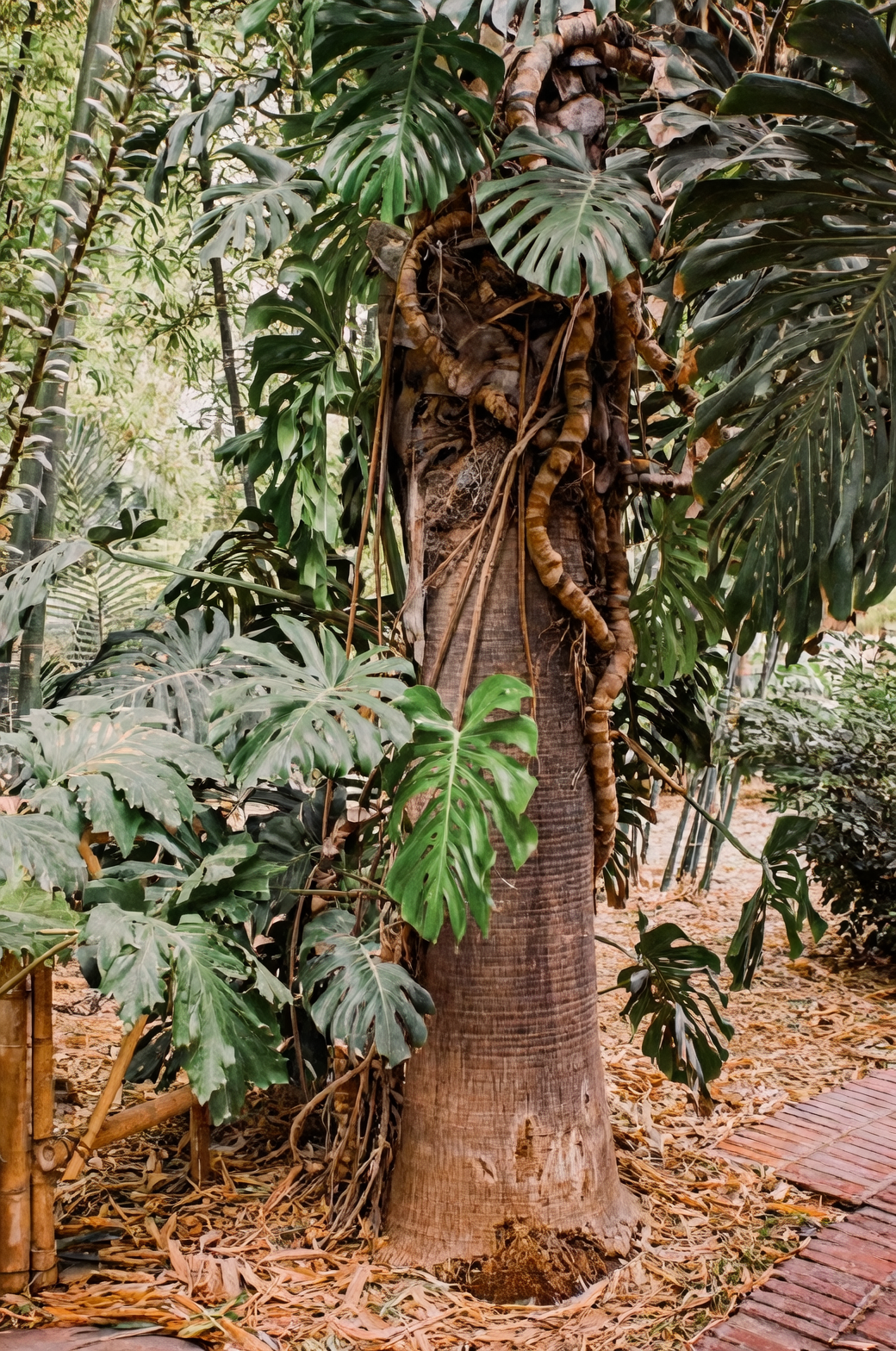
Monstera deliciosa is native to the tropical rainforests stretching from southern Mexico to Panama. In its natural habitat, it climbs high into the canopy, using its long, cord-like aerial roots to anchor itself to towering trees. The plant’s name reflects its dramatic appearance: “Monstera” is derived from the Latin word for “monstrous” or “abnormal,” a nod to its large, fenestrated leaves that resemble the holes in Swiss cheese.
The allure of Monstera lies not just in its size and adaptability but also in its fascinating evolutionary traits. The plant’s large, glossy leaves develop splits and holes, known as fenestrations, as they mature. These features are not just for show—they help the leaves withstand heavy rains and strong winds by allowing water and air to pass through more easily.
From Rainforest to Living Room
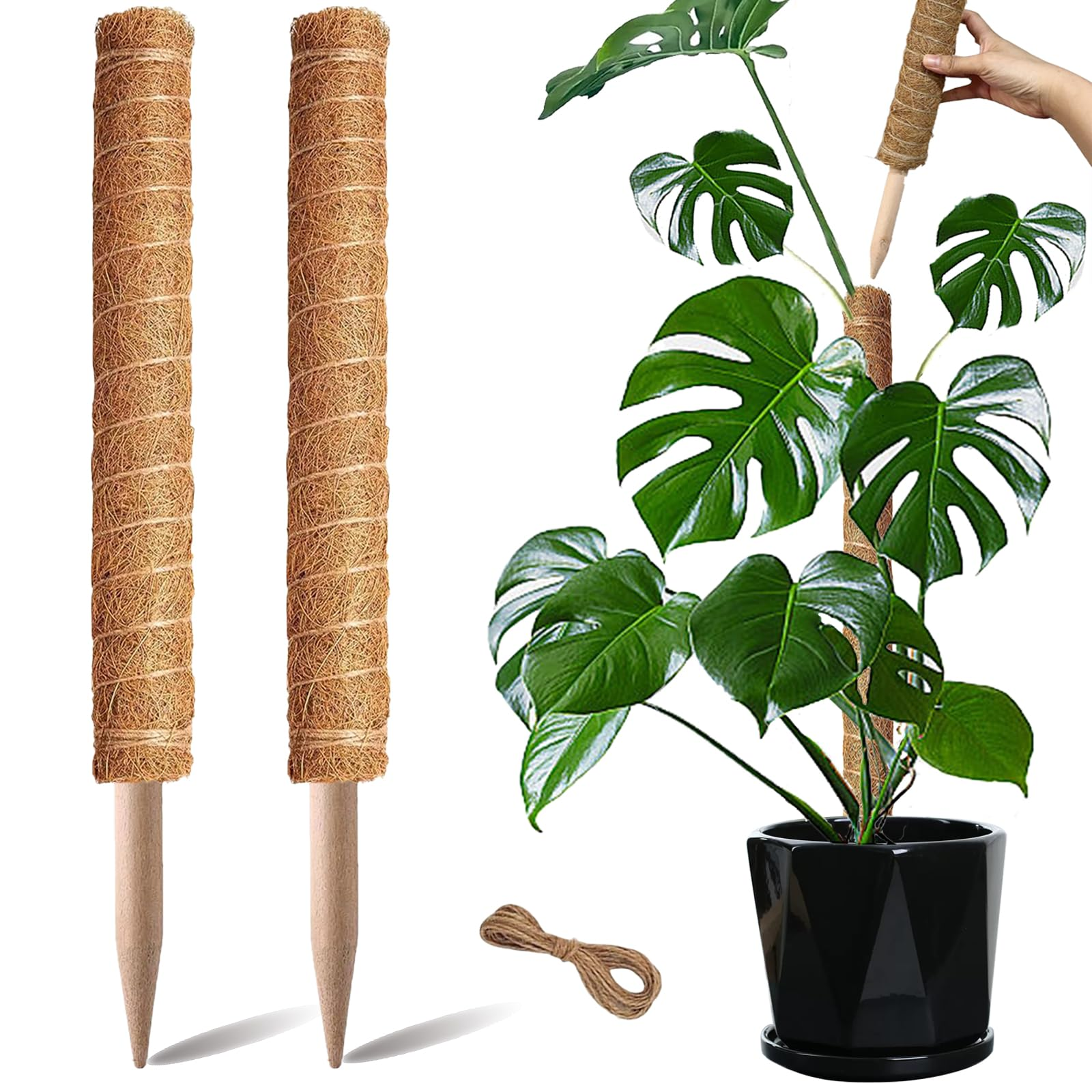
The journey from jungle to houseplant began when Monstera deliciosa was introduced to horticultural enthusiasts in temperate zones. Its ability to thrive indoors, coupled with its striking appearance, made it an instant hit. Today, it’s a staple in interior design, often seen climbing a moss pole or trailing elegantly from a hanging basket.
The Perfect Indoor Companion
Monstera deliciosa’s popularity as a houseplant is due to its relatively forgiving nature. It thrives in bright, indirect light but can tolerate lower light conditions, making it suitable for various indoor environments. However, if you want those iconic fenestrated leaves, providing bright filtered light and a climbing structure is key.
- Light: Prefers bright, indirect light. Too much direct sun can scorch the leaves.
- Water: Allow the top 2.5–5 cm (1–2 inches) of soil to dry out between waterings.
- Humidity: Loves moderate to high humidity, around 50–70%.
- Temperature: Best growth occurs between 18–29°C (65–85°F).
A Living Piece of Art
Monstera deliciosa not only enhances air quality but also serves as a living piece of art, bringing a slice of the tropics into urban spaces. Its dramatic foliage makes it a favorite in social media and botanical art, embodying a bold, jungle-inspired aesthetic.

A Fruitful Endeavor
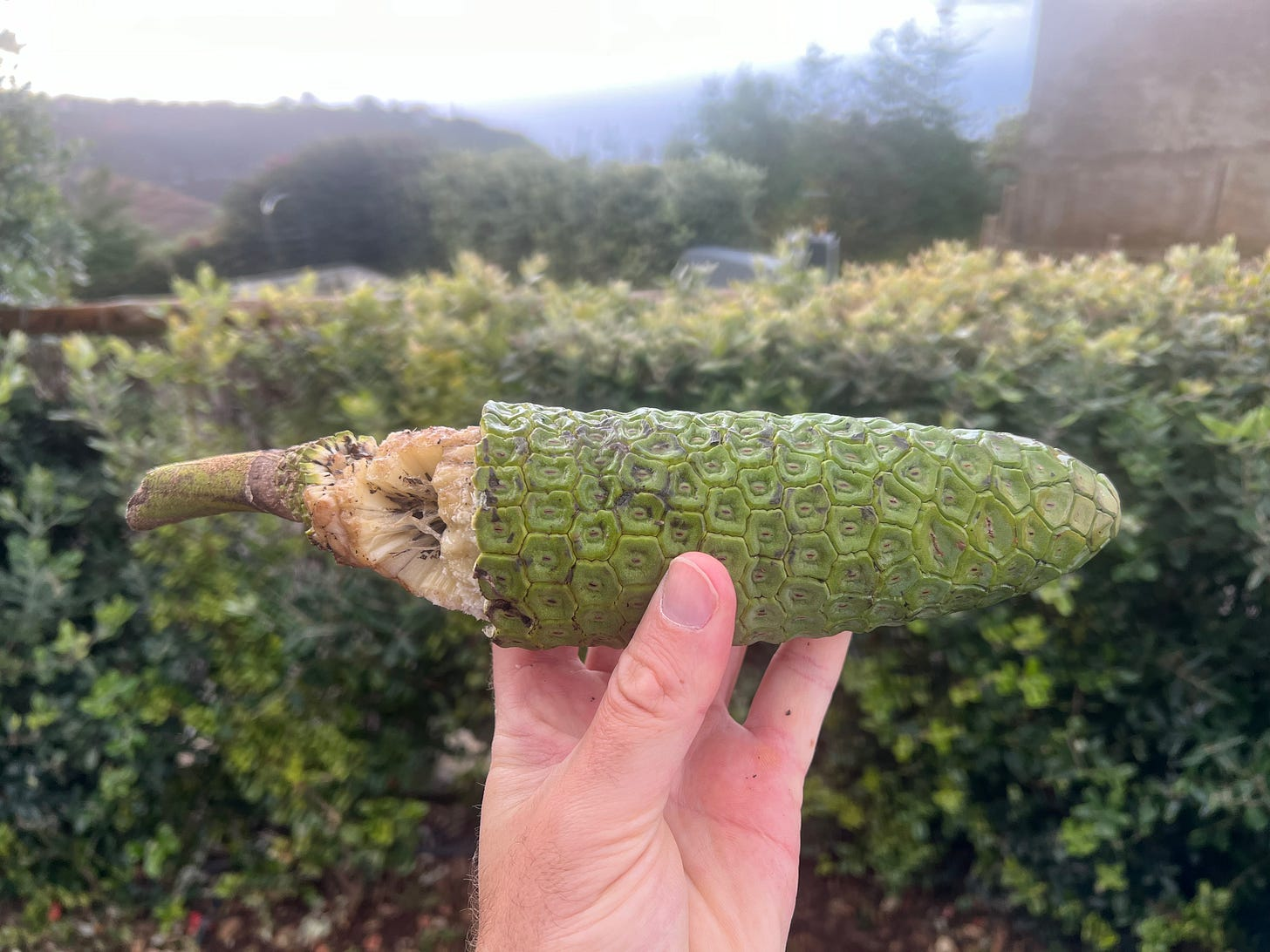
In its native environment, Monstera can produce a unique fruit that tastes like a mix of pineapple and banana. However, caution is advised: the fruit is only edible when fully ripe—unripe fruit contains irritating substances. Indoors, the plant rarely flowers or fruits, but the challenge of coaxing a bloom is part of the plant’s intrigue for many enthusiasts.
Caring for Your Monster(a)
Taking care of a Monstera deliciosa is a rewarding experience. It requires attention to watering routines, occasional feeding with a balanced liquid fertilizer during the growing season, and periodic pruning to manage its size. Propagation is relatively easy, often done by stem cuttings or air layering, allowing plant lovers to share this green marvel with friends and family.
The Mystique of Monstera
The Monstera has become more than just a plant—it’s a cultural icon. Its presence symbolizes growth, abundance, and a touch of the exotic. Whether you’re a seasoned plant parent or a beginner, Monstera deliciosa offers a little piece of the rainforest that you can nurture and watch grow. As it unfurls new leaves and extends its aerial roots, you’re reminded of its wild origins and the incredible journey it has taken to become a beloved household companion.
So, have you found a place in your home for this delicious monster? If not, perhaps it’s time to bring the rainforest inside and let your own Monstera deliciosa climb toward the light.