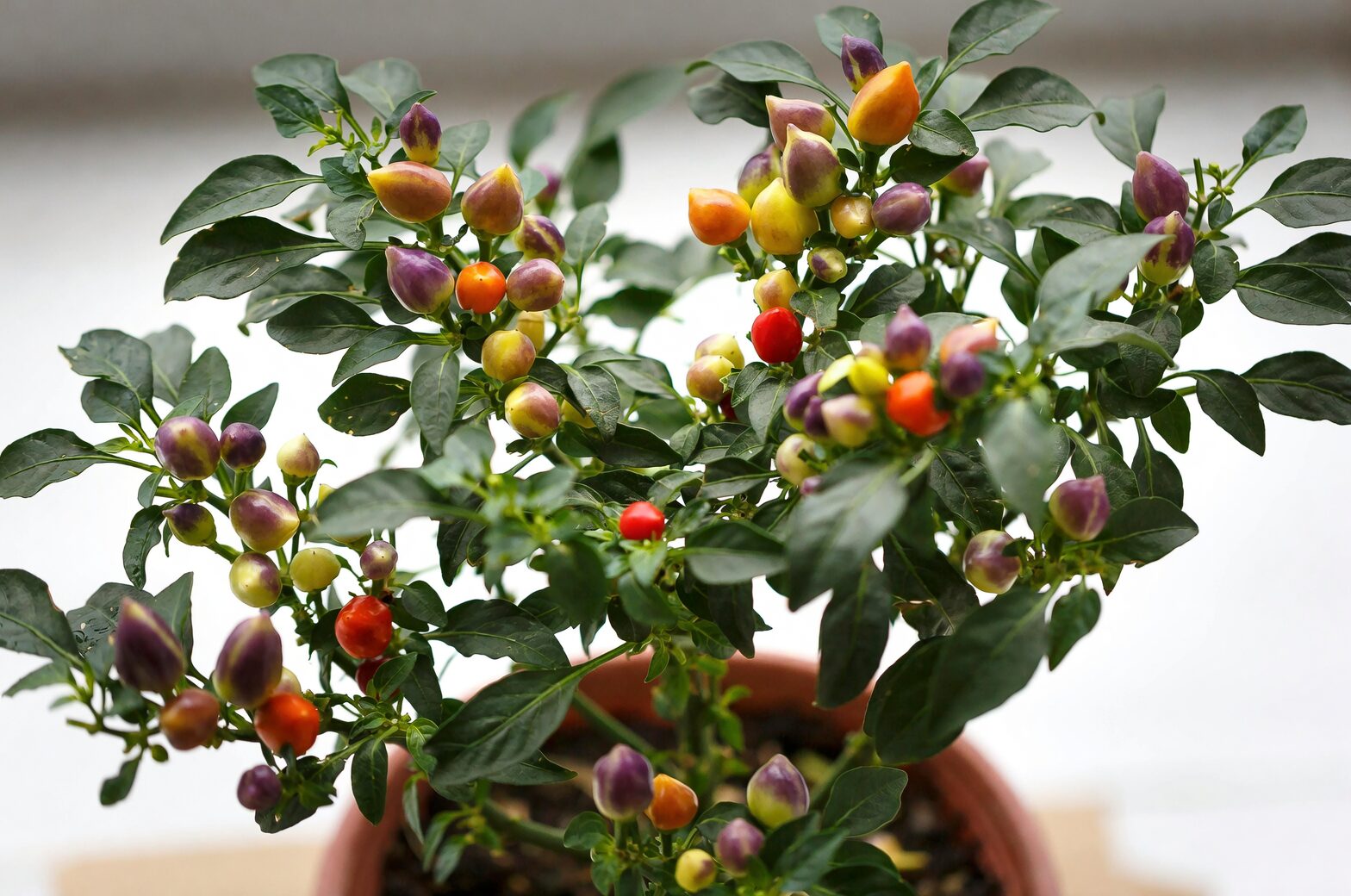
Imagine a plant that throws its own confetti. Capsicum annuum—the species behind ornamental peppers—does exactly that, ripening its glossy little “candles” from green to yellow, orange, red, and sometimes purple in a rolling, weeks-long parade. It’s no wonder these compact dynamos, often nicknamed Christmas peppers or Five-Color peppers, have become festive windowsill stars across the world.
From wild sparks to kitchen fire: origins and domestication
- Native range: Mexico to northern South America—the tropical Americas where warmth, sun, and curious birds shaped the pepper’s destiny.
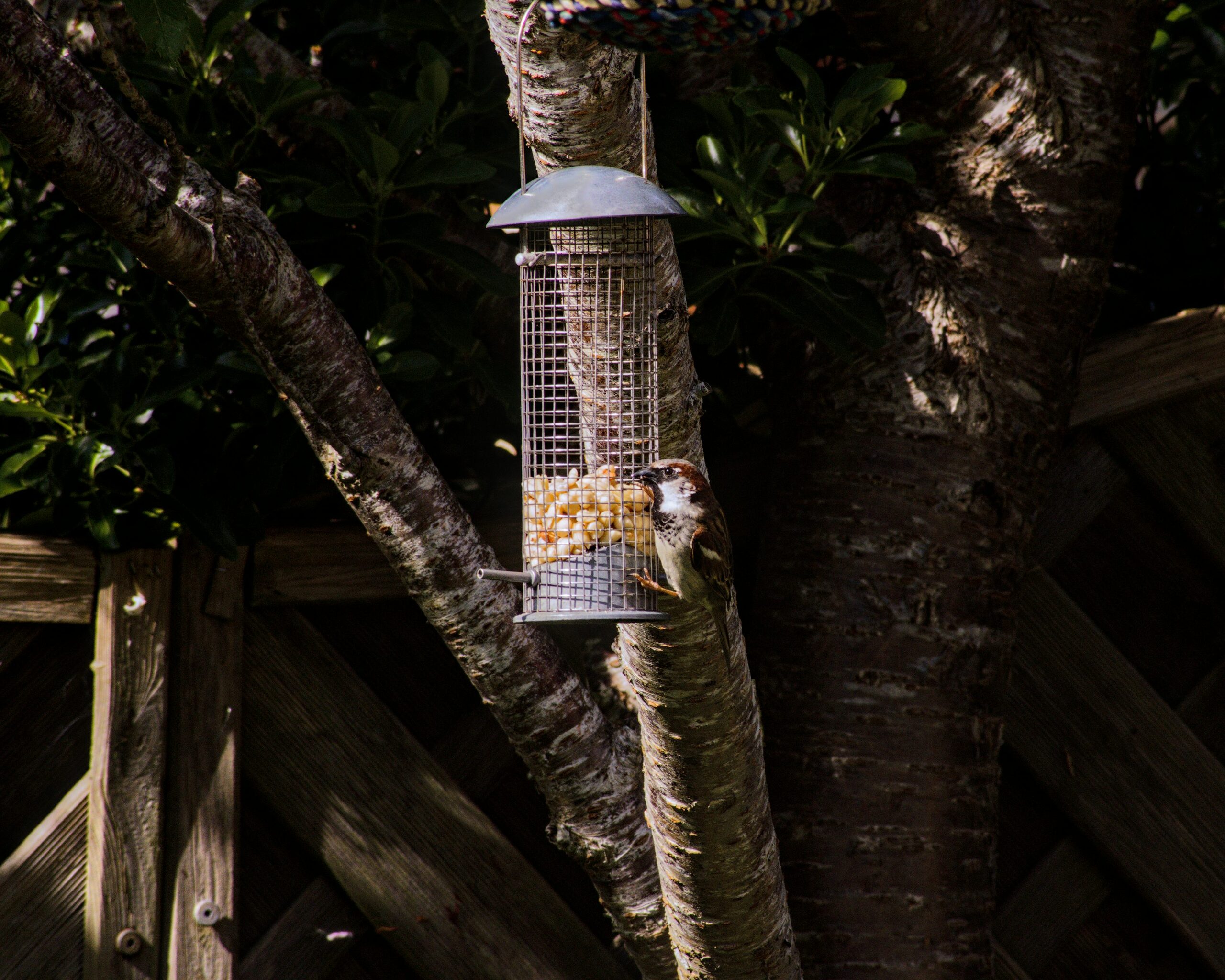
- Before people prized chilies, birds did. They can’t sense capsaicin’s heat, so they ate the fruits and carried seeds far and wide, scattering wild Capsicum across the landscape.
- Human domestication took root in present-day Mexico thousands of years ago. Indigenous growers selected for aroma, flavor, and heat, turning a piquant wild fruit into an essential ingredient and a cultural staple.
The great pepper voyage: how the world got hooked
When Atlantic trade kicked into high gear, the small fruits with big personality leapt oceans. Seeds traveled from the Americas into Iberia and then fanned out along trade routes into the Mediterranean, Africa, and across Asia. Within a few generations, Capsicum annuum had naturalized in cuisines and gardens everywhere—from paprika fields to kitchen patios—proving astonishingly adaptable.
When peppers learned to preen: the rise of ornamental forms
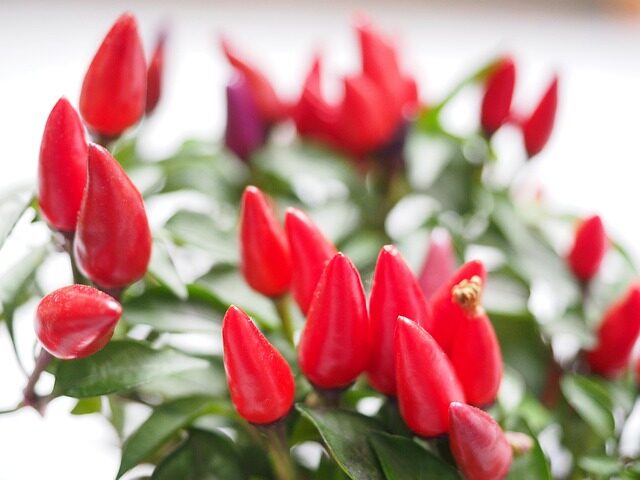
As peppers settled into their new homes, gardeners began selecting plants not just for taste but for spectacle:
- Compact, bushy habits that fit on sills and balconies
- Upright, crowd-pleasing fruits glowing like tiny candles
- Multicolor ripening that paints the plant in several shades at once
By the time winter holidays rolled around, these cheerful pots had earned a seasonal spotlight—hence the enduring “Christmas pepper” nickname.
Meet Capsicum annuum, the shape-shifter
One species, many personalities. Capsicum annuum includes sweet bell peppers, paprika types, and familiar chilies like jalapeño and cayenne. Ornamental forms, however, are bred mainly for show:
- Glossy, upright fruits that hold above dense, deep-green foliage
- Small, starry white flowers that quietly set the stage for the color show
- Fruits that are technically edible but often extremely hot—best treated as décor unless you handle and taste with great care
What makes ornamental peppers so festive?
- Color in waves: Fruits ripen through multiple hues, so you’ll see a rainbow at once.
- “Candle” posture: Many cultivars hold fruits upright for a sparkling, dotted look.
- Peak performance in cool seasons: Displays often crescendo from autumn into winter on a bright windowsill.
- Perfect proportions: Most forms top out around 20–45 cm (8–18 in), ideal for 12–15 cm (4.7–5.9 in) pots.
Windowsill stardom: how to grow them for a show
Light
- Full sun to very bright light; aim for 6–8 hours of direct sun daily.
- Dim conditions = leggy plants and fewer, smaller fruits.
Warmth and airflow
- Happy zone: 21–25°C (70–77°F). Growth can stall and fruit set may drop above 30°C (86°F).
- Below 10°C (50°F), growth essentially stops. Absolutely protect from frost.
- Moderate humidity helps; hot, dry air plus drought often triggers flower and young-fruit drop.
- Lightly mist in very dry rooms, but avoid leaving foliage wet overnight; ensure good ventilation.
Soil and watering
- Use a rich, well-drained potting mix—loam-based or high-quality potting soil with compost, plus 10–30% coarse sand or perlite for drainage. Many growers blend in about 15% well-rotted manure or mature compost for extra fertility.
- Water when the top 2–3 cm (0.8–1.2 in) feels dry. In bright, warm rooms this is often about every three days—adjust to your space.
- Never let pots sit soggy or bone-dry. Drought and hot, dry air commonly cause buds and young fruits to abort.
Feeding
- From April to August, feed weekly with a balanced fertilizer (e.g., 20-20-20) at label rates.
- After fruit set, add 1–2 feeds higher in P and K (e.g., 15-30-15) to support flowering and fruit development.
Pruning and shaping
- Pinch growing tips 2–3 times early on for a lush, branched shape.
- Later, thin crowded leaves for airflow and even light. If the plant sets too many fruits, thin a few to reduce stress and improve size.
Pots and placement
- Finish in a 12–15 cm (4.7–5.9 in) pot with drainage holes—oversized containers stay wet too long.
- Choose the brightest window, sunroom, or a sunny balcony/patio.
- Keep away from bowls of ripening fruit—ethylene gas can encourage flower/fruit drop.
Yearly rhythm (quick plan)
- Late winter–early spring: Start seeds indoors; keep 25–30°C (77–86°F) for germination—sprouts often in 3–5 days. Transplant at 8–10 true leaves.
- Spring–summer: Maximum sun, even moisture, weekly feeding.
- Late summer–winter: Peak fruit display—bright light, steady watering, warm temperatures.
Safety note
Not poisonous, but often incredibly hot. Capsaicin can burn eyes, mouth, and broken skin.
- Keep out of reach of children and pets.
- Wash hands after handling; avoid touching your face.
- If you do taste, start with the tiniest sliver.
Pests and problems
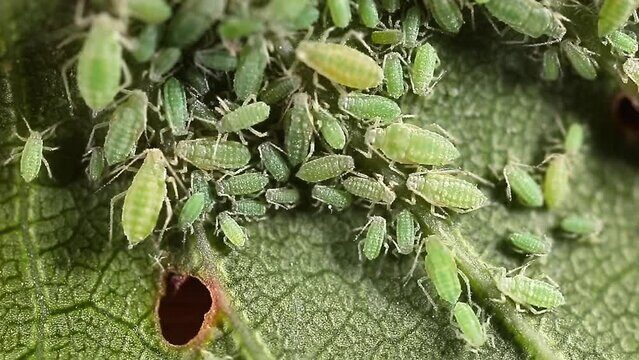
- Aphids and spider mites favor warm, dry air—rinse foliage, improve humidity/airflow, and use insecticidal soap or horticultural oil if needed.
- Anthracnose and other rots show up on stressed, damp plants—remove affected parts, water at the base, and maintain ventilation.
- Sparse fruiting or drop? Check the “big three”: light, moisture, and air. Boost sun, water evenly, and avoid hot, desiccating drafts.
Flower language and symbolism
Ornamental peppers don’t come with an ancient, codified “flower language” the way roses or chrysanthemums do. Their modern symbolism grew from their exuberant look and kitchen pedigree:
- Warmth and vitality: A nod to culinary heat and the plant’s sun-loving origins.
- Festivity and abundance: Multiple colors at once suggest celebration, generosity, and seasonal cheer—perfect for autumn-to-winter décor.
In short, their “language” is contemporary and visual rather than traditional or literary—born from the way they light up a room.
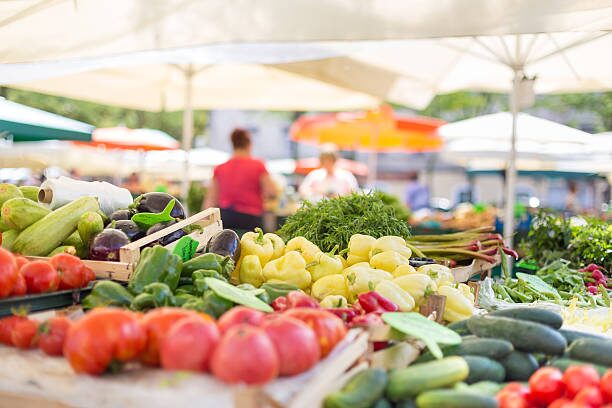
Choosing a great plant at the market
- Look for compact, well-branched specimens with dense, healthy green leaves.
- Fruits should be glossy and firm with no soft spots, wrinkling, blackening, or rot.
- If starting from seed, pick fresh, plump seed and follow clear sowing guidance.
Why ornamental peppers conquered windowsills
Capsicum annuum traveled the globe as a flavor revolution—and stayed to decorate the house. Native to the tropical Americas (Mexico to northern South America), it soared on trade winds during the Columbian Exchange, then dazzled gardeners who selected the compact, upright, multicolor forms we love today. In the colder months, few plants deliver such cheerful spectacle in such a small footprint. One pot, many colors, instant celebration.
Fun to know
- With warm germination (25–30°C / 77–86°F), seeds can sprout in as little as 3–5 days.
- From sowing to a showy fruit display often takes about 60–90 days under good light and warmth.
- Though ornamental types are bred for looks, the species also packs vitamin C and carotenoids—just be cautious if you’re tempted to taste!
Quick ID at a glance
- Family: Solanaceae (nightshade family)
- Genus/species: Capsicum annuum (ornamental forms)
- Habit/size: Compact, bushy, 20–45 cm (8–18 in) tall
- Leaves: Abundant, glossy deep green
- Flowers: Small, white, star-shaped
- Fruits: Glossy, usually upright; ripen through multiple colors
- Best use: Bright windowsills, sunny balconies, and festive tabletop displays
- Hardiness: Frost-tender; outdoors mainly in USDA 10–12 or as a summer annual elsewhere
From the sunlit fields of the Americas to your holiday windowsill, ornamental peppers prove that plants can carry history, heat, and pure joy—all in one compact, confetti-bright package.